Spaghetti Aglio e Olio: The Timeless Italian Classic
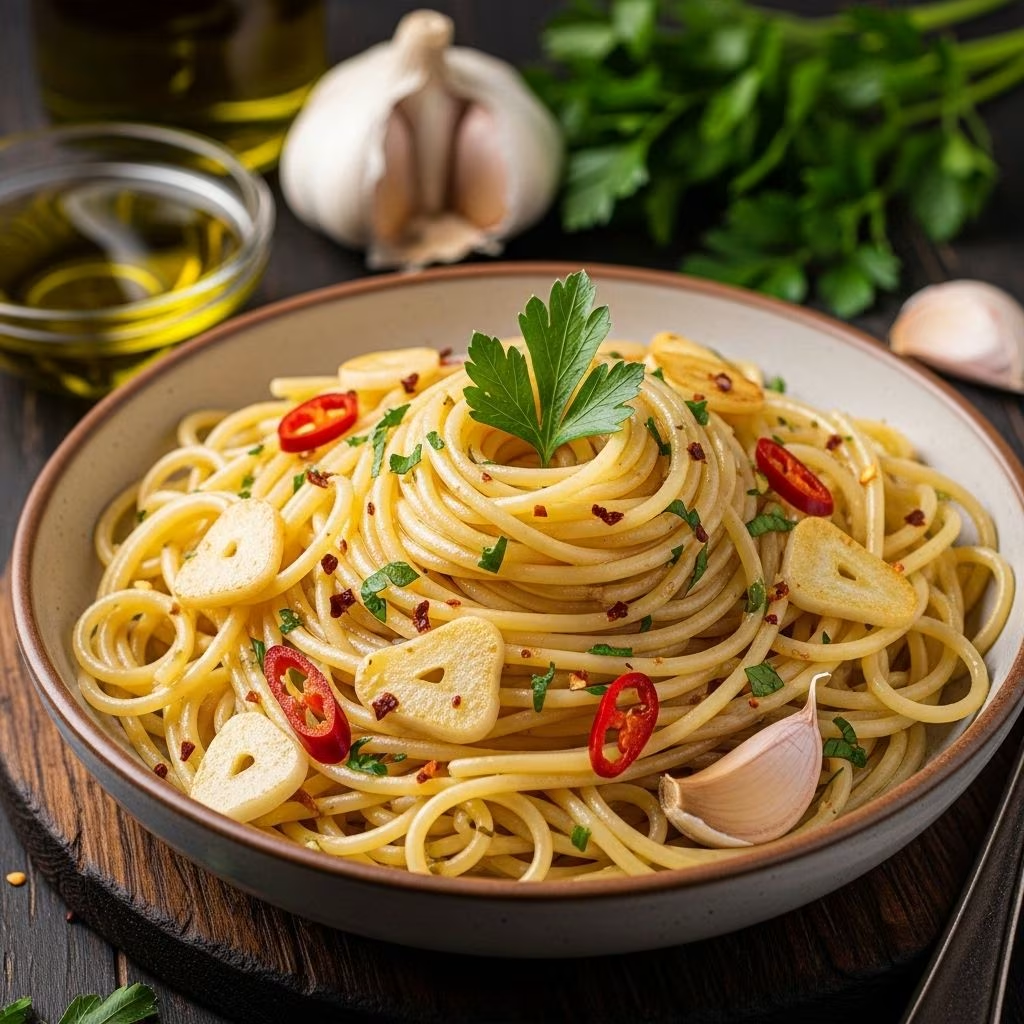
Spaghetti Aglio e Olio stands as one of Italy’s most beloved and enduring pasta dishes. Celebrated for its simplicity and bold flavors, this Neapolitan classic is a testament to the beauty of minimalism in cooking. With just a handful of humble ingredients—spaghetti, garlic, olive oil, and Parmesan cheese—a truly memorable meal unfolds in minutes.
Introduction
This deceptively simple pasta dish from Naples, known as aglio e olio (meaning “garlic and oil”), is a staple in Italian home kitchens. With just a few pantry essentials, you can craft a dinner that’s both comforting and impressive. The technique lies in gently toasting sliced garlic in extra-virgin olive oil and tossing it with perfectly cooked spaghetti. The result is a dish with a silky, aromatic sauce, flecked with parsley and finished with a shower of Parmesan cheese for richness and depth.
Ingredients
All ingredients in this classic Italian recipe are easy to source and highly affordable, making it an ideal quick weeknight dinner.
- 1 pound (450g) uncooked spaghetti
- ½ cup olive oil (preferably extra-virgin)
- 6 cloves garlic, thinly sliced
- ¼ teaspoon red pepper flakes (add more for extra heat)
- Salt and freshly ground black pepper, to taste
- ¼ cup chopped fresh Italian parsley
- 1 cup finely grated Parmigiano-Reggiano cheese (Parmesan)
These quantities yield approximately four servings—the ideal amount for a family-style meal or an intimate dinner gathering.
Step-by-Step Instructions
Timing and technique are everything in Spaghetti Aglio e Olio. Follow these detailed steps to achieve pasta perfection:
- Prep the Ingredients: Gather and measure all ingredients. Slice garlic thinly to ensure it distributes evenly and infuses the oil.
- Cook the Pasta:
- Bring a large pot of lightly salted water to a rolling boil.
- Add the spaghetti and cook, stirring occasionally, until al dente—typically 10 to 12 minutes.
- Reserve ½ cup of pasta cooking water before draining.
- Drain the spaghetti and transfer it to a large mixing or serving bowl.
- Infuse the Olive Oil:
- While the pasta cooks, add olive oil and sliced garlic to a cold skillet.
- Turn the heat to medium and gently toast the garlic, stirring frequently. The goal is a golden brown—this can take up to 10 minutes.
- If the oil starts to bubble too vigorously, reduce the heat to medium-low to prevent burning.
- Remove the pan from heat as soon as the garlic is fragrant and golden.
- Toss the Pasta:
- Sprinkle red pepper flakes, salt, and freshly ground black pepper onto the hot spaghetti.
- Pour in the hot olive oil and toasted garlic.
- Add the chopped parsley and half of the grated Parmigiano-Reggiano.
- Toss thoroughly until the pasta is well coated. If needed, add a splash of reserved pasta water to achieve a silky consistency.
- Serve:
- Plate the pasta and shower with the remaining Parmigiano-Reggiano.
- Serve immediately while piping hot.
Tips & Tricks for Perfect Aglio e Olio
- Use Quality Olive Oil: The oil is the backbone of this dish; choose a good extra-virgin olive oil for best flavor.
- Control the Heat: Infuse the oil over medium or medium-low heat. Garlic must turn golden, never brown or burnt, or it will taste bitter.
- Timing is Everything: Start the oil infusion once the pasta is in the water to sync up the timing.
- Salt Generously: Season pasta water well—this is your only chance to thoroughly season the noodles.
- Don’t Overcrowd the Pan: Spread out the garlic slices so they toast evenly.
- Customize the Heat: Adjust the amount of red pepper flakes to suit your preferred spice level.
- Finish with Pasta Water: Use reserved pasta water to ensure the sauce clings to the spaghetti and gives a glossy finish.
- Cheese is Optional—but Delicious: While traditionalists may skip the cheese, Parmigiano-Reggiano delivers extra richness and depth.
Recipe Variations
This Italian staple is endlessly adaptable. Try these creative spins on the classic:
- Add Protein: Toss in sautéed shrimp or shredded rotisserie chicken for a heartier meal.
- Enhanced with Lemon: Add a splash of fresh lemon juice or zest for brightness.
- Vegetable Boost: Stir in baby spinach, sautéed mushrooms, or blistered cherry tomatoes before serving.
- Bread Crumb Topping: Sprinkle toasted bread crumbs for crunch and rustic flair.
- Other Pasta Shapes: Swap spaghetti for linguine, fettuccine, or bucatini—adjust cooking time as needed.
- Nutty Twist: Add a handful of toasted hazelnuts or walnuts for flavor and texture (see “Aglio e Olio alla Fremont” variation).
- Bottarga Finish: For a gourmet uptick, garnish with shaved bottarga (cured fish roe) for briny, umami notes.
Serving Suggestions
Spaghetti Aglio e Olio shines as a stand-alone main course but pairs beautifully with:
- Simple green salads: Toss arugula, baby spinach, or mixed greens with lemon and olive oil.
- Roasted or steamed vegetables: Such as broccoli, asparagus, or zucchini.
- Crusty Italian bread: Perfect for mopping up excess oil and garlic.
- Light Italian wines: Pinot Grigio, Soave, or a young Chianti complement the dish nicely.
Nutrition Information
| Nutrient | Amount per serving |
|---|---|
| Calories | ~500 |
| Fat | 19g |
| Carbohydrates | 64g |
| Protein | 16g |
| Sodium | 350mg |
| Fiber | 3g |
| Cholesterol | 15mg |
| Calcium | 250mg |
| Iron | 2mg |
Note: Actual values may vary depending on exact ingredients used.
Frequently Asked Questions (FAQs)
Q: Can I make Spaghetti Aglio e Olio ahead of time?
A: This dish is best enjoyed fresh, as the garlic and oil lose their vibrancy when reheated. If needed, store leftovers in an airtight container and gently reheat with a splash of olive oil.
Q: Is cheese traditional in Aglio e Olio?
A: Purists may skip the cheese, but many home cooks and restaurants add freshly grated Parmigiano-Reggiano for richness.
Q: Can I make this dish gluten-free?
A: Yes! Substitute with your favorite gluten-free spaghetti and follow the same method.
Q: What type of olive oil should I use?
A: Use the best quality extra-virgin olive oil you can afford. Its flavor is central to the dish.
Q: How do I prevent my garlic from burning?
A: Start with a cold pan and heat the oil and garlic together; keep the heat medium to medium-low and stir frequently.
Q: Can Spaghetti Aglio e Olio be made vegan?
A: Absolutely! Simply omit the cheese or use a plant-based alternative.
Expert Tips for Success
- Garlic Slicing: Slice garlic as evenly as possible for consistent cooking; a mandoline or sharp knife helps achieve paper-thin slices.
- Pasta Water Magic: The starch in reserved pasta water gives the sauce its characteristic silkiness—don’t skip it.
- Don’t Crowd the Garlic: Overcrowded garlic in the pan will cook unevenly. For larger batches, use a bigger skillet and monitor closely.
- Parsley Freshness: Chop parsley just before adding for maximum color and bright, herby flavor.
Final Thoughts
Few dishes encapsulate the heart of Italian cooking like Spaghetti Aglio e Olio. Its magical combination of simplicity and robust flavor ensures it remains a perennial favorite among pasta lovers worldwide. With the right ingredients, careful attention to technique, and a touch of personalization, you can bring the flavors of Naples to your kitchen in less than 30 minutes. Buon appetito!
References
- https://www.gimmesomeoven.com/spaghetti-aglio-e-olio/
- https://www.allrecipes.com/recipe/222000/spaghetti-aglio-e-olio/
- https://www.allrecipes.com/recipe/12074/pasta-e-olio/
- https://www.allrecipes.com/recipe/233309/aglio-e-olio-alla-fremont/
- https://www.allrecipes.com/recipe/283348/spaghetti-aglio-olio-e-peperoncino-con-bottarga/