15 Things Nobody Tells You About Pawpaws
Pawpaw (Asimina triloba) is North America’s largest native fruit, yet its mysteries remain hidden from most gardeners and food lovers. This rich article explores fifteen curious truths, practical insights, and overlooked tips about pawpaws — drawing from botanical, gardening, and culinary perspectives. Learn the secrets that can make this tropical-tasting tree thrive in your yard and kitchen!
1. Pawpaws Are Native—But Rarely Commercial
Pawpaws grow wild across the eastern United States, from the Great Lakes to Florida and as far west as Nebraska. Yet, they’re rarely seen in grocery stores due to their fragile skin and perishability. Pawpaws are often called “America’s forgotten fruit” or even the “hipster banana.” They remain largely a backyard treat, passed between foragers and home orchardists.
2. The Taste Is Tropical (With a Twist)
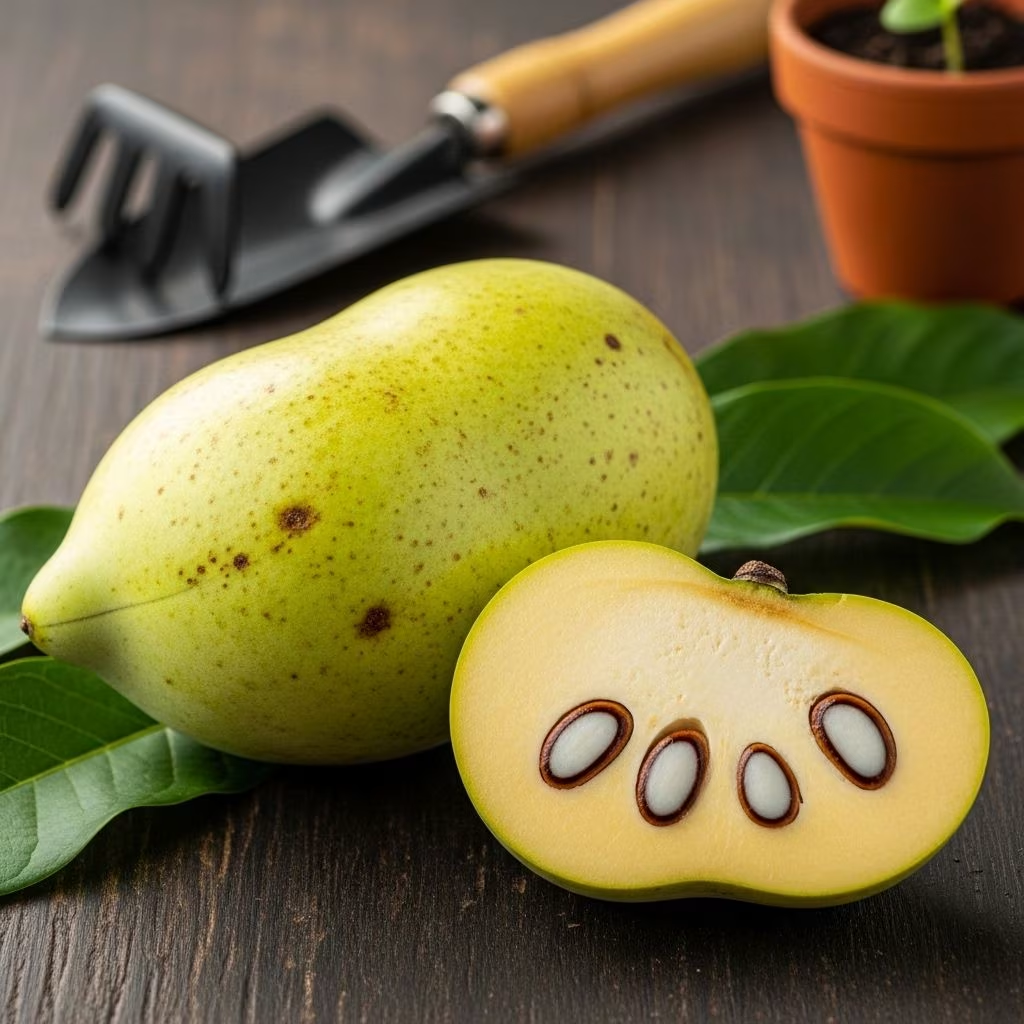
Describing pawpaw flavor is tricky. It’s often likened to a banana-mango cross, with underlying notes of pineapple or citrus. The creamy, custard-like flesh stands apart from other temperate fruits and is sometimes called the custard apple for its texture. Wild pawpaws can vary in taste, and modern cultivars (like ‘Shenandoah’ or ‘Susquehanna’) may offer a firmer, milder flavor. Nevertheless, pawpaws have an aroma and taste unmatched in the North American landscape.
3. You Can’t Eat the Skin or Seeds
- Pawpaw skin is thin and slightly bitter. The color ranges from green to yellow with flecks or blotches, resembling a banana.
- The seeds are large, hard, and inedible. Only the creamy pulp is consumed, usually scooped out with a spoon. Avoid eating the skin and seeds—they contain compounds that are not safe for eating.
4. Pawpaw Trees Need Company—But Not Their Own
Pawpaw flowers are distinctly unusual—maroon or dark purple and bell-shaped, appearing in spring on old wood before the leaves emerge. However, trees are not self-fertile; pawpaws need pollen from a genetically different tree for fruit production. Planting two or more cultivars increases your chances of a good harvest. This need for cross-pollination often surprises gardeners accustomed to single fruit trees producing on their own.
5. Pawpaw Flowers Rely on Flies and Beetles
Unlike many fruit trees pollinated by bees, pawpaw flowers lack bright colors and pleasing fragrance. In fact, they attract flies and beetles by emitting a scent reminiscent of carrion or fermenting fruit. This evolutionary adaptation draws the right insect visitors during their early spring bloom. For small orchards, hand-pollination may yield a better fruit set.
6. Pawpaws Are Understory Specialists
Pawpaw trees are most often found in the wild as part of the forest understory, thriving in rich bottomlands and river floodplains. Young pawpaws tolerate shade and will form dense clonal colonies via underground runners—waiting for an opportunity to reach the sun. Only when exposed to more sunlight do mature trees set abundant fruit. Mimic these conditions for home cultivation; start pawpaw seedlings or young trees in partial shade, then transition to sunnier spots as they mature.
7. They Have Tropical Relatives—But Are Cold Hardy
Pawpaws belong to the custard apple family (Annonaceae), whose tropical cousins include cherimoya, atemoya, and soursop. Despite their tropical appearance—large, glossy leaves and creamy fruit—pawpaws are cold hardy to USDA zone 5 and can withstand frosts that would kill their relatives. They are an anomaly: a tropical-tasting fruit that flourishes in temperate zones.
8. Pawpaws Grow Quickly—But Have Tricky Seedlings
Pawpaw seeds require stratification (cold exposure to break dormancy) before sprouting. Once germinated, seedlings are fussy: they dislike transplanting and sudden exposure to bright sun. Pawpaws grow slowly at first, establishing deep roots before leaping to greater heights when conditions allow. Once mature, trees can reach 20–30 feet and grow pyramidal with attractive, drooping leaves.
9. The Fruit Is Extremely Perishable
- Pawpaw fruit has a very short shelf life — only a few days at room temperature after ripening.
- Fruit can be refrigerated briefly, but loses flavor quickly.
- Handle gently to avoid bruising; pawpaws ripen and blacken rapidly once picked.
Harvest pawpaws by gently tugging ripe fruit or shaking the tree. Take care: standing under fruit clusters can result in the occasional head knock!
10. Wildlife Loves Pawpaw Fruit (So Pick Fast!)
Pawpaw’s sweet scent draws raccoons, squirrels, opossums, and other critters. Left on the tree too long, ripe fruit disappears quickly! If you want a taste, harvest promptly as soon as fruit yields gently to pressure, much like a peach or avocado.
11. Pawpaw Leaves and Flowers Add Garden Beauty
- Pawpaw leaves are long, glossy, dark green, and droop in a distinctly tropical fashion.
- Flowers appear in early spring before leaves, offering rare maroon color in temperate gardens.
- In autumn, leaves turn bright golden-yellow, adding ornamental flair.
12. Nutritionally Unique—and Protein Rich
| Fruit | Protein | Fat | Vitamin C | Carbs | Energy |
|---|---|---|---|---|---|
| Pawpaw | 1.2g | 1.2g | 21mg | 28g | 80kcal |
| Banana | 1.0g | 0.3g | 9mg | 23g | 89kcal |
| Apple | 0.3g | 0.2g | 7mg | 14g | 52kcal |
| Orange | 0.9g | 0.1g | 59mg | 12g | 47kcal |
- Pawpaws are higher in protein and fat than apples or oranges, and richer in certain vitamins—especially vitamin C and riboflavin.
- Dietary fiber is similar to bananas and apples.
13. Pawpaws Inspire Creative Recipes
Thanks to their creamy texture and tropical flavors, pawpaws are excellent for:
- Custards and puddings
- Ice creams
- Breads, muffins, and pancakes
- Pies (including tropical-style pie)
- Cookies with pawpaw cream cheese frosting
The flesh cannot be diced like apples, but can be pureed and swapped for mango or ripe bananas in most dessert recipes. Many savor pawpaws fresh, eaten with a spoon, though the taste and aroma may be intense for first-timers.
14. Not All Pawpaws Taste or Grow the Same
Wild pawpaw fruits vary greatly in size, flavor, and seediness. Some may be bitter or overly seedy. Select from named cultivars for better results in home orchards; cultivated varieties offer larger, tastier fruit and sometimes fewer seeds.
- Popular varieties include ‘Shenandoah’, ‘Susquehanna’, and ‘Sunflower’, each with distinct flavor and texture profiles.
- Growing from seed will produce unpredictable results; for reliable fruit, opt for grafted trees.
15. Growing Pawpaws: Tips and Tricks
- Location: Start with partial shade for seedlings; mature trees perform best in full sun.
- Soil: Moist, well-drained soil, rich in organic matter, mimics their native riverbank habitats.
- Pruning: Train trees with a central leader for best structure and fruit set. Remove crossing branches and encourage air flow.
- Pest Resistance: Pawpaws have few serious pests or diseases, as most local insects don’t eat their leaves.
- Harvest: Pick when fruit softens and looms with a strong aroma. Handle gently and consume quickly.
Frequently Asked Questions (FAQs)
Q: How do you know pawpaws are ripe?
A: Pawpaws yield gently under finger pressure, emit an intense fruity aroma, and the skin may show black blotches. Ripe fruit pulls easily from the tree with a gentle tug.
Q: Can a single pawpaw tree produce fruit?
A: No. You need at least two genetically distinct pawpaw trees for cross-pollination, otherwise flowers won’t set fruit.
Q: Are pawpaws easy to grow from seed?
A: Seeds must be stratified (chilled for several months) to germinate. Seedlings dislike transplanting and sudden sunlight. For predictable fruit, choose grafted or named cultivars.
Q: What pests or diseases affect pawpaws?
A: Pawpaws are surprisingly resistant to local pests and diseases thanks to unique leaf chemistry. Wildlife, however, will eagerly eat the fruit if left unharvested.
Q: Can I eat pawpaw skin or seeds?
A: No. Only the soft yellow flesh is edible. Skin and seeds are not safe for consumption.
Popular Pawpaw Cultivars Table
| Variety | Fruit Size | Flavor Notes | Seed Count | Ripening Season |
|---|---|---|---|---|
| Shenandoah | Large | Mild, banana-like | Few | September |
| Susquehanna | Very Large | Rich, sweet | Moderate | September |
| Sunflower | Medium | Pineapple note | Few | Late September |
Conclusion
Pawpaws remain one of America’s most intriguing and underrated native fruits. With their tropical flavor, unique biology, short shelf-life, and ornamental beauty, pawpaws reward curious gardeners and adventurous cooks alike. By understanding these fifteen surprising facts, you’ll be ready to bring the pawpaw’s sweet bounty into your garden and your kitchen.
References
- https://extension.psu.edu/pawpaw-fruit-in-the-garden-and-the-kitchen/
- https://www.kysu.edu/academics/college-ahnr/school-of-anr/pawpaw/pawpaw-description-and-nutritional-information.php
- https://onegreenworld.com/pawpaw-growing-guide/
- https://www.aces.edu/blog/topics/crop-production/pawpaw-production-guide/
- https://askthefoodgeek.com/pawpaws/