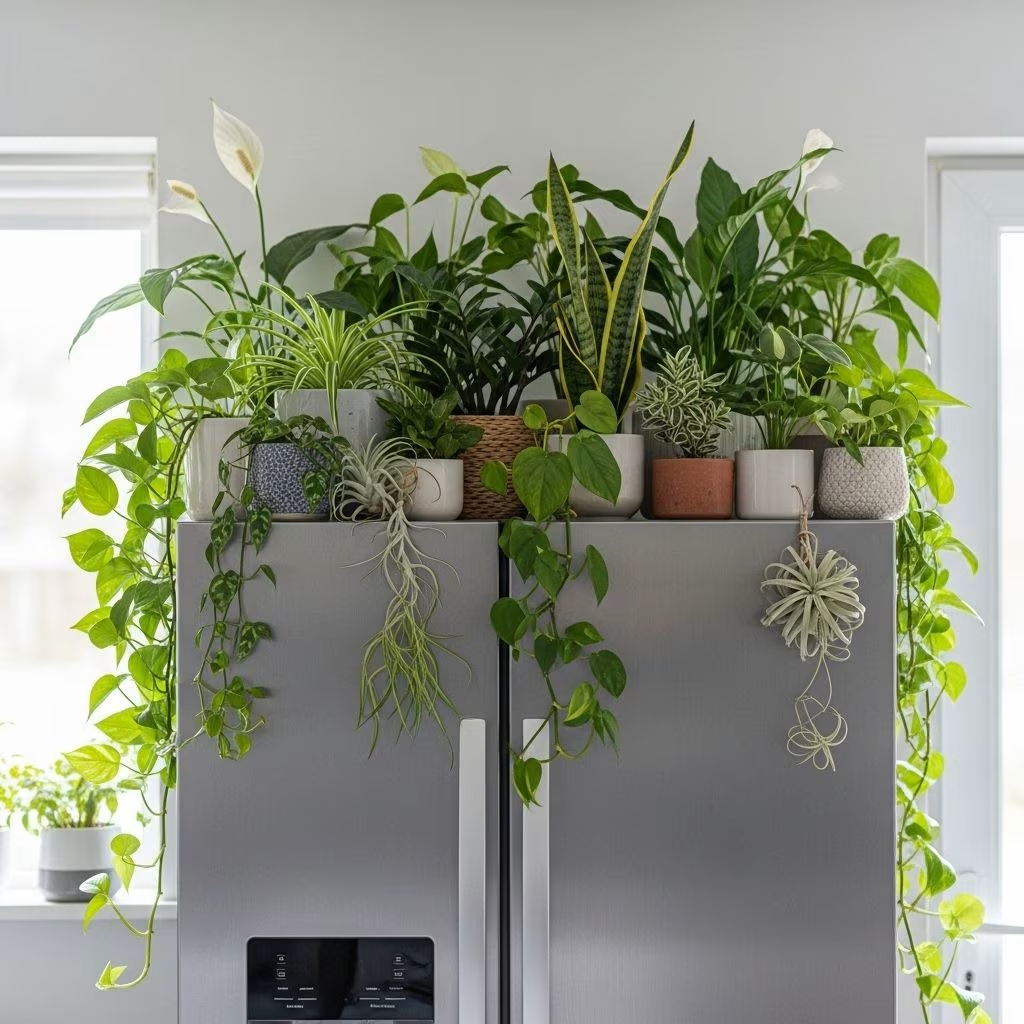
The space above your refrigerator is often underutilized, but with the right choice of houseplants, it can become a lush, vibrant focal point in your kitchen. Some plants adapt particularly well to this unique spot, which is typically warm and receives limited sunlight. In this article, you’ll discover the best houseplants for this environment, expert care tips, and answers to frequently asked questions about growing plants on your fridge.
Why Place Houseplants on Top of Your Refrigerator?
Placing houseplants atop your refrigerator offers both practical and aesthetic benefits:
- Utilizes unused space in small or plant-filled homes
- Enhances kitchen ambiance with greenery and natural decor
- Improves air quality by introducing oxygen-producing plants
- Provides a warmer microclimate that some species prefer
However, this location presents unique challenges, such as increased warmth, airflow from refrigerator vents, and potentially lower light levels. Careful plant selection and maintenance are essential for success.
Key Considerations for Choosing Refrigerator Houseplants
To ensure your plants thrive atop the fridge, keep these factors in mind:
- Temperature: The top of the fridge can be several degrees warmer than other surfaces. Choose species that tolerate or prefer these warmer areas.
- Light Levels: Many refrigerators are distant from windows. Select low-light or medium-light plants, unless your fridge is directly beside a bright window.
- Humidity: Most kitchens have moderate humidity, and the warmth may diminish it further. Plants adaptable to average-to-low humidity do best.
- Airflow: Repeated warm air release or minor vibrations from the fridge can affect growth. Select sturdy, adaptable houseplants.
- Maintenance: Access to the top of the fridge can be tricky. Choose plants that don’t require frequent watering or pruning.
Understanding these unique conditions is the foundation of picking plants that will flourish and brighten your kitchen year-round.
21 Best Houseplants for the Top of Your Refrigerator
Below is a curated list of 21 houseplants known to thrive in the conditions typically found above a refrigerator, with care highlights for each.
| Plant Name | Light Needs | Key Features |
|---|---|---|
| Bromeliad | Low to Medium | Colorful bracts, easy to care for, loves warmth |
| Chinese Money Plant (Pilea peperomioides) | Bright, Indirect | Round leaves, easy propagation, adapts well |
| Pothos (Epipremnum aureum) | Low to Medium | Vining, tolerant, purifies air |
| Snake Plant (Sansevieria) | Low to Bright | Almost indestructible, upright form |
| Philodendron | Low to Medium | Trailing or upright, forgiving |
| Spider Plant | Low to Bright | Air-cleansing, arching leaves, produces offsets |
| ZZ Plant (Zamioculcas zamiifolia) | Low | Resilient, glossy leaves, drought-tolerant |
| Cast Iron Plant (Aspidistra elatior) | Low | Tolerates neglect, loves shade |
| Peace Lily (Spathiphyllum) | Medium | Flowers indoors, adaptive, improves air |
| Peperomia | Low to Medium | Compact, varied foliage, low water needs |
| English Ivy (Hedera helix) | Low to Medium | Trailing, elegant, easy to train |
| Aloe Vera | Bright, Indirect | Succulent, medicinal uses, tough |
| Heartleaf Philodendron | Low to Medium | Trailing heart-shaped leaves |
| Hoya (Wax Plant) | Medium | Trailing, waxy leaves, fragrant flowers |
| Lucky Bamboo | Low to Medium | Grows in water or soil, symbolizes good luck |
| Ferns (e.g., Lemon Button, Bird’s Nest) | Low to Medium | Lacy foliage, prefers humidity, adaptable |
| Jade Plant (Crassula ovata) | Bright, Indirect | Succulent, longevity symbol |
| Dracaena | Low to Medium | Upright, colorful stripes, resilient |
| Dieffenbachia (Dumb Cane) | Low to Medium | Big leaves, striking variegation |
| Aglaonema (Chinese Evergreen) | Low to Medium | Colorful foliage, adaptable, low care |
| Golden Sedum | Low to Medium | Succulent trailing stems, drought-tolerant |
Plant-by-Plant Refrigerator Care Tips
Here are care highlights tailored to refrigerator-top placement:
Bromeliad
Loves warmth; water inside the central cup; prefers filtered light.
Chinese Money Plant
Needs moderate indirect light; let soil partially dry between watering.
Pothos
Tolerant of low light and infrequent watering.
Snake Plant
Thrives with neglect; water sparingly; good in low light.
Philodendron
Easy-going, does well in most indoor light conditions.
Spider Plant
Resilient; let soil dry between waterings; enjoy moderate light.
ZZ Plant
Durable and drought-tolerant; perfect for low-light corners.
Cast Iron Plant
Ideal for dim spaces with minimal care.
Peace Lily
Keeps air clean; prefers consistent watering; avoid direct sunlight.
Peperomia
Sparse watering and indirect light preferred.
English Ivy
Appreciates humidity; let soil dry slightly before watering again.
Aloe Vera
Needs less frequent watering and bright, indirect spots, but will tolerate some shade.
Heartleaf Philodendron
Good for trailing down the fridge’s side; low maintenance.
Hoya
Let soil dry, prefers moderate humidity and filtered light.
Lucky Bamboo
Will grow in water or soil; avoid placing in drafty spots.
Ferns
Ideal if you have above-average kitchen humidity—mist periodically.
Jade Plant
Prefers less frequent watering and bright positions, but copes with low light short-term.
Dracaena
Tolerant, water when dry, avoids harsh direct sunlight.
Dieffenbachia
Moist soil and medium light work best; avoid cold drafts.
Aglaonema
Handles low light, but colored types appreciate a bit more.
Golden Sedum
Perfect for bright kitchens, otherwise patience and little water.
Strategies for Success: Lighting and Watering
Since the top of the refrigerator can be both warm and less brightly lit, consider these best practices:
- Supplemental Light: Place a grow light above or near the fridge if natural light is lacking.
- Monitor Soil Moisture: Warmer air can dry soil quickly. Test with your finger or a moisture meter before watering; adapt schedule if needed.
- Use Pebble Trays: Resting pots on pebble trays with water can increase local humidity for sensitive species.
- Choose the Right Pot: Place plants in well-draining containers to prevent waterlogging.
Periodically rotate the pots to encourage even growth.
Decorating Ideas for Plants Atop the Fridge
- Mix heights with tall upright plants and trailing vines for visual interest.
- Group plants with similar care needs together on a tray or shallow basket.
- Use decorative pots in colors that complement your kitchen décor.
- Add fairy lights or small accessories to create a mini garden scene.
Common Mistakes to Avoid
- Placing sun-loving plants in deep shade
- Allowing the soil to stay soggy—it attracts fungus gnats and harms roots
- Ignoring dust installation on leaves; clean gently every month
- Neglecting access; don’t overcrowd and ensure you can water easily
Benefits of Plants in the Kitchen
- Improved air quality by filtering toxins and increasing oxygen
- Soothing greenery can boost mood and reduce stress
- Herbs and edible plants add both beauty and utility (try basil, mint, or oregano if light allows)
Frequently Asked Questions (FAQs)
What are the biggest challenges of keeping houseplants on top of the refrigerator?
The warm, sometimes dry, and low-light environment can stress unsuitable species. Choose forgiving, adaptable houseplants and monitor water needs closely.
Which plants should be avoided on the fridge?
Plants that require full sun, high humidity, or even moisture (such as Calatheas or Maidenhair ferns) fare poorly. Avoid succulents if the area is perpetually dim, as they can become leggy and weak.
How do I water plants on the refrigerator without making a mess?
Use a small watering can with a narrow spout, move plants to the sink occasionally, and consider terracotta pots for better moisture control.
Do refrigerator-top plants need fertilizer?
Yes, but less than actively growing sun-drenched plants. Apply a diluted balanced fertilizer once a month during the growth season, and withhold feeding in winter.
Can herbs be grown above the refrigerator?
Some culinary herbs like mint or oregano may survive with enough light, but most edible herbs require more brightness than this spot usually offers.
Final Tips for Refrigerator Houseplants
- Check plant health monthly for yellow leaves, pests, or signs of stress.
- Rotate your collection seasonally—swap in shade lovers during winter.
- Use this location for seasonal décor or to start plant cuttings.
With thoughtful selection and attention, the top of your refrigerator can showcase thriving plants, refreshing your kitchen environment and making the most of every inch of your living space.