27 Flowering Perennials for Raised Garden Beds
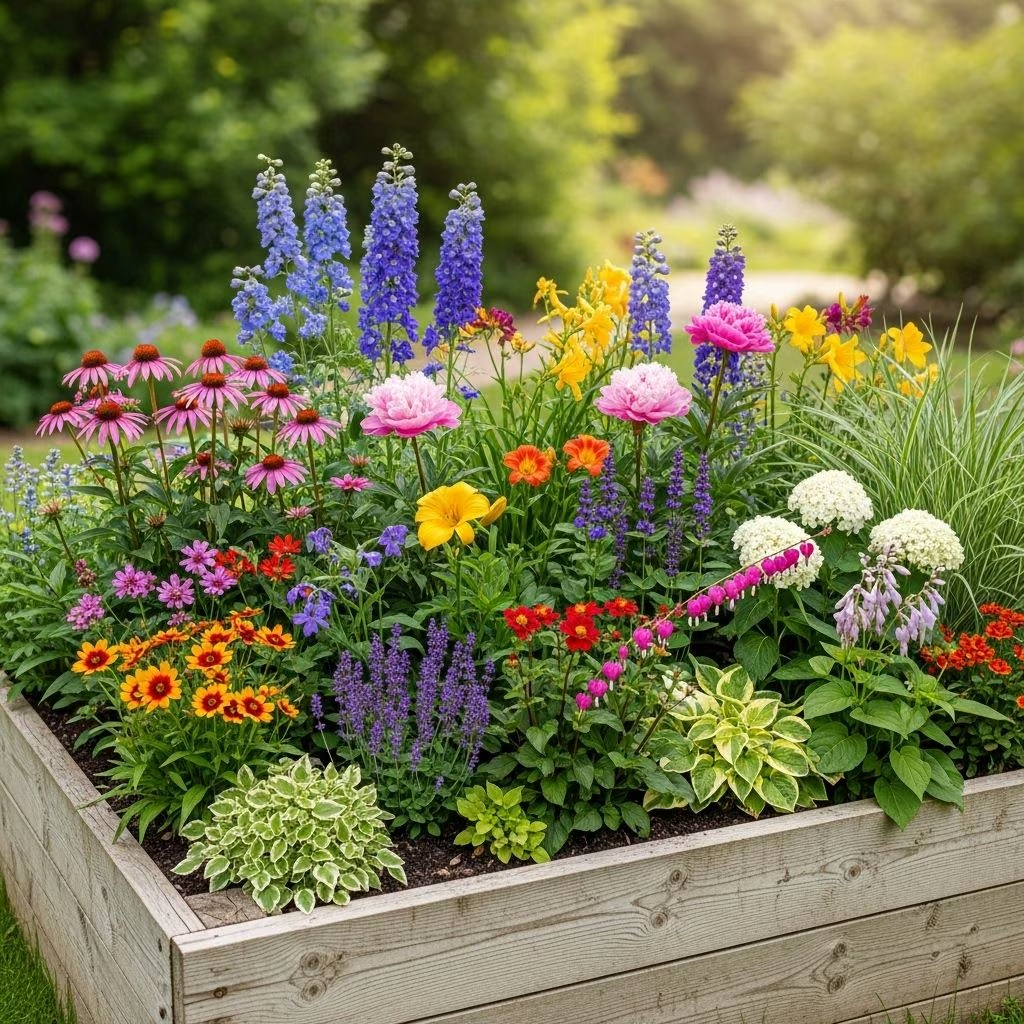
Raised garden beds are rapidly becoming the preferred method for both novice and experienced gardeners looking to cultivate vibrant perennials. Besides being extremely versatile, raised beds help control soil quality, drainage, and light exposure, making them suitable for a dramatic range of flowering plants year after year. Whether gardening on a patio, porch, or across a traditional yard, choosing the right perennials ensures sustained beauty, reduced maintenance, and dependable winter interest.
Why Plant Perennials in Raised Beds?
- Improved Soil Control: Fill your beds with custom blends of soil and organic matter, avoiding the pitfalls of poor native soils.
- Enhanced Drainage: Raised beds allow for quick drainage, which perennials like lavender or sedum thrive on.
- Flexible Placement: Install raised beds in sun or shade to broaden the palette of plant choices—grow shade lovers like hostas even if your yard is mostly sunny by strategic placement.
- Reduced Weeding and Pests: Lining the bottom with weed fabric or hardware cloth deters weeds and burrowing pests, helping plants establish undisturbed roots.
- Long-Term Beauty: Many perennials offer blooms, foliage, or seed heads that persist into winter, providing interest even in the off-season.
Choosing Your Raised Bed and Getting Started
- Material Options: Raised beds come in wood, metal, and composite. Metal beds such as 6-in-1 modular designs offer superior durability and modern appeal. Wooden beds provide a classic look and are easy to assemble or build at home.
- Bed Depth: Most perennials thrive in beds that are at least 12-15 inches deep—deeper (up to 29 or 30 inches) if you want ease of access or to accommodate deep-rooted species.
- Site Preparation: Place weed or landscape fabric underneath to prevent weed invasion and protect surfaces if setting on patios or decks. Add rich, well-amended soil and you’re ready to plant.
27 Perennials Perfect for Raised Beds
Below is a curated list of flowering perennials suited for raised bed gardens based on adaptability, color, long-blooming periods, and minimal space requirements.
- Hosta (Hosta spp.) – Best in shade. Known for lush foliage. A go-to for raised beds in shadier locations.
- Daylily (Hemerocallis) – Resilient, with repeat blooms through summer. Wide variety of colors.
- Stonecrop (Sedum spp.) – Especially ‘Autumn Joy’. Thrives in sun, drought-tolerant, adds winter interest with its dried flower heads.
- Astilbe – Thrives in part shade and moist soil. Plumes add soft texture.
- Coneflower (Echinacea) – Easy to grow, beloved by pollinators, bold colors.
- Coreopsis – Sunny yellow flowers, long bloom period, thrives in well-drained soil.
- Black-Eyed Susan (Rudbeckia) – Classic summer color, reliable and drought-tolerant.
- Salvia – Vertical spikes, loved by hummingbirds, drought-tolerant once established.
- Shasta Daisy (Leucanthemum) – Classic white flowers, tidy mounding habit.
- Cranesbill Geranium – Compact, adaptable, and often reblooms.
- Bleeding Heart (Dicentra) – Ideal for cool, shady corners. Intriguing heart-shaped flowers.
- Catmint (Nepeta) – Low, spreading plant with bluish flowers, attracts pollinators.
- Peony – Showy blooms, can live in the same raised bed for decades with little care.
- Iris – Swordlike leaves and dramatic early blooms; good drainage is essential.
- Heuchera (Coral Bells) – Colorful foliage, great in both sun and shade.
- Phlox – Tall or creeping varieties, blooms in a range of colors.
- Penstemon – Spiky flowers, prefers dry, well-draining soil.
- Russian Sage – Tall, airy lavender-blue flowers, tolerates poor soil and drought.
- Yarrow (Achillea) – Flat-topped flowers, drought-hardy, comes in many colors.
- Bee Balm (Monarda) – Vibrant, fringed flowers, attracts pollinators.
- Lamb’s Ear (Stachys byzantina) – Silvery-fuzzy foliage, excellent for edge planting.
- Lavender (Lavandula) – Fragrant and tough, must have excellent drainage.
- Hellebore – Early-spring blooms with deer- and rabbit-resistance.
- Campanula – Bell-shaped flowers, many forms from ground cover to upright.
- Brunnera – Heart-shaped leaves, delicate blue flowers in spring, suited for shade.
- Japanese Anemone – Late-season blooms, best in partly shaded raised beds.
- Pulmonaria (Lungwort) – Spotted foliage, shade-loving spring bloomer.
Tips for Planting and Raising Perennials in Raised Beds
- Spacing: Respect each perennial’s mature spread. Avoid crowding to promote air flow and reduce disease.
- Layer Heights: Place taller varieties at the center or northern edge; lower growers should occupy the front or southern edge for best light capture.
- Soil Amendment: Blend in compost and slow-release granular fertilizers, especially for heavy bloomers like peonies and lilies.
- Mulching: Use organic mulch to retain moisture and control weeds, but leave a gap around crowns to prevent rot.
- Watering: While raised beds offer excellent drainage, monitor moisture especially during sun and wind exposure; perennials in metal beds may dry out faster in summer.
- Winter Protection: Many perennials remain hardy with a layer of mulch; stonecrop and grasses retain decorative stems all winter.
Ideal Raised Bed Layouts for Perennial Gardens
The design of your raised bed garden should suit your space, style, and maintenance needs. Here are some popular layout approaches:
| Layout Style | Features | Best For |
|---|---|---|
| Classic Rectangle | Simple rows, easy to manage and expand; great for organization. | Traditional flower beds, straightforward plantings. |
| Square Foot Grid | Each bed divided into 1-ft squares using string or markers. Promotes plant separation and maximizes space. | Precision gardening, smaller or urban spaces, avoiding overcrowding. |
| U-Shaped | Allows access from multiple sides; perfect for larger perennial collections. | Accessibility, intensive planting, maximizing reach. |
| Accessible Table Beds | Beds elevated to waist height for easy care. Often 15–30 inches deep for root space. | Gardeners with mobility challenges, small patios. |
| Freeform & Modular | Flowing, customized shapes using modular metal or wood beds, adapting to tricky spaces. | Creative or decorative gardens, adapting to slopes or corners. |
Design Tips:
- Group perennials with similar water and sunlight requirements in the same bed for easier maintenance.
- Use vertical elements such as obelisks or trellises in the center or back of deeper beds to support climbers like clematis or tall phlox.
- Consider incorporating bulbs, ornamental grasses, or annuals for overlapping displays of color.
- Space beds with at least 24–36 inches between for access if possible.
- Select materials (wood, metal, composite) based on climate and aesthetics—metal beds offer longevity and hold warmth, while wood is classic and can be painted or stained.
Seasonal Care and Maintenance
- Spring: Remove mulch; divide overcrowded perennials; fertilize with slow-release plant food.
- Summer: Deadhead faded flowers; monitor moisture; check for pest or fungal problems early.
- Autumn: Cut back dead stems only as needed; leave seed heads of sedum or ornamental grasses for winter interest.
- Winter: Top up mulch for insulation; minimal intervention needed as most perennials rest.
Expert Tips for Year-Round Raised Bed Beauty
- Choose perennials with multi-season interest—either by blooming at different times or offering attractive foliage and seed heads.
- Rotate or replenish a few perennials periodically to freshen combinations year after year.
- Mix annuals among perennials for instant seasonal color and fill empty gaps while young perennials mature.
- For rental or portable gardens, use raised beds that can be disassembled or relocated as needed.
Frequently Asked Questions (FAQs)
Q: Can all perennials grow well in raised beds?
A: Most perennials perform exceptionally in raised beds, especially those that need improved drainage or have compact growth. However, very large or aggressive spreaders may require individual beds or in-ground spots to thrive.
Q: How deep should a raised bed be for perennials?
A: A minimum of 12–15 inches is generally sufficient for most perennials, but beds up to 29–30 inches offer easier access and suit deep-rooted varieties.
Q: What perennials are best for drought-prone raised beds?
A: Stonecrop (Sedum), lavender, Russian sage, and yarrow are top choices for dry, sunny beds due to their drought tolerance and resilience.
Q: Can I grow shade-loving perennials in raised beds?
A: Absolutely. By placing your raised beds in shadier parts of your yard, you can cultivate hostas, hellebores, pulmonaria, and other shade lovers even if your natural soil or previous beds were too sunny.
Q: How can I add winter interest to my raised perennial beds?
A: Include plants like sedum, ornamental grasses, or coneflower, which retain dried seed heads and interesting structure through winter. Many perennials also leave attractive, frosted foliage or stems after dying back.
Design Inspiration and Further Ideas
- Try themed beds: butterfly gardens, cutting flower beds, or native perennial collections.
- Combine ornamental edibles such as chives or lavender with classic perennials for practical and beautiful beds.
- Utilize companion planting strategies to suppress pests and promote healthy growth.
- Cycle in new varieties every couple of years for ongoing interest and adaptation.
Conclusion: Create a Lasting Floral Legacy with Raised Beds
Raised beds unlock opportunities for every gardener—regardless of yard size or soil quality—to enjoy the long-lived color, fragrance, and pollinator activity of perennials. Choose from dozens of top-performing varieties, tailor your beds for sun or shade, and revel in a living tapestry that returns stronger each year.