How to Plant, Grow, and Care for Patchouli
Patchouli (Pogostemon cablin) is a lush, deeply aromatic herb famous for its earthy fragrance and widely used essential oils. Though closely related to other members of the mint family, patchouli is a tropical plant requiring warmth and humidity to thrive. In this detailed guide, you’ll discover how to plant, grow, and care for patchouli, as well as its many uses and answers to common questions about this unique herb.
What Is Patchouli?
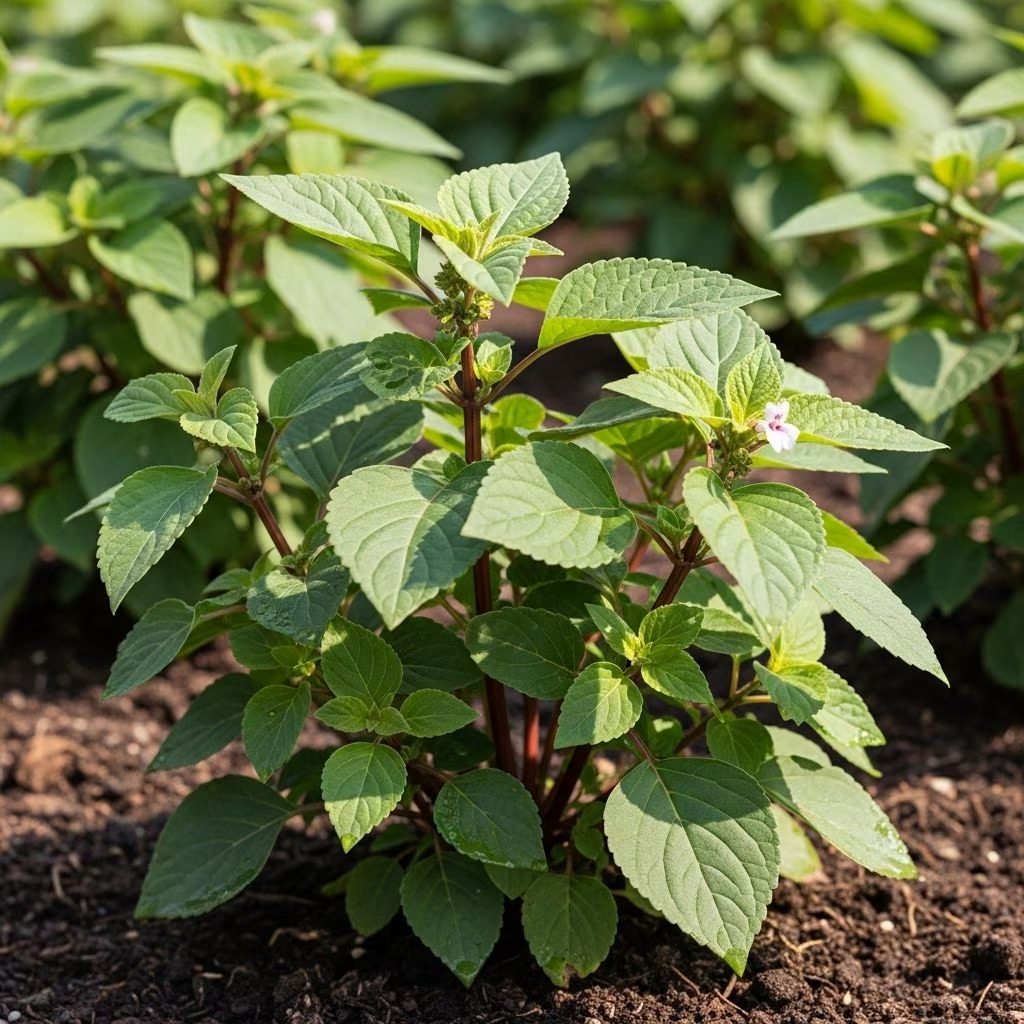
Patchouli is a tropical perennial herb belonging to the mint family (Lamiaceae), native to hot, humid regions of Asia. Its leaves contain oil glands that release the iconic “musky, earthy” scent for which patchouli is known. Historically, patchouli oil has played an important role in perfumery, incense blends, aromatherapy, and even insect repellent formulas.
- Family: Mint (Lamiaceae)
- Origin: Southeast Asia
- Growth habit: Herbaceous, bushy, can reach 2–3 feet tall in the right conditions
- Foliage: Soft, textured leaves with a spicy, earthy aroma
- Hardiness: Frost-tender (cannot survive hard frost)
Patchouli is valued for its essential oils and is often grown for creating homemade incense, smudge sticks, or tisane (herbal tea).
Patchouli Plant Overview
| Feature | Details |
|---|---|
| Botanical Name | Pogostemon cablin |
| Family | Lamiaceae (mint family) |
| Lifespan | Tender perennial in tropics; annual in frosty climates |
| Height | Up to 2–3 feet (60–90 cm) |
| Flower Color | Small, pale pink or white |
| Primary Uses | Essential oil, incense, natural insect repellent, herbal remedies |
Why Grow Patchouli?
- Fragrance: The aromatic leaves are prized for their unique, earthy perfume.
- Aromatherapy: The essential oil is soothing and relaxing, commonly used to dispel stress.
- Insect repellent: Natural compounds in the leaves deter mosquitoes and other pests.
- Medicinal uses: Traditionally used for its purported skin, mood, and digestive-supporting properties.
- Decorative value: Lush, textured leaves add interest to garden beds or container arrangements.
How to Plant Patchouli
Patchouli can be started from seed, cuttings, or by purchasing young nursery plants. Consider your local climate: patchouli is frost-sensitive and thrives in consistently warm, humid environments.
Start from Seed or Cuttings
- Seeds: Sow seeds indoors in early spring. Because patchouli seeds are tiny, gently press onto the surface of moist seed starting mix—do not cover deeply.
- Cuttings: Take 4–6 inch tip cuttings from healthy plants. Strip lower leaves and root them in water or moist potting mix.
Young plants can be transplanted outdoors after the danger of frost has passed.
Choosing a Planting Location
- Indoors: Containers let you control temperature and humidity. Choose a bright location with filtered sunlight.
- Outdoors: In zones 10–12, patchouli grows well in garden beds. Select a spot with partial shade, especially protected from harsh midday sun.
- Soil: Use rich, well-draining soil high in organic matter. Patchouli dislikes soggy roots.
- Spacing: Allow 18–24 inches between plants to ensure good airflow.
Spring is the best time to transplant seedlings outdoors or start new container plants.
Care Requirements for Patchouli
Light
Patchouli prefers partial shade in most climates. Bright, indirect light encourages bushy growth, while too much direct sun can scorch the sensitive foliage. Indoors, place near a bright, east- or north-facing window. Outdoors, morning sun and afternoon shade are ideal.
Temperature & Humidity
- Temperature: Prefers 65–85°F (18–29°C). Temperatures below 50°F (10°C) cause stress.
- Humidity: Thrives in high humidity. If growing indoors, group with other houseplants or use a pebble tray to boost moisture.
Watering
Consistent moisture is key, but avoid waterlogged soil. Water when the top inch of soil feels dry. Droopy leaves often signal a need for water. Use room-temperature water to prevent root shock.
Feeding
- Fertilizer: Feed lightly every 4–6 weeks during the growing season with a balanced, diluted liquid fertilizer for herbs.
Pruning and Maintenance
- Pinch back tips regularly to encourage branching and bushiness.
- Remove any yellow or damaged leaves to keep the plant healthy.
- Cut back flowering stems after blooming to encourage new leaves.
Repotting and Overwintering
Patchouli enjoys being slightly root bound. Repot only when roots fill the container. In frost-prone regions, bring containers indoors before fall or propagate new cuttings as insurance. Reduce watering in winter and provide as much light as possible.
Common Problems and Solutions
- Yellowing leaves: Usually signifies overwatering or cold shock.
- Legginess: Indicates not enough light; move to a brighter location or use a grow light.
- Root rot: Caused by soggy, poorly-draining soil. Ensure proper drainage and let the soil dry partly between watering.
- Pests: Watch for spider mites, aphids, and mealybugs. Control with insecticidal soap or neem oil if necessary.
Harvesting Patchouli
- Harvest leaves anytime once the plant is established and at least 8 inches tall.
- Morning, after dew evaporates but before the sun is strong, is best for maximum aroma.
- Use clean scissors to snip individual leaves or branches.
Leaves are most aromatic just before flowering. If you plan to use patchouli for essential oil, dry harvested material on screens out of direct sunlight then process as needed.
How to Use Patchouli
- Essential oils: Steam-distilled from dried leaves for personal fragrance, aroma diffusers, or custom blends.
- Incense and smudge sticks: Bind dried leaves into sticks for herbal cleansing rituals.
- Herbal teas: Use dried (or fresh, milder) leaves for earthy, grounding infusions.
- Potpourri: Add to dried flower mixes for an enduring scent.
- Insect repellent: Scatter dried leaves to repel moths and mosquitoes from closets, drawers, and outdoor seating.
Phytochemistry and Health Benefits
Patchouli contains a complex bouquet of compounds, including patchoulol (responsible for its signature scent), sesquiterpenes, flavonoids, and organic acids. The essential oil is widely used in aromatherapy to reduce stress, calm nerves, and as a mood enhancer. Topical preparations and soaps may offer soothing benefits for skin.
Propagating Patchouli
- Cuttings: The easiest way. Take tip cuttings, root in water, and transplant to soil once roots develop.
- Layering: Bend a low branch to the soil, secure, and allow roots to form before cutting from the parent plant.
- Seed: Less common, as germination can be slow and erratic. Use only fresh seed for best success.
Patchouli in the Garden
- Plant among other herbs and flowers for texture and aroma.
- Use as an accent in shady beds or go tropical in container groupings with ferns, begonias, and orchids.
- Companions: Grows well with other moisture-loving herbs.
Frequently Asked Questions (FAQs)
Q: Is patchouli easy to grow?
A: Yes, patchouli is considered low-maintenance and grows well in containers. It thrives as long as it’s kept warm and protected from frost.
Q: Can I grow patchouli outside in a temperate climate?
A: Patchouli is frost-tender; it can be grown outdoors in warm summer months but must be brought inside for winter or grown as an annual.
Q: What are the most important care tips for patchouli?
A: Give it filtered light, consistent moisture, humidity, and protect it from cold or sudden drafts.
Q: What is patchouli used for?
A: Patchouli is primarily grown for its fragrant leaves used in essential oils, incense, aromatherapy, and as a natural insect repellent.
Q: How can I get bushy growth on my patchouli?
A: Regularly pinch back tips to encourage the plant to branch out and become fuller.
Key Takeaways
- Patchouli thrives in warm, humid environments—make sure to avoid frost and overwatering.
- Choose a partially shaded location, whether growing indoors or outside.
- Start from seed, cuttings, or young plants. Keep the soil moist, not soggy.
- Harvest and use the leaves for fragrance, herbal teas, incense, or to repel insects.
References
- https://www.epicgardening.com/patchouli/
- https://northerngardener.org/growing-patchouli-herb-garden/
- https://pmc.ncbi.nlm.nih.gov/articles/PMC6272783/
- https://toptropicals.com/cgi-bin/store/blog_entry.cgi/href=https:/toptropicals.com/%3Ciframeclass=?entry=1747249464&num=10&find=Remedies
- https://www.epicgardening.com/gardening/edible/herbs/page/5/