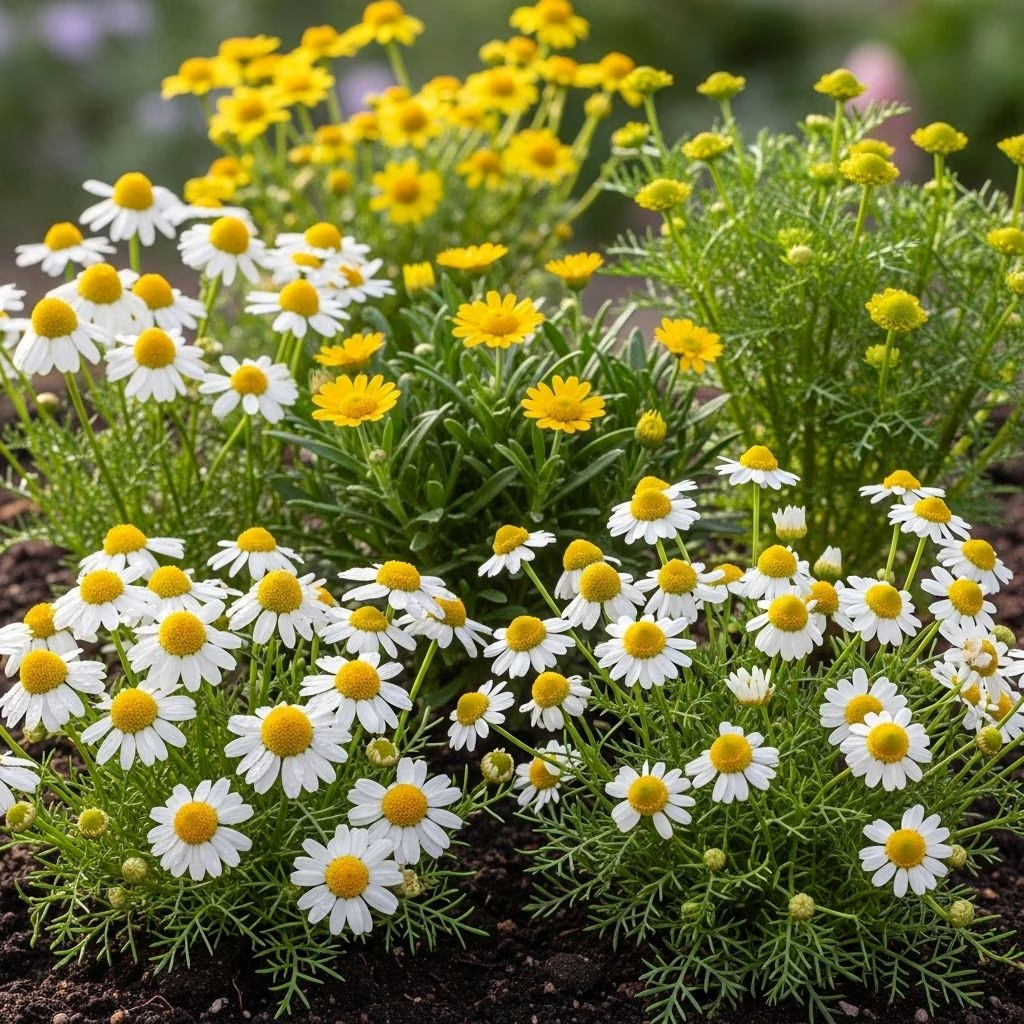
Chamomile is beloved by gardeners and herbalists alike for its fragrant, daisy-like flowers and calming herbal uses. But choosing the right type of chamomile for your garden isn’t always straightforward. While you might be familiar with the classic yellow-and-white blooms in tea blends, there are several species and cultivars, each with distinct growth habits, uses, and appearances. This comprehensive guide explores five popular types of chamomile you can plant at home, how to identify them, grow them successfully, and enjoy their many benefits.
Chamomile Overview: Key Facts
Chamomile refers to several related plants in the Asteraceae (daisy) family. While they share similar daisy-like flowers and a sweet, sometimes apple-like fragrance, different species vary in their growing habits, flavors, essential oil composition, and suitability for tea, lawns, or landscaping. The most widely cultivated types are German chamomile and Roman chamomile, but there are also lesser-known relatives and unique cultivars prized for differing traits.
- Most chamomile types grow best in full sun and well-draining soil.
- Flowering period is generally late spring through summer.
- All types attract pollinators and provide culinary or medicinal value.
German Chamomile (Matricaria chamomilla)
German chamomile is the classic annual herb most commonly used for teas and medicinal preparations. Tall and upright, it produces masses of tiny, sun-loving flowers with a sweet, apple-like scent.
- Botanical name: Matricaria chamomilla (syn. Matricaria recutita)
- Height: 12-24 inches
- Growth habit: Erect stems with fine, feathery foliage
- Life cycle: Annual (reseeds easily)
- Native to: Eastern Europe, naturalized in temperate regions
- Hardiness zones: 2-8
- Sun requirements: Full sun
- Common uses: Herbal tea, aromatherapy oils, edible flower garnish, pollinator attraction
The golden, hollow-centered blossoms are highly fragrant and richer in chamazulene—a key medicinal essential oil—than other types. German chamomile readily self-seeds, often persisting in garden beds for years. If you crave abundant, easily harvested blooms for tisanes or essential oils, German chamomile is the top choice.
‘Zloty Lan’ German Chamomile
The ‘Zloty Lan’ is a standout cultivar of German chamomile, bred for its prolific flowering and especially high essential oil content. Gardeners and commercial growers value ‘Zloty Lan’ for maximizing flower harvests intended for tea and extraction purposes.
- Botanical name: Matricaria recutita ‘Zloty Lan’
- Height: 12-24 inches
- Hardiness zones: 2-8
- Vigor: Rapid growth, heavy flowering
- Best for: Dedicated chamomile gardens, large-scale tea and oil production
If you see “Polish chamomile” on a seed packet, it likely refers to this variety. ‘Zloty Lan’ is ideal for gardeners wanting maximum productivity and robust flavors.
Roman Chamomile (Chamaemelum nobile)
Roman chamomile is a perennial species, sometimes called English chamomile, with a low, sprawling growth ideal for groundcovers or herb lawns.
- Botanical name: Chamaemelum nobile
- Height: 3-6 inches
- Life cycle: Perennial
- Native to: Europe, North Africa
- Hardiness zones: 5-8
- Sun requirements: Full sun, tolerates some light shade
- Growth habit: Spreading, mat-forming
- Common uses: Ornamental groundcover, fragrant lawns, tea (less often than German)
Roman chamomile produces fewer but larger flowers, offering the same soothing qualities as German chamomile, though with a milder flavor. Its resilience and pleasant scent make it a favorite for walkable plantings along paths or cottage gardens, where it forms a lush, green mat dotted with blossoms.
Pineapple Weed (Matricaria discoidea)
Pineapple weed is a rugged, wild species thriving in disturbed areas and compact soils. Visually similar to German chamomile but noticeably lacking white petals, its green-yellow flower heads emit a unique, fruity pineapple aroma when crushed.
- Botanical name: Matricaria discoidea
- Height: 2-12 inches
- Life cycle: Annual
- Distribution: Native to northeast Asia, common in North America
- Best for: Wild gardens, foraging, tough soils
- Flower features: Cone-shaped yellow flower heads, no petals
- Scent: Distinct pineapple fragrance
Pineapple weed flowers and leaves have culinary and herbal uses, often added to wild teas. It is highly adaptable and a great conversation starter for cottage or wildflower gardens.
Stinking Chamomile (Anthemis cotula)
Stinking chamomile—aptly named—emits a pungent aroma not appreciated in culinary gardens, but it’s important for proper chamomile identification. Frequently found in fields or disturbed soils, it closely resembles true chamomile to the untrained eye but is not edible or medicinal.
- Botanical name: Anthemis cotula
- Height: 12-24 inches
- Flower features: Daisy-like flowers similar to German chamomile
- Aroma: Pungent, unpleasant
- Life cycle: Annual
- Toxicity: Generally considered toxic; not for consumption
Identification tip: Cut open the flower head – the receptacle of German chamomile is hollow, while stinking chamomile’s is solid. Avoid confusing stinking chamomile with edible types.
Comparison Table: German vs. Roman Chamomile
| Characteristic | German Chamomile (Matricaria chamomilla) | Roman Chamomile (Chamaemelum nobile) |
|---|---|---|
| Life Cycle | Annual (reseeds) | Perennial |
| Height | 12–24 inches | 3–6 inches |
| Growth Habit | Upright, branching | Low, mat-forming |
| Native Range | Europe, Asia | Western Europe, N. Africa |
| Hardiness Zones | 2-8 | 5-8 |
| Flower Size | Small, abundant | Larger, fewer |
| Best Use | Tea, essential oil, edible garnish | Groundcover, ornamental lawns, mild tea |
| Essential Oil Content | High (especially ‘Zloty Lan’) | Moderate |
Chamomile Growing Tips
Whether sowing for a fragrant tea patch or a charming perennial lawn, chamomile is remarkably easy to grow. Here’s how to get the best from your chosen varieties:
- Site selection: Choose a spot with full sun for best flower production. Roman chamomile will tolerate some afternoon shade, especially in warmer climates.
- Soil: All types prefer light, well-drained soils. Amend heavy soils with compost or sand.
- Sowing: Chamomile can be direct-sown outdoors as soon as the soil is workable in spring, or started indoors 4–6 weeks before the last frost.
- Seed depth: Surface-sow and press seeds lightly—chamomile needs light to germinate.
- Germination: Seeds sprout in 7–15 days at soil temperatures of 65–85°F (18–29°C).
- Watering: Keep seedlings moist until established, then water only during dry spells—most types are drought-tolerant as adults.
- Spacing: Thin seedlings so mature plants have adequate space (8–18 inches, depending on type).
- Maintenance: Deadhead regularly to prolong blooming and encourage reseeding.
- Propagation: Roman chamomile may be propagated by cuttings or division for groundcover lawns. Annual types (German, ‘Zloty Lan’, pineapple weed) are best from seed.
Harvest and Uses
- Harvesting: Harvest flower heads as they fully open, usually from late spring through midsummer. Pick regularly to prolong yield.
- Drying: Dry flowers in a well-ventilated, shaded area for long-term storage.
- Uses: Chamomile blooms are ideal for calming teas, infusions, bath soaks, potpourri, and herbal remedies. Use Roman chamomile for fragrant pathways and edible flower accents.
Frequently Asked Questions
Q: Which chamomile is best for tea?
A: German chamomile (including ‘Zloty Lan’) is the preferred choice for tea due to its higher essential oil content and classic soothing flavor.
Q: Can Roman chamomile be used for tea?
A: Yes, Roman chamomile can be brewed for tea, though it produces a milder taste and is more often grown for its ornamental groundcover qualities.
Q: How do I identify edible chamomile compared to toxic lookalikes?
A: German and Roman chamomile have sweet, apple-like fragrances; stinking chamomile (Anthemis cotula) emits a pungent odor and is not edible. The flower head’s receptacle is hollow in German chamomile and solid in stinking chamomile.
Q: Can I grow chamomile in containers?
A: Absolutely. Both German and Roman chamomile thrive in pots with well-drained, sandy soil and plenty of sunshine.
Q: Do I need to replant chamomile every year?
A: German chamomile is an annual, but often self-seeds. Roman chamomile is a perennial and will return year after year if conditions are favorable.
Conclusion
Chamomile’s popularity as a garden herb stems from its versatility, attractive flowers, and soothing plant compounds. By choosing among German, Roman, ‘Zloty Lan’, pineapple weed, or groundcover types, you can enjoy both beauty and bounty in your home landscape. Remember to confirm correct species, especially when foraging or purchasing from a new supplier, to avoid unpleasant or toxic lookalikes. With minimal effort, chamomile will reward you with ornamental charm and a harvest of fragrant blooms for delicious herbal uses all season long.