15 Stunning Window Box Ideas to Transform Your Home
Window boxes evoke timeless charm, connecting your interior spaces to the natural world outside. More than simple planters, they are opportunities to showcase colorful blooms, lush foliage, fragrant herbs, or seasonal arrangements—all within easy sight and scent. In this guide, we’ll present essential window box design principles, the beauty of seasonal rotations, and 15 inspiring plant combinations that will make your home stand out.
Why Choose Window Boxes?
Window boxes have graced homes for centuries, from ancient Rome’s city apartments to the storybook villages of Europe. Today, they remain popular because they:
- Add vertical interest and connect living spaces to the outdoors
- Soften architectural features and highlight home design
- Provide a mini-garden for flowers, herbs, and even small vegetables
- Offer four-season beauty through creative planting schemes
- Invigorate balconies, fences, walls, porches, and railings
Expert container gardeners use the same design rules for window boxes as for other containers, focusing on a dynamic mix of focal-point plants (“thrillers”), fillers, and trailing or cascading varieties (“spillers”).
Window Box Planting Tips
- Use high-quality potting mix for good drainage. Amend with organic compost for extra nutrition.
- Design combinations to complement your home – echo hues from your facade, trim, or garden palette.
- Consider sun and wind exposure: Choose sun-loving or shade-tolerant varieties as needed.
- Fertilize regularly, especially for annuals that produce prolific blooms.
- Water thoroughly, as window boxes can dry quickly, especially in full sun or wind.
- Layer plants for a lush look: tall or upright species in the back, medium filler in the center, and cascading plants up front.
Year-Round Window Box Beauty
Window boxes need not be limited to just the spring or summer. Plan for continuous appeal:
- Spring: Cool-season annuals like violas, pansies, and tulips greet the season.
- Summer: Heat-lovers explode with rich color—think petunias, geraniums, lantana, and trailing vines.
- Fall: Swap in mums, ornamental kale, and pansies, keeping the look fresh with autumnal tones.
- Winter: Evergreen boughs, berries, pinecones, and cold-hardy evergreens maintain structure and texture.
15 Inspiring Window Box Planting Ideas
Each combination below is designed to maximize color, texture, and visual impact while accommodating a range of exposures and climates.
1. Pansies and Violas: Spring’s Sweetest Blooms
| Botanical Name | Viola spp. |
|---|---|
| Sun | Full sun to partial shade |
| Height | 6″ |
| Zones | 1–10 |
Mix colorful pansies and violas for cheerful, compact color. These cool-weather favorites thrive early in spring or in autumn, offering a palette that can be matched to any exterior. For added fragrance and texture, interplant with trailing alyssum or creeping Jenny.
2. Geraniums and Ivy: Classic Summer Charm
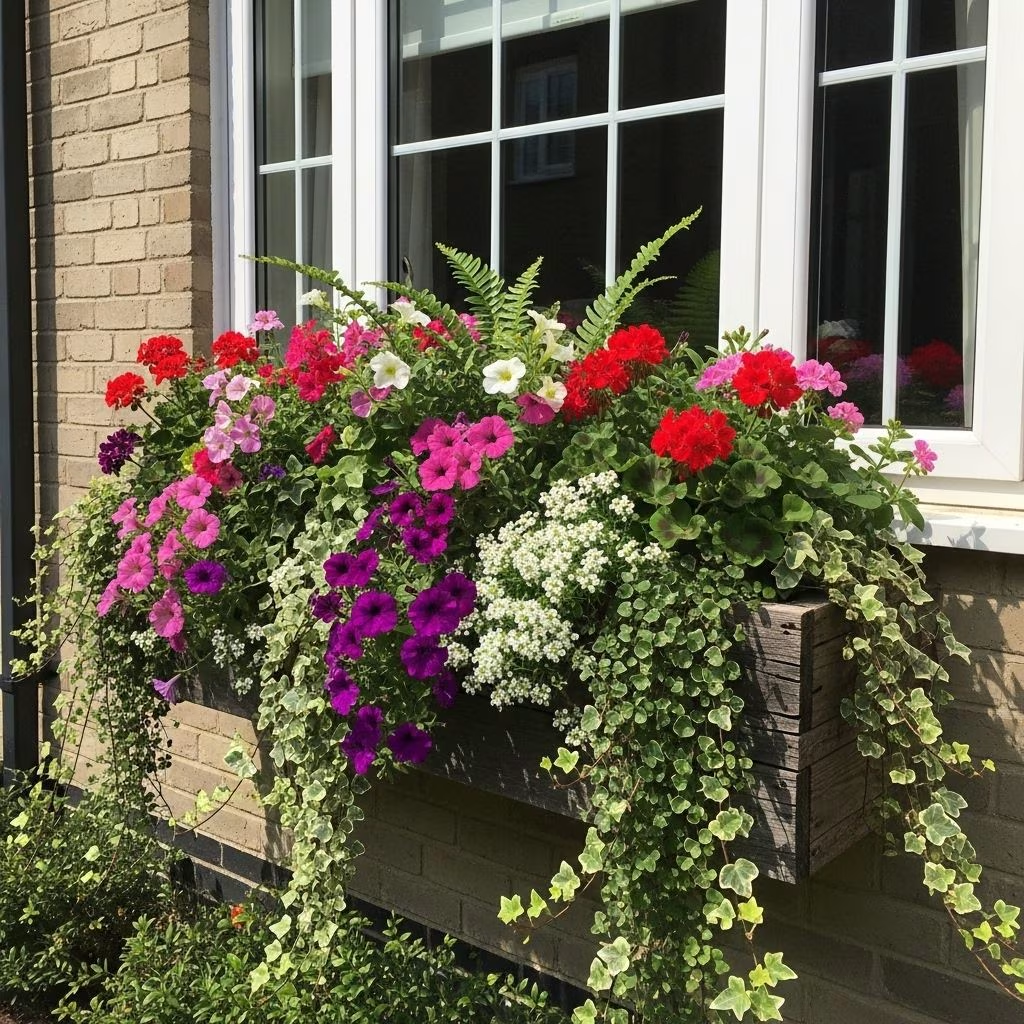
Cascade classic red or pink zonal geraniums with English ivy for a look inspired by European cottages. Geraniums provide upright blooms and drama, while ivy trails over the box edge. Add variegated vinca or trailing lobelia for extra movement and color.
3. Petunias and Bacopa: Overflowing Color
Choose a bold petunia color (purple, white, or pink) and layer with trailing white bacopa. This duo is unbeatable for vibrant color and full, abundant growth. For extra impact, tuck in a spike of dracaena for height.
4. Coleus and Sweet Potato Vine: Bold Foliage Contrasts
Not just for flowers—incorporate striking foliage! Brightly patterned coleus varieties and chartreuse or deep purple sweet potato vine provide an eye-catching display, especially in partial shade. Nestle in a few begonias for pops of color.
5. Lavender and Dusty Miller: Mediterranean Vibes
Layer aromatic lavender with silvery dusty miller for a sun-loving, textured look. Add trailing verbena or calibrachoa in purple or pink to invite pollinators and maintain a lush, full effect.
6. Calibrachoa and Verbena: Cascading Abundance
Mini-petunia calibrachoa combined with draping verbena deliver non-stop color and form. Mix several Calibrachoa hues—yellow, coral, violet—and pair with complementary verbena for an exuberant spilling effect.
7. Begonias and Heuchera: Shade-Lover’s Haven
For shaded windows, blend showy wax or tuberous begonias with the scalloped leaves of coral bells (Heuchera). Choose contrasting leaf colors—burgundy and lime—for maximum pop. Add carex or ferns for additional movement and grace.
8. Drought-Tolerant Mix: Heat-Proof Radiance
- Lantana (rose and orange forms)
- Geraniums (orange or sunrise)
- Gazania (‘Orange Flame’)
This combination endures summer heat and occasional neglect, thriving in sun-baked exposures. Lantana and gazania are prolific bloomers, and pelargoniums (geraniums) add upright color. Use in shallow or hard-to-water boxes for a resilient display.
9. Succulents and Sedums: Modern, Low-Maintenance
Fill your box with a tapestry of rosette succulents (echeverias, sempervivum), trailing sedums, and faux-stone mulch. Ideal for contemporary homes and dry climates, these selections require minimal watering and are nearly indestructible.
10. Sunlit Herb Garden: Edible Beauty
- Basil (Genovese or purple varieties)
- Thyme
- Parsley
- Oregano
- Trailing rosemary
Combine fragrant and culinary herbs in a sun-drenched box that’s both attractive and functional. The fine textures and subtle blossoms attract bees and add culinary possibilities just outside your window.
11. Culinary Greens for Shade
- Leaf lettuce or oak-leaf lettuce
- Arugula
- Chives
- Mache (corn salad)
Even shady exposures can host tasty crops. Mix leafy greens with edible flowers like nasturtiums or pansies for a decorative and harvestable display.
12. Autumn Glory: Fall-Forward Flair
- Chrysanthemums (mums) in rich oranges and reds
- Ornamental cabbage or kale
- Pansies or violas for late-season color
Swap in seasonal favorites as summer fades. Autumnal tones provide warmth and welcome, especially paired with rustic containers or pumpkin accents nearby.
13. Winter Greenery: Evergreen Structure
- Dwarf boxwood or dwarf Alberta spruce
- Trailing ivy
- Sprigs of red-berried holly, winterberry, or pinecones
Maintain curb appeal through the cold months with evergreens and decorative seasonal elements. Switch in holiday accents (e.g., ribbon, branches) after autumn blooms fade.
14. Monochrome Magic: Unified Color Schemes
Tightly coordinate flower and leaf color for sophisticated impact. Use various plants with purple or pink blooms (petunias, calibrachoa, verbena, or sweet alyssum) for a mono-hue, high-style look that complements painted shutters or trim.
15. Pollinator Paradise: Invite Bees, Hummingbirds & Butterflies
- Zinnias, cosmos, salvia (for bold color and nectar)
- Lantana or petunias for hummingbirds
- Trailing sweet alyssum and verbena for bees and butterflies
Create a living feeder for pollinators by mixing nectar-rich varieties of assorted heights and forms. Not only does this boost biodiversity, but it brings your window to life with fluttering visitors.
Design Strategies for Showstopping Window Boxes
- Thriller: Choose a bold, upright plant (e.g., spikes, geraniums, mums).
- Filler: Bushy, mid-height plants with lots of blooms (petunias, calibrachoa, begonias).
- Spiller: Trailing plants (ivy, sweet potato vine, bacopa, lobelia) finish the look.
Don’t hesitate to substitute or rotate plants by season to keep boxes looking lavish. Play with plant height, color, and leaf size for a dynamic result.
Window Box Care and Maintenance Essentials
- Water generously in the morning, check soil moisture daily—especially in warm, windy weather.
- Feed regularity: Use slow-release fertilizer at planting and supplement with liquid feed every 1–2 weeks for heavy bloomers.
- Deadhead spent flowers to promote fresh blooms and maintain a tidy look.
- Replace tired plants midseason for continued vibrancy.
Beyond Windows: Creative Box Placement Ideas
- Attach along fence lines for lush privacy screens.
- Mount on balcony or porch railings for elevated color.
- Hang on blank exterior walls to break up monotony.
- Cluster multiple boxes along garden paths or terraces to create designer flow.
Frequently Asked Questions (FAQs)
Q: What is the best material for a window box?
A: Choose materials that match your style and climate such as wood (classic, paintable), metal (modern, durable), or composite plastic (lightweight, weather-resistant). Ensure boxes have drainage holes.
Q: How often should I water my window boxes?
A: Water daily in hot weather, every 2–3 days in cooler seasons, or as needed when soil dries out. Window boxes dry out faster than ground beds.
Q: Can I grow vegetables in a window box?
A: Absolutely. Leafy greens, herbs, cherry tomatoes, and even compact peppers work well if the box receives sufficient sun and roots have space.
Q: How do I keep my window box looking good all season?
A: Feed regularly, water as needed, deadhead spent flowers, rotate tired plants, and replace with new ones for succession planting.
Q: Do I need to line a window box?
A: Lining with landscape fabric can help soil retain moisture and prevent rot in wooden boxes without inhibiting drainage.
Expert Tips for Success
- Mix annuals and perennials: Annuals give vivid color, perennials provide year-round structure.
- Blend scents, colors, and textures: Fragrant herbs, textural foliage, and multi-hued flowers offer multisensory appeal.
- Switch up for the season: Refresh plantings in spring and fall to keep displays lively.
- Don’t overcrowd: Give each plant room to grow and thrive for a lush, healthy look.
Get Inspired—Your Window Box Awaits!
Whether your taste leans classic or modern, lush or minimalist, window boxes provide a canvas for creativity and a daily connection to garden beauty. With smart planning and the right plant combinations, you can add year-round curb appeal and a burst of joy to every view—from inside and out.