How to Grow Luffa: From Seed to Sponge
The luffa plant, also known as loofah or sponge gourd, is a remarkable annual vine from the cucumber family. Whether you’re interested in harvesting edible young gourds or making sustainable, all-natural sponges, cultivating luffa is rewarding and accessible for gardeners of all levels. In this comprehensive guide, you’ll learn how to plant, care for, and harvest luffa, along with creative uses and troubleshooting tips for a thriving crop.
What Is Luffa?
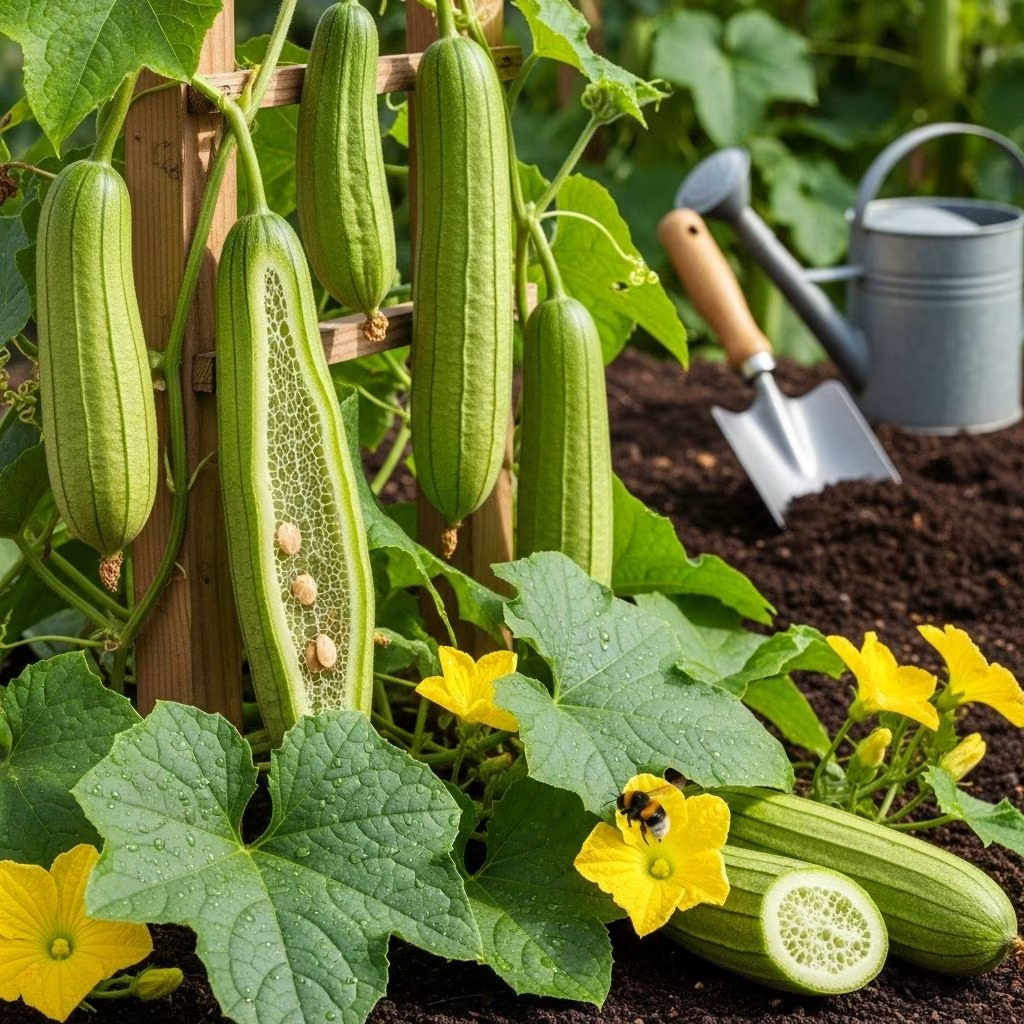
Luffa (Luffa aegyptiaca or Luffa cylindrica) is a fast-growing annual vine native to Asia and widely grown for its fibrous fruits. Immature gourds can be eaten as a vegetable, but the mature luffa is famous for its tough, sponge-like interior used for natural cleaning and bathing sponges. Luffa requires a long, warm growing season and ample support to reach its full potential.
Why Grow Your Own Luffa?
- Eco-Friendly Sponges: Replace plastic kitchen scrubbers or synthetic shower sponges with biodegradable, plant-based alternatives.
- Edible Young Gourds: Harvest luffa early for a tasty, zucchini-like summer veggie.
- Beautiful Vines: Large, lobed leaves and bright yellow flowers make luffa an attractive addition to trellises and fences.
- Educational Value: Growing luffa from seed offers a fascinating lesson in plant life cycles and sustainable living.
Understanding the Luffa Plant
Luffa vines are warm-season annuals thriving in USDA zones 5–11. Left unchecked, these vigorous plants can reach 30 feet or more, producing male and female yellow flowers followed by green, sausage-shaped fruits.
| Feature | Description |
|---|---|
| Botanical Name | Luffa aegyptiaca or Luffa cylindrica |
| Plant Type | Annual vine |
| Soil Requirements | Fertile, well-draining, slightly basic (pH 6.0-6.5) |
| Watering Needs | Consistent, moderate, keep soil moist but not soggy |
| Sunlight | Full sun (minimum 6 hours daily) |
| Mature Fruit Use | Sponge, crafts |
| Immature Fruit Use | Edible vegetable |
How to Plant Luffa
Getting the best start is crucial for luffa’s success. Follow these steps from seed to seedling:
Starting Seeds Indoors
- Start Early: Sow seeds indoors 4-6 weeks before your last expected frost. Soaking seeds for 24 hours before planting speeds up germination.
- Seed Depth: Plant seeds 0.5 inches deep in a sterile seed-starting mix.
- Warmth Required: Keep soil temperature between 75–85°F (24–29°C) for best germination.
- Germination Time: Seeds typically sprout in 10–21 days, sometimes up to two weeks outdoors.
Transplanting Outdoors
- Timing: Wait until all danger of frost has passed and soil is consistently warm (over 60°F/16°C) before transplanting.
- Spacing: Space mounds or rows 3–4 feet apart to give vines plenty of room.
- Mounds: Improve drainage by planting on 6-inch high mounds for each plant.
- Support: Install a sturdy trellis, fence, or arbor at planting to support rapid vertical growth. Luffa vines can top 20 feet when happy!
Growing Luffa: Care and Maintenance
Luffa vines thrive with attentive care during their long growing season. Key factors include light, water, soil, and temperature.
Light
Full Sun is essential—give luffa at least 6 hours daily, and more is even better. Lack of sunlight results in poor growth, reduced blooms, and fewer fruits.
Watering
- Keep soil evenly moist but not waterlogged.
- Avoid overhead watering—wet leaves can lead to fungal disease and attract pests.
- Focus water at the base of the plants, providing about 1 inch weekly while fruits are developing.
Soil
- Best results come from sandy loam enriched with compost or aged manure.
- Avoid dense clay, which impedes drainage and root growth.
- Maintain soil pH slightly above neutral (6.0–6.5 is optimal).
Temperature
- Temperatures must remain above 50°F (10°C); young plants are especially sensitive to cold.
- If unexpected chills threaten, protect seedlings with mulch, landscape fabric, or temporary covers.
- Ideal summer temperatures (70–90°F/21–32°C) promote vigorous vine and fruit development.
Feeding / Fertilization
- Work compost or a balanced vegetable fertilizer (e.g., 10-10-10) into soil before planting.
- Side-dress with compost or slow-release granules again when vines begin to flower.
- Do not over-fertilize with nitrogen, as this encourages leaves instead of fruit.
Pruning
- Train vines up supports, pinching off side shoots if necessary to encourage upward growth.
- Remove leaves or runners crowding the central stem to improve air circulation and light exposure.
- Regular pruning helps manage rampant vines in tight spaces.
Propagation: How to Collect and Store Luffa Seeds
Luffa is propagated strictly by seed, as it is a true annual.
- Collecting Seeds: Allow a few gourds to fully dry on the vine until brown and brittle. Crack open to release dozens of black seeds from each fruit.
- Storage: Keep seeds in a dry, cool, and dark location for best viability next year.
- For eating purposes, always use store-bought seeds to ensure safe, disease-free plants. For sponges, saved seeds work well.
Harvesting Luffa
When and how you harvest depends on your end goal: edible or sponge production.
For Eating
- Pick luffa when fruits are 4–7 inches long, tender, and green—usually 2 months after planting.
- Young fruits taste like zucchini or summer squash, ideal for stir-fries and soups.
For Sponges
- Leave fruits on the vine for at least 4–5 months until they turn yellow or brown, feel light, and the skin starts to separate from the inner fibers.
- Cut mature gourds from the vine. Peel off the outer rind; shake out seeds.
- Wash sponges in a bleach solution (1 tablespoon bleach per gallon of water) and let air-dry in the sun.
- Trim sponges to desired size.
Common Problems & Troubleshooting
- Poor Germination: Soak seeds before planting and maintain warm, steady soil temperature.
- Pests: Watch for cucumber beetles, aphids, and melons bugs; apply insecticidal soap or row cover if needed.
- Disease: Prevent powdery mildew and other fungal problems with good spacing, support, and avoiding wet leaves.
- Poor Fruit Set: Inconsistent watering or poor pollination (luffa needs both male and female flowers open) may cause baby fruits to drop.
- Vine Overgrowth: Prune regularly or provide ample space and strong support.
Creative Uses for Luffa
- Bath and Shower Sponge: All-natural exfoliating sponges for skin care.
- Kitchen Scrubber: Tough yet biodegradable scrubbers for dishes and countertops.
- Crafts: Carve, dye, or use pieces in art projects or homemade gifts.
- Compost: Old or worn luffa can be composted to enrich garden soil.
Frequently Asked Questions: Luffa Growing FAQs
Q: How long does it take to grow luffa from seed?
A: From planting to mature sponge, luffa typically requires 150–200 warm, frost-free days, making it a long-season crop.
Q: Can you grow luffa in containers?
A: Yes, but use a container at least 5 gallons in size, ensure excellent drainage, and provide a strong trellis for the vines.
Q: Is luffa edible, and when should it be harvested for eating?
A: Pick luffa gourds when they are still young, tender, and small (4–7 inches). Mature fruits will be fibrous and unpalatable.
Q: Why didn’t my luffa set fruit?
A: Luffa produces separate male and female flowers. Inconsistent pollination, lack of pollinators, or uneven watering can hinder fruit set. Try hand-pollinating if needed.
Q: How long do luffa sponges last?
A: Used for cleaning, bath, or crafts, luffa sponges typically last several months, especially if allowed to dry between uses.
Tips for Luffa Success
- Start seeds indoors for earliest possible yields, especially in shorter-summer zones.
- Feed and water consistently throughout the growing season.
- Harvest sponges only after fruits have thoroughly dried; early harvesting results in poor-quality fibers.
- Rotate crops each season to minimize disease and pest buildup.
Summary
Growing luffa is a unique adventure that yields both a useful product and a conversation piece. With the right care—warmth, sun, water, and patience—you can raise your own supply of sustainable sponges and even enjoy edible young gourds along the way. Whether you’re motivated by reducing plastic waste, healthy cooking, or simply want a new gardening challenge, luffa offers something for every gardener.