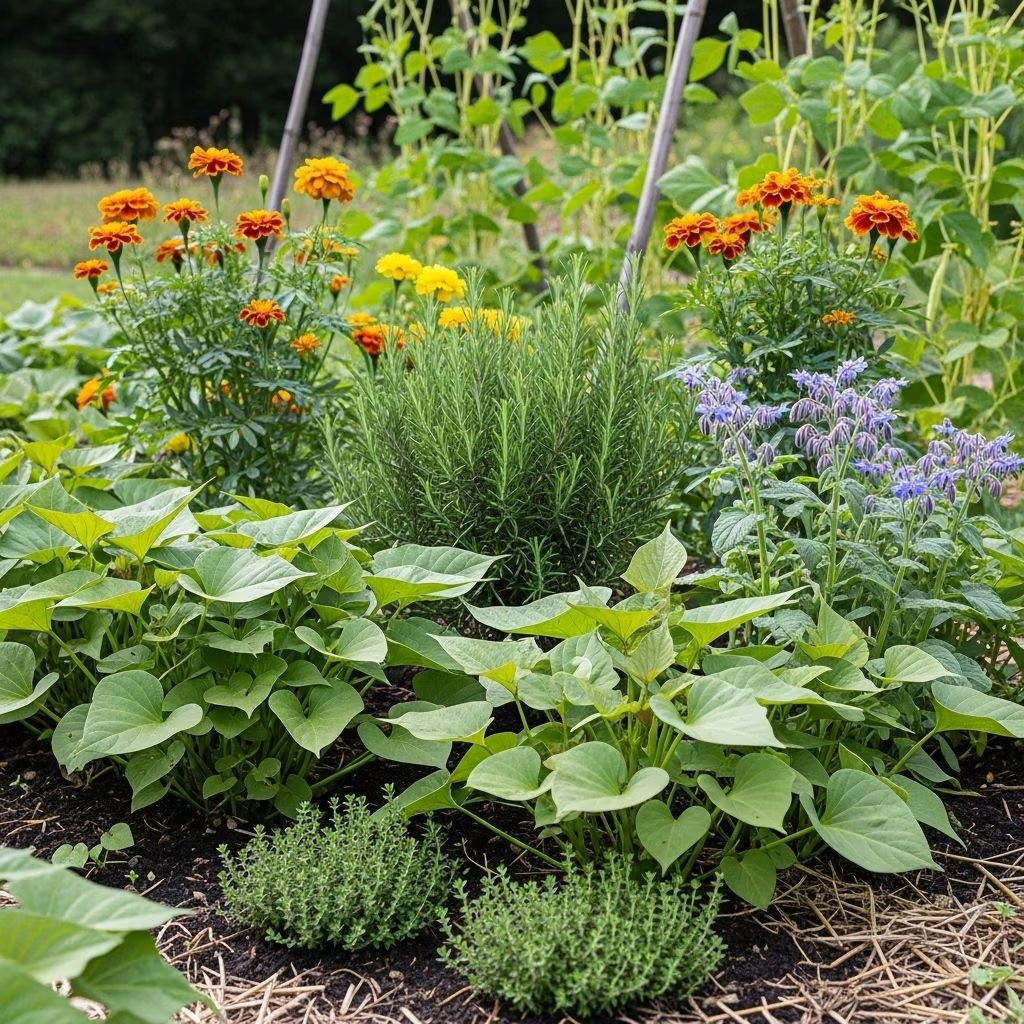
Sweet potatoes are beloved for their lush vines and delicious, nutritious tubers. Achieving healthy, prolific sweet potato harvests often relies on more than just sunshine and good soil—it’s also about companion planting. Pairing the right plants enhances growth, deters pests, and can even boost the yield and flavor of your sweet potatoes. This comprehensive guide details the best (and worst) companion plants, explains why these pairings work, and shares proven tips for a vibrant, thriving garden bed.
Why Companion Planting Matters for Sweet Potatoes
Companion planting is the practice of growing multiple, mutually beneficial plant species in the same space. For sweet potatoes (Ipomoea batatas), thoughtful companion selection can:
- Repel insect pests such as beetles and aphids.
- Attract pollinators and beneficial insects to the garden.
- Suppress weeds and provide living mulch.
- Enrich the soil with nutrients and improve texture.
- Maximize garden space by pairing plants with different growth habits.
Top Companion Plants for Sweet Potatoes
The following plants have been shown to harmonize well with sweet potatoes, providing physical, nutritional, or pest management benefits.
Alliums: Onions, Chives, and Spring Onions
- Deters Pests: Onions, green onions, chives, and other alliums emit a pungent aroma that repels sweet potato pests such as the Colorado potato beetle and aphids.
- Compact Growth: Their upright, space-efficient form allows them to be planted near sprawling vines without competition for ground area.
- Pest Border: Chives and spring onions create effective borders that further deter insect invaders.
- Important Consideration: Alliums can suppress the growth of legumes (beans and peas), so avoid planting beans close to onions or garlic.
Example Plantings: Create a border of chives or spring onions along the margins of your sweet potato patch for continuous protection.
Nasturtium
- Edible and Attractive: Nasturtium offers showy flowers ranging from yellow to orange to pink, which are also edible and peppery in flavor.
- Pollinator Magnet: Their bright blooms bring bees and beneficial insects to the garden in spring and early summer.
- Aphid Trap Crop: Nasturtium excels at trapping aphids and keeping them away from sweet potato vines.
- Flexible Placement: Use as a living border or in interplantings between sweet potato patches and other beds.
Sweet Alyssum
- Ground Cover: This low-growing plant forms a living mulch that suppresses weeds and helps maintain soil moisture.
- Beneficial Insect Attractor: Sweet alyssum’s small, nectar-rich flowers lure ladybugs, hoverflies, and other predatory insects that feed on aphids and garden pests.
- Weed Suppression: Acts as a barrier for weed growth and is often used in fruit tree guilds.
Tip: Sow sweet alyssum seeds around the edges of your sweet potato beds or in between rows.
Herbs (Basil, Dill, Oregano, Summer Savory, Thyme)
- Natural Repellents: Many common herbs have pest-repellent properties that are beneficial to sweet potatoes and neighboring crops.
- Basil: Deters whiteflies and repels hornworms while also improving the flavor profile of root crops.
- Dill & Oregano: Both herbs are known to attract predatory insects that control aphid populations and support overall plant health.
- Thyme & Summer Savory: Their aromatic foliage wards off a variety of unwanted insects and breaks up the monotony of sweet potato vines with edible greenery.
Other Flowering Companions
- Marigolds: Well-known for guarding against nematodes and soil-borne pests, marigolds are classic companion plants for root crops, including sweet potatoes.
- Calendula: Attracts pollinators and beneficial insects, and serves as a trap crop for aphids.
- Zinnias: Draw in pollinators and maintain color diversity in the garden.
Other Vegetables as Sweet Potato Companions
| Vegetable | Benefit | Companion Planting Tip |
|---|---|---|
| Peppers | Sweet potatoes provide ground cover, keeping soil moist; peppers and sweet potatoes use different nutrients, avoiding competition. | Interplant peppers in raised beds with sweet potatoes. Ensure enough space to avoid shading |
| Eggplant | Uses a similar warm-season growing window and can provide partial shade to sweet potatoes. | Plant on the sunnier/outer edge to avoid excess crowding of vines. |
| Tomatoes | Grow well together as both prefer similar conditions and do not share major pests or diseases. | Space tomatoes and sweet potatoes to allow for airflow; use support for tomatoes to avoid shading sweet potatoes. |
| Beans (on trellis) | Fix nitrogen in soil, improving fertility for neighboring sweet potatoes. | Plant beans on a trellis at the northern edge of the bed. Keep away from allium family plants. |
| Radishes | Grow rapidly and loosen the soil, making it easier for sweet potato tubers to develop. | Sow radishes early, then harvest as sweet potatoes begin vigorous vining. |
How to Plant Sweet Potato Companions
Successful companion planting with sweet potatoes requires understanding growth habits and spatial needs:
- Provide ample space (typically 12–18 inches) between plants to prevent crowding and allow adequate sunlight for vining.
- Mix border companions like chives or marigolds at the bed’s edge and interplant upright crops like peppers, onions, and eggplants among the vines.
- Incorporate ground cover plants such as sweet alyssum or nasturtium for soil protection and weed suppression.
- Introduce vertical supports for climbing beans so they do not compete for ground-level space.
Plants to Avoid Planting Near Sweet Potatoes
Some plants are incompatible with sweet potatoes due to pest attraction, fungal disease transmission, or resource competition. Avoid these species:
- Squash and Pumpkins: Compete for sprawling space and attract similar pests and diseases.
- Cucumbers and Melons: Share powdery mildew risk and compete for ground area.
- Sunflowers: Exude chemicals that suppress sweet potato growth through allelopathy.
- Allium family near beans/peas: Alliums suppress legume growth; separate them in different garden areas if growing together as companions for sweet potatoes.
- Potatoes: Sweet potatoes and regular potatoes are distantly related but can compete for similar nutrients and may spread common soil-borne diseases. Grow them in separate areas or with a clear border.
Benefits of Proper Companion Planting With Sweet Potatoes
- Pest reduction without chemical interventions as strong-scented herbs and flowers deter common pests.
- Increased yield from healthy, unbothered vines and improved pollinator presence.
- Enhanced soil health and weed management via ground covers and nitrogen-fixers.
- More efficient garden use by layering vertical, vining, and spreading growth habits.
- Added edible diversity and beauty to your vegetable patch.
Companion Planting Tips by Growing Stage
- Spring: Sow chives, onions, and interplant radishes or marigolds to establish borders and pest deterrents.
- Early Summer: After slips root, introduce nasturtiums, sweet alyssum, and beans for additional pest suppression and nitrogen fixation.
- Mid-Summer Onwards: Monitor for shading and give vining sweet potatoes space by pruning or guiding growth away from upright companions.
Frequently Asked Questions
Q: Can I plant sweet potatoes next to regular potatoes?
A: It is best not to plant sweet potatoes right next to regular potatoes. They can compete for nutrients and there is increased risk of soil-borne diseases such as blight. If growing both, leave 36–48 inches between crops or use a living border, like nasturtium or alliums, to separate them.
Q: Which flowers help sweet potatoes grow better?
A: Nasturtiums, marigolds, sweet alyssum, and calendula are top choices—they attract pollinators and beneficial insects while suppressing pest populations. They also add beauty and can delineate garden borders.
Q: Do sweet potatoes need pollinators to produce tubers?
A: No, sweet potatoes grow from tubers underground, not seeds, so pollination is not necessary for tuber development. However, companion flowers can attract helpful predatory insects and keep pest levels down.
Q: How much space do sweet potato companion plants need?
A: Most companion flowers and herbs can be planted 8–12 inches from the main vines. Upright vegetables or deeply rooted plants should be at least 12–18 inches apart to allow sweet potato vines to roam freely.
Q: What are the signs of poor companion selection?
A: Look for stunted sweet potato growth, yellowing leaves, or increased pest activity. If bean plants are small and sickly near onions or garlic, separate them next year.
Summary Table: Sweet Potato Companion Pairings
| Companion | Benefit | Typical Placement |
|---|---|---|
| Chives, Onions | Repels pests, forms borders | Row borders, bed edge |
| Nasturtium | Traps aphids, attracts pollinators | Patch border, in-row |
| Sweet Alyssum | Attracts beneficial insects, living mulch | Inter-row, ground cover |
| Marigold | Keeps nematodes and insects away | End of rows, bed perimeters |
| Basil, Dill, Oregano | Deters pest insects, flavors harvests | Near but not crowding main vines |
| Beans, Peas (not near Alliums) | Fixes nitrogen for soil | On trellis at bed edge |
| Peppers, Eggplant, Tomatoes | Maximizes space, no competition | Staggered among sweet potatoes |
Final Tips for Maximum Harvest
- Rotate crops yearly to avoid pest buildup and nutrient depletion.
- Water evenly, as sweet potato companions prefer consistent moisture.
- Prune or guide sweet potato vines to prevent overrunning compact companions.
- Consider mulching with grass clippings or straw between plants to retain moisture and deter weeds.
- Monitor regularly for signs of stress and adjust spacing or combinations as needed.
By mindfully arranging your sweet potato garden with these companion plants, you’ll foster a supportive, productive ecosystem that makes the most of your garden space and rewards you with prolific, healthy harvests.