10 Reasons to Grow Nasturtiums with Vegetables
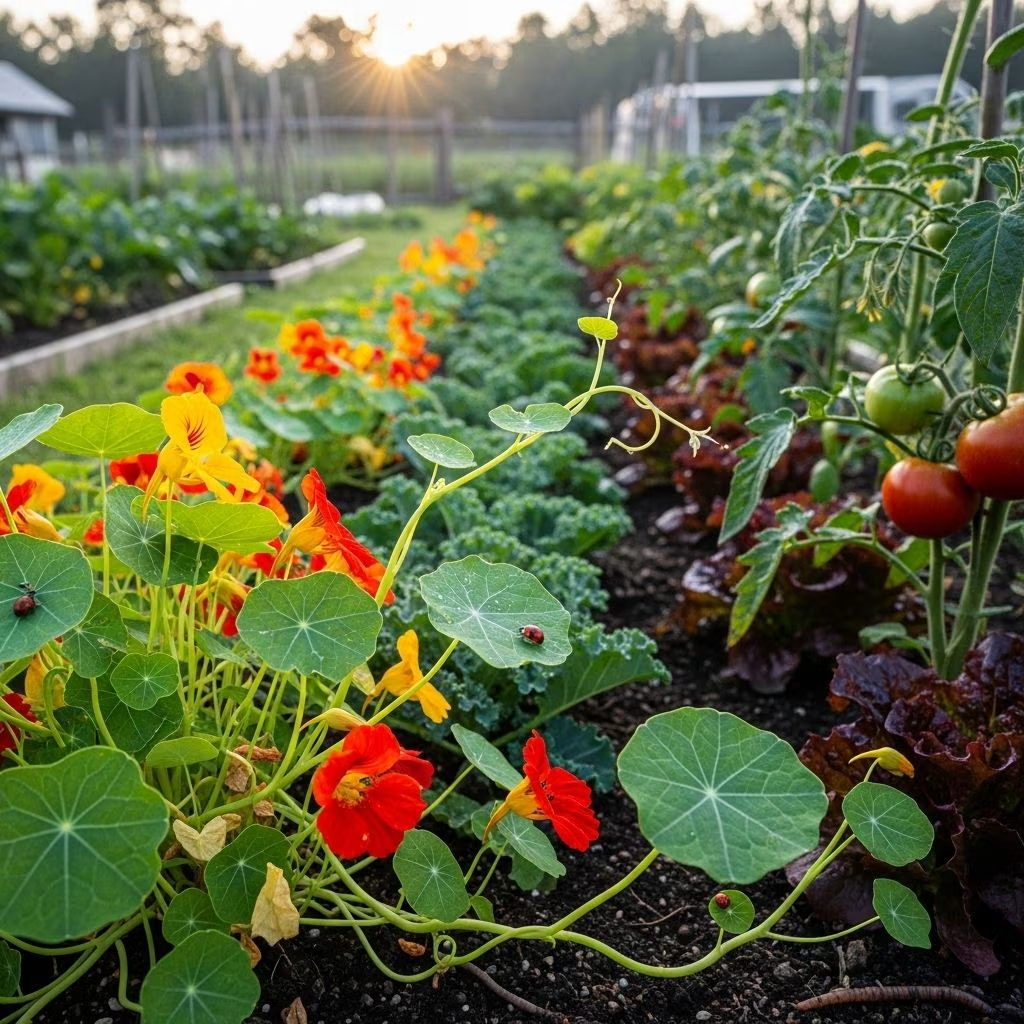
Nasturtiums are a bright and versatile addition to any vegetable garden. These vibrant flowers offer much more than color and beauty—they deliver various practical benefits that enhance vegetable growth, garden health, and culinary options. In this article, we’ll explore the top reasons why every vegetable gardener should consider pairing nasturtiums with popular crops, drawing on expert advice and proven gardening strategies.
What Are Nasturtiums?
Nasturtiums (Tropaeolum majus) are annual flowering plants easily recognized by their vivid orange, yellow, and red blooms. Native to South America, they’re well-suited to home gardens thanks to their resilience, rapid growth, and minimal care requirements. Not only are they beautiful, but every part of the plant—from leaves to flowers to seeds—is edible, bringing both ornamental and culinary value.
Core Benefits of Growing Nasturtiums with Vegetables
- Companion Planting for Pest Management
- Attracting Beneficial Insects and Pollinators
- Natural Trap Cropping
- Edible Uses and Culinary Value
- Enhancing Soil and Garden Health
- Adding Color and Biodiversity
1. Companion Planting: The Nasturtium Advantage
Companion planting is the strategic placement of crops that benefit each other. Nasturtiums are considered excellent companion plants for nearly all common vegetables. By growing nasturtiums alongside crops like tomatoes, cucumbers, beans, squash, and brassicas (such as broccoli and cabbage), you establish a healthier ecosystem that fosters stronger, more pest-resistant vegetables.
Key Vegetable Pairings
- Tomatoes: Nasturtiums deter aphids and whiteflies that commonly target tomatoes.
- Cucumbers & Squash: Their scent helps mask the presence of these crops from beetles and worms.
- Beans: Reduced pest attraction and an improved pollinator environment.
- Brassicas (Broccoli, Cabbage): Protection from cabbage moths and improved soil cover.
2. Pest Confusion: Masking Your Vegetables
Mature nasturtiums produce a peppery scent that confuses pests, making it harder for them to locate target crops. Pests such as beetles, worms, and whiteflies are less likely to discover nearby vegetables, reducing potential crop damage with no need for synthetic chemicals.
Pest Reduction Table
| Pest Type | Crops Protected | Nasturtium Role |
|---|---|---|
| Beetles | Cucumbers, Squash | Odor masks crops |
| Whiteflies | Tomatoes | Odor deters and confuses |
| Worms | Squash, Brassicas | Barrier and masking |
3. Trap Cropping: A Sacrificial Decoy Plant
Nasturtiums serve as trap crops. The same scent that repels some pests actively attracts others—especially aphids. When aphids descend on your nasturtiums, they’ll leave your tomatoes, beans, and brassicas alone. Once infestation is spotted, simply remove and discard the affected nasturtium plants (never compost infested plants to prevent spread).
How Trap Cropping Works
- Nasturtiums lure aphids and cabbage moths away from vegetables.
- Leaves and stems become the primary target.
- Infested nasturtiums are removed, breaking the pest cycle.
4. Attracting Pollinators & Beneficial Insects
Nasturtiums are rich in nectar and vibrant hues, making them magnets for bees, butterflies, and other pollinators. Improved pollination translates to higher yields, especially for fruiting crops like tomatoes, cucumbers, peppers, and squash. Beneficial predatory insects (e.g., ladybugs, lacewings) also frequent nasturtium patches, feeding on pest populations and further protecting your garden.
Pollinator Benefits
- Bees increase fruit set and vegetable quality.
- Butterflies and hoverflies improve garden biodiversity.
- Predators reduce aphids and other small pests.
5. Edible Flowers and Leaves: Boosting Your Kitchen
Every part of the nasturtium is edible and packed with peppery flavor reminiscent of arugula or watercress. This makes nasturtiums a unique dual-purpose crop for gardeners interested in both aesthetics and culinary experimentation.
Common Culinary Uses
- Flowers: Bright, flavorful additions to salads, garnishes, or edible arrangements.
- Leaves: Use fresh in salads or sandwiches for a spicy kick.
- Seeds: Known as ‘poor man’s capers’, they can be pickled and used as a tangy condiment.
6. Easy Growth and Care
Nasturtiums thrive with minimal care, making them ideal for new and experienced gardeners alike. Their preference for poor soils, tolerance of drought, and resistance to many diseases ensure low maintenance needs. Avoid over-fertilizing: nasturtiums prefer lean soils, which encourage more blooms and compact growth.
Basic Care Tips
- Plant in well-drained soil with moderate sunlight.
- Avoid heavy fertilization to promote flowers over foliage.
- Water during dry spells, but let soil dry in between.
- Deadhead spent flowers to encourage continuous blooming.
7. Soil Health and Moisture Retention
As a living mulch, nasturtium foliage helps shade the soil, reducing moisture loss and temperature fluctuations. Their sprawling habit also prevents erosion and suppresses weed growth around other vegetables, boosting garden health holistically.
8. Disease Suppression
While not a direct fungicide, nasturtiums’ dense foliage forms a barrier that limits fungal spores from reaching susceptible vegetables. Their peppery compounds also have mild antifungal properties, indirectly helping to limit disease spread.
9. Quick, Vigorous Growth
Nasturtiums establish rapidly after sowing, providing early ground cover, wind protection, and support for seedlings. Growth begins within a week, and blooms typically appear in 4-6 weeks, lasting well into summer and early fall.
Growth Benefits
- Early-season soil protection.
- Quick shading against weeds.
- Long-lasting blooms through summer.
10. Visual Appeal & Biodiversity
Nasturtiums dramatically increase your garden’s visual appeal with their vibrant flowers and lush foliage. Increased biodiversity improves ecological balance, attracting a range of insects and wildlife while providing aesthetic pleasure throughout the growing season.
Landscape Benefits
- Bright, cheerful blooms in orange, red, yellow, and cream.
- Attractive foliage with unique circular leaves.
- Diverse insect life for a balanced ecosystem.
Culinary Uses of Nasturtiums
Nasturtiums can be a staple ingredient, not just a garden ornament. With their spicy bite and unique appearance, they elevate dishes in taste and presentation.
- Salads: Add whole leaves and blossoms for flavor and color.
- Sandwiches: Use leaves for zingy, herbal notes.
- Pickled Seeds: Create caper substitutes for garnishes or charcuterie boards.
- Edible Flower Arrangements: Decorate cakes, tarts, and appetizer platters.
The mild toxicity for pets and the peppery, mustard-like taste mean that nasturtiums should be used thoughtfully in cooking, especially to introduce children or sensitive eaters to edible flowers.
Frequently Asked Questions (FAQs)
Q: Are nasturtiums suitable for all vegetable gardens?
A: Yes, nasturtiums complement nearly every vegetable crop, providing pest control, pollinator attraction, and edible flowers without complex requirements.
Q: Do nasturtiums need special care to thrive?
A: They are easy to maintain—prefer poor or moderately fertile soil, need consistent but moderate watering, and tolerate partial shade. Overly rich soil leads to excess foliage rather than more flowers.
Q: Are nasturtiums invasive?
A: No—they are vigorous but easily controlled by deadheading and removal of unwanted plants. They rarely pose a risk of taking over beds.
Q: Can nasturtiums help with specific pests?
A: Absolutely. They deter beetles and whiteflies, trap aphids and cabbage moths, and attract beneficial insects that help manage pest populations across the garden.
Q: Can you compost infested nasturtium plants?
A: It’s best not to compost plants heavily infested with pests like aphids or damaging caterpillars; dispose of them in regular trash to prevent propagating the problem.
Tips for Growing Nasturtiums
- Sow seeds directly outdoors after frost danger passes; they germinate quickly in warm soils.
- Plant in loose, well-drained soil; skip the fertilizers to ensure prolific blooms.
- Avoid crowding—nasturtiums can spread up to three feet in one season.
- Provide moderate water but avoid soggy conditions.
- Pinch back plants after blooming slows to encourage continuous growth and prevent legginess.
Final Thoughts
Integrating nasturtiums into your vegetable garden is a simple, rewarding strategy for boosting health, productivity, and beauty—without added chemicals or complicated methods. Their ability to deter, trap, and attract insects, enrich soil, and add edible interest makes them essential for any gardener who values sustainability, flavor, and seasonal color.
From vibrant salads to pollinator-rich vegetable beds, nasturtiums offer solutions to common garden challenges while bringing joy and utility in equal measure. Plant a few seeds this season and discover firsthand how these cheerful flowers can transform your gardening experience.