How to Grow and Care for Climbing Onion (Bowiea volubilis)
The climbing onion (Bowiea volubilis), also known as sea onion or Zulu potato, is a rare and peculiar houseplant admired for its unique, leafless vining stems and bulbous base. Despite its common name, it is not closely related to edible onions. Instead, climbing onion is a member of the asparagus family (Asparagaceae), valued for its architectural form, drought tolerance, and minimal care requirements. This guide covers everything you need to grow, maintain, and enjoy this fascinating bulb from its growth habits to propagation, troubleshooting, and frequently asked questions.
What is the Climbing Onion?
Bowiea volubilis, typically known as climbing onion, is native to parts of South Africa. It thrives in arid environments and makes a standout specimen on a bright windowsill or among succulent collections.
- Scientific name: Bowiea volubilis
- Family: Asparagaceae
- Origin: South and east Africa
- Plant type: Perennial, bulbous vine (not a true onion)
- Common names: Climbing onion, sea onion, Zulu potato
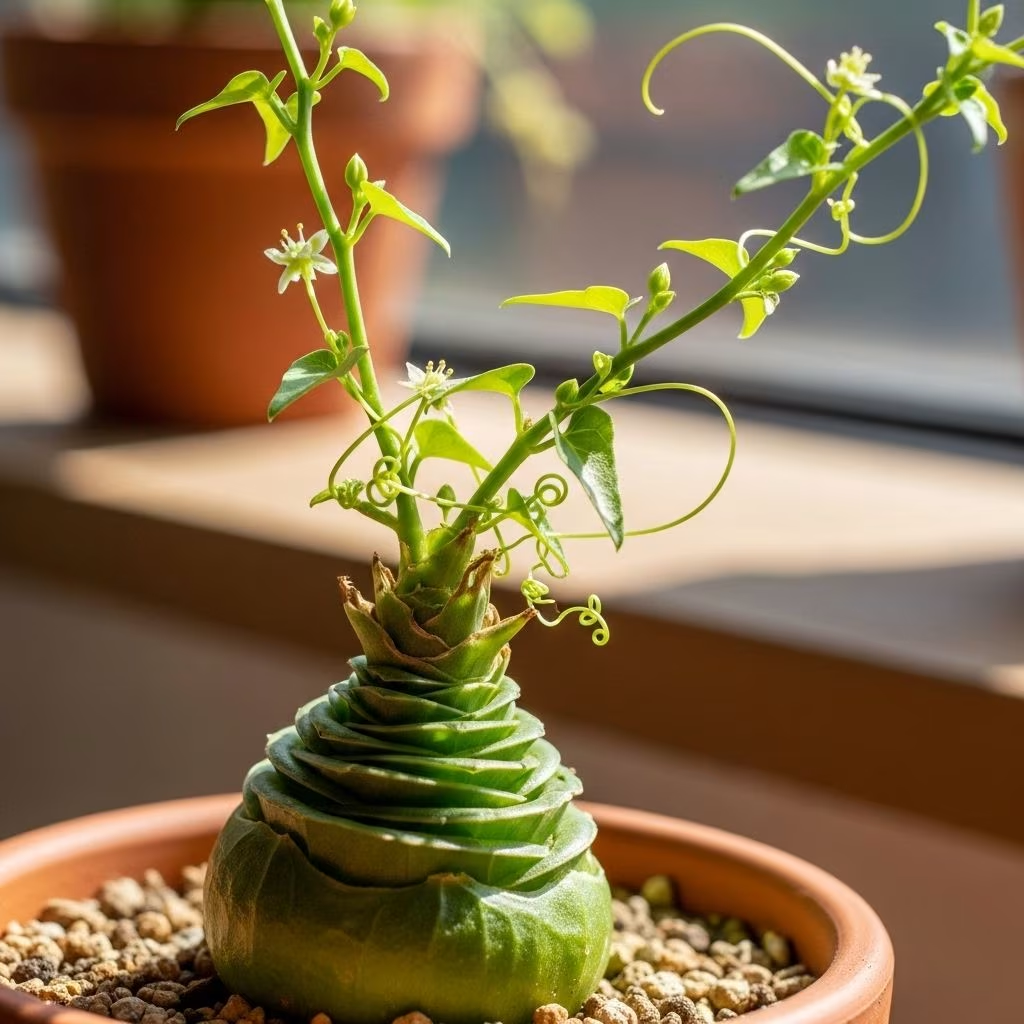
This plant produces a large, green bulb above the soil line. Thin, twining stems emerge from the bulb seasonally and scramble over nearby supports, forming a delicate, lacy canopy of green. The stems are leafless, and the plant’s habit is almost vining yet grassy, giving it an ethereal appearance among more traditional foliage.
Key Characteristics of Climbing Onion
- Bulb: The main storage organ, often green and visible above the soil. Bulbs can reach several inches in diameter with maturity.
- Stems: Delicate, bright green vines sprout from the center or apex of each bulb. Each bulb may send up one or several shoots.
- Leaves: Virtually absent—the plant’s stems perform most photosynthesis. Occasionally, rudimentary scale-like leaves might appear.
- Growth habit: Vining, non-twining. The stems clamber and entangle themselves with gentle looping but do not produce true tendrils.
- Flowers: Tiny, star-shaped, pale greenish or yellow blossoms appear on mature plants during the peak of the growing season.
- Lifespan: Perennial; bulbs grow larger and produce new offsets yearly.
Growing Climbing Onion: Light, Soil, and Water Requirements
1. Light
Climbing onions crave bright, indirect light. A sunny, east- or west-facing window is optimal. If grown outdoors, provide dappled sun or very light shade, especially in hot climates. Avoid harsh, direct midday sun, which can scorch the stems and bulb. Under low light, growth becomes sparse and weak.
2. Soil
Well-drained soil is critical. Use a succulent or cactus potting mix, or combine all-purpose potting soil with added perlite, sand, or fine gravel for improved drainage. Good drainage prevents rot and supports healthy bulbs.
3. Watering
- During the active growing season (typically spring and summer): Water thoroughly when the top inch of soil is dry. Let excess water drain—never let the pot stand in water.
- Dormancy (late fall and winter): Drastically reduce watering, letting the soil dry almost completely between drinks. Excessive moisture during dormancy is the most common cause of bulb rot.
4. Temperature & Humidity
- Temperature: Prefers warmth. Optimum range: 65–85°F (18–29°C). Protect from night temperatures below 50°F (10°C).
- Humidity: Does not require high humidity; average household air is sufficient.
Pots, Repotting, and Support Structures
Pots and containers should have drainage holes to help prevent waterlogging. Shallow, wide pots accommodate bulb clumps and offset growth best.
- Repot or divide only as needed—typically every 2 to 3 years, or if the bulb cluster becomes seriously overcrowded.
- Add a small trellis, stake, or decorative support to give vines room to climb. Alternatively, allow them to trail and drape over pots or shelves for a cascading effect.
How to Plant and Propagate Climbing Onion
Planting a Bulb
- Choose a pot with excellent drainage and fill it with airy, gritty succulent mix.
- Set the bulb with the top third to half above the soil line.
- Water sparingly at first until new green shoots appear.
- Move to a warm, bright spot, and resume regular watering as active growth begins.
Propagation by Offsets
- Climbing onions naturally multiply by producing small bulb offsets at the base of the parent bulb.
- Offsets can be separated during dormancy. Gently pull or cut away the small bulbs, let freshly detached offsets air dry for a day, then plant as described above.
- Do not water immediately after replanting; wait until green shoots emerge.
Routine Care and Maintenance
Fertilization
- Feed sparingly—climbing onions require little fertilization.
- During the active growing season, use a diluted all-purpose houseplant or cactus fertilizer once every 4–6 weeks.
- No feeding is necessary during dormancy.
Pruning
- After stems have withered at the end of the growing season, use clean, sharp scissors or snips to remove spent stems just above the bulb.
- This keeps the bulb tidy and reduces the risk of disease.
Division and Overcrowding
- As bulbs multiply and grow, pots can become crowded. When the cluster outgrows its container, gently divide during the dormant season (fall/winter).
- Repot healthy bulbs, discarding any that are soft or mushy.
Pest and Disease Management
Climbing onion plants are notably resistant to most pests and diseases due to their tough, sap-rich bulbs and vigorous growth. However, some potential issues include:
- Bulb rot: The most common problem, caused by overwatering or poorly draining soil. Prevent by using fast-draining mix and allowing significant drying between watering.
- Mealybugs and spider mites: Rare but possible, especially indoors. Treat minor infestations by wiping stems with alcohol-dipped cotton swabs or spraying with insecticidal soap.
- Leaf/stem drop: Usually the result of abrupt cold, under-watering, or old age at the season’s end.
Is Climbing Onion Toxic?
Bowiea volubilis bulbs contain toxic compounds and are unsafe to eat. Keep out of reach of children and pets. Wear gloves if you have sensitive skin, as juices may cause irritation for some individuals.
Decorative Uses and Display Ideas
- Strong visual appeal as a living centerpiece for desks, windowsills, or display shelves.
- Perfect companion for other succulents or caudiciform (thick-stemmed) plants.
- Show off the plant’s cascading stems in hanging baskets or atop pedestal stands for a sculptural look.
Common Problems and Solutions
| Issue | Cause | Solution |
|---|---|---|
| Bulb rot | Overwatering/pot without drainage | Let soil dry, use well-drained pot, reduce watering during dormancy |
| Weak, spindly stems | Insufficient light | Move to a brighter location |
| Mealybugs or mites | Dry indoor conditions | Treat with alcohol or insecticidal soap and increase humidity |
| Yellowing, shriveled stems | Natural dormancy, underwatering, or root issues | Check watering schedule, inspect for rot, adjust seasonal care |
Frequently Asked Questions (FAQs)
Q: Is the climbing onion edible?
A: No, Bowiea volubilis is not edible and is considered toxic. It should never be consumed by people or pets.
Q: Why is my climbing onion bulb turning mushy?
A: Bulb rot is usually caused by overwatering or stagnant, poorly drained soil. Remove the affected bulb and adjust your watering practices.
Q: My plant’s stems are brown and shriveled—is it dying?
A: This is most likely normal dormancy. Stems dry up at the end of their growth cycle. Prune away dead growth and wait for new shoots in the next active season.
Q: Does the climbing onion need support to grow?
A: While not strictly necessary, providing a small trellis or stake will allow the delicate vines to climb and display better.
Q: Can I grow climbing onion outdoors?
A: Yes, where winters are mild and there’s no frost. Otherwise, keep in containers and move indoors before temperatures drop below 50°F (10°C).
Q: How often should I fertilize?
A: Feed sparingly, once a month during the growing season with a diluted houseplant or cactus fertilizer. Avoid fertilizing during dormancy.
Summary and Final Tips
- Climbing onion is an unusual, low-maintenance houseplant that adds sculptural interest to any space.
- Key to success: provide ample light, use a sharply draining potting mix, and water sparingly—especially during dormancy.
- Propagate easily by separating offsets for new plants.
- Use gloves to handle bulbs and keep away from children and pets due to toxicity.
- Enjoy the plant’s delicate, lacy vines as they clamber over supports or spill attractively from containers—a sure conversation piece for indoor gardeners and plant collectors alike.