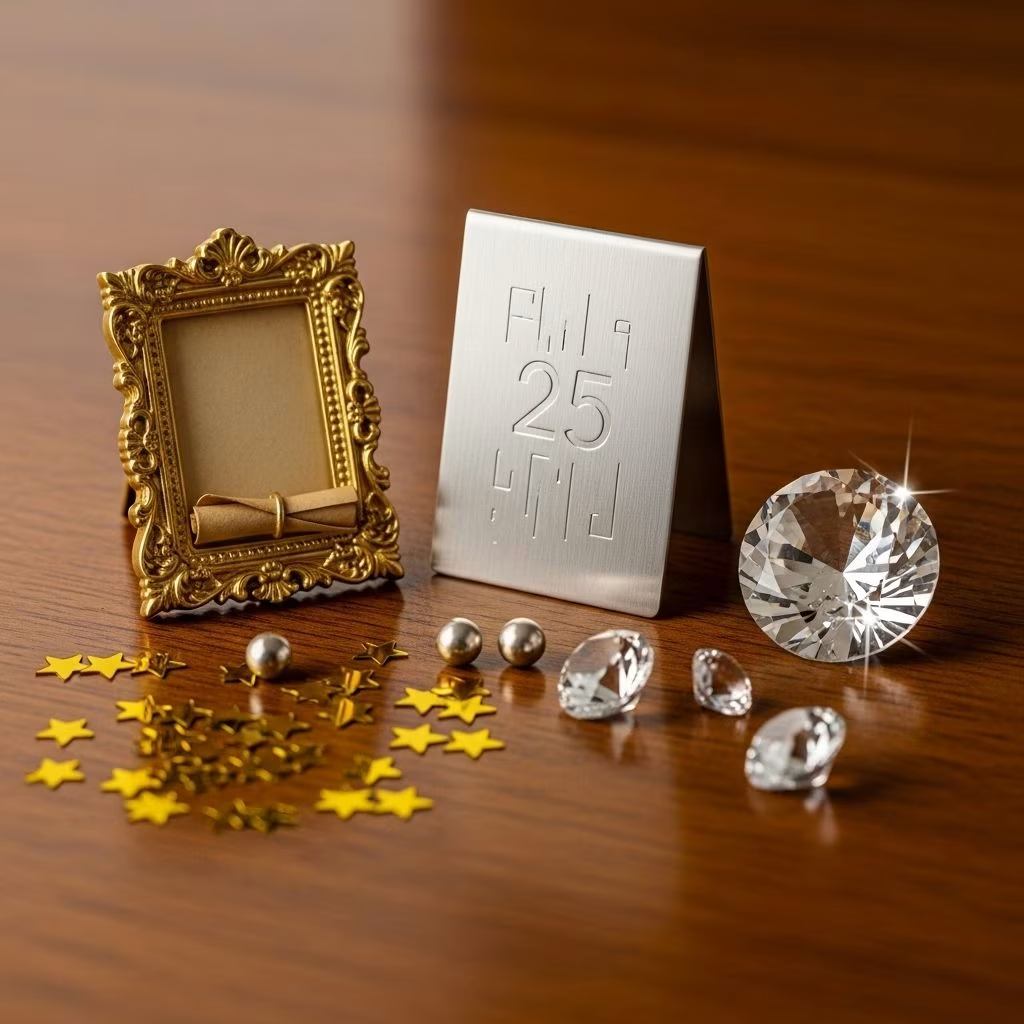
What Is a Golden, Platinum, and Diamond Birthday?
Birthdays are always special occasions, but some stand out for their extraordinary timing and symbolism. Golden, platinum, and diamond birthdays have become increasingly popular for their unique meanings—transforming typical birthday festivities into unforgettable milestone celebrations. But what are these glittering birthdates, where do these traditions come from, and how can you make the most of them? Read on for a complete guide to understanding, planning, and enjoying these once-in-a-lifetime birthday events.
Understanding Milestone Birthdays
Before diving into each type, it’s worth exploring why milestone birthdays are so meaningful:
- Milestone birthdays help people honor key moments and transitions in life.
- They encourage creativity and personalized celebrations, beyond the typical cake and candles.
- These special days are perfect for gathering friends and family to make lasting memories.
What Is a Golden Birthday?
Golden birthdays are perhaps the best known of the trio. This special celebration occurs in the year you turn the age that matches the day of the month you were born.
- For example: If you were born on March 28th, your golden birthday is the year you turn 28.
- If your birthday is July 5th, your golden birthday is when you turn 5 years old.
Since you can only have one golden birthday in your life, its rarity adds to its allure. Many people either experience their golden birthday in early childhood or wait decades for the chance to celebrate.
Why Is It Called a Golden Birthday?
The term is thought to originate from the natural association of gold with rarity, value, and celebration. Golden birthdays are moments when the numbers align perfectly, signifying a once-in-a-lifetime synchronicity worth commemorating.
Origin and Popularity of the Golden Birthday
The concept is believed to have been popularized in the 1950s by Midwestern author Joan Bramsch, who celebrated her children’s golden birthdays with themed parties and golden décor. Over time, it has gained traction as a fun trend across North America and abroad.
How to Celebrate a Golden Birthday
- Host a party with gold-themed decorations: gold balloons, streamers, and confetti.
- Serve gold-colored foods or desserts, such as cupcakes with gold sprinkles.
- Gift gold accessories, jewelry, or playful tokens.
- Encourage friends and family to wear gold attire.
- Set a photo booth with golden props for memorable pictures.
If you missed your golden year, don’t worry. Many people embrace the spirit of the celebration at any age—it’s the enthusiasm that counts.
What Is a Platinum Birthday?
Platinum birthdays are even more exclusive. This milestone happens when your age matches the last two digits of your birth year.
- Example: Born in 1997? Your platinum birthday arrives when you turn 97.
- Born in 2003? Celebrate your platinum birthday at age 3!
The Meaning and Rarity
Platinum, renowned for its rarity and preciousness, represents a birthday milestone that’s not easily achieved—most people will never experience theirs, while some may hit it as a toddler. This lends platinum birthdays an air of exclusivity and grandeur. It’s often an opportunity to go all-out with creative, luxurious themes.
How to Celebrate a Platinum Birthday
- Silver or metallic décor: Emphasize platinum tones with balloons, tableware, and streamers.
- Serve shimmering treats, like silver-dusted cakes or cookies.
- Encourage sparkly or platinum-themed attire.
- Include metallic party favors—think shiny hats or silver jewelry.
- Capture the occasion with glamorous photos and custom backdrops.
For milestone ages like 97, platinum birthdays can become legacy celebrations, ideal for revisiting family memories, honoring life achievements, or bringing together multiple generations.
What Is a Diamond Birthday?
Diamond birthdays are often confused with platinum birthdays, but they have a similar definition. Your diamond birthday happens when your age matches the last two digits of your birth year. So:
- Born in 1978? Your diamond birthday comes at age 78.
- Born in 2005? You’ll celebrate your diamond birthday at age 5.
Difference Between Diamond and Platinum Birthdays
While both platinum and diamond birthdays use the same age-birth year logic, diamond birthdays tend to emphasize extra sparkle and chic. The term ‘diamond’ signifies an extra level of shine, dazzling decor, and sometimes lines up with other major age milestones, like turning 30 or 40.
| Milestone Type | When Celebrated | Common Themes |
|---|---|---|
| Golden Birthday | Age matches birth day | Gold, luxury, warmth |
| Platinum Birthday | Age matches last 2 digits of birth year | Platinum, silver, elegance |
| Diamond Birthday | Age matches last 2 digits of birth year | Diamonds, sparkle, glamour |
How to Celebrate a Diamond Birthday
- Add diamond-inspired décor: crystals, rhinestones, and lots of sparkle.
- Plan a glamorous dinner party or upscale gathering.
- Feature a cake decorated to mimic diamonds or diamonds on cupcakes.
- Hand out crystal or diamond-inspired party favors.
- Encourage dress codes elevated by silver and white, perhaps even actual diamond accessories.
Unique Ways to Celebrate Each Milestone
There is no one right way to celebrate a golden, platinum, or diamond birthday. Here are some inspired ideas for each:
- Golden: Host a “pot of gold” treasure hunt or set up a golden photo booth with costume props.
- Platinum: Arrange a white-and-silver party with live music, or set up a time capsule to be opened in the future.
- Diamond: Plan a formal evening event with a sparkling dress code and offer a special toast to the birthday celebrant’s journey.
Can You Have More Than One Special Birthday?
While the true definitions suggest each is a once-in-a-lifetime occasion, creativity reigns supreme! Many families seize the opportunity for themed celebrations at any age, whether or not the milestones line up perfectly. Missed your golden or platinum birthday? There are no rules—just embrace the spirit and personalize your festivities. It’s about making magical memories, not strict definitions.
Making the Most of Milestone Birthdays: Tips for a Memorable Party
- Reflect: Share favorite memories, stories, or photo slideshows from the celebrant’s life so far.
- Personalize: Decorate with the celebrant’s favorite colors, foods, hobbies, or heirlooms.
- Invite loved ones: Bring together friends, relatives, and important people from all walks of the celebrant’s life.
- Give meaningful gifts: Select presents that celebrate the milestone, like custom keepsakes, jewelry, or handwritten letters.
- Document the day: Hire a photographer or set up a DIY photo booth to capture candid moments.
Frequently Asked Questions (FAQs)
What if I missed my golden, platinum, or diamond birthday?
Don’t worry! Many people miss these milestones, especially if they occur at a very young age. Instead, you can always celebrate the spirit of the occasion with a themed party or symbolic observance at any age. The most important element is celebrating yourself—and having fun with family and friends.
Are there other types of milestone birthdays?
Yes! Many cultures recognize milestones such as sweet 16, 18th, 21st, or decade birthdays (30, 40, 50, etc.). But golden, platinum, and diamond birthdays stand out for their number-based significance.
Is there a right way to celebrate these birthdays?
Not at all! While certain themes (gold, silver, diamonds) suit the spirit of each milestone, the best celebrations are those tailored to the celebrant’s tastes, traditions, and values. Whether you choose an intimate family dinner or a lavish event, enjoying your special day is what truly matters.
Can two people have the same golden birthday?
It’s possible, but rare unless their birthdays are on the same date of the month and they are the same age. This coincidence can actually double the fun if celebrated together with friends or family members.
Are platinum and diamond birthdays interchangeable?
Some people do use the terms interchangeably, since both rely on your age matching the last two digits of your birth year. However, diamond birthdays often emphasize extra glamour and sparkle, drawing inspiration from the stone’s association with luxury.
Final Thoughts
No matter which special milestone you reach, golden, platinum, and diamond birthdays offer a reason to celebrate in style. Whether you’re marking an once-in-a-lifetime number match or simply embracing a fun theme, these festive traditions remind us that life’s moments—big and small—are worth honoring. Let your next milestone birthday shine as bright as gold, platinum, or diamond!
References
- https://www.thepioneerwoman.com/home-lifestyle/a63980986/what-is-golden-platinum-diamond-birthday/
- https://www.aol.com/golden-platinum-diamond-guide-every-160200983.html
- https://picnictimes.com/blog/golden-platinum-diamond-birthday/
- https://www.tiktok.com/discover/different-types-of-birthdays-explained-gold-platinum-and-diamond?lang=en
- https://www.tiktok.com/@povslibby/video/7403016046371786017?lang=en