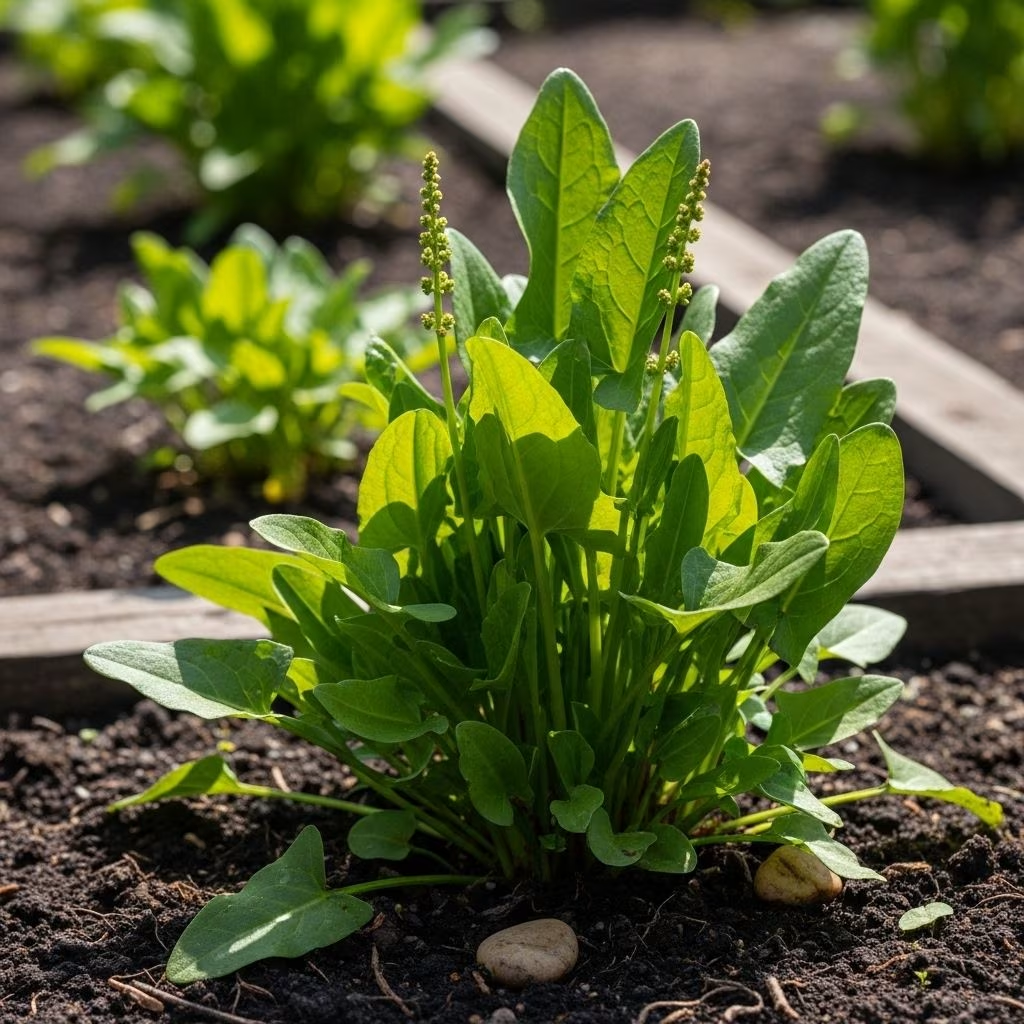
Sorrel (Rumex acetosa and Rumex scutatus), with its lively lemony taste, is an easy addition to herb gardens, vegetable beds, or even indoor containers. Its tangy, spinach-like leaves add a zesty kick to salads, soups, and sautés. Hardy and versatile, sorrel thrives in a variety of conditions and supplies fresh greens early in the season. This comprehensive guide covers everything you need to know about planting, caring for, harvesting, and troubleshooting sorrel plants to enjoy a bountiful harvest year-round.
About Sorrel
Sorrel is a leafy green herb known for its distinctive sour, citrusy flavor, making it a favorite in many culinary traditions. Belonging to the buckwheat family, it is one of the first greens ready for harvest each year and can enliven a variety of dishes with its refreshing zing.
- Common Names: Sorrel, garden sorrel, green sorrel, red veined sorrel, French sorrel, narrow-leaved dock, spinach dock.
- Botanical Names: Rumex acetosa (common or garden sorrel), Rumex scutatus (French sorrel), Rumex acetosella (red sorrel).
- Growth Habit: Perennial herb forming a basal rosette with long, arrow-shaped or ovate leaves.
- Flavor Profile: Bright, lemony, tangy—comparable to a mild citrus or rhubarb flavor.
Quick Care Guide
| Characteristic | Detail |
|---|---|
| Common Names | Sorrel, garden sorrel, green sorrel, red veined sorrel, French sorrel |
| Scientific Names | Rumex acetosa, Rumex scutatus |
| Days to Harvest | 35 days (young), 60 days (mature) |
| Light | Full sun or partial shade |
| Water | Keep soil moist; at least 1 inch per week |
| Soil | Average, well-draining, slightly acidic (pH 5.5–6.8) |
| Fertilizer | Compost or balanced organic fertilizer |
| Pests | Aphids, butterfly/moth larvae, slugs, snails |
| Diseases | Powdery mildew, root rot |
Types of Sorrel
The word “sorrel” can refer to several closely related species. Here are the most popular varieties for the kitchen garden:
- Garden Sorrel (Rumex acetosa): The most common type, with large, arrow-shaped green leaves and a sharp lemony flavor. Fast-growing and highly productive.
- French Sorrel (Rumex scutatus): Smaller, rounder silver-green leaves, milder taste, and slightly less tart than garden sorrel; often preferred in salads or for delicate applications.
- Red Veined Sorrel: Recognized by its deep green leaves laced with striking red veins. Both ornamental and edible, it is a favorite for gourmet salads.
- Sheep Sorrel (Rumex acetosella): More acidic and less commonly cultivated, but can be foraged or grown in less managed settings.
Planting Sorrel
Sorrel is hardy, often one of the first greens ready to eat in early spring. Here’s how to get started:
When to Plant
- Sow seeds outdoors in early spring as soon as the soil can be worked.
- For a continuous harvest, succession sow every few weeks into midsummer.
- Sorrel can also be sown indoors or in containers throughout the year for baby greens or microgreens.
How to Plant
- Seeds: Direct-sow seeds ¼ inch deep and 2–3 inches apart in rows spaced 12–18 inches apart.
- Once seedlings are a few inches tall, thin to 6–12 inches, allowing good airflow and room to spread.
- Transplants: Start seeds indoors 3–4 weeks before last frost; transplant when plants have 2–3 sets of true leaves.
- Sorrel will self-seed if left to flower, but can be contained by deadheading.
Site Selection
- Choose a sunny or partly shaded location with well-draining, rich soil.
- Sorrel tolerates a range of soil types but does best in slightly acidic, loose soils amended with compost.
- Provide a dedicated spot for perennials or grow in containers to restrict spreading.
Caring for Sorrel
Watering
- Sorrel prefers consistently moist soil; supply at least 1 inch of water weekly, more during hot spells.
- Mulch with organic matter to conserve moisture, reduce weeds, and keep roots cool.
Fertilizing
- Incorporate compost or a balanced fertilizer at planting time.
- Light side-dressing with more compost midseason can boost growth, especially in depleted soils.
- Avoid excess nitrogen, which can cause lush growth but dilute flavor.
Pruning and Maintenance
- Regularly harvest outer leaves to promote new tender growth.
- Remove any flower stalks that form if you want to prolong leaf production; let some bloom only if you wish to collect seed.
- Sorrel can be divided every 3–4 years to rejuvenate clumps and provide new plants.
Container Growing and Indoors
- Sorrel grows well in pots—choose a container at least 8–10 inches deep with good drainage.
- Supply ample sunlight via a south-facing window or grow lights if indoors year-round.
- Water consistently and fertilize lightly as for garden-grown plants.
Harvesting Sorrel
When and How to Harvest
- Sorrel is ready for baby leaf harvest in as little as 35 days from sowing; mature leaves at 60 days.
- Pick outer leaves individually when they are 4–6 inches long; allow inner leaves to continue growing for ongoing harvest.
- Younger leaves are more tender and less acidic, while older leaves develop a sharper taste.
- Sorrel can be cut back hard midseason to spur a flush of new, tender leaves.
Preserving Sorrel
- Best used fresh, but can be frozen or pureed for later use in soups and sauces.
- Store unwashed leaves in a plastic bag in the refrigerator; they last up to a week.
Where to Grow Sorrel
- Perennial Borders: Plant at the front of beds for easy access, as sorrel is one of the first greens ready to pick.
- Vegetable Patch: Grow sorrel on the edges or beside other edible perennials like asparagus and rhubarb. Avoid the main rotating vegetable area since sorrel is a perennial.
- Herb Garden: It’s a well-behaved, low-maintenance addition among other popular culinary herbs.
- Containers & Indoors: Excellent for small spaces; can even be grown year-round inside with adequate light.
Troubleshooting: Pests and Disease
Pests
- Aphids: Gather under leaves and along stems; control with strong water sprays or insecticidal soap.
- Butterfly/Moth Larvae: Green caterpillars may chew holes in the leaves. Hand-pick or use appropriate organic controls as needed.
- Slugs & Snails: Most common in wet conditions. Use barriers, traps, or hand-picking for control.
Diseases
- Powdery Mildew: White, powdery coating appears especially in cramped, damp conditions. Improve airflow, water soil not foliage, and remove affected leaves.
- Root Rot: Overwatering or poorly-drained soil may cause roots to rot. Ensure proper drainage and avoid waterlogging.
Culinary and Nutritional Uses
Sorrel’s tart, citrus-like bite enlivens dishes from classic French sorrel soup to modern salads and sauces. Young leaves are best eaten raw, while older ones are suited for cooking. Sorrel pairs beautifully with potatoes, eggs, fish, and creamy bases which temper its acidity.
- Salads: Add young leaves to salads for a lemony kick.
- Soups & Sauces: Classic ingredient in French cuisine, such as soupe à l’oseille (sorrel soup); purées melt into velvety smooth sauces.
- Microgreens: Sorrel microgreens bring color and zest to garnishes and sandwiches.
- Preserved: Freeze puréed sorrel for off-season use in sauces or drinks.
Nutrition Highlight: Sorrel is high in vitamins A, B, and C, potassium, magnesium, and antioxidants such as phenolic acids, flavonoids, and quercetin. These nutrients may support immunity, reduce inflammation, and offer cellular protection. Be mindful sorrel contains oxalic acid; moderation is best, especially for individuals prone to kidney stones. Pairing with dairy helps bind oxalates and makes for delicious pairings in creamy soups or dressings.
Frequently Asked Questions (FAQs)
Q: Is sorrel a perennial or annual?
A: Sorrel is a hardy perennial in most climates and will return reliably each spring. It overwinters well in mild to moderate climates and may go dormant in harsh winters. With protection, it can survive even colder zones.
Q: Can you grow sorrel indoors?
A: Yes, sorrel thrives in containers on bright windowsills or under grow lights. Indoor growing means you can enjoy fresh sorrel leaves year-round.
Q: Does sorrel reseed or spread aggressively?
A: Sorrel can self-seed or spread by rhizomes, particularly in ideal conditions. In gardens or containers, it’s easy to manage by removing unwanted flower stalks and digging up young plants.
Q: What can I substitute for sorrel in recipes?
A: For similar flavor, substitute with rhubarb stalks (uncooked), young spinach leaves with lemon juice, or a little zest of lemon, though the flavor is unique to sorrel.
Q: How do I keep sorrel producing tender leaves?
A: Regularly harvest outer leaves, water well, mulch, fertilize lightly, and remove flower stalks to keep plants producing new, tender foliage.
Q: Is oxalic acid in sorrel harmful?
A: Oxalic acid gives sorrel its signature tang but can contribute to kidney stones if consumed in large quantities, especially by those sensitive to oxalates. Eat in moderation and consider pairing with dairy or calcium-rich foods.
Conclusion
Sorrel is a vibrant, versatile herb easy enough for beginners but rewarding for experienced gardeners. With straightforward care and regular harvest, you can enjoy fresh, tangy greens from spring through autumn—and even indoors through winter. Try sorrel in your garden for a perennial source of flavor, nutrition, and culinary inspiration.