Plants Can Increase Productivity: 20 Best Houseplants for Workspaces
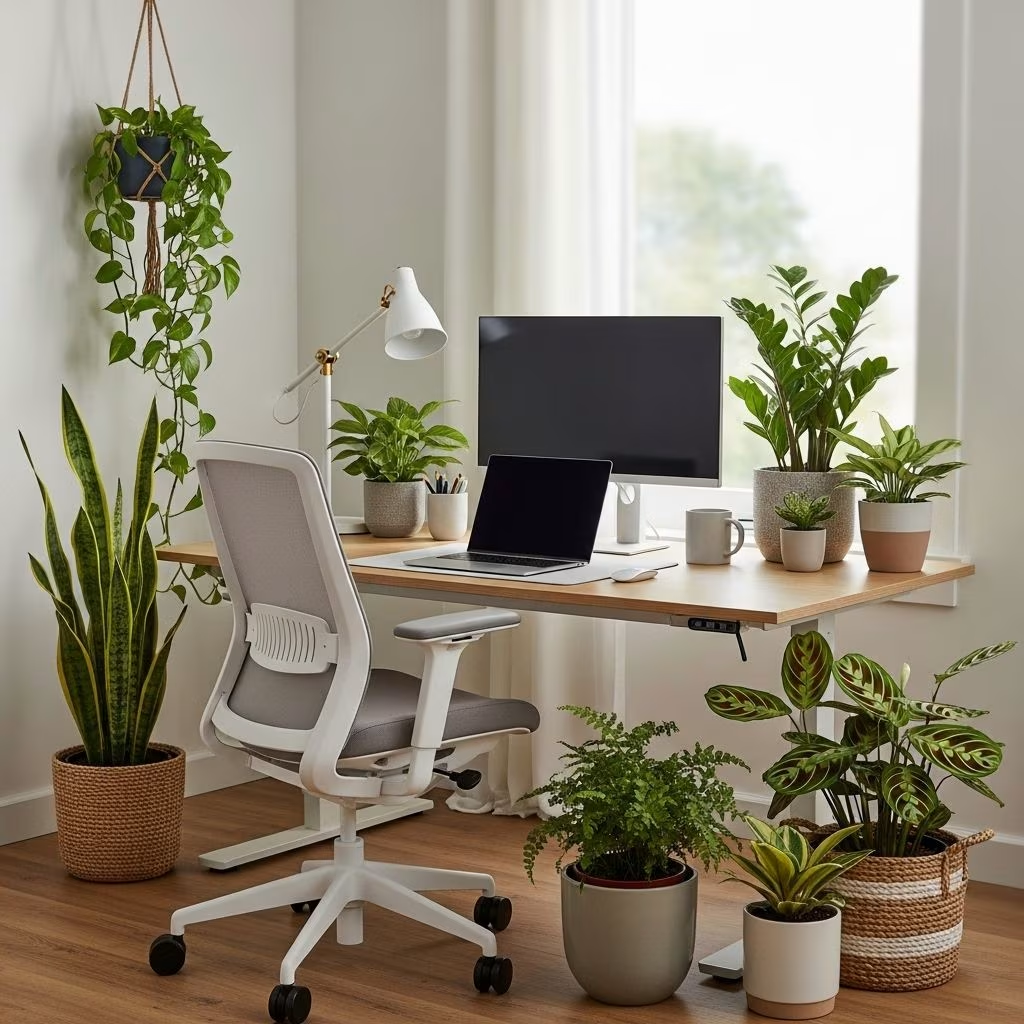
Mounting research suggests that bringing plants into your workspace—whether at home or the office—can significantly boost productivity, well-being, and even air quality. Modern studies demonstrate not only psychological benefits but also tangible improvements in focus and satisfaction. This guide explores the science behind these claims and introduces 20 recommended houseplants to help make your workspace healthier and more productive.
Scientific Research: Do Plants Increase Productivity?
Studies from multiple institutions have evaluated the impact of office plants on productivity and well-being:
- A landmark Dutch study conducted three field experiments and found adding plants led to both subjective (how satisfied people felt) and objective (actual work metrics) productivity improvements. Even just one plant per square meter produced measurable morale boosts among office workers.
- The American Society for Horticultural Science (ASHS) investigated offices with varying degrees of windows and plants. Workers in spaces with more plants and windows reported significantly higher job satisfaction than those in barren, plantless rooms.
- Additional studies showed potted plants reduce volatile organic compounds (VOCs) and improve indoor air quality within hours. Cleaner air helps translate to improved focus, reduced fatigue, and better cognitive performance.
- A decade-long review from Exeter University found offices enriched with plants saw a 15% increase in productivity compared to those with no decor.
These findings support the consensus that creating a “green office”—even if you work from a bedroom or small corner—has measurable psychological and physical benefits.
Key Benefits of Plants in Work and Study Spaces
Why does the simple act of adding greenery have such wide-ranging effects? Here’s a breakdown of the main benefits:
- Improved job and study satisfaction: Visual connection to nature provides a sense of well-being and stress reduction.
- Cleaner air, fewer toxins: Many houseplants filter out harmful air pollutants and VOCs, reducing headaches and improving focus.
- Reduced stress and mental fatigue: Greenery has been shown to restore depleted cognitive resources and refresh mental energy, making it easier to concentrate for long periods.
- Boosted creativity and engagement: Workers and students surrounded by plants report feeling more creative, relaxed, and able to persist through challenging tasks.
- Fewer sick days: Improved air quality and reduced stress can lead to better overall health.
- Enhanced overall aesthetics: Lively plants make even windowless or dull spaces more cheerful and inviting.
20 Best Productivity-Boosting Houseplants
Ready to choose your “productivity partners”? Here are 20 houseplants celebrated for their effectiveness in the workplace or study zone. Many are low-maintenance, making them ideal for busy professionals and home office dwellers alike.
| Plant | Main Benefit | Care Level |
|---|---|---|
| Snake Plant (Sansevieria) | Removes toxins, easy care | Very Low |
| Pothos (Epipremnum aureum) | Purifies air, grows anywhere | Very Low |
| Spider Plant (Chlorophytum comosum) | Removes VOCs, survives neglect | Very Low |
| Peace Lily (Spathiphyllum) | Removes mold spores, adds humidity | Low |
| ZZ Plant (Zamioculcas zamiifolia) | Thrives in low light | Very Low |
| Philodendron | Purifies air, fast-growing | Low |
| Chinese Evergreen (Aglaonema) | Tolerates low light, cleans air | Low |
| Rubber Plant (Ficus elastica) | Filters toxins | Low |
| Aloe Vera | Purifies air, soothing sap | Low |
| Bamboo Palm (Chamaedorea seifrizii) | Air humidifier | Medium |
| Boston Fern (Nephrolepis exaltata) | Adds humidity, removes pollutants | Medium |
| Cast Iron Plant (Aspidistra elatior) | Super tough, thrives in shade | Very Low |
| Jade Plant (Crassula ovata) | Symbolizes prosperity, easy | Low |
| Dracaena | Cleans VOCs, low maintenance | Low |
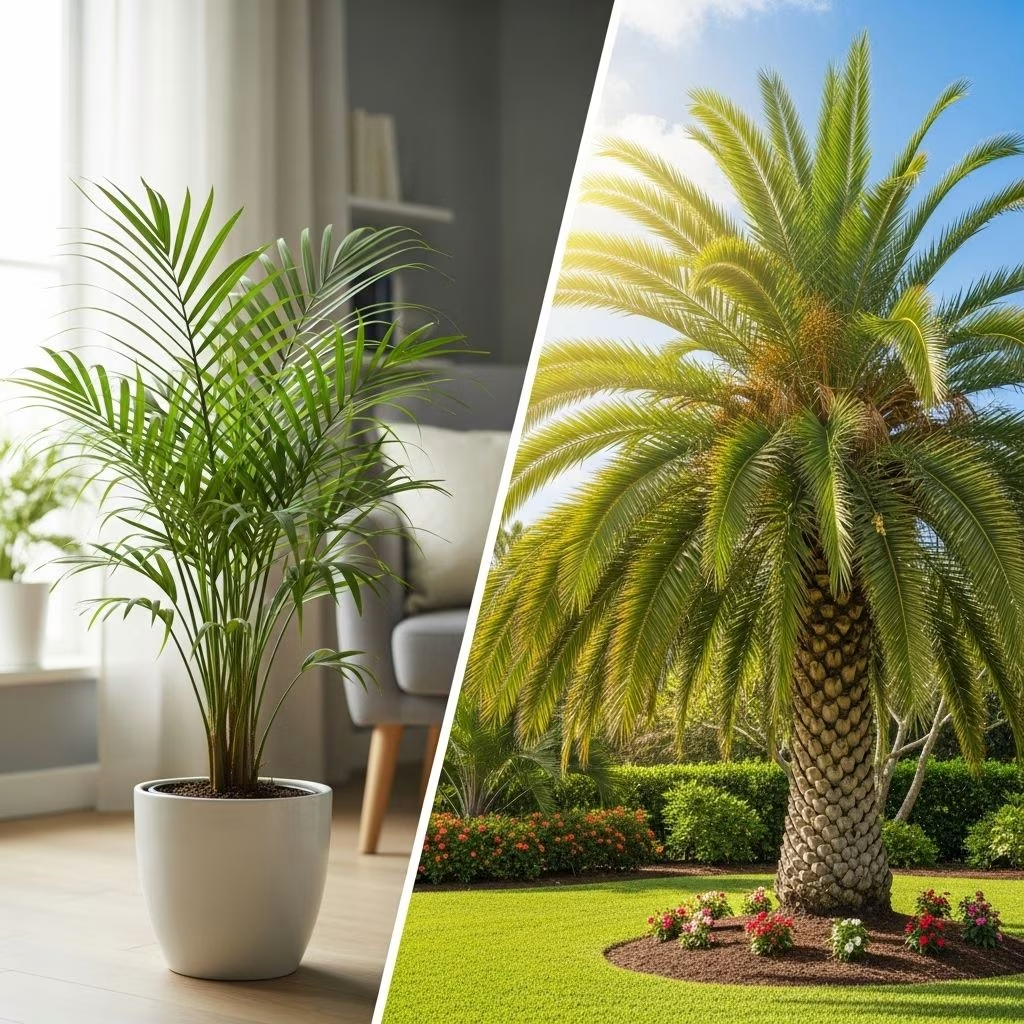
| Areca Palm (Dypsis lutescens) | Natural air humidifier | Medium |
| Monstera (Monstera deliciosa) | Improves mood, striking foliage | Medium |
| Anthurium | Adds color, increases focus | Medium |
| Peacock Plant (Calathea) | Colorful leaves, good for low light | Medium |
| Prayer Plant (Maranta leuconeura) | Restores mental energy | Low |
| English Ivy (Hedera helix) | Absorbs airborne mold, filters toxins | Low |
These selections offer a blend of aesthetic, health, and productivity benefits—most are beginner-friendly and adaptable to modern indoor lighting.
Choosing the Right Plant
- Lighting: Assess available natural light; many on this list thrive in low to medium light.
- Maintenance: Busy schedules benefit from tough, drought-tolerant plants (e.g., Snake or ZZ Plant).
- Size: For small desks, select compact varieties like Jade Plant, Aloe, or English Ivy.
- Pets: Some (e.g., Peace Lily, English Ivy) can be toxic if ingested by pets—choose pet-safe options if needed.
Tips for Caring for Office and Home Workspace Plants
If you’re new to indoor gardening, don’t worry—these care strategies make it easy to keep your productivity plants thriving:
- Water appropriately: Many workspace plants prefer to dry slightly between waterings. Overwatering is a common cause of plant failure.
- Use well-draining soil: Prevent root rot by using pots with drainage and a light, aerated soil mix. Consider ingredients like perlite or coconut coir to improve drainage.
- Wipe leaves monthly: Dust can inhibit photosynthesis and make plants less effective at air purification. A gentle wipe with a damp cloth keeps them healthy.
- Rotate plants: Give each side a chance to access sunlight for even growth.
- Fertilize sparingly: Most productivity plants need only a diluted houseplant fertilizer quarterly or biannually.
- Look for signs of trouble: Yellowing leaves often mean too much water or too little light.
Remember, even a single healthy plant can begin to shift the energy and performance of your workspace.
Frequently Asked Questions (FAQs)
Q: How many plants do I need for productivity benefits?
A: Research suggests that even one plant per square meter brings measurable psychological and air quality improvements.
Q: Which are the lowest-maintenance plants for offices?
A: Snake Plant, ZZ Plant, and Pothos are top choices—they handle neglect and variable light very well.
Q: Do I need natural sunlight or will artificial light work?
A: Many popular workspace plants tolerate (or thrive in) low to medium light, so bright fluorescent or LED lights are usually sufficient.
Q: What’s the main reason plants improve productivity?
A: Benefits include cleaner air, lower stress, increased well-being, and a more aesthetically pleasing environment—all of which support focus and output.
Q: Are all houseplants safe for homes with pets?
A: No, some (like Peace Lily and English Ivy) can be toxic if chewed. Always check plant safety before purchase if you have pets.
Final Thoughts
Welcoming plants into your workspace is a low-cost, high-impact strategy for raising productivity, health, and happiness. Whether you choose a lush grouping or a single resilient plant, the evidence is clear: a greener office is a more efficient, focused, and pleasant place to work.