27 Stunning Geum Varieties for a Vibrant Garden
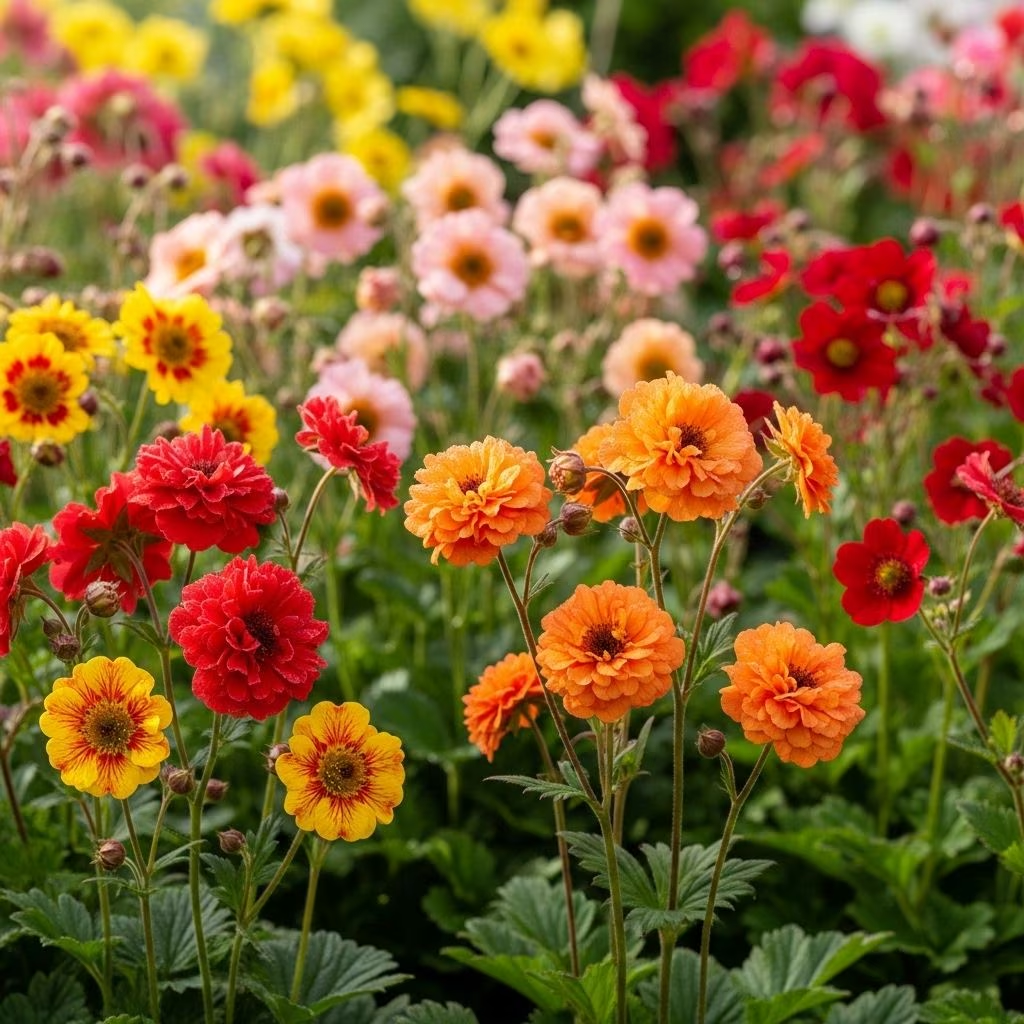
Geums, also known as avens, are a group of perennial flowers in the rose family that have captivated gardeners for generations. With blooms in shades of bright orange, golden yellow, fiery red, peach, and even soft pinks, geums are versatile and reliable additions to a colorful border. This comprehensive guide explores 27 popular geum varieties, providing descriptions, growing tips, and design ideas to help you select the best avens for your garden.
About Geum Flowers
Geums are herbaceous perennials known for their cheerful, long-lasting blooms held above neat rosettes of foliage. Their flowers provide nectar for pollinators and come in various forms, from single and semi-double to fully double petals. Originating from Europe, South America, Asia, and North America, there is a geum suited to almost any temperate climate and design style.
Key Features of Geum Flowers
- Family: Rosaceae (rose family)
- Bloom time: Typically late spring to early summer, with some varieties extending into midsummer or fall
- Flower colors: Red, orange, yellow, peach, pink, cream
- Height: 6″ to 30″ depending on variety
- Foliage: Evergreen or semi-evergreen, usually basal, divided, and sometimes hairy
- Habitat: Woodlands, streamsides, prairies; tolerant of many garden soils
Choosing Geum Varieties
When selecting geum cultivars for your garden, consider:
- Flower color – Match with your garden palette and nearby perennials.
- Plant height and spread – Low-growing types suit path edges, taller ones add vertical accents.
- Bloom time – Combine early, mid, and late-season varieties for months of color.
- Sterility – Sterile hybrids bloom longer since they invest more energy in flowers than seed production.
- Native habitat – Some geums thrive in moist shade, while others suit sunny, well-drained borders.
27 Popular Geum Varieties
Explore these standout geum varieties to add lasting color and charm to your borders, containers, and cottage gardens.
| Variety | Flower Color | Height | Bloom Period | Special Features |
|---|---|---|---|---|
| ‘Koi’ | Bright orange, single | 6″-9″ | Late spring | Dwarf, excellent for borders and mass planting |
| ‘Flames of Passion’ | Deep wine red, semi-double | 15″ | Late spring-summer | Compact mound, profuse flowering |
| ‘Totally Tangerine’ | Apricot-orange, semi-double | 24″-30″ | Late spring-late summer | Sterile, very long bloom period, tall stems |
| ‘Mango Lassi’ | Honey-yellow, rose-edged | 16″ | Late spring-summer | Sterile, petite; great in containers |
| ‘Alabama Slammer’ | Golden yellow with red streaks, semi-double | 10″-24″ | Late spring-summer | Burgundy-brown stems, unique coloring |
| ‘Lady Stratheden’ | Lemon-yellow, ruffled, semi-double | 24″ | Late spring-early summer | Large, classic blooms, award-winning |
| ‘Mai Tai’ | Peach, pink, and yellow blend | 18″ | Late spring-summer | Changing flower color, delicate appearance |
| ‘Cosmopolitan’ | Cream, blushed with pink | 18″ | Late spring-summer | Elegant pastel color, reliable bloomer |
| ‘Blazing Sunset’ | Deep red, double | 18″-24″ | Late spring-early summer | Dramatic, large flowers, good cut flower |
| ‘Lemon Drops’ | Pale yellow, pendulous | 12″-18″ | Spring | Unique nodding habit, subtle color |
| ‘Bell Bank’ | Rose pink, double, frilly | 18″ | Spring | Large and showy, prominent stamens |
| ‘Marmalade’ | Light orange petals, deep red calyces | 12″-18″ | Spring-summer | Bright, citrusy coloring |
| ‘Nordek’ | Orangey-red, large flowers | 12″-18″ | Late spring-summer | Hybrid, extremely floriferous, persistent blooms |
| ‘Mrs. Bradshaw’ | Vivid scarlet, double | 24″ | Early summer | Traditional cottage garden favorite |
| ‘Georgenberg’ | Yellow with orange base | 12″ | Spring | Low grower, carpet effect |
| ‘Red Dragon’ | Fiery orange-red, single | 18″ | Late spring | Striking color, long bloom, pollinator friendly |
| ‘Herterton Primrose’ | Pale yellow, semi-double | 12″ | Spring | Soft coloring for shade gardens |
| ‘Scarlet Tempest’ | Scarlet-orange blend | 18″ | Spring-summer | Rapid spreader, bold color |
| ‘Tangerine Dream’ | Tangerine orange, semi-double | 20″ | Late spring | Compact and highly floriferous |
| ‘Princess Juliana’ | Golden-orange | 20″ | Spring | Stately, bright accent |
| ‘Lisanne’ | Cream, semi-double/ruffled | 18″ | Spring to summer | Soft color accent, attractive leaf base |
| ‘Eos’ | Orange, striking chartreuse foliage | 12″-15″ | Spring | Colorful foliage and flowers |
| ‘Pretticoats Peach’ | Peach-apricot, semi-double to double | 18″ | Spring-summer | Large ruffled flowers, changing hues |
| Geum chiloense | Red, yellow, or orange, typically single | 18″-24″ | Spring-early summer | Native to Chile, many cultivars |
| Geum coccineum | Bright orange to red | 12″-18″ | Spring-early summer | European native, sun tolerant |
| Geum rivale (Water avens) | Dusky pink, nodding | 12″-15″ | Spring | Loves moisture, woodland setting |
| Geum urbanum (Wood avens) | Small yellow, single | 12″ | Late spring-summer | Very hardy, urban tough |
| ‘Leonard’s Variety’ | Deep pink, single or double | 15″ | March-May | Highly floriferous, heritage cultivar |
Growing and Caring for Geums
Geums are resilient, easy to care for, and largely pest-free. Follow these tips for flourishing geums in your landscape:
- Sunlight: Most geums prefer full sun to partial shade. In very hot climates, provide afternoon shade.
- Soil: Well-drained yet moisture-retentive soils are ideal. Avoid waterlogged ground, but don’t let them dry out completely.
- Watering: Water regularly during the first year and in dry spells. Established plants are somewhat drought-tolerant but bloom best with even moisture.
- Fertilizing: Incorporate slow-release organic fertilizer when planting and provide a top-up in spring for lush growth.
- Pruning: Deadhead faded blooms to encourage repeat flowering, especially in sterile varieties.
- Dividing: Clumps benefit from division every 3-4 years in spring or fall to maintain vigor and prevent overcrowding.
- Winter care: Most geums are hardy. Apply a mulch in colder areas to protect roots, especially for newer plantings.
Garden Design Ideas with Geums
- Border Color: Pair orange or red-flowered geums with contrasting purple or blue perennials (like salvia, lupine, or Nepeta) for dramatic effect.
- Cottage Gardens: Mix geums with other old-fashioned favorites such as iris, foxglove, or delphinium for a timeless look.
- Containers: Petite geum varieties are excellent for small gardens and decorative pots.
- Wildlife Gardens: Their nectar-rich blooms attract bees and butterflies, supporting pollinators in your yard.
Frequently Asked Questions (FAQs)
Q: How long do geums bloom?
A: Many geums will offer color from late spring through early summer, and sterile hybrids like ‘Totally Tangerine’ can flower continuously for months when deadheaded.
Q: Are geums evergreen?
A: Most geums are semi-evergreen. Their basal leaves often remain green through winter in milder climates, adding interest even when not in bloom.
Q: Can geums grow in shade?
A: Some species such as Geum rivale prefer partial shade and moist conditions, though most varieties bloom best in sun or dappled sun.
Q: How do I propagate geums?
A: Geums are easily propagated by division every few years. Seed-sowing is also possible, but named cultivars should be divided to maintain traits.
Q: Do geums attract pollinators?
A: Yes, geum blooms are a valuable early-season food source for bees and butterflies, making them a great addition to pollinator-friendly gardens.
Q: What pests or diseases affect geums?
A: Geums are generally pest and disease resistant. Keeping foliage dry and avoiding overly wet soils helps prevent root rot and mildew.
In Summary
With their variety of hues, extended bloom seasons, and garden-friendly growth habits, geums stand out among perennial choices for novices and experienced gardeners alike. Whether you’re seeking colorful borders, wildlife support, or easy maintenance, there’s a geum variety that will flourish in your landscape.