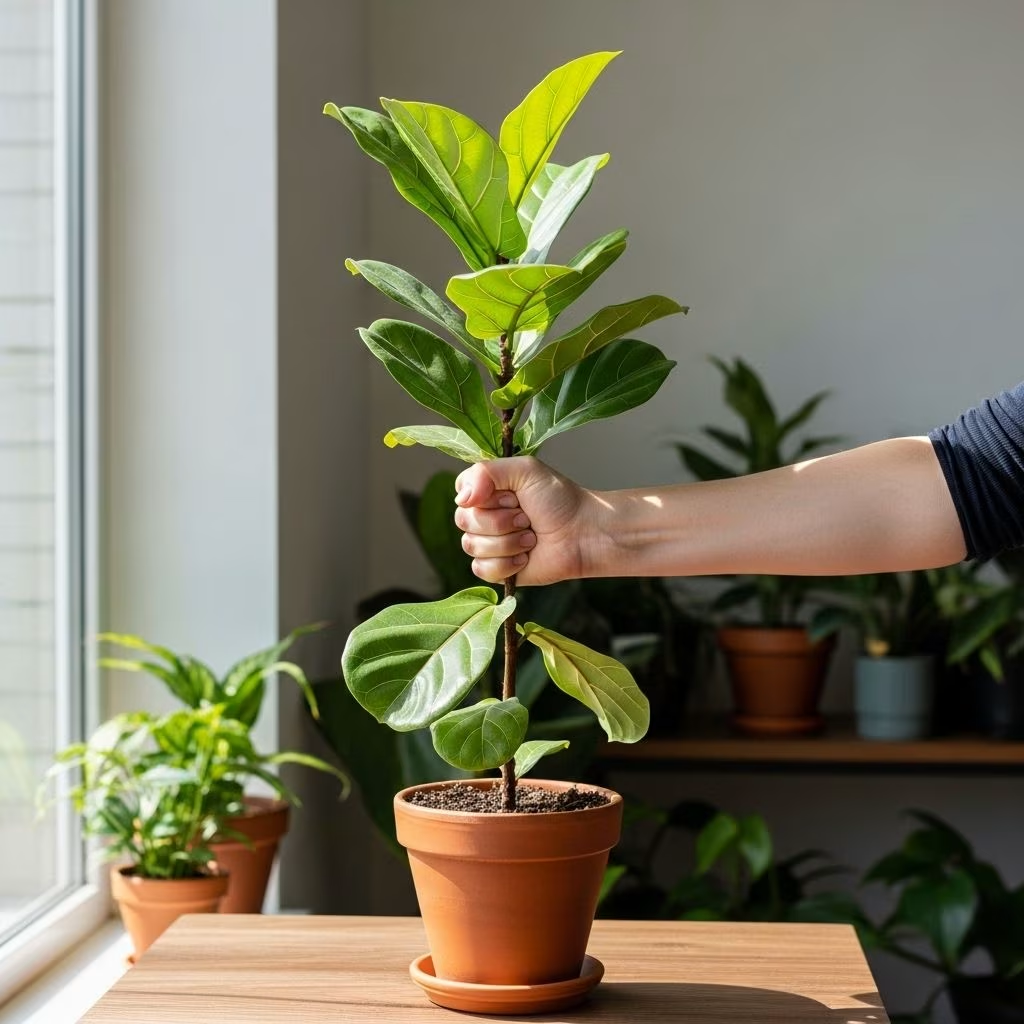
Does Shaking Your Plants Actually Work? Science, Myths, and Best Practices
Gardeners are always on the hunt for strategies that help plants grow healthy and robust—especially when cultivating indoors, where natural stimuli like wind are absent. One method that has gained attention is plant shaking. But does giving your plants a gentle shake really help them grow stronger, or is it a gardening myth destined for the compost heap? Explore everything you need to know about shaking your plants, including the underlying science, practical advice, common misconceptions, and safe techniques you can use at home for a stronger, lusher garden.
Understanding Thigmomorphogenesis: The Science Behind Plant Shaking
Plants are remarkably responsive to their environment. Thigmomorphogenesis is the scientific term describing how plants alter growth patterns in response to physical touch, movement, or mechanical stressors like wind. This adaptation is considered an “adaptive trait associated with increased fitness,” helping plants survive and thrive under real-world conditions.
- Gene activation: Physical stimuli initiate molecular responses, triggering genes that regulate cell wall growth, nutrient absorption, and immune defense.
- Cell wall thickening: Stems and trunks become sturdier as the plant fortifies its tissues when exposed to repetitive movement.
- Stress adaptation: Plants evolved to respond to wind, rainfall, and animal movement by growing stockier and less leggy, increasing their chances of survival.
Indoor plants lose out on this beneficial adaptation, sometimes resulting in floppy stems, weak trunks, or leggy growth. Here, gardeners step in to provide the missing stimulus through gentle shaking or simulated wind.
Common Benefits of Shaking Plants (When Done Properly)
- Strengthens stems and trunks: Regularly moving or gently shaking your plant can stimulate the development of thicker, more resilient stems.
- Prevents leggy growth: Plants that receive periodic movement grow more compactly, reducing the likelihood of bending, drooping, or uneven development.
- Improves nutrient uptake: Enhanced root and stem structure may facilitate improved nutrient flow and overall plant vigor.
- Promotes immune defense: Some studies suggest these mechanical cues also help bolster the plant’s natural defense mechanisms against stress and pests.
Popular Plants That Benefit from Shaking
While not all plants respond equally, several species—especially those grown indoors—can thrive with regular, gentle mechanical stimulation:
- Fiddle-leaf fig (Ficus lyrata): Known for its weak trunks under indoor conditions, gentle shaking once or twice daily can result in noticeably improved structural integrity within a single growing season.
- Tomatoes: Gardeners commonly shake tomato plants to assist in self-pollination and combat blossom drop during dry periods, though care must be taken to avoid root damage.
- Young seedlings: Early movement helps seedlings grow more robust and less likely to be toppled by wind or rain.
- Leggy houseplants: Stimulating weak stems supports sturdy vertical growth, minimizing the risk of collapse.
Table: Plant Response to Shaking
| Plant Type | Benefit of Shaking | Recommended Frequency |
|---|---|---|
| Fiddle-leaf fig | Thicker trunk, stronger support | 1-2 times daily |
| Tomato | Improved pollination, reduced blossom drop | During flowering period |
| Seedlings | Robust, non-leggy stems | A few minutes per day |
| Leggy indoor plants | Compact, upright growth | Regularly, but gently |
How to Safely Shake Your Plants: Best Practices
The key to successful plant shaking lies in gentleness. Overzealous movement can do more harm than good, especially to delicate root hairs and fragile stems. Follow these expert tips for effective, safe stimulation:
- Gentle movement is essential: Shake plants only slightly—just enough to wobble the stem, never forcefully or violently.
- Support the base: Hold near the soil line while shaking, preventing undue stress on roots and avoiding snapping fragile stems.
- Frequency over intensity: Consistent, light shaking is far preferable to infrequent, forceful movement. Once or twice daily is ample for most indoor specimens.
- Consider plant maturity: Young seedlings respond best, but mature plants with woody trunks may need less frequent movement and more care.
Alternatively, simulate natural wind by installing a fan in your indoor growing space. Air movement provides more uniform stimulation and tends to be gentler overall.
Potential Risks and Downsides
While plant shaking can be beneficial under controlled conditions, excessive or improper handling may:
- Damage root hairs: Essential for nutrient absorption, root hairs are easily torn when plants are vigorously shaken.
- Stress the plant: Excessive physical movement can trigger stress responses, leading to stunted growth or even plant death if repeated intensely.
- Disrupt flowering or fruiting: Overly frequent or forceful shaking may knock off flowers or developing fruit, especially in plants like tomatoes.
Ultimately, mild and careful shaking is the rule—never shake plants hard, and always monitor their response over time.
Shaking versus Wind Stress: What’s More Effective?
Plants outside benefit from natural wind, which provides consistent, multidirectional movement and often results in healthier, sturdier growth. Indoors, wind is absent, and plant shaking is a way to partially mimic this effect:
- Wind is variable: Direction, intensity, and duration change naturally, providing comprehensive movement to leaves, stems, and branches.
- Shaking is targeted: Direct, local manual movement can strengthen specific areas but risks isolating stimulation.
- Fans mimic nature: Using oscillating fans recreates consistent, gentle wind stress indoors without the dangers of forceful hand-shaking.
Common Myths and Misconceptions
Myth 1: Violent shaking always makes trunks thicker.
- Fact: Only gentle, repeated movement (not aggressive shaking) prompts adaptive growth. Hard shaking can cause root and stem damage.
Myth 2: Windy environments are essential for all plants.
- Fact: Plants tolerate wind because it exists, but most do not seek it out. Many adapt to stress by thickening tissues, but an excess of wind or movement can have negative consequences.
Myth 3: Manual shaking is superior to all other methods.
- Fact: Fans and air movement often provide more uniform, less risky stimulation for houseplants and seedlings.
Plant Shaking for Pollination: Tomatoes and Beyond
In some cases, plant shaking helps with manual pollination. Tomato growers often shake plants (or individual flower clusters) to mimic bee movement, increasing pollination efficiency, and reducing blossom drop during dry spells.
- Method: Gently tap or shake the stem or main branch during mid-day, when flowers are dry and open.
- Caution: Overdoing it may harm developing fruit, especially if roots are stressed due to inconsistent watering or nutrient deficiency.
Tips for Outdoor and Indoor Growers
- For outdoor growers: Leverage wind and physical interaction from rainfall or passing wildlife. No hand-shaking needed unless unusually protected areas.
- For indoor gardeners: Use small fans to create gentle drafts. Rotate plants to ensure even exposure, and supplement with careful manual shaking if needed.
- Monitor plant response: Check for signs of stress (leaf drop, discoloration, broken stems) and scale back mechanical stimulation if noticed.
What Leading Experts Say
Botanists and horticulturists agree: gentle movement can encourage stockier, hardier growth for certain indoor plants and young seedlings. However, risks of root and stem damage from improper technique make moderation essential.
Frequently Asked Questions (FAQs)
Q: Is shaking plants always necessary?
A: No. Outdoor plants naturally experience wind, so shaking is most useful for indoor-grown plants or young seedlings that lack environmental movement.
Q: Can plant shaking harm roots or stems?
A: Yes. Vigorous shaking can tear delicate root hairs and damage stems, impairing nutrient absorption and overall growth.
Q: How often should I shake my indoor plant?
A: Once or twice daily, using a gentle wobble—never rough or extended shaking. Always support the base and watch for any signs of damage.
Q: Are there alternatives to hand-shaking?
A: Yes. Fans that create a gentle airflow are highly effective for simulating wind indoors. Rotate plants for even exposure.
Q: Should I shake my plant to pollinate it?
A: For self-pollinating plants like tomatoes, gentle shaking during flowering can enhance pollination. Avoid over-shaking or handling wet flowers.
Final Takeaway: Does Plant Shaking Work?
When performed gently and consistently, plant shaking stimulates adaptive growth, helping certain plants—especially those grown indoors—develop stronger, thicker stems and improved resilience. Excessive or improper handling can backfire, damaging delicate root and stem structures. For gardeners seeking robust, upright plants, balance technique, frequency, and gentle stimuli for the best results. Where possible, employ fans and airflow to mimic natural wind for larger collections or delicate specimens. In all cases, monitor your plants, adjust your approach as needed, and enjoy the process of cultivating healthy, thriving botanical companions.