Let the Sun Shine In: Cooking with Cattail Pollen
Golden and luminous, cattail pollen captures a fleeting part of late spring. Regarded as a wild food treasure for centuries, it brings both color and a distinct, delicate flavor to the table. But foraging, storing, and preparing cattail pollen require knowledge, persistence, and a respect for wild places. This guide covers everything you need to know—from identifying and gathering pollen to kitchen-tested recipes that let cattail’s floral character shine.
What Is Cattail Pollen?
Cattail pollen is collected from the male flowers of cattails (Typha latifolia and related species), which are commonly found in wetlands and lakeshores. The pollen is a fine, golden-yellow powder with a distinct aroma, offering notes reminiscent of fresh corn and wildflowers. In baked goods, it imparts a unique texture and an earthy, sweet flavor. Its uses have been recorded for generations among foragers and indigenous peoples alike, often employed as an extender for scarce flour or as a highlight ingredient in its own right.
How to Identify and Harvest Cattail Pollen
Proper identification and timing are crucial for harvesting.
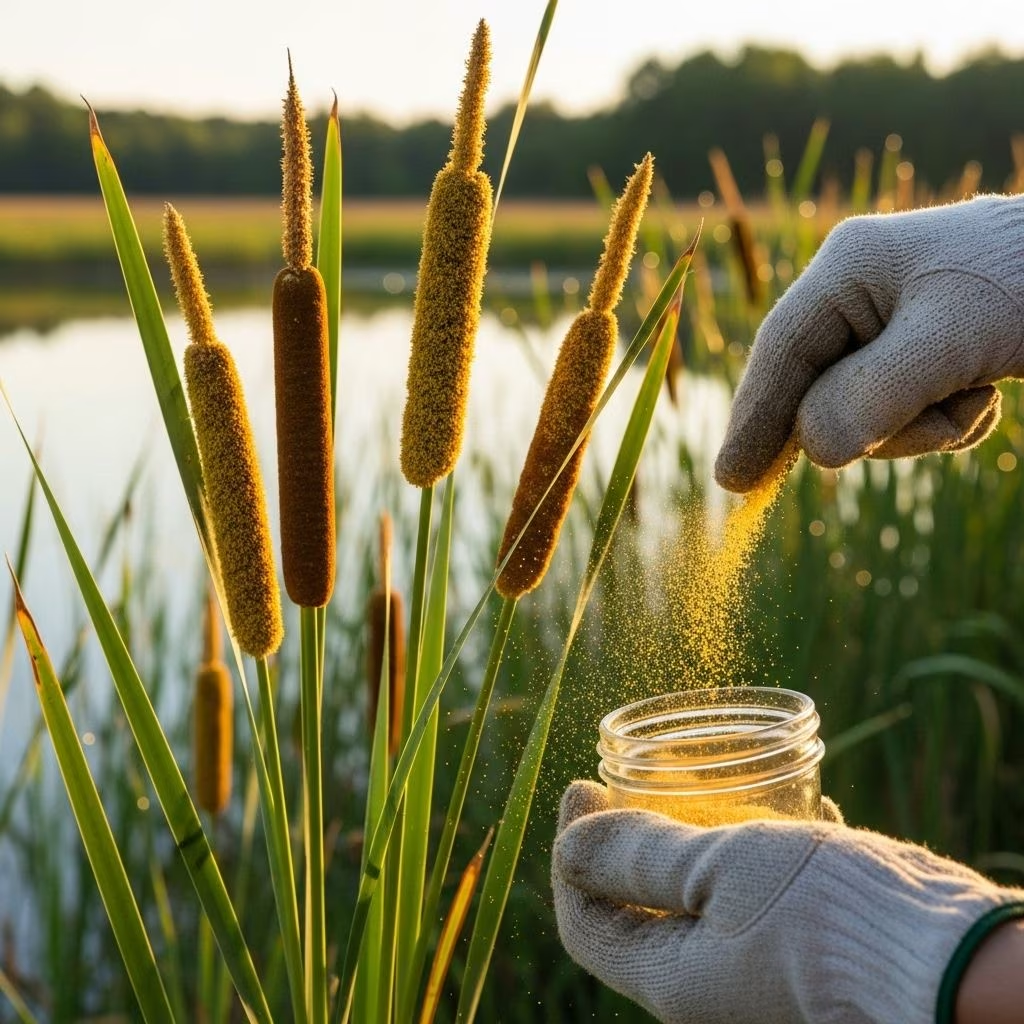
- Plant Recognition: Cattails are easily recognizable by their tall, reed-like leaves and characteristic brown, cigar-shaped flower spikes that appear in late spring to early summer.
- Harvest Time: The optimum window is short—just when the upper (male) part of the flower spikes begins to actively shed pollen, typically late May to early July depending on latitude.
- Best Locations: Look for healthy cattail stands in unmarred marshes, lakeshores, or riverbanks free from chemical runoff or contamination.
- Harvesting Technique:
- Using a container like a clean, dry milk jug or zip-top bag, gently bend the pollen-laden spikes over the opening and shake to release pollen. Avoid taking too much from a single stand to sustain the health of wild populations.
- The pollen falls in a fine dust, often mixed with some plant fibers or occasional insects. Expect to collect roughly 1/4 cup of pollen from 12–16 cattail flowers for small batch recipes. In large, healthy marshes, experienced foragers may gather up to a quart per hour.
Cleaning and Storing Cattail Pollen
The pollen collected will usually be mixed with bits of plant material and perhaps small insects. To clean:
- Sifting: Pour the pollen through a jelly bag, cheesecloth, or fine mesh sieve to separate the fine dust from fibers.
- Storage: Store well-dried pollen in sealed containers in the refrigerator or freezer to preserve freshness and prevent spoilage. Cattail pollen is delicate and can go rancid if kept at room temperature for extended periods.
Well-cleaned pollen can keep for weeks in the refrigerator or many months in the freezer. However, it is so delicious that most families use it up quickly after collection.
The Culinary Qualities of Cattail Pollen
- Taste: Sweet, floral, and earthy, with a hint of fresh corn flavor.
- Texture: Adds a fine, golden crumb and amplifies tenderness in baked goods.
- Uses:
- Traditionally used to extend flour in breads, pancakes, and biscuits.
- Accents rice, custards, and honey-forward recipes for a wild twist.
Typical Substitution Ratios
| Recipe Type | Pollen : Flour Ratio | Notes |
|---|---|---|
| Biscuits, Pancakes, Breads | 1:3 to 1:1 (pollen : flour) | Use up to half the total flour weight for strongest flavor; a third for subtlety. |
| Rice and Custards | 1-2 tbsp per batch | Stir in after cooking for aroma and color. |
Cattail Pollen Biscuits Recipe
This recipe highlights the golden hue and sweet-floral character of cattail pollen. The result: tender, fragrant biscuits beautiful with butter, maple syrup, honey, or ham. They freeze beautifully but are best enjoyed fresh from the oven.
Ingredients
- 3 3/4 cups all-purpose flour
- 1/4 cup cattail pollen [one harvest: 12–16 flower spikes]
- 1 tablespoon plus 2 teaspoons baking powder
- 1 teaspoon salt
- 2 tablespoons sugar
- 6 oz (about 3/4 cup) cold unsalted butter, coarsely grated
- 1 1/2 cups buttermilk
For the Egg Wash
- 1 egg, beaten
- 1 tablespoon milk
Instructions
- Preheat your oven to 375°F (190°C). Line a baking sheet with parchment paper.
- In a large mixing bowl, combine flour, cattail pollen, baking powder, salt, and sugar. Stir well.
- Add the grated butter. Using your fingertips, rub the butter gently into the dry ingredients until the mixture resembles coarse crumbs.
- Pour in the buttermilk. Stir minimally with a wooden spoon—just enough to begin to bring the dough together.
- Turn the dough onto a lightly floured surface. Press gently into an even slab roughly 1.5 inches thick.
- Using a biscuit cutter or upturned glass, cut as many rounds as possible. Quickly recombine scraps and repeat.
- Arrange biscuits close together on the baking sheet.
- Mix egg and milk for egg wash and brush gently onto the tops of biscuits.
- Bake for 20–23 minutes, until golden brown and risen.
- Serve warm and enjoy immediately. Extras freeze well and can be revived in a hot oven.
Cattail Pollen Pancakes Recipe
Pancakes are a classic gateway into foraged baking, letting the floral flavor of cattail pollen shine through. This recipe creates pancakes with a beautiful golden hue and delicate texture, perfect for breakfast or a wild brunch.
Ingredients
- 1/2 cup all-purpose flour
- 1/2 cup sifted cattail pollen
- 1/2 teaspoon salt
- 2 tablespoons sugar
- 2 teaspoons baking powder
- 1 egg
- 2 tablespoons melted butter
- 1 cup milk
Instructions
- Mix flour, cattail pollen, salt, sugar, and baking powder in a bowl.
- In a separate bowl, whisk together egg, melted butter, and milk.
- Add wet ingredients to dry and stir until just combined (do not over-mix).
- Heat a skillet or griddle over medium and grease lightly.
- Pour 1/4-cup batter portions onto the skillet. Cook until bubbles burst and the edges dry, then flip and cook until golden.
- Serve with maple syrup, honey, or fruit compote.
Other Ways to Use Cattail Pollen in the Kitchen
- Rice Dishes: Stir a tablespoon or two into hot cooked rice with sautéed onions and spices for a floral, golden finish. Use in place of saffron for a wild, forager’s approach.
- Breads & Cookies: Substitute 25–50% of your flour with pollen in bread, muffins, or cookie recipes. The pollen’s color and aroma elevate even the simplest baked goods.
- Custards & Ice Cream: Swirl pollen into custards or ice cream bases for subtle flavor and striking visual effect.
A Forager’s Code: Sustainable Harvesting Practices
- Never Overharvest: Cattails are essential for wetland ecosystems, providing food and habitat for numerous creatures. Take a little, leave plenty of flowers behind to support plant reproduction and wildlife needs.
- Harvest Away from Roads & Pollution: Always gather pollen from clean, wild environments to avoid chemical contamination.
- Know Your Plants: Only harvest from true cattails; avoid look-alikes unless you have positively identified them.
Troubleshooting & Tips for Working with Cattail Pollen
- Pollen Won’t Bind: Cattail pollen does not contain gluten, so it won’t bind or rise like wheat flour on its own. Always mix with conventional flour for best results.
- Handling Texture Variability: Some fibrous material is inevitable. Sift if you prefer a finer texture, or embrace the extra flavor and rusticity.
- Short Window, High Reward: Plan your harvesting trip based on the pollen season in your region—a matter of days or weeks each year.
Frequently Asked Questions (FAQs)
Q: Is cattail pollen safe to eat?
A: Yes, provided it is harvested from unpolluted areas and properly processed (cleaned and sifted). Ensure proper plant identification before foraging.
Q: Can cattail pollen be used as a complete replacement for flour?
A: No. Because cattail pollen lacks gluten, it cannot fully substitute for wheat flour in baking. Replace up to 50% of the flour for best results.
Q: When is the best time to harvest cattail pollen?
A: The ideal window is when male cattail flowers are bursting with golden pollen and easily shed when gently shaken—usually late spring to early summer, depending on your location.
Q: How long does collected pollen last?
A: If kept well-sealed and frozen, cleaned pollen retains flavor for months. For best taste and texture, use within weeks if refrigerated.
Q: What does cattail pollen taste like?
A: It has a sweet, nutty, subtly floral flavor with a freshness reminiscent of corn.
Conclusion
Bringing cattail pollen into your kitchen is a celebration of the wild landscape. Its season is brief but unforgettable—a burst of summer in every bite. Take only what you need, savor its honeyed colors and flavors, and let each golden recipe connect you to the place, season, and tradition of wild foraging.
References
- https://www.gardenista.com/posts/cattail-pollen-recipe/
- http://hungerandthirstforlife.blogspot.com/2010/06/wild-about-cattail-pollen.html
- https://northernwoodlands.org/knots_and_bolts/edible-cattail-pollen
- https://foragerchef.com/category/flowers-and-buds/pollen/
- https://www.natureoutside.com/how-to-make-cattail-pancakes/