Gardening 101: Solomon’s Seal
Solomon’s Seal (Polygonatum) is a perennial woodland plant cherished for its graceful arching stems, elegant foliage, and subtle bell-shaped blooms. Its adaptability to shady conditions and low maintenance make it a favorite among gardeners seeking lush groundcover or elegant border plants. This guide explores Solomon’s Seal’s botanical features, growing requirements, landscape uses, history, propagation methods, and addresses common gardener questions.
What is Solomon’s Seal?
Solomon’s Seal is the common name for over 60 identified species in the genus Polygonatum. Native to Asia, Europe, and North America, these plants thrive in woodland environments across the Northern Hemisphere. Their rhizomatous growth habit, distinctive leaves, and drooping flowers distinguish them from many other shade garden plants.
- Botanical Family: Asparagaceae
- Type: Herbaceous perennial
- Common Species: Polygonatum multiflorum, P. commutatum, P. biflorum
- Typical Height: 2–3 feet (60–90 cm)
- Spread: 10 inches to 1 foot (25–30 cm)
- Flowering Season: Late spring to early summer
- Hardiness Zones: 3–9
How Solomon’s Seal Looks in the Garden
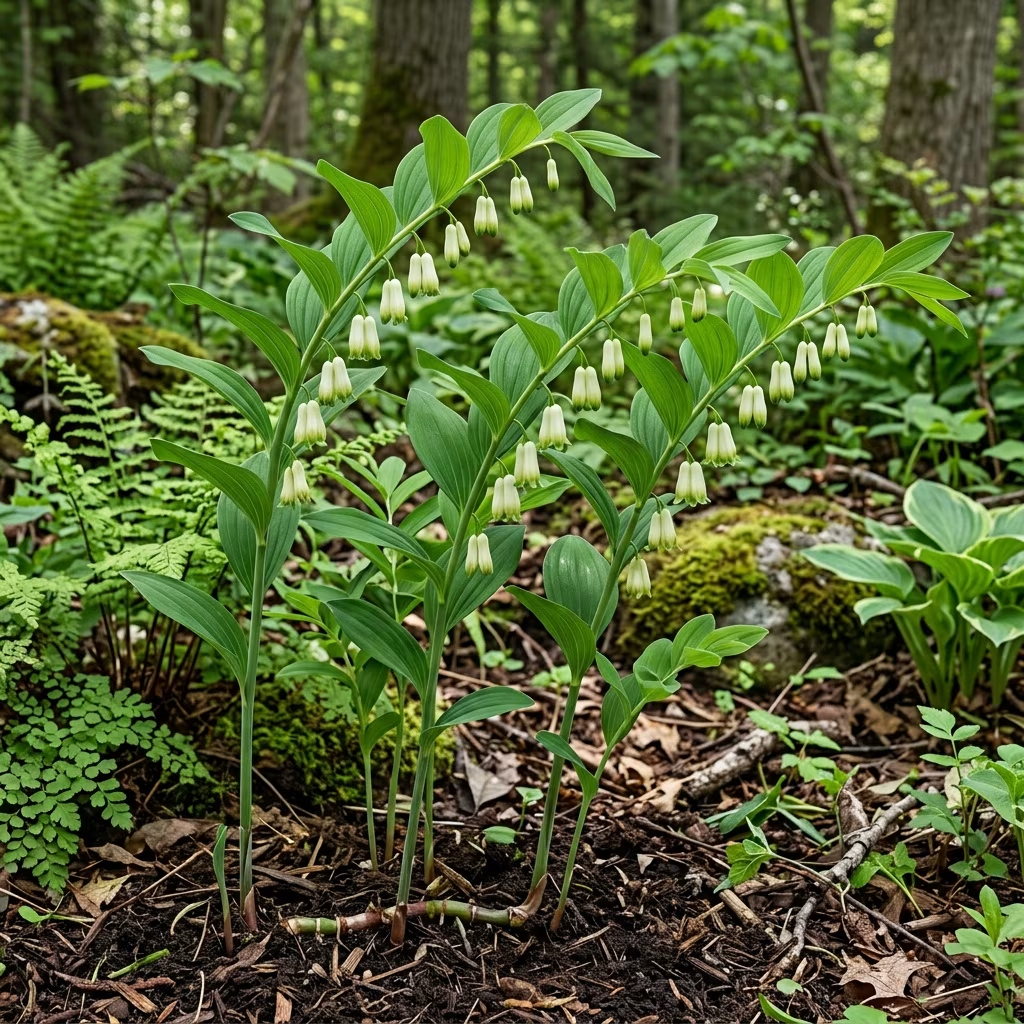
Growing from underground rhizomes, Solomon’s Seal displays gently arching stems lined with neat, lance-shaped, pinnately arranged leaves. In late spring, clusters of small, white-to-cream, pendulous bell-shaped flowers dangle beneath the stems where they’re often masked by the foliage. By summer’s end, flowers give way to round, blue-black or dark berries, followed by vibrant lemon-yellow foliage in autumn before dormancy.
- Stems: Arching, smooth, emerging from thick, horizontally-creeping rhizomes
- Leaves: Lance-shaped, parallel venation, alternate arrangement
- Flowers: Small, paired, nodding, creamy white or greenish blooms
- Fruit: Blue-black berries (attractive to birds)
- Foliage Color in Fall: Yellow to brown, sometimes bright gold before withering
Visual Interest Across Seasons
| Season | Features |
|---|---|
| Spring | Emerging shoots, bell-shaped flowers |
| Summer | Lush green arching stems and leaves |
| Fall | Yellow foliage, developing berries |
| Winter | Dormant rhizomes underground |
Where and How to Use Solomon’s Seal in Your Garden
Solomon’s Seal is particularly prized in shade gardens, woodland walks, and as groundcover in moist, sheltered spots. Its understated flowers complement bolder shade lovers like hostas, ferns, and astilbes. Planting it on banks and slopes helps stabilize soil, while its spreading rhizomes gradually create a lush carpet.
- Excellent for part shade to full shade areas
- Valued in informal and cottage gardens, woodland borders
- Useful on banks, slopes, beds, and borders
- Companion to hostas, ferns, columbines, Oregon grape, and astilbes
- Spreads gently, making it a good low-maintenance groundcover
- Often found in moist gullies, alongside streams, or shaded areas under trees
Growing Requirements and Care Tips
Solomon’s Seal is notably easy to cultivate and maintain, thriving in soils and light conditions similar to those found in its native woodland habitats. Here are the key requirements:
- Light: Prefers part shade to full shade; tolerates morning or dappled light but dislikes harsh afternoon sun.
- Soil: Rich, moist, well-drained soil is ideal; adapts to chalk, clay, loam, or sand with a range of pH values.
- Water: Regular watering, especially during dry periods; established plants are drought tolerant.
- Mulch: Allow leaf litter to accumulate for humus and moisture retention; organic matter enhances soil health.
- Temperature: Hardy in USDA zones 3–9.
- Fertilization: Apply balanced fertilizer in spring for best growth.
- Dividing: Divide rhizomes every 3–5 years to prevent overcrowding and rejuvenate growth.
Planting Tips
- Choose a shaded or partially shaded spot with moist, humus-rich soil.
- Amend soil with compost or organic matter to improve drainage.
- Plant rhizomes horizontally, a few inches deep in spring or autumn.
- Keep newly planted rhizomes evenly moist until established.
- Space plants about 12 inches (30 cm) apart for best spread and coverage.
Maintenance Notes
- Water during dry spells, especially until plants are established.
- Keep mulch around the base but avoid smothering stems.
- Low susceptibility to pests and diseases; deer tend to avoid Solomon’s Seal.
- Resistant to urban pollution, suitable for city and courtyard gardens.
How to Propagate Solomon’s Seal
Solomon’s Seal propagates most readily by dividing mature rhizomes, although patient gardeners may attempt seed propagation. Division ensures genetic consistency and faster establishment.
- Division: Dig clumps in either spring (as new growth emerges) or fall (after foliage fades).
- Gently break or cut rhizomes into segments, each with a few buds or shoots.
- Replant horizontally, cover with soil, and maintain moisture until new shoots appear.
- Avoid disturbing plants for the first few years, as they are sensitive to relocation.
Seed propagation is possible but slow; seeds should be sown in autumn and may require stratification (cold treatment) to germinate.
Watering and Fertilizing Solomon’s Seal
Solomon’s Seal prefers consistently moist but well-drained soil. Excessive dryness in the first year can stunt growth, but established plants handle short-term drought. Fertilize lightly with a balanced, all-purpose fertilizer in spring, or use compost as a natural feeding method.
- Check soil regularly; water if surface feels dry below mulch.
- Spring application of organic compost encourages robust stem and leaf development.
- Sparse fertilization is best — focus on soil health rather than feeding.
Pests, Diseases, and Wildlife
Solomon’s Seal is remarkably trouble-free for the home gardener. It is rarely bothered by insects or diseases, and deer and rabbits generally avoid it due to mildly unpalatable compounds. Birds may enjoy the berries in late summer, adding seasonal interest.
- Pests: Few to none; occasional aphids or slugs but generally not a concern.
- Diseases: Minimal; root rot only in poorly drained or waterlogged soil.
- Wildlife Value: Berries attract birds; flowers host small pollinators and arthropods (such as crab spiders).
- Animal Resistance: Deer tolerant and not a favorite of rabbits.
Best Garden Companions for Solomon’s Seal
Because Solomon’s Seal enjoys moist shade and forms lush groundcover, plant it alongside:
- Hostas
- Ferns
- Astilbes
- Columbines
- Oregon grape
- Geraniums
- Sedges and mosses
Natural woodland associations include mixed plantings along streams with diverse shade-loving species. These combinations mimic the plant’s natural habitat and create attractive layered shade borders.
Cultural and Historical Uses of Solomon’s Seal
The plant’s evocative name and medicinal lore enhance its appeal. The name “Solomon’s Seal” refers to circular scars on the rhizomes that resemble the seal of the biblical King Solomon—two overlapping triangles or a six-pointed star—marking annual stem growth.
- Traditional Medicinal Uses: Historically used to treat various ailments, especially as a joint and tendon remedy or digestive aid.
- Culinary: Rhizomes reportedly can be ground, baked into bread, and stems eaten like asparagus (caution is needed — never consume unless certain of correct identification and preparation method).
- Symbolism: Long associated with wisdom and healing in folk traditions.
In gardens, Solomon’s Seal brings both heritage and beauty, especially as a reminder of rich woodland plant communities.
Troubleshooting Common Problems
- Yellowing leaves out of season: Check for insufficient moisture or transplant shock.
- Poor flowering: Too much sun, lack of nutrients, or overcrowding could be at fault.
- Root rot: Ensure soil drains well; amend with organic matter and avoid stagnant wet spots.
How to Use Solomon’s Seal for Design Inspiration
Consider weaving Solomon’s Seal along shaded paths, beneath trees, and in quiet woodland corners. Allow its natural arching shapes to spill over rocks, drift through ferns, and soften hardscape edges for a serene effect. Mass plantings can produce luminous carpets of spring bloom, while solitary specimens become graceful punctuation marks in mixed borders.
- Mix with shade annuals for seasonal interest
- Pair with spring bulbs for a dynamic early-season show
- Employ as edge plant along woodland trails
Frequently Asked Questions (FAQ)
Q: Can I grow Solomon’s Seal from seed?
A: Yes, but it’s a slow process. Seeds often need cold stratification and take up to a year to germinate. Most gardeners prefer dividing rhizomes for reliable results.
Q: Is Solomon’s Seal deer-proof?
A: While no plant is fully “deer-proof,” Solomon’s Seal is generally deer-resistant. Deer seldom browse this plant due to its mildly bitter compounds.
Q: Will Solomon’s Seal tolerate dry shade?
A: Established clumps are drought tolerant, but newly planted rhizomes need consistent moisture until roots develop.
Q: Can I grow Solomon’s Seal in containers?
A: Yes, provided you use rich, well-drained potting mix, maintain regular watering, and keep pots in shaded locations. Outdoor containers must be protected from freezing.
Q: Is Solomon’s Seal invasive?
A: It can spread steadily in ideal conditions but does not typically outcompete other woodland or shade plants. Its spreading is usually slow and manageable.
Quick Reference Table: Solomon’s Seal at a Glance
| Feature | Details |
|---|---|
| Genus | Polygonatum |
| Common Name | Solomon’s Seal |
| Exposure | Partial shade to full shade |
| Soil | Moist, rich, well-drained |
| Height | 2–3 feet |
| Spread | 10–12 inches per stem |
| Foliage | Arching stems, alternate leaves |
| Flowers | Bells, creamy white, spring |
| Fruit | Blue-black berries |
| Maintenance | Low |
Five Reasons to Grow Solomon’s Seal
- Elegant Foliage: Graceful shape that complements shade gardens and woodland borders.
- Long Seasonal Interest: Spring flowers, lush summer greenery, and bright autumn color.
- Low Maintenance: Minimal care after establishment; withstands drought and disease well.
- Wildlife Friendly: Attracts birds and supports local pollinator populations.
- Cultural History: Adds a touch of folklore and tradition to garden and landscape design.
References and Further Reading
- Penn State Extension: Cultivation and history of Solomon’s Seal.
- Wisconsin Horticulture: Propagation and shade garden uses.
- Gardenia.net: Landscape and design tips.
- Colorado Native Plant Society: Native habitat insights.
- Gardening in my yard (YouTube): Hands-on tutorials.
References
- https://www.youtube.com/watch?v=qPGqnkzNRsE
- https://extension.psu.edu/programs/master-gardener/counties/warren/demonstration-gardens/betts-demonstration-garden/solomons-seal
- https://www.gardenia.net/plant/polygonatum-multiflorum
- https://hort.extension.wisc.edu/articles/solomons-seal-polygonatum-spp/
- https://conps.org/solomons-seal-a-good-native-plant-for-shady-gardens/