


Welding Flash Burn: Home Treatment, Symptoms & Prevention
Welding flash burn, often called arc eye or welders flash, is an ocular injury caused by exposure to intense ultraviolet (UV) light generated during welding. This condition is both painful and potentially dangerous, making awareness of its symptoms, correct treatments, and preventative strategies crucial for everyone working with welding equipment or in proximity to welding activities.
What Is Welding Flash Burn?
Welding flash burn, medically termed photokeratitis, refers to damage of the cornea— the clear front surface of the eye— caused by sudden or prolonged exposure to intense UV light. This is commonly experienced by welders who do not use adequate eye protection. The UV exposure effectively “burns” the corneal cells, causing pain, discomfort, and other symptoms.
The phenomenon is often compared to a sunburn, but instead of affecting the skin, it impacts the delicate tissues of the eye. Even a few seconds of direct or reflected exposure to a welding arc can lead to photokeratitis, necessitating immediate attention and proper care.
Causes of Welding Flash Burn
The primary culprit behind welding flash burns is UV radiation from welding arcs. However, other sources can also contribute:
- Arc welding without proper protection: The intense visible and invisible UV light produced can quickly damage ocular tissues.
- Reflected UV exposure: UV rays bouncing off shiny surfaces can reach the eyes indirectly.
- Excessive exposure duration: The longer the eye is exposed, the more severe the burn.
- Other sources of UV: Sunlight reflected off snow, metal, or water surfaces, as well as tanning beds, may cause similar injuries.
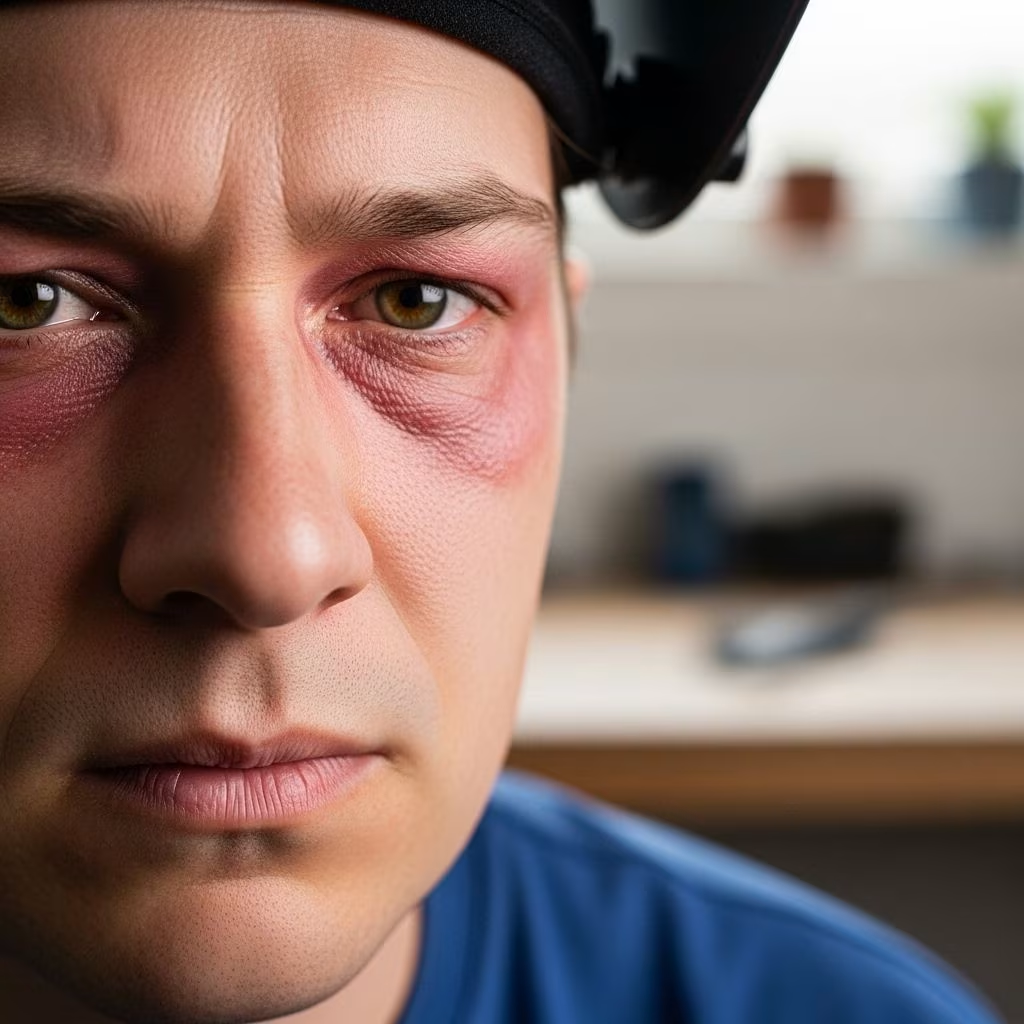
Regardless of source, the result is injury to the eye’s outer layer, often visible as redness, swelling, and discomfort.
Symptoms of Welding Flash Burn
Symptoms typically emerge within 30 minutes to 12 hours after exposure and may vary based on the intensity and duration of contact:
- Pain in the eyes (ranging from mild to severe)
- Photophobia (sensitivity to light)
- Redness (bloodshot eyes and eyelids)
- Watery eyes (excessive tearing)
- Foreign body sensation (feeling as if sand or debris is present)
- Blurred vision
- Decreased vision
- Headache
These symptoms may be confused with other eye conditions such as dry eyes, conjunctivitis, or chemical exposure, underscoring the importance of professional diagnosis.
Welding Flash Burn Eyes: Home Treatments
While rest and recovery in a controlled environment are essential, home treatments can be administered to relieve discomfort before seeking medical attention. However, it’s strongly advised to consult with a doctor or ophthalmologist before applying any remedy, especially when in doubt about severity.
12 Simple and Effective Home Remedies
- Cold Ice Pack
- Applying a cold pack over closed eyelids for around 5 minutes can soothe inflamed corneal tissues. The cold helps numb nerves, lowering pain and swelling.
- Cold Water Cloths and Towels
- Immerse clean towels in icy water, wring gently, and place over eyes. Rest in a dim area while doing so. This reduces strain, relaxes eye muscles, and minimizes discomfort.
- Chilled Tea Bags
- Tea leaves have natural antioxidant and anti-inflammatory properties. Apply cool, moist tea bags to each eyelid for about 10 minutes. Ensure the bags are clean and free from additives.
- Artificial Tears
- Over-the-counter lubricating eye drops keep eyes moist, reduce friction, and flush out irritants. Avoid drops containing preservatives unless recommended by a doctor.
- Rest and Avoid Light
- Stay in a dark or dimly lit room. Bright screens and sunlight exacerbate symptoms. Refrain from watching television, computer screens, or using smartphones during recovery.
- Sunglasses Indoors
- Wear sunglasses to decrease light sensitivity and shield recovering eyes even while indoors.
- Proper Hygiene
- Wash hands thoroughly before touching your eyes. Avoid rubbing or applying unverified substances directly to eyes as these can introduce infections or worsen injury.
- Sleep
- Sleep is vital—extended rest helps the cornea regenerate and heal more rapidly.
- Pain Management
- Oral nonsteroidal anti-inflammatory medications such as paracetamol (acetaminophen) can provide symptomatic relief. Always adhere to dosage guidelines on medication labels.
- Remove Contact Lenses
- If you wear contacts, switch to glasses until full healing is confirmed by a medical professional.
- Do Not Self-Medicate
- Do not apply unverified remedies (potato, milk, rosewater, etc.) directly into eyes. These may introduce harmful bacteria and trigger infection.
- Monitor for Complications
- If symptoms worsen, vision declines, or pain becomes severe, seek immediate medical attention.
Important: Even though these remedies help with symptom management, none replace a professional eye examination in cases of persistent or severe discomfort.
Medical Treatments and When to See a Doctor
Professional attention is strongly advised for any flash burn:
- Antibiotic Eye Ointment: Doctors may prescribe a topical ointment to prevent bacterial infection and facilitate healing.
- Artificial Tears and Lubricants: Medical lubricants soothe the cornea and facilitate healing.
- Oral Painkillers: Paracetamol or other recommended medications manage pain.
- Routine Eye Tracking: Follow up as directed by your clinician to ensure proper healing.
Most flash burns resolve within one to two days with rest and proper treatment. However, complications can include:
- Corneal scarring
- Chronic dry or red eyes
- Secondary infections
- Partial or complete loss of vision (rare, if untreated)
Always avoid using contact lenses until your doctor confirms healing is complete. If photophobia persists or vision does not return to normal, consult an ophthalmologist promptly.
Table: Home Treatments vs. Medical Treatments for Welding Flash Burn
| Home Treatment | Medical Treatment |
|---|---|
| Cold compresses, rest, artificial tears, sunglasses indoors | Antibiotic ointment, prescribed lubricants, oral painkillers |
| Avoid light exposure, pain management with OTC medications | Professional diagnosis and infection prevention |
| Monitoring symptoms for complications | Monitoring healing progress via medical follow-up |
Prevention of Welding Flash Burn
Since prevention is far superior to cure, the following proactive measures are recommended for anyone engaged in welding activities:
- Use Certified Welding Helmets: Always wear helmets with proper shade rating for the type of welding task. Professional recommendations include models such as Lincoln Viking 3350, Optrel Crystal 2.0, or 3M Speedglas G5-02.
- Protective Eyewear for Bystanders: Ensure everyone nearby wears UV-blocking goggles or shields.
- Install UV Barriers: Physical screens or curtains can safeguard adjacent workers or equipment.
- Monitor Work Environment: Be aware of reflective surfaces that can increase indirect exposure.
- Train Personnel: Regular safety training and protocol reviews minimize accidents.
Vigilant use of protective gear and adherence to safety protocols virtually eliminates the risk of flash burns and ensures overall eye health in hazardous environments.
Frequently Asked Questions (FAQs)
Q: How soon after welding exposure do flash burn symptoms occur?
A: Symptoms often materialize between 30 minutes and 12 hours after exposure. Severity varies with exposure duration and UV intensity.
Q: Can welding flash burns heal on their own?
A: Most mild cases heal within one or two days through eye rest and conservative treatment. Severe burns, however, may require medical intervention and risk complications if left untreated.
Q: Are home remedies like potato or rosewater drops safe for flash burn?
A: No. Never use unverified home remedies directly on eyes. Such acts may introduce bacteria, aggravate injuries, and raise risk of infection.
Q: When should I seek immediate medical help for flash burn?
A: If pain worsens, vision declines, photophobia increases, or if symptoms persist beyond 48 hours despite home care, consult an eye specialist promptly.
Q: What protective equipment best prevents welding flash burn?
A: Certified welding helmets with UV-filtering lenses, safety goggles, and physical shields are recommended. Always check helmet compliance and fit for maximum protection.
Q: Is it safe to continue wearing contact lenses after a flash burn?
A: No. Remove contact lenses immediately and switch to glasses until a medical professional confirms the eye is healed.
Conclusion
Welding flash burn is a serious but preventable occupational hazard. Early identification, prompt symptom management, adherence to medical recommendations, and above all, rigorous prevention using high-quality protective equipment are key to maintaining lasting eye health in the presence of welding arcs.
References
- https://bakersgas.com/blogs/welding-gear/proper-treatment-for-flash-burns
- https://www.allaboutvision.com/conditions/keratitis/welders-flash/
- https://www.cruxweld.com/blog/welding-flash-burn-eyes-home-treatment/
- https://www.safercare.vic.gov.au/sites/default/files/2019-07/Eye%20injury%20-%20flash%20burns.pdf
- https://my.clevelandclinic.org/health/diseases/25230-corneal-flash-burns
- https://www.webmd.com/eye-health/corneal-flash-burns
- https://specialty.vision/article/flash-burns/
- https://abrahameye.com/how-to-relieve-corneal-flash-burn/
- https://www.drugs.com/cg/corneal-flash-burns.html


