


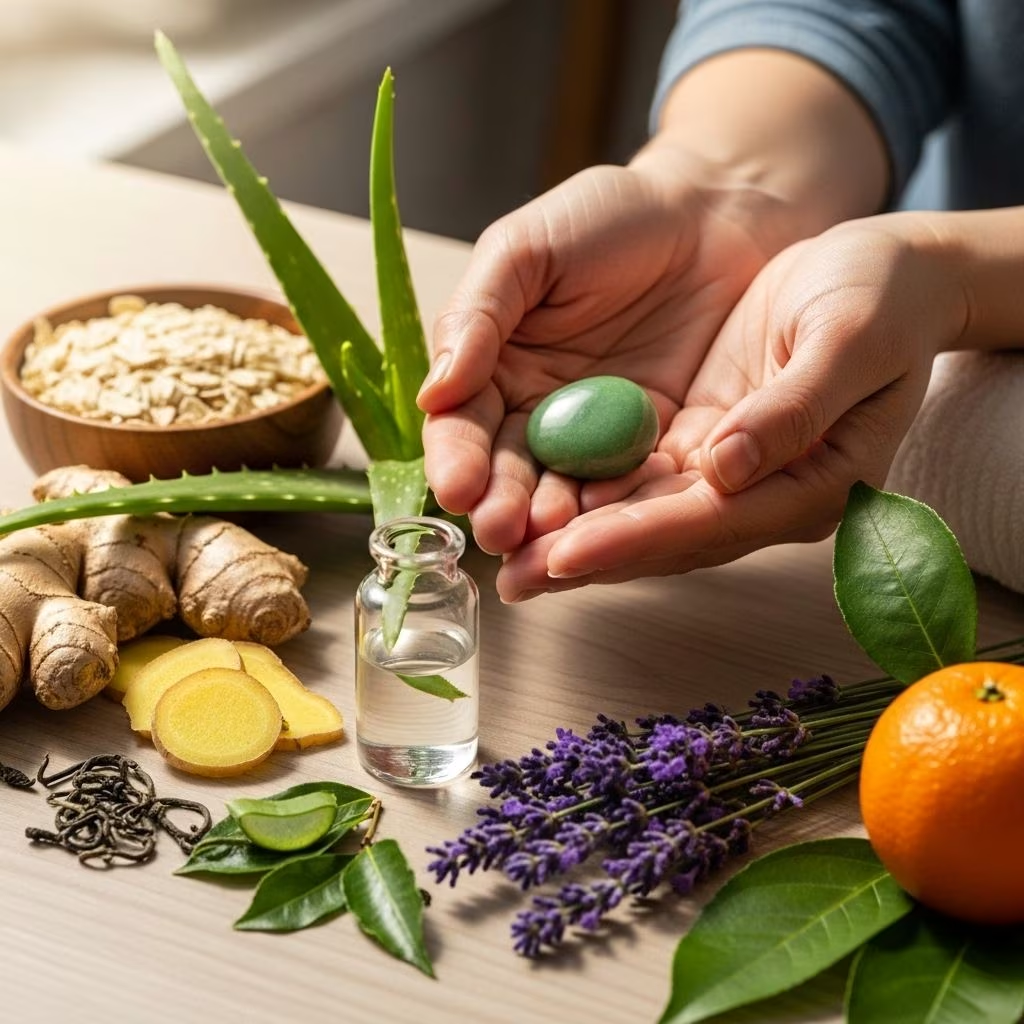
11 Effective Home Remedies And Prevention Tips For Scleroderma
Scleroderma is a rare, progressive autoimmune disorder that leads to the excessive production of collagen, resulting in the hardening and tightening of the skin and, in some cases, internal organs. While medical interventions are essential for managing severe cases, various home remedies and lifestyle modifications can help alleviate symptoms, improve skin health, and support overall well-being. Below, discover the most recommended natural remedies and prevention tips to help manage scleroderma effectively.
Understanding Scleroderma: Types And Symptoms
Scleroderma, also known as systemic sclerosis, falls under connective tissue diseases that manifest primarily through the thickening and tightening of the skin. The condition is broadly categorized into two main types:
- Localized Scleroderma: Usually milder and limited to skin changes, presenting as patches or bands of thickened skin.
- Systemic Scleroderma: More severe; can affect blood vessels and internal organs, leading to symptoms like swelling, red spots, thickened fingers, and joint stiffness.
Both types tend to affect women more commonly than men. Early recognition and intervention are crucial to minimizing complications.
Home Remedies To Manage Scleroderma Symptoms
Although scleroderma has no known cure, incorporating certain natural remedies may provide symptomatic relief and support conventional treatment. Here are 11 home remedies considered beneficial:
1. Vitamin D
Why It May Help: Vitamin D influences immune function and skin health. Many with scleroderma show low vitamin D levels.
- Ensure regular, safe sun exposure.
- Discuss vitamin D supplementation with your physician to maintain optimal blood levels.
Tip: Always monitor levels with your healthcare provider before starting supplements.
2. Essential Oils
Certain essential oils, when diluted, provide soothing effects on hardened or inflamed skin.
- Lavender oil: Calms skin irritation and reduces redness.
- Frankincense oil: May support skin regeneration and reduce inflammation.
Mix a few drops with a carrier oil (e.g., coconut or olive oil) and gently massage onto affected areas once or twice daily.
3. Gotu Kola (Centella Asiatica) Tea
- Steep ½ teaspoon of dried gotu kola in one glass of hot water for 5–7 minutes. Strain and drink up to three times per day.
Why It Works: Gotu kola stabilizes connective tissues and supports blood vessel health, helping alleviate inflammation and stress-related symptoms.
4. Turmeric
- Add 1 teaspoon turmeric powder to a cup of hot milk or water; stir well and drink once daily.
- Alternatively, create a turmeric paste (turmeric + water) and apply topically to affected skin for a few minutes before rinsing.
Why It Works: Curcumin, the active ingredient in turmeric, helps suppress the fibrotic process and may limit collagen overproduction, potentially slowing the progression of scleroderma.
5. Onion
- Slice a small onion in half and gently rub it on affected skin areas.
- Leave the extract for 20–30 minutes before rinsing off.
- Repeat 1–2 times daily.
Why It Works: Onions contain thiosulfinates and cepaene, compounds with anti-inflammatory properties that may relieve swelling and improve texture.
6. Lemon & Honey
- Mix the juice of one lemon with 1 teaspoon of honey.
- Apply to hardened skin, leave on for 20 minutes, and rinse off.
- Repeat once daily.
Why It Works: Lemon’s natural acids help soften thickened skin and reduce inflammation, while honey adds moisture.
7. Gram Flour Paste
- Combine 2 teaspoons gram flour with enough water to form a paste.
- Apply evenly to affected skin, leave for 20 minutes, then rinse off with water.
- Optionally use as a gentle, natural soap replacement daily.
Why It Works: Gram flour helps exfoliate, smoothen, and restore texture to rough, thickened skin.
8. Fish Oil (Omega-3 Fatty Acids)
- Include oily fish (like salmon, sardines) in your diet, or discuss fish oil supplements with your physician.
Why It Works: Omega-3 fatty acids in fish oil have potent anti-inflammatory properties that support cardiovascular and skin health, potentially reducing scleroderma-related inflammation.
9. Exercise and Physical Activity
- Incorporate daily flexibility and range-of-motion exercises to help keep the joints and skin supple.
- Gentle yoga, stretching, and swimming are particularly beneficial.
Why It Works: Regular movement improves circulation, prevents contractures, and eases stiffness.
10. Skin Protection Strategies
- Keep skin moisturized with emollients and gentle, fragrance-free creams.
- Use sunscreen to protect from sun-induced damage.
- Avoid harsh soaps and chemicals; use lukewarm water for washing.
- Wear mittens/gloves in cold weather to protect against Raynaud’s phenomenon (a common scleroderma complication).
Why It Works: Moisturization and protection guard against further skin damage and discomfort from dryness or irritation.
11. Dietary Changes
- Follow a balanced diet rich in fruits, vegetables, lean proteins, and healthy fats.
- Limit processed foods, reduce salt intake, and avoid foods that trigger heartburn or acidity.
- Stay hydrated and consume foods high in antioxidants to support immune health.
Why It Works: Nutrition supports both immune function and tissue repair, helping to control symptoms and support overall health.
Medical Management And When To Seek Help
While home remedies may assist with symptom management, many individuals with scleroderma require conventional medical interventions, such as:
- Immunosuppressants and anti-inflammatory drugs
- Physical and occupational therapy
- Laser therapy for severe skin thickening
Consult your healthcare provider for personalized advice, especially if you experience sudden worsening of symptoms, new skin changes, or signs of internal organ involvement (such as difficulty breathing or swallowing).
Lifestyle Tips & Preventive Measures
- Stay Active: Maintain regular exercise routines to keep muscles and joints flexible.
- Protect Your Skin: Moisturize daily, use sunblock, and wear protective clothing in cold weather.
- Quit Smoking: Smoking constricts blood vessels, increasing the risk of complications like Raynaud’s phenomenon and lung involvement.
- Manage Heartburn: Eat smaller, frequent meals; avoid triggering foods; prop up your head while sleeping to reduce gastric reflux.
- Emotional Support: Join support groups or seek counseling to manage stress, anxiety, or depression related to scleroderma.
Infographic: Five Natural Ways To Manage Scleroderma
Below is a quick overview of five standout natural treatments for managing scleroderma symptoms:
- Vitamin D: Immune modulation and skin health support
- Fish Oil: Reduces inflammation and improves circulation
- Turmeric: Curcumin slows down excessive collagen production
- Gotu Kola: Stabilizes connective tissue and relieves inflammation
- Lemon Juice: Softens thickened skin and reduces swelling
Frequently Asked Questions (FAQs)
Q: Can scleroderma be completely cured with home remedies?
A: No, scleroderma cannot be cured by home remedies alone. These natural approaches can help manage symptoms and support conventional treatments but do not address the underlying autoimmune cause. Always consult your doctor for an appropriate medical plan.
Q: Is it safe to apply lemon juice or turmeric on open wounds or cracked skin?
A: No, avoid applying acidic or potentially irritating substances like lemon juice or raw turmeric on open wounds, cracks, or severely damaged skin, as these may cause burning or further irritation.
Q: Can lifestyle modifications really improve scleroderma symptoms?
A: Yes, regular exercise, skin care, dietary changes, and stress management have been shown to help relieve stiffness, improve circulation, and promote skin health in those with scleroderma.
Q: Which foods should I avoid if I have scleroderma?
A: Limit highly processed foods, excess salt, spicy foods, or anything that triggers heartburn or gastric discomfort. Alcohol and caffeine may also exacerbate Raynaud’s and gastrointestinal symptoms in some people.
Q: How do I protect my fingers in cold weather if I have Raynaud’s phenomenon?
A: Always wear warm gloves or mittens and layer your clothing. Use reusable hand warmers, avoid sudden temperature changes, and keep hands well moisturized to protect against dryness and ulcers.
Final Thoughts
Living with scleroderma presents daily challenges, but with a comprehensive approach that blends medical care, home remedies, and lifestyle changes, many individuals experience better symptom control and quality of life. Always coordinate with your healthcare team for a treatment plan tailored to your needs, and consider joining support communities for encouragement and advice.
References
- https://www.stylecraze.com/articles/effective-home-remedies-to-treat-scleroderma/
- https://www.stylecraze.com/articles/effective-home-remedies-for-tendonitis/
- https://www.mayoclinic.org/diseases-conditions/scleroderma/diagnosis-treatment/drc-20351957
- https://www.myupchar.com/en/disease/scleroderma/home-remedies
- https://www.uofmhealth.org/conditions-treatments/rheumatology/nutrition-scleroderma
- https://sclerodermie.ca/wp-content/uploads/2020/01/GuideAlimentairV2020_ang_br.pdf
- https://www.center4research.org/scleroderma-what-is-it-and-how-is-it-treated/
- https://pmc.ncbi.nlm.nih.gov/articles/PMC11355336/


