


\n\n
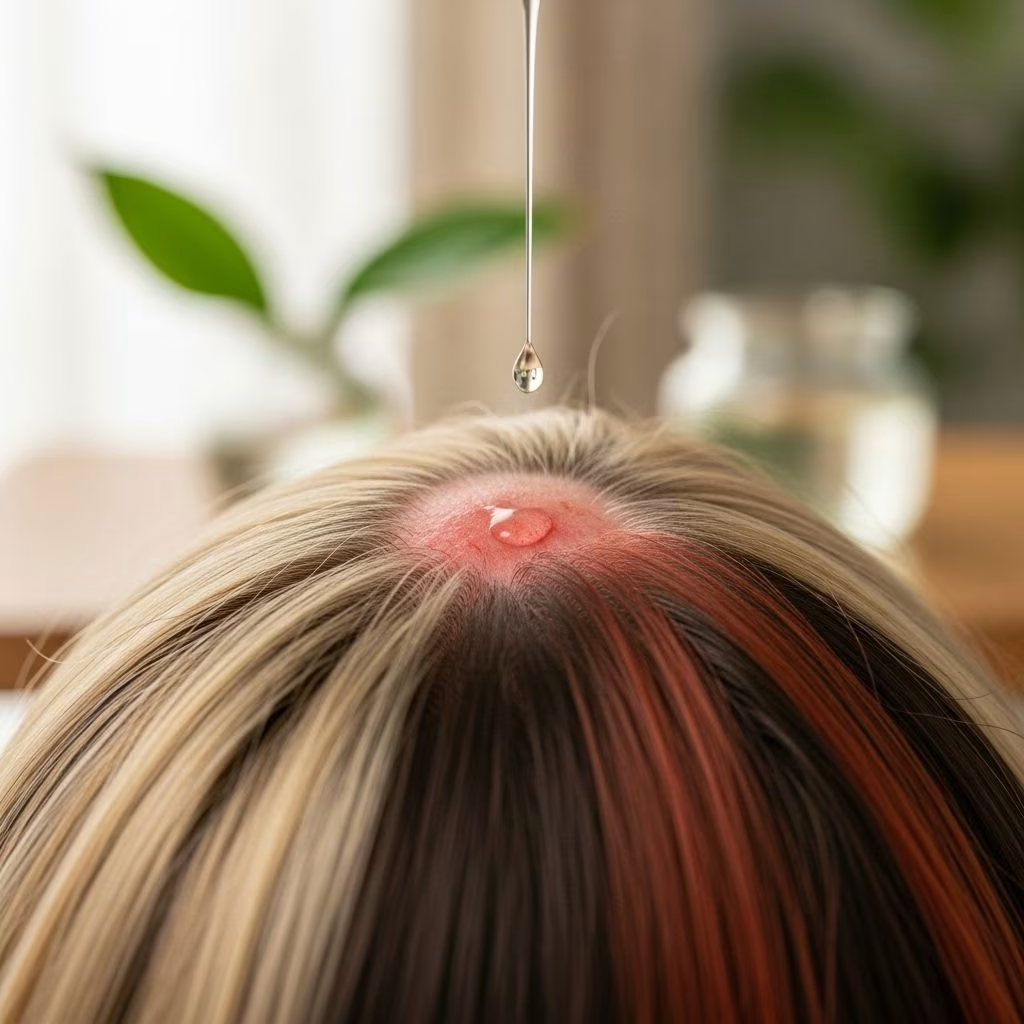
Hair dyes are a popular way to transform your look, but unfortunately, they can sometimes trigger allergic reactions, ranging from mild redness and itching to severe swelling and blistering. Managing these reactions promptly and safely is crucial for your skin and scalp health. This guide provides detailed, evidence-based home remedies and expert advice to help you minimize discomfort and manage hair dye allergies at home.
\n\n
What Is a Hair Dye Allergy?
\n
A hair dye allergy is a skin reaction (contact dermatitis) that results when your immune system responds aggressively to certain chemicals in hair dye, mainly para-phenylenediamine (PPD) and para-toluenediamine (PTD). These chemicals help produce long-lasting colors, but can irritate sensitive skin or lead to allergic reactions in some individuals.
\n\n
Causes of Hair Dye Allergies
\n
The majority of allergic reactions are triggered by PPD or PTD—chemicals prevalent in darker hair dye shades. Other dyes and metal salts found in both permanent and semi-permanent hair colors may also contribute to allergic responses. Risk factors include:
\n
- \n
- Pre-existing allergies or sensitive skin
- Frequent use of hair color products
- Improper patch testing before dye application
- Damaged or compromised scalp skin
- Genetic predisposition to dermatitis
\n
\n
\n
\n
\n
\n\n
Symptoms of Hair Dye Allergy
\n
Recognizing early signs of a hair dye allergy is essential to prevent serious complications. Common symptoms include:
\n
- \n
- Itching (scalp, neck, ears, or face)
- Redness or rash on the scalp or skin
- Swelling (especially around the eyes and face)
- Blisters or hives
- Dry, flaky, or cracked skin
- Burning or stinging sensations
- In very rare cases, difficulty breathing (immediate emergency care required)
\n
\n
\n
\n
\n
\n
\n
\n\n
Immediate Actions to Take After a Hair Dye Reaction
\n
If you suspect you’re experiencing an allergic reaction to hair dye, act quickly:
\n
- \n
- Rinse your scalp and hair thoroughly with warm water and a gentle, fragrance-free shampoo to remove all traces of the dye.
- Pat your hair and scalp dry gently with a clean towel.
- If symptoms are severe (e.g., difficulty breathing, facial swelling), seek emergency medical help immediately.
\n
\n
\n
\n\n
Best Home Remedies for Hair Dye Allergy Relief
\n
For mild to moderate symptoms, several natural and over-the-counter remedies can provide significant relief:
\n\n
1. Aloe Vera Gel
\n
- \n
- Anti-inflammatory and soothing: Aloe vera reduces redness, burning, and swelling due to its cooling and anti-inflammatory properties.
- How to use: Apply fresh aloe vera gel directly onto irritated skin and leave for 1–2 hours or overnight. Rinse with cool water. Repeat daily for best results.
\n
\n
\n\n
2. Honey
\n
- \n
- Immunomodulatory & wound-healing: Honey accelerates skin repair and alleviates rashes.
- How to use: Dab a tablespoon of pure honey onto sterile gauze and place on the affected skin. Leave on for 20–30 minutes, up to 3–4 times a day.
\n
\n
\n\n
3. Coconut Oil
\n
- \n
- Reduces irritation and redness: Thanks to its anti-inflammatory and moisturizing effects.
- How to use: Warm a tablespoon of coconut oil, apply to affected regions, and leave overnight. Wash with mild shampoo in the morning. Repeat 2–3 times a week.
\n
\n
\n\n
4. Olive Oil
\n
- \n
- Soothes and reduces swelling: Olive oil’s anti-inflammatory action calms symptoms.
- How to use: Warm a teaspoon of olive oil, massage gently onto the rash, and leave overnight. Wash hair and scalp thoroughly in the morning.
\n
\n
\n\n
5. Tea Tree Oil
\n
- \n
- Potent anti-inflammatory: Tea tree essential oil alleviates rashes and itching caused by dye-induced dermatitis.
- How to use: Dilute a few drops with a carrier oil like jojoba or coconut oil, apply to affected areas, and leave overnight. Wash off the next day.
- Note: Always perform a patch test on another part of your skin to ensure you are not allergic to tea tree oil itself.
\n
\n
\n
\n\n
6. Sesame Oil
\n
- \n
- Contains sesamin, a natural anti-inflammatory compound, that helps relieve swelling and itching.
- How to use: Warm 2 tablespoons of sesame oil, apply to irritated skin, and leave for 30 minutes to overnight. Wash with mild shampoo.
\n
\n
\n\n
7. Lemon and Yogurt
\n
- \n
- Lemon juice acts as an anti-inflammatory, while yogurt cools and soothes irritated skin.
- How to use: Blend 4 tablespoons plain yogurt with 1 tablespoon lemon juice, apply to affected area for 25–30 minutes, then rinse with cool water.
- Note: Lemon may irritate some skin types. Perform a patch test first.
\n
\n
\n
\n\n
8. Baking Soda
\n
- \n
- Balances skin pH and soothes itching and redness with gentle exfoliation.
- How to use: Mix 2–3 tablespoons baking soda with 2 tablespoons water, apply for 20–25 minutes, then rinse. Patch test recommended for sensitive skin.
\n
\n
\n\n
Over-the-Counter (OTC) and Prescription Support
\n
- \n
- Topical corticosteroid creams: Reduce itching, swelling, and rash quickly. Use as directed, and avoid applying near eyes or mouth.
- Oral antihistamines (e.g., diphenhydramine/Benadryl): Alleviate itching and inflammation systemically.
- Hydrogen peroxide solution: Lightly dab onto blisters/affected zones to act as a mild antiseptic and reduce irritation.
- Potassium permanganate solution: Can fully oxidize PPD residues, decreasing further allergic response. Only use under guidance due to staining risk.
\n
\n
\n
\n
\n
If symptoms do not improve in a few days, consult a healthcare professional. Severe reactions may require stronger prescription medications or emergency care.
\n\n
Prevention Tips: How to Avoid Hair Dye Allergies
\n
- \n
- Always perform a patch test 48 hours before dyeing your hair—even if you have used the same product before.
- Read ingredient lists: Avoid products containing PPD and other known irritants if you have a history of sensitivity.
- Choose allergy-friendly or natural hair dyes: Henna and vegetable-based alternatives often pose less risk.
- Do not apply dye to damaged or inflamed scalp skin.
- Wear gloves when applying hair color to minimize direct skin contact.
- Carefully follow product instructions to minimize exposure time.
\n
\n
\n
\n
\n
\n
\n\n
Remedy Features Comparison Table
\n
| Remedy | Key Benefit | Best For | Usage Frequency |
|---|---|---|---|
| Aloe Vera Gel | Cools, calms inflammation | Redness, swelling, burning | Daily |
| Honey | Speeds healing, reduces rash | Rash, blisters | 3-4x/day |
| Coconut Oil | Moisturizes, soothes | Dry, irritated skin | 2-3x/week |
| Tea Tree Oil | Reduces swelling and itching | Dermatitis, rashes | 2-4x/week |
| Lemon & Yogurt | Cools, anti-inflammatory | Irritation, inflammation | 2-3x/week |
| Baking Soda | Soothes and balances pH | Redness, mild rash | 1-2x/week |
| Topical Corticosteroids | Rapidly calms symptoms | Itching, swelling, rash | As prescribed |
\n\n
Frequently Asked Questions (FAQs)
\n\n
Q: Can hair dye allergies develop suddenly after years of use?
\n
A: Yes, allergies can develop after repeated exposure, even if previous dye applications caused no issues. Sensitization can occur over time.
\n\n
Q: How long do hair dye allergy symptoms last?
\n
A: Mild symptoms usually resolve within a week but may persist longer if not treated. Severe cases may require medical attention and prescription treatments.
\n\n
Q: Can I use natural hair dyes if I have a history of dye allergies?
\n
A: Natural options like pure henna are generally safer, but patch testing is still essential, as any ingredient can cause sensitivity.
\n\n
Q: When should I see a doctor for a hair dye allergy?
\n
A: Seek medical help if you experience severe swelling, trouble breathing, spreading rash, or if home remedies do not improve symptoms within a few days.
\n\n
Q: What is the safest way to color hair for those with allergies?
\n
A: Use PPD/PTD-free or natural hair dyes, perform a patch test, and follow application instructions closely to reduce risk.
\n\n
Conclusion
\n
Hair dye allergies can be distressing, but prompt action and the right home remedies can provide significant relief for most mild to moderate cases. Preventing future reactions by patch testing and using gentler, more natural alternatives is key for sensitive individuals. If symptoms persist or worsen, consult a healthcare provider for further management.
References
- https://skinkraft.com/blogs/articles/hair-dye-allergy
- https://zemefresh.com/blogs/general-hair-health/hair-dye-allergy-everything-you-need-to-know
- https://www.healthline.com/health/hair-dye-allergy
- https://theglamhouse.com/the-glam-house-blog/the-causes-symptoms-and-remedies-of-hair-dye-allergies
- https://www.nhs.uk/conditions/hair-dye-reactions/
- https://istanbul-care.com/hair-dye-allergy-treatment-tips/
- https://www.wyndly.com/blogs/learn/hair-color-allergy
- https://www.healthline.com/health/skin-allergy-home-remedy


