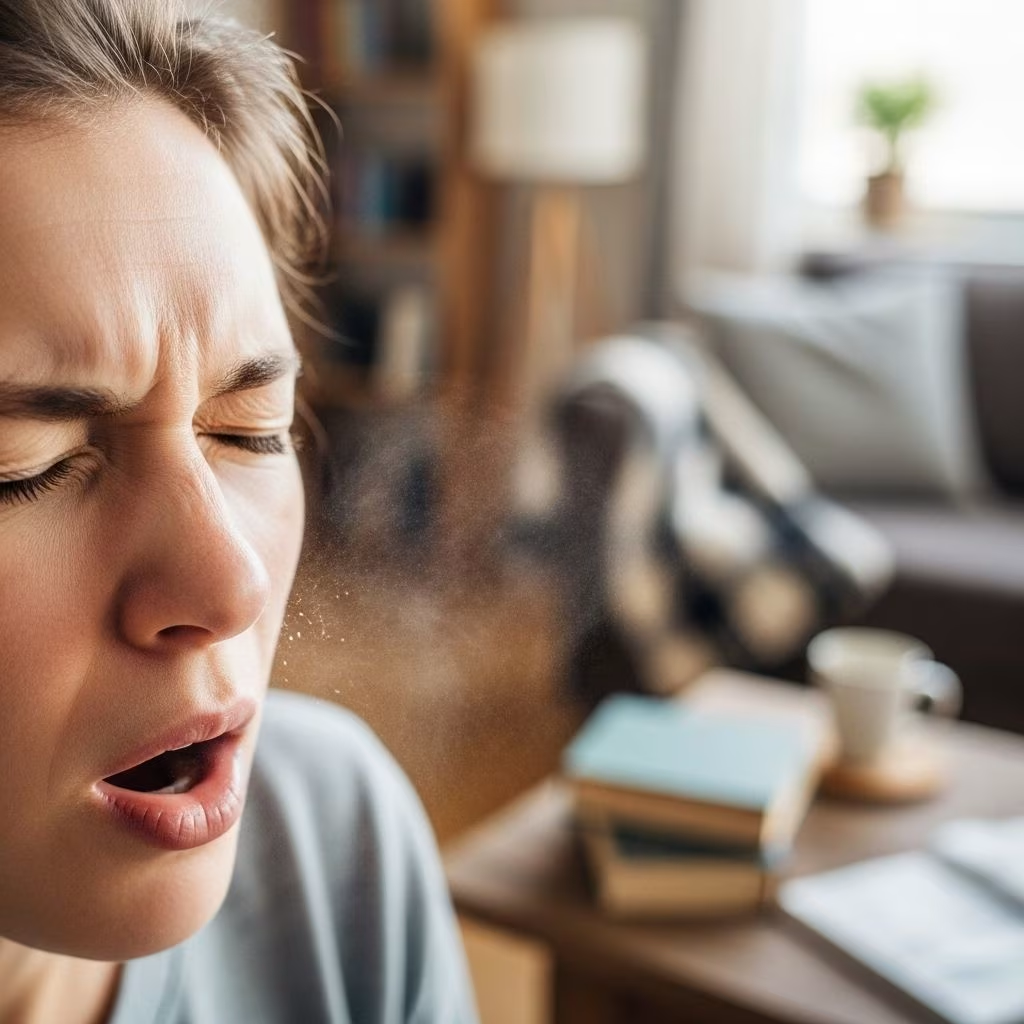
Sometimes, you feel the urge to sneeze but just can’t achieve that satisfying release. Whether your nose is stuffy, you’re experiencing mild nasal discomfort, or just need quick relief, learning how to make yourself sneeze can be remarkably helpful. In this guide, we cover safe, doctor-endorsed methods, explain the science behind sneezing, and provide tips to help you sneeze effectively and safely.
Why Can’t I Sneeze Sometimes?
Sneezing is a natural reflex to clear the nasal passages of irritants like dust, allergens, or strong smells. However, sometimes the sneeze reflex may be blocked, leaving you feeling unsettled or congested. Common reasons include:
- Nasal congestion from colds or allergies
- Reduced sensitivity of the nasal lining
- Overuse of decongestants, which may dry out nasal passages
- Mild nerve pathway differences (some people are more prone to sneezing reflexes)
How to Make Yourself Sneeze: 12 Proven Techniques
Below are the most effective ways to safely trigger a sneeze when you need to. These methods are easy to do at home, require little to no equipment, and target the nerves that control the sneezing reflex.
1. Wiggle a Tissue in Your Nose
This classic technique stimulates the nerves lining your nostril, prompting a sneeze:
- Roll the tip of a clean tissue into a thin point.
- Gently insert the pointed end into one nostril — not too deep! — and wiggle lightly.
- You should feel a tickle that often results in a sneeze. Remove the tissue as soon as you feel the urge.
Tip: Be gentle and never force the tissue too far to avoid injury.
2. Look at a Bright Light (Photic Sneeze Reflex)
Exposure to sudden bright light can trigger sneezing in approximately a third of people, a phenomenon known as the photic sneeze reflex:
- Step outdoors on a sunny day.
- Glance toward (but not directly at) the sun or a bright lamp for a few seconds.
- If you have this genetic trait, it may trigger an immediate sneeze.
Safety Note: Never stare directly at the sun to avoid eye damage.
3. Sniff Spices
Strong-smelling spices like pepper, cinnamon, or cayenne can quickly irritate nasal nerve endings:
- Open a spice jar and gently waft the aroma beneath your nose without inhaling directly.
- The irritation often prompts a sneeze within moments.
- Do not inhale the spice directly — this can cause burning or injury.
4. Massage the Roof of Your Mouth with Your Tongue
The maxillary branch of your trigeminal nerve runs along the roof of the mouth. Massaging this area can initiate a sneeze:
- Press the tip of your tongue to the roof of your mouth.
- Move your tongue slowly backward until you feel a tickle deep in your nose.
- Do this for several seconds; many people sneeze after a few tries.
5. Rub the Bridge of Your Nose
Gently massaging the bridge of the nose (just below the forehead between the eyes) stimulates nasal nerve endings:
- With two fingers, gently rub the bridge of your nose in a downward motion.
- Apply firm, not rough, pressure for 10-20 seconds.
- Repeat as needed to prompt a sneeze or help mucus drainage.
6. Smell a Strong Perfume or Fragrance
Perfume and other strong fragrances can irritate the nasal lining and trigger sneezing:
- Spray a little perfume onto a tissue and hold it near your nose.
- Sniff gently — not directly inhaling close up — until you feel the urge to sneeze.
7. Eat Spicy Foods
Spicy dishes like hot wings, peppers, or dishes with lots of cayenne can trigger sneezing for many people:
- Enjoy a spicy meal or snack, paying attention to your body’s reaction.
- The spice often stimulates the lining of the nose and brings on a sneeze naturally.
Note: If you are sensitive to spice, start with mild options to avoid discomfort.
8. Pluck a Nose Hair (Last Resort Only)
Plucking a nose or eyebrow hair can stimulate the nerves in the nasal passage:
- Use clean tweezers to gently pluck a single nose or eyebrow hair.
- This directly stimulates the trigeminal nerve — the sneeze usually follows quickly.
Warning: Tweezing your nose hair is not recommended except in rare cases, as it can be painful and even lead to infection.
9. Pluck a Facial (Eyebrow) Hair
As with nose hairs, plucking an eyebrow hair may also trigger the sneeze reflex:
- Pluck a single eyebrow hair; the sensitive nerves connected to this region can prompt a sneeze.
Again, use with caution; don’t do this frequently or if it causes pain.
10. Go Somewhere Cool
Cold air can stimulate the trigeminal nerve and nasal passages:
- Step outdoors in cool weather or turn up the air conditioning briefly.
- The chill can prompt sneezing, especially if you breathe in cool, moist air.
Note: Sudden temperature changes can irritate the nose, so don’t stay in the cold too long.
11. Sip a Fizzy Drink
Carbonated beverages release bubbles that can irritate the back of the nose and throat, sometimes prompting a sneeze:
- Take a sip of a cold sparkling beverage.
- If you’re sensitive, the bubbling sensation may help trigger a sneeze.
12. Eat a Piece of Dark Chocolate
Some people find that eating a high-cacao dark chocolate bar triggers a sneeze, likely due to specific compounds or textures;
- Take a bite and notice your body’s response.
Note: This effect appears to be individual and isn’t scientifically confirmed, but many anecdotal reports support it.
Safety Tips: Sneezing Smart and Avoiding Harm
- Gentleness is key: Never insert anything deep or sharp into your nose.
- Sanitize: Always use clean tissues and tweezers.
- Don’t overdo it: Forcing sneezing by aggressive means can damage delicate nasal tissues.
- Hygiene: Always cover your mouth and nose with a tissue or your elbow when sneezing, then wash your hands.
The Science Behind Sneezing: What Happens When You Sneeze?
Sneezing (medically called sternutation) is your body’s natural defense against airborne irritants. Here’s how it works:
- An irritant (like dust or spice) stimulates the nasal lining.
- This sensation activates the trigeminal nerve in your face.
- Your brain’s sneeze center triggers a rapid inhalation, closing the throat and building pressure.
- Your mouth and nose expel air forcefully — often at speeds over 100 miles per hour — to clear out the irritants.
| Method | Stimulates | Effectiveness | Precautions |
|---|---|---|---|
| Tissue in nose | Nasal nerve endings | High | Don’t insert deep; be gentle |
| Bright light | Sneeze reflex (genetic) | Varies (1/3 of people) | Avoid direct sunlight |
| Sniffing spices | Nasal lining | Moderate | Avoid direct inhalation |
| Plucking hairs | Facial nerves | Moderate | Risk of pain/infection |
| Perfume/fragrance | Nasal irritant | Moderate | Use carefully if sensitive |
| Cold air | Nasal lining | Moderate | Don’t stay cold too long |
When Should You See a Doctor?
Occasionally, difficulty sneezing or constant urge to sneeze may signal an underlying issue:
- Chronic nasal congestion that doesn’t improve with self-care
- Frequent, uncontrollable urges to sneeze (possibly due to allergies)
- Accompanied symptoms like pain, nosebleeds, or loss of smell
- Concerns about nasal injuries from self-induced sneezing attempts
If these occur, consult a healthcare provider or an ear, nose, and throat (ENT) specialist.
Common Reasons for Not Being Able to Sneeze
- Dry Nasal Passages: Dehydration, heated interiors, or certain medications can dry out your nasal lining, dulling your sneeze reflex.
- Desensitization: Frequent exposure to allergens or irritants may reduce nerve sensitivity over time.
- Nerve Blockage: In rare neurological conditions, the sneeze reflex may be impaired.
If you consistently struggle, speak to a doctor.
Frequently Asked Questions (FAQs)
Q: Are these methods safe for children?
Most methods, such as sniffing spices or going into cool air, are safe for older children if supervised. Never allow children to insert items into their noses or pluck nose hairs unsupervised.
Q: Can frequent sneezing be harmful?
Occasional sneezing is healthy and clears the nasal passages. However, repeated forceful sneezing can irritate nasal tissues and may worsen certain conditions like nosebleeds or sinus infections if overdone.
Q: Why does looking at the sun make me sneeze?
The “photic sneeze reflex” is a genetic trait where exposure to intense light triggers sneezing in about one-third of people.
Q: Is it possible to suppress a sneeze? Is it dangerous?
You can suppress a sneeze, but this is not recommended — the built-up pressure can rarely cause injury to the ears or sinuses. Allow sneezes to happen when possible.
Q: What should I avoid when trying to sneeze?
Avoid inserting sharp or large objects deep into your nose, sniffing spices too aggressively, or plucking too many hairs. Always practice proper hygiene and never induce sneezing if you have recent nasal surgery.
Takeaway
Struggling to sneeze can feel uneasy, but there are safe, effective DIY techniques to try. From tickling your nose with tissue to eating spicy foods and using gentle facial massages, these methods can provide relief. Always use care and hygiene, and seek medical advice if sneezing trouble persists or is accompanied by other symptoms. Your nasal health is important — treat it gently!
References
- https://www.healthline.com/health/how-to-make-yourself-sneeze
- https://www.womenshealthmag.com/health/a39676413/how-to-make-yourself-sneeze/
- https://www.internationaldrugmart.com/blog/7-best-ways-to-make-yourself-sneeze/
- https://www.medicalnewstoday.com/articles/320284
- https://www.youtube.com/watch?v=B2-pinBQ52Q
- https://greatist.com/health/how-to-make-yourself-sneeze
- https://www.healthdigest.com/1480916/weird-ways-make-yourself-sneeze/