Silverfish are among the most common yet elusive pests that invade households around the world. Their love for starchy materials and humid environments often brings them into kitchens, bathrooms, attics, and basements. Knowing how to identify, eliminate, and prevent silverfish effectively is crucial for maintaining a healthy, pest-free home. This comprehensive guide covers everything you need to know to get rid of silverfish, from proven remedies to long-term prevention strategies and answers to your most pressing questions.
Understanding Silverfish: What Are They?
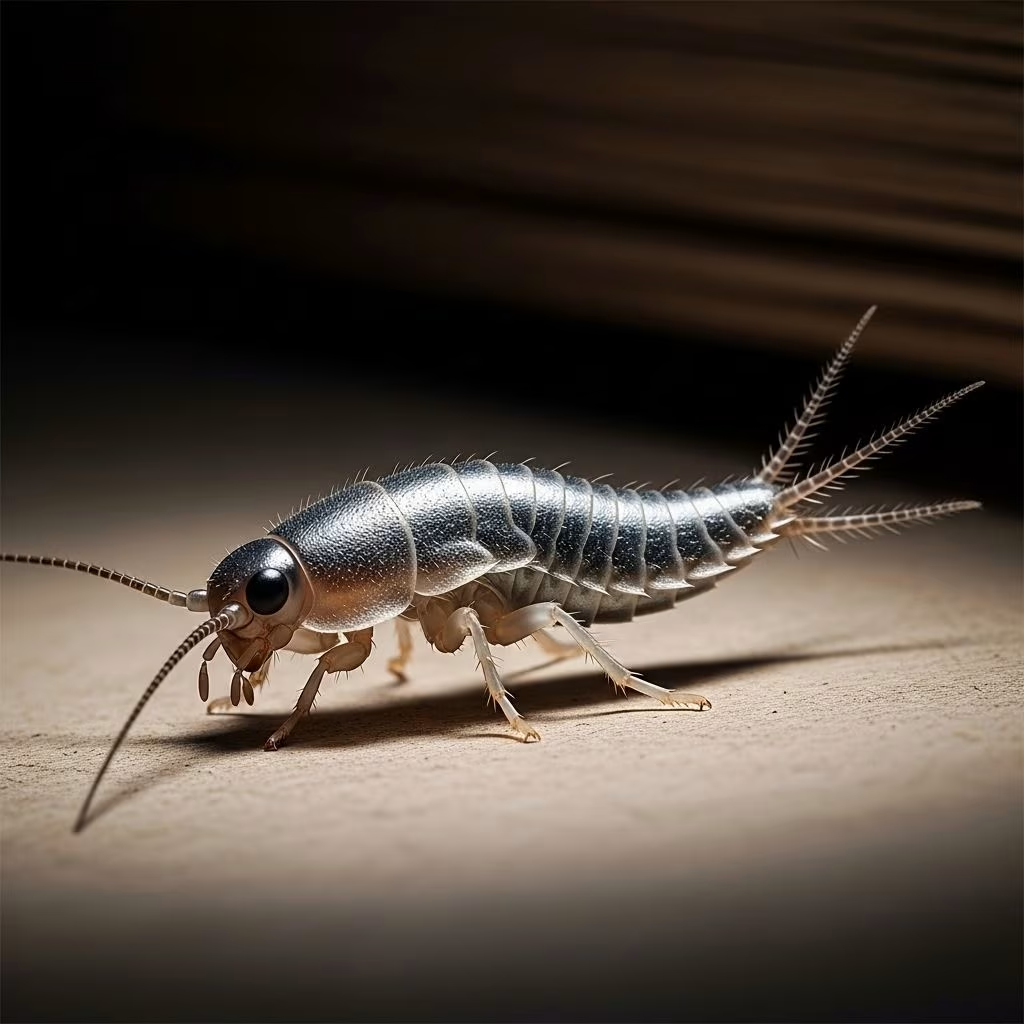
Silverfish (Lepisma saccharina) are small, wingless insects with a silvery-blue appearance and a fish-like, tapered shape. They are nocturnal, moving quickly and secreting enzymes to digest cellulose, starch, and sugar. Commonly found in homes, they feed on a variety of organic and synthetic materials, including paper, cardboard, fabric, glue, and food.
- Appearance: 0.5–1 inch long, shiny, covered in metallic scales, tapered body with long antennae.
- Habitat: Prefer dark, damp, and humid places such as kitchens, bathrooms, basements, and laundry rooms.
- Lifespan: Silverfish can live up to 8 years and lay hundreds of eggs in their lifetime.
- Diet: Feed on starches, sugars, cellulose, book glue, wallpaper paste, clothes, and dried foods.
Why Are Silverfish a Problem?
Although silverfish do not bite or transmit diseases, infestations can cause significant damage to personal belongings, stored foods, wallpaper, books, and clothing. Their presence can also trigger allergies in sensitive individuals. The longer silverfish remain in your home, the more likely they are to multiply and damage property.
Causes and Signs of Silverfish Infestation
Common Causes
- High indoor humidity and poor ventilation
- Accessible food sources such as grains, flour, paper, or unsealed packets
- Accumulation of clutter like cardboard, newspapers, and old books
- Presence of cracks, crevices, and unsealed entry points in walls and foundations
Signs of Infestation
- Noticing live or dead silverfish, especially at night
- Small holes and yellow stains in wallpaper, books, and fabric
- Feeding marks or irregular chewing patterns on boxes, paper, or food packaging
- Tiny black pepper-like fecal pellets around suspected feeding sites
- Shedded silverfish skins found in hidden, damp areas
Effective Methods to Get Rid of Silverfish
There is no single solution for eliminating silverfish. A combination of targeted treatments and preventive habits yields the best results. Below are the most effective approaches divided into natural remedies and chemical solutions:
Natural Remedies for Silverfish Control
- Sticky Traps: Use store-bought or homemade sticky traps to capture silverfish in high-activity areas.
- Diatomaceous Earth: Sprinkle food-grade diatomaceous earth in affected corners, behind appliances, under sinks, and along baseboards. This natural powder dehydrates and kills silverfish on contact. Remove with a vacuum after several days.
- Essential Oils: Silverfish dislike the intense aroma of certain essential oils. Mix a few drops of lavender, cedarwood, peppermint, or tea tree oil with water in a spray bottle and spritz onto infested sites, closets, and paper storage areas.
- Dried Bay Leaves: Place dried bay leaves in bookshelves, kitchen cabinets, wardrobes, and storage bins. Their natural oils repel silverfish without harmful chemicals.
- Cedar Oil: Use cedar oil in a diffuser or diluted as a spray. Cedar acts as a natural insect repellent, effective for silverfish, clothes moths, and beetles.
- Homemade Jar Traps: Place starchy food (flour, oats, cereal) in a glass jar. Wrap the outside with masking tape (so silverfish can climb up), but leave the inside slippery; silverfish fall inside and cannot escape.
- Rolled Newspaper Trap: Dampen a newspaper, roll it up, and secure with rubber bands. Leave it in an infested room overnight. Silverfish will crawl inside for food and shelter; in the morning, dispose of or burn the newspaper.
Chemical Solutions for Silverfish Elimination
- Borax: Sprinkle borax powder along baseboards, cracks, under sinks, and near suspected hiding spots. Keep away from children and pets.
- Commercial Insecticides: If natural remedies do not suffice, use silverfish-specific insecticide sprays or dusts as directed.
How to Prevent Silverfish Infestations
Prevention is crucial to avoid recurring silverfish problems. Adopting the following strategies will make your home inhospitable to these pests:
- Reduce Humidity: Use a dehumidifier to maintain indoor humidity below 60%. Ventilate bathrooms, kitchens, and laundry areas by opening windows or using exhaust fans.
- Eliminate Food Sources: Store starchy foods (flour, cereals, grains) and pet food in airtight containers. Clean up crumbs and food spills promptly; sweep and vacuum regularly.
- Remove Clutter: Get rid of old paper, books, cardboard boxes, and piles of clothes in storage. Avoid using cardboard boxes for long-term storage; opt for secure plastic containers instead.
- Dust and Clean Regularly: Wipe surfaces, bookshelves, and storage units frequently to reduce dust and potential feeding materials.
- Seal Entry Points: Inspect and seal cracks, gaps, and crevices around doors, windows, baseboards, and pipes using caulk or sealant to block silverfish access.
- Proper Clothing Storage: Keep seasonal clothing and fabrics in sealed containers and store them in dry places away from basements and attics.
- Maintain Exterior Cleanliness: Remove piles of leaves, brush, or wood from around your house foundation. These outdoor shelters often harbor silverfish and other pests.
Summary Table: Natural vs. Chemical Silverfish Solutions
| Method | Type | Application Site | Remarks |
|---|---|---|---|
| Diatomaceous Earth | Natural | Baseboards, crevices, under appliances | Dehydrates insects; safe when food-grade |
| Essential Oils | Natural | Spray onto surfaces, use in diffusers | Repels, does not kill; pleasant scent |
| Borax | Chemical | Cracks, behind furniture, baseboards | Effective but toxic to pets and children |
| Sticky Traps | Physical/Natural | High-traffic areas | Catches and monitors activity |
| Cedar Oil/Bay Leaves | Natural | Storage areas, closets | Repels insects; needs regular replacement |
| Commercial Insecticides | Chemical | As per manufacturer’s advice | Use as last resort; follow safety guidelines |
Frequently Asked Questions (FAQs)
Q1: Are silverfish harmful to humans or pets?
A: Silverfish are not harmful to humans or pets. They do not bite, sting, or carry disease, but their presence can indicate other moisture or pest problems, and they may damage belongings over time.
Q2: What’s the fastest way to get rid of silverfish?
A: Use sticky traps and diatomaceous earth to instantly reduce numbers; follow up with essential oils or borax for longer-lasting control. Eliminating underlying causes—such as excess humidity and food sources—is essential for permanent eradication.
Q3: Can I use natural remedies if I have children or pets?
A: Yes, many natural remedies such as essential oils, bay leaves, and diatomaceous earth (food-grade) are safe when used carefully. Avoid placing borax or insecticides in areas kids or pets frequent.
Q4: Why do I keep getting silverfish even after cleaning?
A: Persistent infestations often indicate ongoing sources of moisture, food, or unsealed entry points. Review your home’s humidity, eliminate hidden food sources, and inspect for cracks you may have missed.
Q5: When should I call a pest control professional?
A: Call a professional if DIY methods fail, silverfish numbers keep increasing, or you discover widespread property damage. Experts can assess, treat, and recommend structural repairs to prevent re-infestation.
Key Takeaways
- Silverfish thrive in homes with high humidity, available starchy foods, and hidden clutter. They can survive for years and breed quickly if left unchecked.
- A combination of physical traps, natural deterrents, and spot-chemical applications gives the best chance of removing silverfish from your environment.
- Prevention focuses on reducing moisture, blocking entry points, decluttering, and maintaining good hygiene.
- With persistence and vigilance, most households can achieve lasting silverfish control without excessive use of chemicals.
Additional Resources
- Maintain a regular cleaning schedule for kitchens, basements, bathrooms, and storage areas.
- Check for plumbing leaks and repair sample immediately.
- Use natural repellents as part of your seasonal changeover routine to keep pests at bay year-round.
References
- https://smithspestmanagement.com/blog/post/how-to-get-rid-of-silverfish/
- https://pestline.com.au/blog/how-to-get-rid-of-silverfish/
- https://www.healthline.com/health/how-to-get-rid-of-silverfish
- https://ipm.ucanr.edu/PMG/PESTNOTES/pn7475.html
- https://www.raid.com/en-us/education/bug-basics/how-to-help-get-rid-of-silverfish
- https://www.youtube.com/watch?v=TM5pWwaI5fc
- https://www.countryliving.com/home-maintenance/cleaning/a36587269/how-to-get-rid-of-silverfish/