How to Get Rid of Poison Ivy Rash: Comprehensive Guide
Poison ivy rash, a common allergic reaction, affects millions annually and can cause intense itching and discomfort. The rash is triggered by an oil called urushiol found in poison ivy, poison oak, and poison sumac plants. This comprehensive guide will cover everything you need to know about how to get rid of poison ivy rash effectively, from quick relief remedies and medical approaches to natural treatments, preventive measures, and frequently asked questions.
What Causes Poison Ivy Rash?
The root cause of a poison ivy rash is direct contact with urushiol oil, which is found on the leaves, stems, and roots of poison ivy, oak, and sumac plants. Even minimal contact can trigger an allergic reaction in sensitive individuals, resulting in a red, blistering rash that may spread across the skin. The severity and duration of the rash vary, but it typically resolves in two to three weeks.
- The rash often appears in streaks or patches where the plant brushed the skin.
- Sensitivity may increase with repeated exposure.
- Rash can develop from contaminated objects, pets, or clothing.
Recognizing Poison Ivy Rash: Signs and Symptoms
Identifying poison ivy rash early can help you manage symptoms and prevent further irritation. Look for these common features:
- Redness and itching at the site of contact
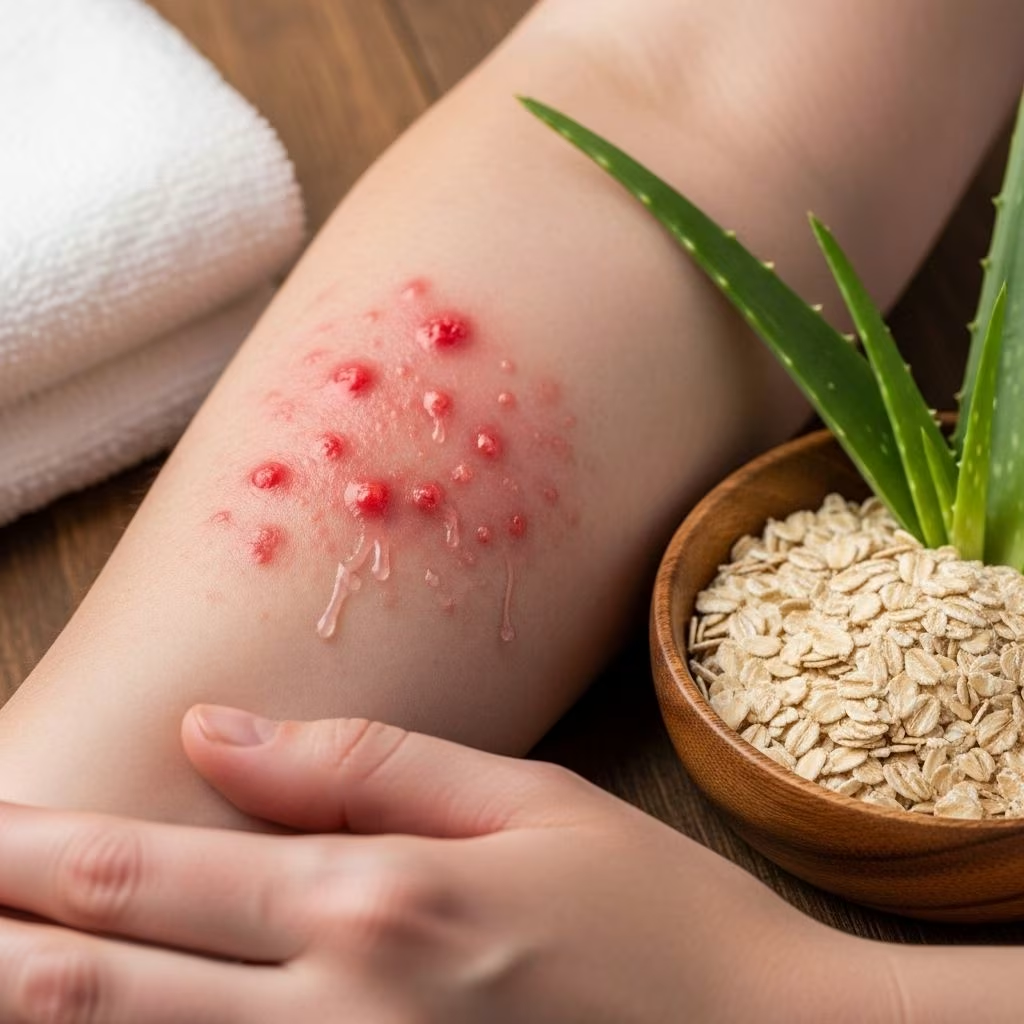
- Raised blisters or bumps
- Swelling in affected areas
- Linear or streaky patterns across the skin
- Oozing or weeping blisters (in severe cases)
If the rash spreads to the eyes, mouth, or genitals, or if you develop signs of infection (such as pus or severe swelling), seek medical attention promptly.
Quick Relief: Immediate Steps After Contact
Taking action immediately after poison ivy exposure can significantly minimize the severity of the rash. Follow these steps:
- Wash exposed skin with soap and lukewarm water as soon as possible (preferably within 30 minutes of contact).
- Launder clothing, shoes, and any gear that may have come into contact with the plant.
- Clean under fingernails thoroughly to remove trapped urushiol.
- Avoid scratching to prevent skin infections.
Home Remedies for Poison Ivy Rash
While there is no instant cure, several home remedies can provide relief, reduce inflammation, and support faster healing.
Cold Compresses
- Apply a cold, wet compress to the rash for 15-30 minutes several times daily to numb itching and reduce swelling.
Oatmeal Baths
- Colloidal oatmeal has soothing and anti-inflammatory properties.
- Add 1 cup of finely ground oatmeal to lukewarm bathwater.
- Soak for 15-20 minutes to relieve itchiness and discomfort.
- Commercial oatmeal bath packets are also effective and prevent clogging.
Calamine Lotion
- A classic remedy for soothing itching and drying oozing blisters.
- Shake bottle, apply with a cotton ball, and allow to air dry on the skin.
- Repeat as needed for itching or burning.
- Check the ingredients if allergic to any components.
Baking Soda Paste
- Soothes irritation and helps dry out blisters.
- Mix three teaspoons of baking soda with one teaspoon of water to form a paste.
- Apply directly to rash, let dry, and rinse off gently.
Aloe Vera
- The cooling properties of fresh aloe vera gel can ease inflammation and promote healing.
- Apply a thin layer several times a day to calm irritated skin.
Over-the-Counter Treatments
OTC medications can offer more targeted relief for persistent or widespread rash.
Hydrocortisone Cream
- Hydrocortisone 1% ointment reduces inflammation and itching for mild cases.
- Ointment formulation is preferred to cream for longer-lasting effect and less stinging on open skin.
- Apply a thin layer as directed but avoid face, genitals, and eyelids unless instructed by a medical professional.
Oral Antihistamines
- Diphenhydramine (Benadryl) can alleviate itching and help with sleep but is not always effective for poison ivy rash since the rash is not primarily caused by histamine release.
- Sedating side effects may help you rest at night during peak itching.
- Non-drowsy antihistamines (e.g., cetirizine) may also provide moderate symptom control.
- Always follow package directions, and consult a doctor for children or ongoing use.
Medical Treatment and When to See a Doctor
In some cases, professional medical intervention is necessary.
- Severe rashes, involvement of sensitive areas (eyes, mouth, genitals), or extensive spread
- Symptoms of infection: pus, extreme tenderness, swelling, or fever
- Difficult breathing, swelling of the face or throat, or widespread blistering
- If the rash does not improve with home care in a week
Medical treatment may include:
- Prescription corticosteroids (oral or injectable) for severe reactions
- Antibiotics if the rash becomes infected
What NOT to Do for a Poison Ivy Rash
- Never scratch the rash aggressively as it increases the risk of a secondary infection.
- Avoid home remedies such as rubbing alcohol, bleach, or hydrogen peroxide, which can worsen skin irritation.
- Don’t pop blisters as this can delay healing and cause infection.
Prevention: How to Avoid Poison Ivy Rash
Prevention is key to avoiding the unpleasant side effects of poison ivy exposure. Here are effective prevention tips:
- Learn to Identify: Poison ivy typically has clusters of three pointed leaves. Remember, “Leaves of three, let them be.”
- Wear protective clothing such as long sleeves, pants, gloves, and boots when hiking, gardening, or working in potentially infested areas.
- Apply barrier creams containing bentoquatam on exposed skin.
- Wash skin and clothing promptly after potential exposure to remove urushiol oil.
- Remove and wash pet fur if your pet may have contacted poison ivy.
- Never burn poison ivy plants, as inhaling urushiol particles can cause life-threatening lung reactions.
Table: At-a-Glance—Remedies and Precautions
| Remedy/Precaution | Purpose | Instructions |
|---|---|---|
| Cold Compresses | Reduces itching and swelling | Apply 15-30 minutes several times daily |
| Oatmeal Baths | Soothes irritation, relieves itching | Add to lukewarm water, soak for 15-20 min |
| Calamine Lotion | Reduces itch, dries blisters | Apply as needed, allow to dry |
| Hydrocortisone Cream | Reduces inflammation and itching | Use 1% ointment on mild rash |
| Oral Antihistamines | Alleviates itching, aids sleep | Use as directed, mainly for nighttime use |
| Avoid Scratching | Prevents infection and spreading | Keep fingernails trimmed, distract from itch |
| Protective Clothing | Prevents plant contact | Wear long sleeves, pants, gloves outdoors |
Natural Alternatives and Home Remedies
For those seeking more natural remedies in addition to standard treatments, consider the following:
- Witch hazel: Acts as a natural astringent and can reduce inflammation and itching.
- Cucumber slices: Placing cool cucumber slices on the rash can provide a soothing effect.
- Apple cider vinegar: Mild antiseptic; dab gently with a cotton ball.
- Tea tree or lavender essential oil: Blend a drop with carrier oil and apply lightly to affected area to reduce irritation.
Please note: Natural remedies may offer supportive relief but should not replace medical treatment for severe or persistent cases.
Frequently Asked Questions (FAQs)
Q. How long does poison ivy rash last?
A. In most cases, poison ivy rash resolves within 1 to 3 weeks, although more severe reactions may last longer. Early intervention and proper treatment can shorten symptom duration.
Q. Can you spread poison ivy rash by scratching it?
A. No, fluid from poison ivy blisters will not spread the rash. However, scratching can introduce bacteria and cause secondary infection. Only urushiol oil (if still on the skin or under fingernails) can spread the rash to new areas.
Q. When should I see a doctor about my rash?
A. Seek medical care if your rash:
- Covers a large portion of your body or face
- Is on or near eyes, mouth, or genitals
- Shows signs of infection (pus, increased redness, pain, or swelling, or fever)
- Is not improving with home remedies after a week
Q. What is the fastest way to get rid of poison ivy rash?
A. There is no proven instant cure for poison ivy rash. However, using cold compresses, calamine lotion, oatmeal baths, and topical hydrocortisone can significantly speed relief and recovery.
Q. How can I identify poison ivy plants and avoid exposure?
A. Poison ivy typically has:
- Clusters of three almond-shaped leaflets
- Shiny or dull green leaves, sometimes with reddish edges in spring or fall
- Grows as a vine or shrub in most parts of North America
Myths and Facts About Poison Ivy Rash
- Myth: You can get poison ivy from someone else’s rash.
Fact: The rash itself is not contagious; only urushiol oil can spread the reaction. - Myth: Scratching the rash spreads it across your body.
Fact: Only remaining urushiol oil can cause new breakouts. Once washed away, the risk is gone. - Myth: Burning poison ivy is a safe way to get rid of plants.
Fact: Burning releases urushiol into the air, which can cause severe reaction if inhaled.
Essential Tips for Coping and Recovery
- Keep fingernails short to reduce accidental scratching
- Wear loose, breathable clothing to avoid further irritation
- Avoid hot baths or showers, which can aggravate itching
- Stay hydrated and keep skin moisturized with fragrance-free moisturizers
Conclusion
While a poison ivy rash can be uncomfortable and even debilitating, most cases resolve with prompt care and patience. Understanding how to identify, treat, and prevent poison ivy rashes is the best way to protect yourself and your loved ones during outdoor adventures. If in doubt, consult a healthcare professional, and remember: quick response and proper prevention are your best defenses against the notorious itch of poison ivy.
References
- https://www.goodrx.com/health-topic/dermatology/how-to-get-rid-of-poison-ivy-rash-fast
- https://www.chop.edu/news/health-tip/how-identify-avoid-and-treat-poison-ivy
- https://www.mayoclinic.org/diseases-conditions/poison-ivy/diagnosis-treatment/drc-20376490
- https://www.aad.org/public/everyday-care/itchy-skin/poison-ivy/treat-rash
- https://my.clevelandclinic.org/health/diseases/10655-poison-plants-poison-ivy–poison-oak–poison-sumac
- https://www.rivaderm.com/conditions/poison-ivy-rash
- https://www.fda.gov/consumers/consumer-updates/outsmarting-poison-ivy-and-other-poisonous-plants
- https://www.youtube.com/watch?v=1kg-SG-WQTM
- https://health.clevelandclinic.org/the-best-home-remedies-for-poison-ivy
- https://www.mayoclinic.org/diseases-conditions/poison-ivy/symptoms-causes/syc-20376485