How to Get Rid of Milia: Safe Remedies, Tips & Prevention
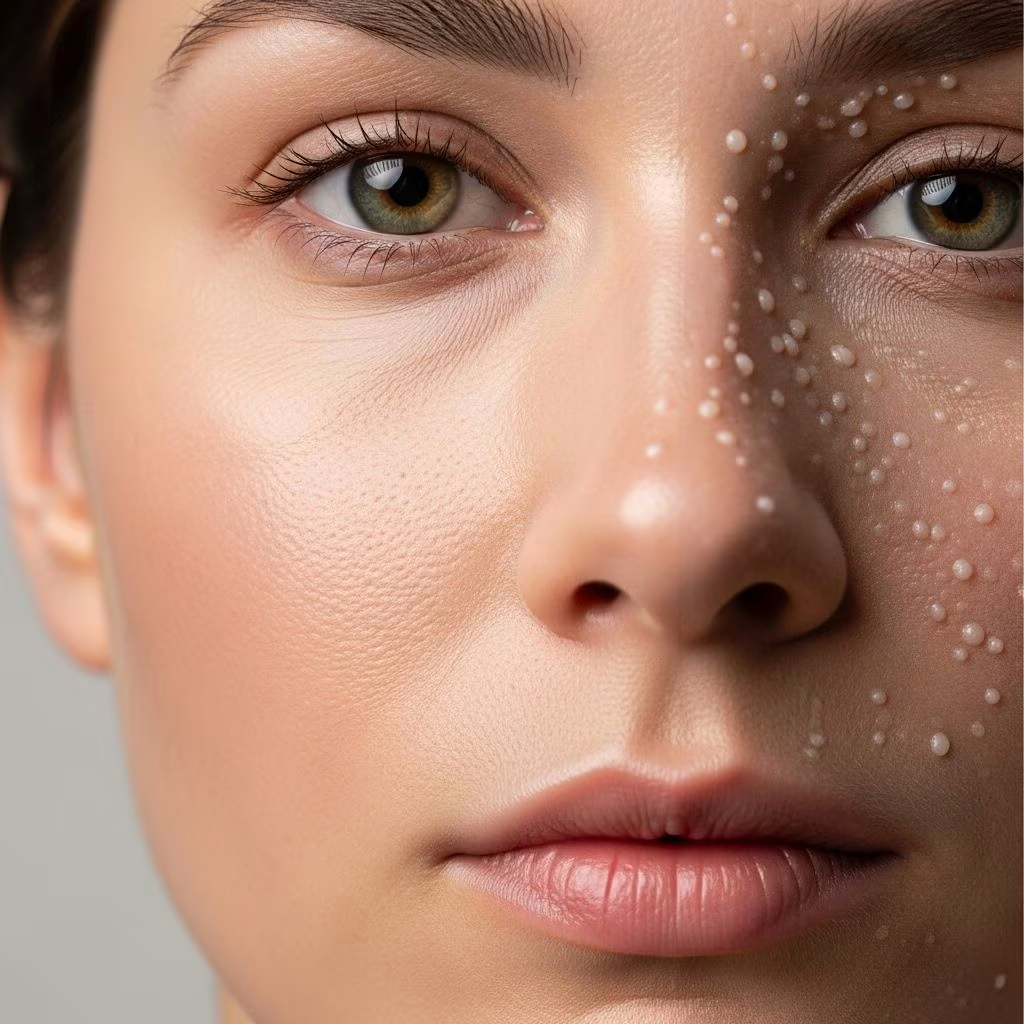
Milia are tiny, benign white bumps that commonly appear on the face, especially around the eyes, cheeks, and nose. Though harmless, these cysts—caused by trapped keratin—can be bothersome due to their persistence and visibility. Understanding their causes, safe removal options, and prevention tips empowers individuals to maintain clearer, healthier skin.
What Are Milia?
Milia are small, white, dome-shaped cysts just beneath the skin’s surface. They typically measure a few millimeters and feel firm to the touch. Milia are neither acne nor contagious; instead, they result from dead skin cells or keratin trapped in pores without inflammation. There are two main types:
- Primary milia: Develop spontaneously, commonly in infants and adults.
- Secondary milia: Appear after skin trauma, such as burns, blisters, or resurfacing procedures.
Main Areas Affected
- Under the eyes
- Cheeks
- Nose and forehead
- Sometimes the chest
Why Do Milia Occur?
The fundamental cause is the trapping of keratin or dead skin cells under the skin. Factors that contribute include:
- Use of heavy, occlusive creams or makeup that block pores
- Sun damage
- Genetics—some people are more prone to milia
- Skin trauma—from procedures, abrasions, or wounds
- Poor skincare habits—not removing makeup or sunscreen effectively
- Tight-fitting clothing causing friction
According to dermatologists, the thin, delicate skin under the eyes is especially susceptible due to its reduced ability to shed cells naturally.
Do Milia Go Away On Their Own?
In many cases, milia resolve spontaneously as the skin naturally exfoliates, though this may take weeks, months, or even years. For persistent, recurrent, or cosmetically bothersome milia, intervention may be desired.
Should You Remove Milia Yourself?
Never try to pop, poke, or extract milia at home. Milia differ from acne and cannot be safely removed by squeezing or prying. Attempting to do so risks:
- Skin damage and broken blood vessels
- Infection
- Scarring
This is a procedure best left to dermatology professionals.
Safe Home Remedies and Prevention Tips
While removal should be done professionally, several dermatologist-recommended strategies can help prevent milia formation and promote clearer skin:
1. Gentle Cleansing
- Use a mild, non-comedogenic cleanser.
- Cleanse with lukewarm water using fingertips.
- Avoid harsh scrubbing, which can irritate delicate skin.
- Remove makeup thoroughly every night.
2. Double Cleansing Technique
Especially beneficial at night:
- Start with an oil-based cleanser to dissolve makeup and excess oils.
- Follow with a gentle gel or cream cleanser to remove residue and impurities.
3. Regular, Gentle Exfoliation
- Use liquid exfoliants containing AHAs (like glycolic or lactic acid) or PHAs.
- Avoid gritty, physical exfoliants around the eyes and sensitive areas.
- Exfoliate 2-3 times per week for maintenance; less often for sensitive skin.
- Choose products formulated specifically for delicate areas.
4. Topical Retinoids
- Prescription-strength retinoids (such as tretinoin, adapalene, or retinol serums) help accelerate cell turnover, preventing dead skin build-up.
- Results may take several weeks of consistent use.
- Avoid retinoids if pregnant or breastfeeding; consult a dermatologist first.
5. Choose Non-Comedogenic Skincare Products
- Opt for lightweight, gel-based moisturizers instead of heavy creams.
- Avoid occlusive makeup and sunscreen that can clog pores, especially around the eyes.
6. Sun Protection
- Use broad-spectrum, non-comedogenic sunscreen daily.
- Sun damage impairs skin’s ability to exfoliate naturally, increasing milia risk.
Professional Treatment Options
For stubborn or widespread milia, seek advice from a board-certified dermatologist or qualified aesthetician. Common procedures include:
- Extraction (De-roofing): Using a sterile needle and comedone extractor, a small opening is made, and the keratin pearl is gently removed.
- Chemical Peels: Application of glycolic, lactic, or other acids to exfoliate and loosen trapped keratin.
- Microdermabrasion: Controlled, professional exfoliation that can help remove surface-level milia.
- Laser Therapy: Advanced dermatology clinics can use precise laser technology for removal.
- Cryotherapy: Freezing with liquid nitrogen, typically reserved for specific cases.
All procedures should be performed using strict hygienic practices to minimize risks.
Prevention: How to Keep Milia from Returning
Preventing milia formation involves both long-term skin care and lifestyle adjustments:
- Regular, gentle exfoliation with AHAs or retinol.
- Thorough makeup removal before bed.
- Use lighter skincare around the eyes and avoid overuse of heavy creams.
- Limit sun exposure; wear sunglasses and hats as extra protection.
- When using prescription treatments or undergoing resurfacing procedures, always follow post-care instructions closely.
- Maintain a balanced diet, hydration, and good sleep for optimal skin health.
Common Myths About Milia
- Myth: Milia can be removed by scrubbing or popping at home.
Fact: Popping leads to skin trauma and scarring. - Myth: Only poor hygiene causes milia.
Fact: Genetics, sun damage, and product choice play major roles. - Myth: Milia are the same as whiteheads.
Fact: Milia are cysts of trapped keratin; whiteheads are inflamed clogged pores. - Myth: You need aggressive treatments.
Fact: Gentle, consistent care is usually best.
Risk Factors: Who Is Prone to Milia?
- Infants—very common, but resolve on their own
- Individuals using heavy or occlusive skincare
- Genetic predisposition
- People with chronic sun exposure
- Those recovering from burns, blisters, or skin trauma
Sample Skincare Routine for Milia-Prone Skin
| Step | Product Type | Timing | Notes |
|---|---|---|---|
| Cleanse | Mild, non-comedogenic cleanser | Morning & Night | Avoid harsh scrubbing or hot water |
| Double Cleanse | Oil-based followed by gentle gel | Night (if wearing makeup) | Ensure thorough removal of residue |
| Exfoliate | Liquid AHA/PHAs or gentle retinol | 2–3x per week | Avoid eyes; use targeted cream if needed |
| Moisturize | Lightweight, gel-based | Daily | Check for ‘non-comedogenic’ labels |
| Protect | Sunscreen (SPF 30+) | Morning | Apply last before makeup |
Frequently Asked Questions (FAQs)
Q1: Can I pop milia at home like pimples?
A: No. Milia are firm cysts that do not respond to pressure like acne, and attempting to pop them can cause scarring, infection, and damage. Always see a dermatologist if removal is needed.
Q2: Will milia eventually disappear on their own?
A: Many cases will resolve naturally as the skin naturally exfoliates dead cells over time. However, more persistent or widespread bumps may require professional intervention.
Q3: What is the safest way to remove milia?
A: The safest approach is extraction by a trained professional using sterile tools. Chemical peels, laser, or microdermabrasion can also be used, depending on your dermatologist’s recommendations.
Q4: Are there over-the-counter treatments for milia?
A: While there are no specific OTC products for milia, regular use of exfoliating acids and retinol can help prevent their formation. Always patch test new products and consult with a professional for sensitive areas.
Q5: Which ingredients should be avoided if I am prone to milia?
A: Avoid occlusive ingredients such as mineral oil, lanolin, and heavy silicones, especially near the eyes. Look for lightweight, non-comedogenic skincare and makeup products.
Q6: Is milia contagious?
A: No. Milia is not contagious and cannot be spread to others. It is a localized skin phenomenon.
Final Thoughts
If you struggle with persistent milia, remember that expert help is available and effective prevention is possible. Consistency with gentle exfoliation, proper cleansing, and careful product selection goes a long way in ensuring a smoother complexion. For cases that do not resolve with skincare adjustments, professional methods offer safe, lasting results—and clear, confident skin.
References
- https://trinnylondon.com/us/blog/how-to-get-rid-of-milia
- https://www.marieclaire.com/beauty/how-to-prevent-milia-treatment/
- https://www.goodhousekeeping.com/health/a42233755/how-to-get-rid-of-milia/
- https://hudsondermlaser.com/2025/05/07/how-to-get-rid-of-milia-according-to-dr-kiran-mian/
- https://www.stylecraze.com/articles/how-to-get-rid-of-milia/
- https://www.stylecraze.com/articles/best-drugstore-products-for-milia/