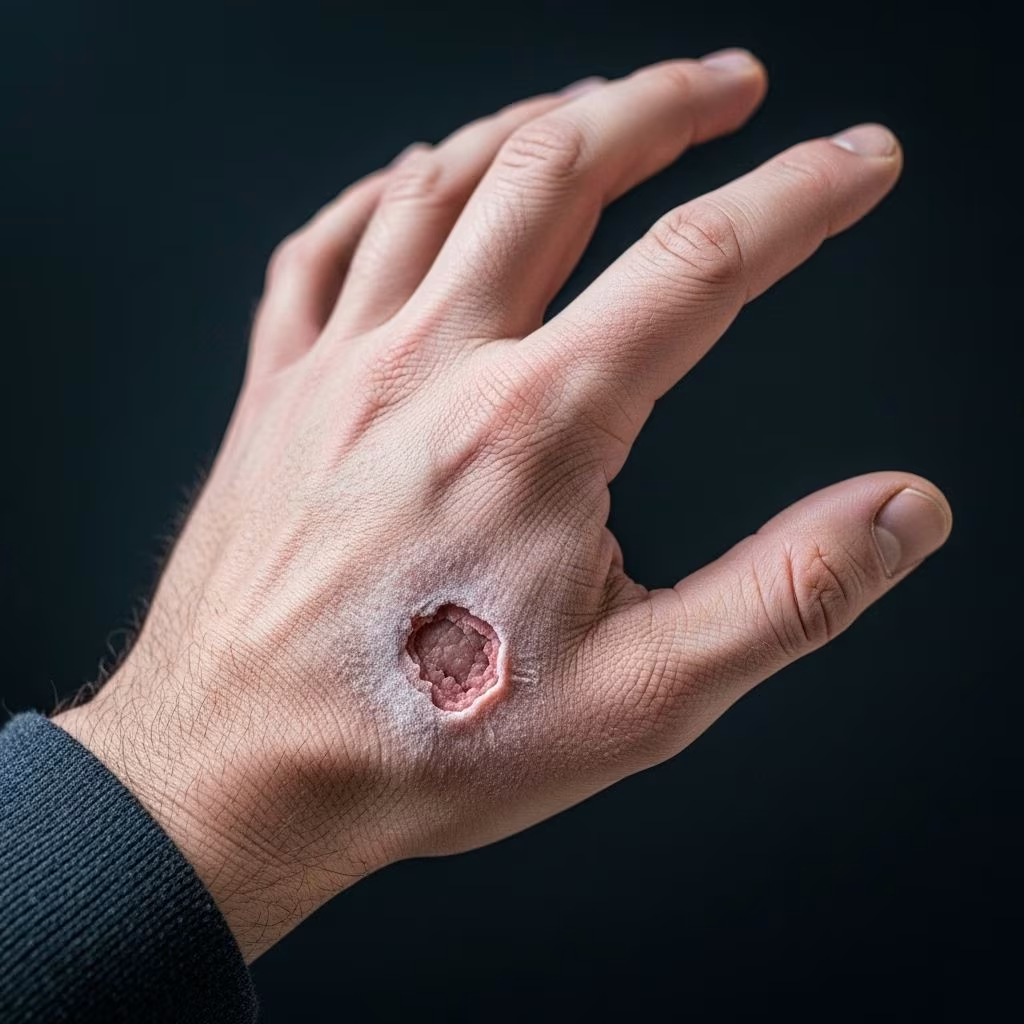
Frostbite: Symptoms, Stages, Diagnosis & Comprehensive Treatment
Frostbite is a potentially severe condition caused by exposure of skin and underlying tissues to cold temperatures, leading to freezing and possible tissue damage. Recognizing the symptoms, understanding its progression, and learning proper first aid and preventative methods are crucial for minimizing long-term effects and ensuring optimal recovery. This article provides a detailed overview, including the stages of frostbite, core symptoms, risk factors, treatment modalities, preventive strategies, and answers to frequently asked questions.
What is Frostbite?
Frostbite occurs when the skin and the tissues beneath it freeze due to prolonged exposure to cold, commonly below freezing temperatures. The process causes ice crystals to form in cells, leading to cellular and tissue damage. Typically, frostbite affects extremities such as fingers, toes, ears, cheeks, chin, and the tip of the nose, where blood circulation is relatively low and the tissue is more exposed to cold.
How Does Frostbite Occur?
- Prolonged exposure to temperatures below freezing (32°F/0°C).
- Wet clothing, wind chill, and poor circulation increase risk.
- Vulnerable populations: children, elderly, people with circulatory disorders.
Stages of Frostbite
| Stage | Symptoms | Impact |
|---|---|---|
| Frostnip | Redness, tingling, itching, numbness, cold sensation | Mild, reversible; no lasting damage |
| Superficial Frostbite | Pale, waxy, possibly bluish skin; swelling; warmth sensation; formation of blisters after thawing | Top layer of skin affected; medical attention required to prevent progression |
| Deep Frostbite | Bluish-gray skin; numbness; loss of pain/cold sensation; large blisters; black, hardened tissue as tissue dies | All layers of skin affected; underlying tissue including muscles and bones can be involved, higher risk of permanent damage and amputation |
Symptoms of Frostbite
- Initial Signs:
- Cold sensation followed by numbness
- Tingling, itching, or prickling
- Redness (in early stages)
- Progressed Signs:
- Pale or bluish skin
- Loss of feeling in affected areas
- Skin turns hard, waxy, or shiny
- Blister formation after warming
- Swelling
- Severe (Deep Frostbite):
- Large blisters (within 24–48 hours of thawing)
- Black, dead tissue (necrosis)
- Possible impairment of movement (if joints/muscles affected)
At-Risk Groups and Risk Factors
- Children, elderly, and those with poor circulation
- Individuals with chronic illnesses impacting blood flow (e.g., diabetes, Raynaud’s disease)
- Those under the influence of alcohol or drugs (may not notice early symptoms)
- Outdoor workers, hikers, skiers, and military personnel
- Persons with inadequate clothing or equipment during cold weather
Diagnosing Frostbite
Diagnosis is primarily made through clinical examination and assessment of the affected area. In advanced cases, imaging such as MRI or bone scans can help determine the depth of tissue damage.
- Physical examination for skin appearance, sensation, and movement
- Imaging (MRI, bone scan) for severe cases to assess tissue viability
Treatment of Frostbite
First Aid for Frostbite
- Protect skin from additional damage: Avoid refreezing or further cold exposure. Don’t thaw the area if there’s a risk it will freeze again.
- Remove wet clothing and get out of the cold: Replace with dry, warm garments; wrap up in a warm blanket.
- Gently rewarm the area: Submerge the affected area in warm (not hot) water, ideally between 37°C–39°C (98.6°F–102.2°F), for 15–30 minutes. For frostbite on the face, use warm, moist cloths.
- Warm frostbitten hands: Place under armpits if water bath is unavailable.
- Remove rings, tight clothing, or jewelry: Prevents constriction as swelling develops.
- Take a nonprescription pain reliever: Ibuprofen or acetaminophen to manage discomfort during rewarming.
- Drink a warm, nonalcoholic beverage: Maintains body temperature and hydration.
- Elevate affected limbs: Reduces swelling.
- Avoid:
- Walking on frostbitten feet
- Direct heat (heating pads, blow-dryers)
- Rubbing or massaging affected areas (can worsen damage)
Medical Treatment
- Rapid rewarming: Performed in hospital settings using controlled warm water bath.
- Pain management: Oral or intravenous pain medication, as rewarming can be intensely painful.
- Wound care: Loosely cover area with sterile dressings; prevent infection.
- Antibiotics: Prescribed if blisters or skin show signs of infection.
- Thrombolytic therapy: May include blood thinners like tissue plasminogen activator (tPA) to restore circulation and decrease amputation rates in severe frostbite (used within 24 hours of injury).
- Debridement: Surgical removal of dead tissue to prevent infection and encourage healing.
- Amputation: In extreme cases where tissue damage is irreversible and blood flow cannot be restored.
Recovery and Aftercare
- Recovery time depends on frostbite severity; full extent may not be known for 1–2 months.
- Follow-up visits and adherence to prescribed medications are essential.
- Avoid alcohol and smoking, both impair healing.
- Keep frostbitten area elevated as much as possible.
- Do not break blisters or massage the area.
- Protect from sunlight using clothing and sunscreen until fully healed.
- Limit additional exposure to cold during healing.
Complications
- Long-term numbness or persistent tingling
- Joint stiffness or muscle damage
- Infections such as cellulitis or sepsis
- Gangrene (death of tissue) leading to amputation
- Permanent skin color or texture changes
Prevention of Frostbite
- Dress in layers: use thermal or insulated clothing, waterproof outer layers.
- Cover head, ears, hands, and feet with appropriate gear (hats, gloves, thick socks, insulated boots).
- Keep clothing dry; change out of wet garments promptly.
- Limit exposure time to cold and windy environments.
- Monitor for early symptoms (numbness, tingling).
- Avoid alcohol, sedatives, and smoking before exposure, as they impair heat retention and awareness.
- Stay hydrated and consume warm, energy-rich foods.
Frequently Asked Questions (FAQs)
Q: What are the first symptoms of frostbite?
A: Early signs include numbness, tingling, pain, and red or pale skin on the affected area. As it progresses, the skin may become waxy, hard, and eventually blister.
Q: How quickly can frostbite occur?
A: Frostbite can set in within minutes to hours depending on wind chill, temperature, and individual susceptibility. Wet skin or wind exposure increases risk and decreases time to onset.
Q: What should I avoid if I suspect frostbite?
A: Do not rub or massage the area, apply direct heat, or walk on frostbitten feet. Do not attempt to thaw if there’s a chance of refreezing, as this causes more damage.
Q: Are there long-term effects after frostbite?
A: Severe frostbite can cause permanent numbness, sensitivity to cold, joint and muscle pain, and in rare cases necessitate amputation due to tissue death.
Q: Is hypothermia the same as frostbite?
A: No, but both result from cold exposure. Hypothermia occurs when the body’s core temperature drops below normal, affecting systemic functions. Frostbite is localized cold-induced tissue freezing.
Q: Who is at greatest risk for frostbite?
A: Persons with poor circulation, the very young and elderly, those exposed to extreme cold, and those with inadequate shelter or clothing are at greatest risk.
Q: Can frostbite be treated at home?
A: Only mild cases (frostnip) can be safely treated at home with gradual warming and protection from further cold. Superficial and deep frostbite require urgent medical attention.
Summary Table: Frostbite Warning Signs vs. When to Seek Immediate Help
| Warning Signs | Seek Immediate Help If: |
|---|---|
| Numbness, tingling, redness, mild pain | Intense pain despite pain reliever Blistering or black skin Slurred speech, shivering, drowsiness, confusion (possible hypothermia) |
| Pale or bluish skin, swelling, waxy texture Blisters post-thaw | Trouble walking Impaired movement Suspected deep tissue damage |
Key Takeaways
- Identify frostbite early for best recovery.
- Never ignore persistent numbness or pale, hard skin in cold conditions.
- Quick warming, removal from cold, and prompt medical attention are critical steps.
- Long-term complications can be minimized with proper care.
- Prevent frostbite by preparing adequately before exposure to cold and wind.
References
- Written and synthesized based on information from Mayo Clinic, UCHealth, and frostbite medical guides.
References
- https://www.mayoclinic.org/first-aid/first-aid-frostbite/basics/art-20056653
- https://www.uchealth.org/diseases-conditions/frostbite/
- https://www.mayoclinic.org/diseases-conditions/frostbite/diagnosis-treatment/drc-20372661
- https://my.clevelandclinic.org/health/diseases/15439-frostbite
- https://myhealth.alberta.ca/Health/aftercareinformation/pages/conditions.aspx?hwid=ut2856
- https://www.redcross.org/take-a-class/resources/learn-first-aid/frostbite
- https://www.nhs.uk/conditions/frostbite/
- https://www.merckmanuals.com/professional/injuries-poisoning/cold-injury/frostbite
- https://bestpractice.bmj.com/topics/en-us/997