Pneumonia is a lung infection that can cause symptoms such as cough, chest pain, fever, and shortness of breath. While it always requires medical attention—and in many cases, antibiotics or antiviral medication—a handful of home remedies may help reduce discomfort, promote healing, and boost your body’s recovery alongside your doctor’s recommended treatment plan. Here you’ll learn about natural and supportive home remedies, dietary and lifestyle tips, and when to seek medical help in your journey to overcoming pneumonia.
Overview: Pneumonia and Its Symptoms
Pneumonia is an infection of the lungs, usually caused by bacteria, viruses, or fungi. It leads to inflammation in the air sacs (alveoli), which can fill with fluid and pus, triggering a range of symptoms:
- Persistent cough, sometimes with phlegm or mucus
- Fever and chills
- Shortness of breath or rapid breathing
- Chest pain, especially when coughing or breathing deeply
- Fatigue and muscle aches
- Loss of appetite and, occasionally, nausea
Important: Never rely solely on home remedies for the treatment of pneumonia. Always follow your healthcare provider’s advice and prescribed medications. Severe or worsening symptoms must be addressed by a physician promptly.
Top Home Remedies to Manage Pneumonia Symptoms
Complement home treatment with these natural and lifestyle remedies to ease symptoms, support healing, and boost your immune system:
1. Drink Plenty of Fluids
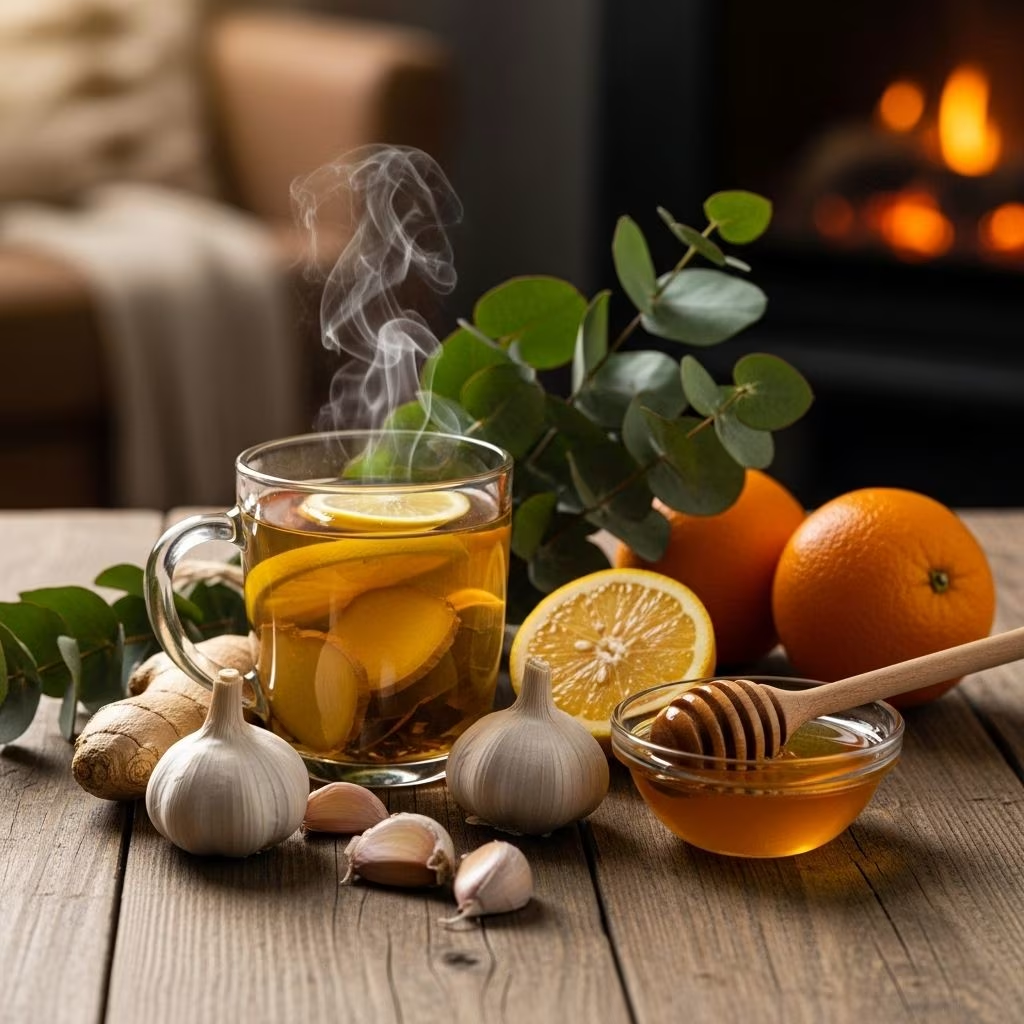
Staying hydrated is vital. Water, herbal teas, and broths help thin mucus, ease coughing, and prevent dehydration caused by fever. Warm liquids are especially comforting and can soothe an irritated throat.
- Warm herbal teas (peppermint, chamomile, fenugreek) may have additional anti-inflammatory properties and aid mucus clearance.
- Fruit-infused water or clear broths contribute to fluid intake and provide some nutrition when appetite is low.
2. Take Ample Rest
Your body needs all its resources to fight infection. Prioritize quality sleep and minimize physical exertion. Proper rest allows the immune system to function optimally, improving recovery time and reducing complications.
3. Herbal Teas for Sore Throat and Cough
- Peppermint tea: Offers a cooling effect, soothes the throat, and may help break down mucus. Inhalation of steam from hot peppermint tea can also clear nasal pathways.
- Eucalyptus tea: Contains cineole, which can be an effective decongestant. Diffusing eucalyptus oil or adding a few drops to a bowl of steaming water for inhalation may ease breathing.
- Fenugreek tea: Traditionally used to alleviate cough and sore throat; it has anti-inflammatory properties and can reduce pain.
4. Saltwater Gargle
A traditional remedy for throat irritation:
- Mix half a teaspoon of salt in a glass of warm water.
- Gargle several times a day to help dislodge mucus and relieve throat discomfort.
5. Steam Inhalation and Humidification
Warm, moist air calms airways and helps loosen thick mucus in the lungs:
- Steam inhalation: Lean over a bowl of hot water, cover your head with a towel, and inhale the steam for about 5–10 minutes. Add eucalyptus or peppermint oil if desired.
- Use a humidifier: A cool-mist or warm-mist humidifier keeps the air moist, reducing throat irritation and making it easier to breathe.
- Take steamy showers as an alternative, allowing you to inhale humid air safely without direct contact with boiling water.
6. Diet: Nutritious, Immunity-Boosting Foods
Support your body’s recovery through healthy, nutritious food choices:
- Protein-rich foods: Eggs, lean meats, legumes, and tofu to repair body tissues.
- Vitamins and minerals: Colorful fruits and vegetables (like oranges, bell peppers, leafy greens), which contain vitamin C, vitamin A, and zinc.
- Probiotic foods: Yogurt, kefir, or fermented vegetables may aid immunity.
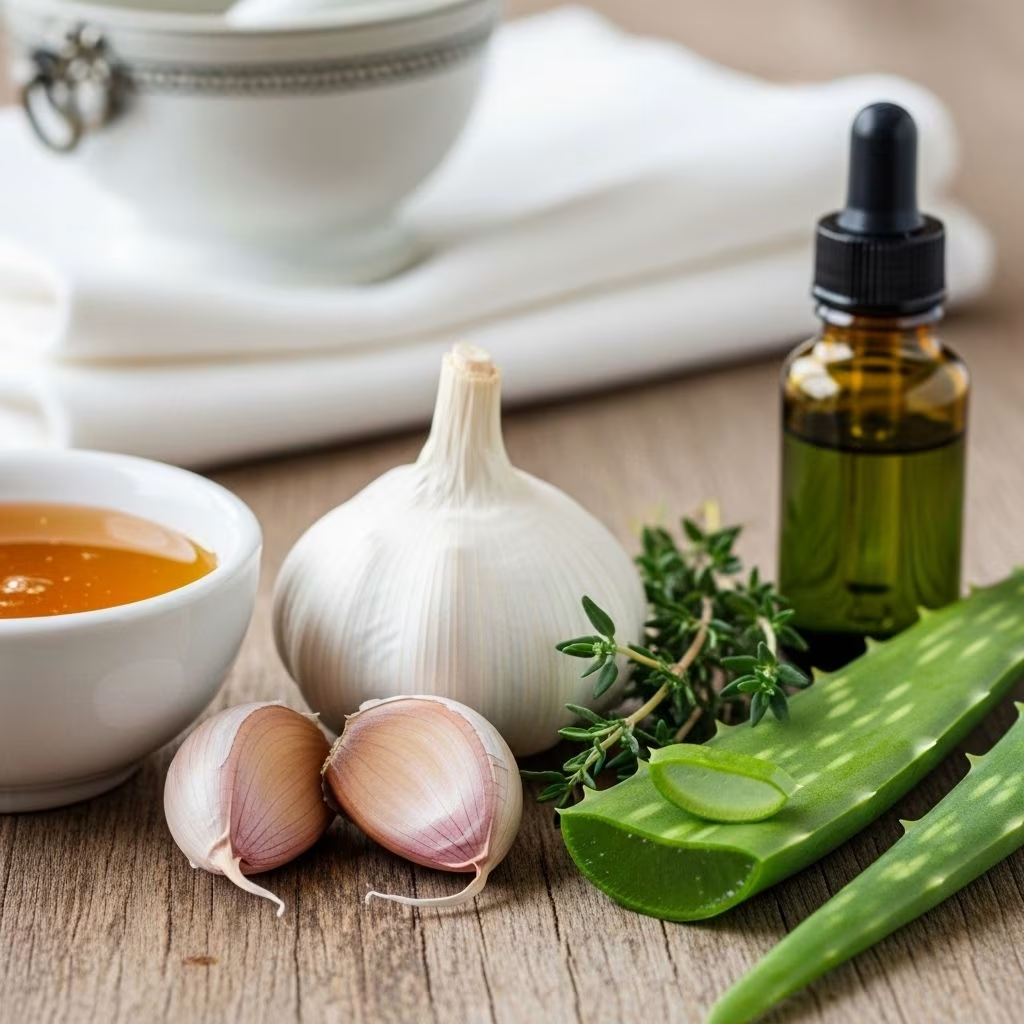
- Garlic: Contains alliin, which may support immune defenses and possesses mild antimicrobial properties.
7. Specific Natural Supplements and Remedies
- Honey: A tablespoon of raw honey, especially manuka honey, may have antibacterial and anti-inflammatory effects. Stir into teas or warm water to help calm coughing and soothe the throat (not for children under 1 year).
- Ginger: Fresh ginger root, used in teas or meals, helps relieve inflammation and can ease cough or nausea.
- Cayenne pepper: Contains capsaicin, which may thin mucus and promote drainage but should be used with caution if you have a sensitive throat.
- Echinacea and goldenseal: Herbal supplements that may support immune system activity, though evidence for pneumonia specifically is limited.
- Licorice root, ivy, geranium extract: Some herbal expectorants and over-the-counter syrups use these for cough relief; consult your doctor before using.
- N-acetylcysteine (NAC): A supplement that acts as a mucolytic, helping break down and clear mucus.
8. Over-the-Counter (OTC) Medications for Symptom Relief
While antibiotics or antivirals must be prescribed by a doctor, you can use the following for symptom relief if approved by your healthcare provider:
- Acetaminophen or ibuprofen for fever and body aches (never aspirin for children).
- Avoid OTC cough suppressants unless your doctor recommends; coughing helps clear infection from the lungs.
- Guaifenesin: An expectorant found in some cough medications, which can help loosen mucus.
9. Lifestyle Modifications During Recovery
- Stop smoking and avoid secondhand smoke to let your lungs heal.
- Minimize exposure to pollution, chemical fumes, and allergens that could irritate your airways.
- Practice good hygiene: Wash hands frequently to prevent secondary infections.
10. Hydrotherapy (Water Therapy) and Homeopathy
- Warm compress: Place it over the chest to soothe pain and support easier breathing.
- Homeopathic remedies: Some people use homeopathic cough syrups or constitutional hydrotherapy (alternating hot and cold wet towels on the chest and back) to relieve symptoms. Evidence is preliminary, and you should discuss with your healthcare provider.
Table: Quick Reference for Home Remedies
| Remedy | How It Helps | How To Use |
|---|---|---|
| Warm Herbal Teas | Soothes throat, may reduce coughing | Drink several cups daily |
| Saltwater Gargle | Reduces throat irritation and removes mucus | Gargle 2–3 times a day |
| Steam Inhalation | Loosens mucus, eases breathing | Inhale steam for 5–10 minutes |
| Honey | Soothes throat, may calm cough | 1 tablespoon, alone or in tea, 2–3 times a day |
| Eucalyptus Oil | Opens nasal passages, reduces congestion | Add a few drops to steam or diffuser |
| Ginger | Anti-inflammatory, reduces cough | Add fresh slices to tea or food |
| Plenty of Rest | Promotes healing | Sleep as much as needed |
Essential Immunity-Boosting Tips
- Eat a balanced and varied diet rich in antioxidant foods, lean protein, and healthy fats.
- Hydrate consistently—aim for 8 or more glasses of fluids daily unless your doctor prescribes fluid restriction.
- Avoid stress and prioritize restful sleep to prevent relapses and support overall health.
- Practice good hand hygiene to prevent re-infection or spreading germs to others.
- Get the flu and pneumonia vaccines as recommended to reduce risk of future infections.
What Not To Do: Important Precautions
- Do NOT skip prescribed medications: Home remedies are supportive—not a substitute for antibiotics or antivirals in bacterial or severe cases.
- Avoid cough suppressants without medical supervision, as coughing is a protective reflex.
- Never give honey to children under 1 year due to infant botulism risk.
- Don’t overuse essential oils: Some can be irritating or toxic in high amounts. Always dilute and do not ingest unless directed by a professional.
When to See a Doctor
- If symptoms worsen, do not improve after a few days, or you have difficulty breathing, high fever, chest pain, or confusion, seek immediate medical attention.
- Elderly individuals, infants, and people with chronic medical conditions or compromised immunity require prompt assessment if pneumonia is suspected.
- Signs such as blue lips, rapid breathing, inability to eat or drink, or altered mental status are emergencies—call for help right away.
Tips for Preventing Pneumonia
- Get vaccinated: Annual flu shots and pneumococcal vaccines protect against common pneumonia-causing germs.
- Practice regular hand-washing and avoid sharing cups or utensils.
- Stay away from people with colds, flu, or other respiratory illnesses if possible.
- Quit smoking: Smoking damages lung tissue, making infections more likely.
- Maintain a healthy lifestyle: regular exercise, a wholesome diet, and adequate rest build resilience.
Frequently Asked Questions (FAQs)
Q: Can pneumonia be treated at home without seeing a doctor?
A: No. Pneumonia is a potentially serious condition and should always be evaluated by a healthcare professional. Home remedies can support symptom relief but are not a replacement for prescribed treatment. Seek medical care for diagnosis and proper management.
Q: Is it safe to use essential oils if I have pneumonia?
A: Some essential oils (like eucalyptus or peppermint) can be used in steam inhalation or diffusers to relieve congestion, but they must always be used cautiously, diluted, and never ingested. Avoid use in infants, young children, or if you have allergies or asthma without checking with your doctor.
Q: How long does recovery from pneumonia take?
A: Recovery varies with the individual’s age, overall health, and the severity of infection. Many people start improving within a week, but fatigue and mild cough can last for a month or more. Full recovery may take several weeks to months, so don’t rush the process.
Q: What foods help pneumonia patients recover faster?
A: Nutrient-dense foods—fruits, vegetables (especially those rich in vitamin C and A), lean proteins, probiotic yogurt, broth-based soups, and fluids—are essential for healing and immunity support.
Q: Should I avoid exercise with pneumonia?
A: Yes, avoid strenuous activity until you’re fully recovered. Gentle movement once your doctor approves is fine, but rest should be the main focus during recovery to prevent relapse.
References
- Home remedies to manage Pneumonia symptoms. HHC.
- Natural Pneumonia Remedies – National College of Naturopathic Medicine.
- 12 Home Remedies for Pneumonia Symptoms. Healthline, medically reviewed by Megan Soliman, MD.
- Pneumonia Treatment and Recovery. American Lung Association.
References
- https://www.h-h-c.com/top-10-home-remedies-for-pneumonia-symptoms/
- https://naturemed.org/natural-pneumonia-remedies/
- https://www.healthline.com/health/home-remedies-for-pneumonia
- https://www.lung.org/lung-health-diseases/lung-disease-lookup/pneumonia/treatment-and-recovery
- https://www.webmd.com/lung/ss/slideshow-pneumonia-home-treatment
- https://www.youtube.com/watch?v=VK8or0K1kuA
- https://www.mayoclinic.org/diseases-conditions/pneumonia/diagnosis-treatment/drc-20354210
- https://internalhealingandwellnessmd.com/conditions-treated/functional-medicine-approach-to-pneumonia/