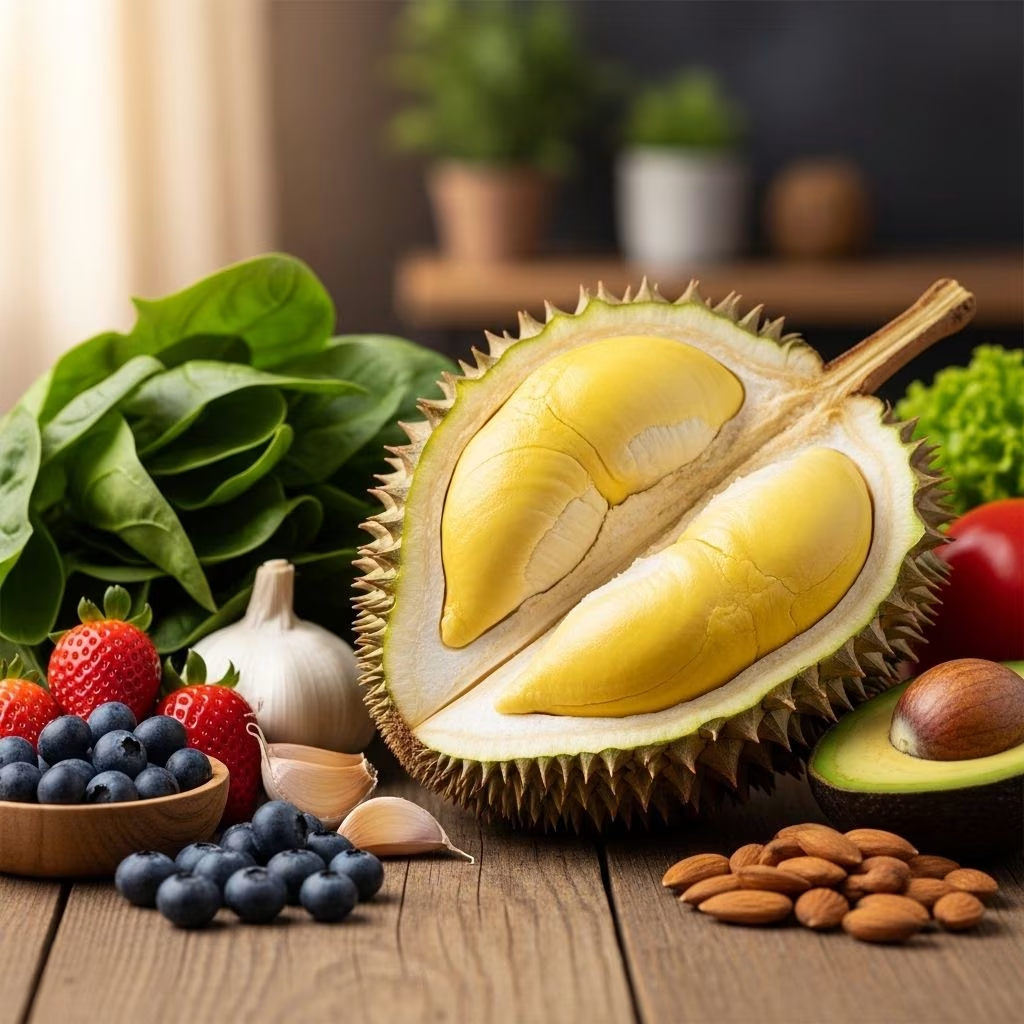
Durian (Durio zibethinus), widely known as the “King of Fruits,” is one of Southeast Asia’s most revered—and infamous—natural delicacies. With its distinctive odor and spiky shell, this fruit divides opinion, but its nutritional value and potential health benefits are recognized by scientists and nutritionists worldwide. This comprehensive guide explores the incredible benefits of durian, its nutrition facts, health impacts, culinary uses, risks, and how to enjoy it safely.
What is Durian?
Durian is a large, tropical fruit native to Southeast Asia. It is most famous for its pungent smell, which can be overwhelming to some but also signals the fruit’s ripeness. Inside, the fruit contains creamy, golden-yellow segments with a unique blend of sweet and savory flavors. Used for centuries in traditional medicine and cuisine, durian is now gaining worldwide attention for its remarkable nutritional properties.
Nutritional Profile of Durian Fruit
Durian’s potent health effects are closely linked to its rich composition of vitamins, minerals, and bioactive compounds. Here is a typical nutritional breakdown for one cup (about 243 grams) of raw or frozen durian:
| Nutrient | Amount per 1 Cup (243g) | % Daily Value* |
|---|---|---|
| Calories | 357 | – |
| Total Carbohydrates | 66 g | – |
| Dietary Fiber | 9 g | ~36% |
| Total Fat | 13 g | 20% |
| Protein | 3.6 g | 7% |
| Vitamin C | 48 mg | ~53% |
| Potassium | 1,060 mg | 23% |
| Vitamin B6 | 0.8 mg | 38% |
| Thiamine (B1) | 0.9 mg | 61% |
| Riboflavin (B2) | 0.5 mg | 29% |
| Folate | 88 mcg | 22% |
| Magnesium | 73 mg | 17% |
*Daily values are approximate and based on a 2,000-calorie diet.
- Rich in carbohydrates, fiber, healthy fats, and protein
- Packed with vitamin C, B vitamins, potassium, magnesium, and copper
- Contains unique sulfur compounds and a spectrum of bioactive antioxidants
Top 12 Health Benefits of Durian Fruit
-
Rich in Antioxidants
Durian is loaded with antioxidants such as anthocyanins, carotenoids, polyphenols, and flavonoids. These compounds help neutralize free radicals, reducing oxidative stress and potentially lowering the risk of chronic diseases including cancer and cardiovascular disorders.
-
Supports Immune Function
Durian is an excellent source of vitamin C—one serving may contain 50–200% of daily requirements—strengthening the immune system, promoting wound healing, and defending against infections.
-
Nutrient-Dense Superfood
The unique mix of macronutrients and micronutrients—including potassium, fiber, B vitamins (B1, B2, B6), and magnesium—makes durian one of the most balanced fruits, supporting energy production, muscle function, nerve signaling, and more.
-
Supports Digestive Health
Each serving of durian is high in dietary fiber, which promotes healthy digestion, regular bowel movements, and gut microbial balance. Fiber also helps control cholesterol and blood sugar levels.
-
Promotes Heart Health
The potassium, magnesium, and fiber content in durian support healthy blood pressure and circulation. Its healthy monounsaturated fats and antioxidants help improve lipid profiles and may reduce the risk of arterial plaque buildup.
-
Natural Energy Booster
Durian is calorie-dense and high in easily digestible sugars, such as sucrose, fructose, and glucose. It gives a quick energy boost, making it ideal for athletes and those needing fast recovery after intense activity.
-
May Aid in Blood Sugar Control (When Consumed Moderately)
While durian is high in carbs, its moderate glycemic index and substantial fiber content can help slow sugar absorption, cushioning blood sugar spikes if consumed in moderate portions.
-
Supports Skin Health
Vitamin C, in combination with antioxidants, contributes to collagen synthesis and may protect skin from damage, contributing to healthy, youthful-looking skin.
-
Packed with Plant-Based Protein and Fat
Unusual for fruit, durian provides both protein and healthy fats, making it more satiating and supporting tissue repair and hormonal health.
-
Potential Anti-Cancer Properties
Research into durian’s polyphenols and sulfur-containing compounds suggests they may suppress cancer cell growth, although more studies in humans are needed.
-
Improves Bone Health
Key minerals in durian—including potassium, magnesium, and copper—play a role in bone formation and strength.
-
Supports Brain, Nerve, and Red Blood Cell Function
Durian is a rich source of B vitamins and folate, essential for cognitive function, energy metabolism, and red blood cell production. Folate is especially vital for pregnant women in preventing neural tube defects.
Traditional and Culinary Uses of Durian
The durian fruit is famously versatile in both sweet and savory Southeast Asian dishes:
- Fresh: Often eaten raw as a delicacy
- Desserts: Used in ice creams, cakes, pastries, candies, and shakes
- Savory: Cooked into curries, soups, and rice dishes
- Preserved: Durian chips, jams, or freeze-dried snacks
In traditional medicine, durian is sometimes used to invigorate the body, reduce fever, and promote digestive health, though scientific backing for these uses is limited.
Possible Side Effects and Safety Precautions
While durian offers many benefits, there are a few side effects and caveats to keep in mind:
- High Calorie Content: Durian is energy-dense. Overconsumption may contribute to weight gain or disrupt blood sugar control—especially in people with diabetes.
- Strong Odor: Some find the smell offensive; durian is even banned in many public places in Southeast Asia.
- Interactions: Anecdotal evidence suggests durian, when combined with alcohol, may cause digestive discomfort and elevate blood pressure, though evidence is limited.
- Sensitivity: Some individuals may be allergic to durian or experience bloating, stomach upset, or loose stools if consumed in large quantities.
Recommended intake: Most dietitians suggest enjoying durian as an occasional treat rather than a daily staple, particularly for those watching their calorie or carb intake.
Tips for Choosing and Storing Durian
- Choose fruits with a pronounced aroma and a firm, intact shell.
- Durians are best consumed fresh; if opened, store leftover pulp in an airtight container in the refrigerator for up to 2 days, or freeze for longer storage.
- Wear gloves or use utensils when handling to avoid lingering odor on hands.
Frequently Asked Questions (FAQs)
Q: Why does durian smell so strong?
A: The pungent odor of durian comes from a blend of volatile sulfur compounds, including esters and thioacetals. These same families of compounds are found in garlic and onions, but durian’s concentration is higher, contributing to its reputation for being the world’s smelliest fruit.
Q: Is it safe for pregnant women to eat durian?
A: In moderation, durian is generally considered safe and may even be beneficial due to its folate and iron content. However, because durian is high in carbohydrates and calories, pregnant women with gestational diabetes or concerns about weight gain should consult their healthcare provider before including it in their diet.
Q: Can people with diabetes eat durian?
A: Individuals with diabetes should consume durian in moderation due to its high carbohydrate and sugar content. Monitoring blood glucose levels and serving sizes is important.
Q: How much durian can you safely eat in a day?
A: Most health authorities recommend limiting intake to about one or two small segments (around 100–150 grams per serving) no more than a few times per week.
Q: Are there any myths about durian?
A: Common myths include the idea that durian causes heatiness (an imbalance in body temperature) and that it is forbidden to consume with alcohol. While some report digestive discomfort with the combination, there is no definitive clinical link between durian and dangerous interactions with alcohol. It’s always best to avoid excess in either.
Conclusion
Durian’s status as the “King of Fruits” is earned not only for its distinctive flavor and aroma but also for its rich nutritional profile and unique health benefits. When enjoyed in moderation, durian can be a valuable addition to a varied, balanced diet—delivering fiber, vitamins, minerals, antioxidants, and a satisfyingly creamy texture uncommon to most fruits. Always consult your healthcare provider if you have underlying health conditions or dietary restrictions before trying this remarkable tropical fruit.
References
- https://draxe.com/nutrition/durian-fruit/
- https://www.healthxchange.sg/food-nutrition/food-tips/durian-myths-facts
- https://www.vitarx.co/resources/immune-support/durian-fruit
- https://pmc.ncbi.nlm.nih.gov/articles/PMC6463093/
- https://www.healthline.com/nutrition/durian-fruit
- https://foodstruct.com/food/durian-raworfrozen