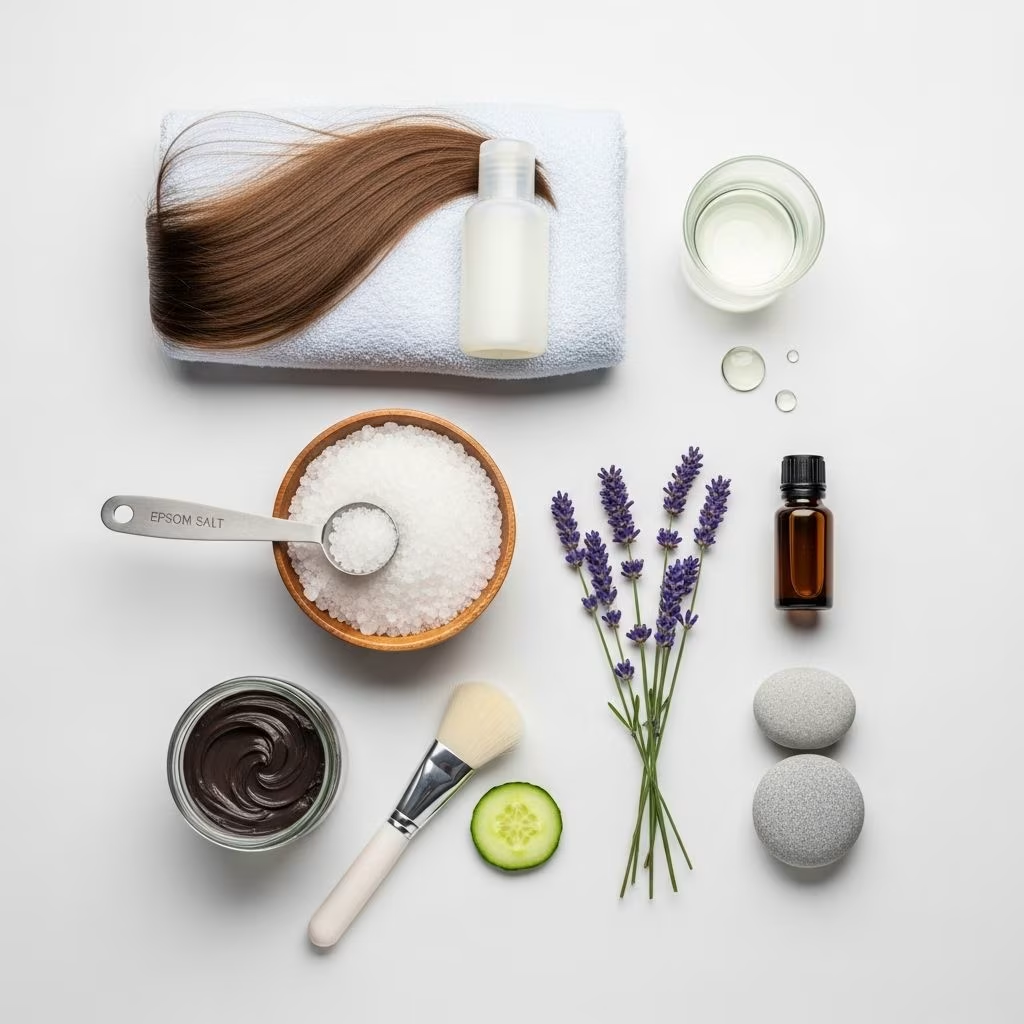
Epsom salt, scientifically known as magnesium sulfate, is a beloved natural remedy with a reputation for soothing sore muscles, supporting healthy skin, and providing diverse wellness benefits. Unlike regular table salt, Epsom salt is renowned for its unique composition and therapeutic uses, making it a staple in home wellness rituals across the globe.
What Is Epsom Salt?
Epsom salt is a mineral compound comprised of magnesium, sulfur, and oxygen. It gets its name from the Epsom region in England, where it was first discovered. Its therapeutic use has endured for centuries due to its effectiveness in promoting relaxation and health.
Table Salt vs. Epsom Salt
| Property | Table Salt (Sodium Chloride) | Epsom Salt (Magnesium Sulfate) |
|---|---|---|
| Formula | NaCl | MgSO4 |
| Uses | Flavoring, preservative, chemical reactions | Bath additive, health remedy, gardening, cleaning |
| Consumption | Common in daily diet | Not typically consumed; external use preferred |
| Medical Benefits | Maintains electrolyte balance | Relieves muscle pain, improves relaxation, supports skin & hair |
How Does Epsom Salt Work?
When Epsom salt is dissolved in warm water, it breaks down into magnesium and sulfate ions. The skin can absorb some of these ions—a process called transdermal absorption. Magnesium ions counteract inflammation, ease pain, restore the cell’s electrolytic balance, and trigger various beneficial hormonal responses. This makes Epsom salt useful in medicine, specifically for treating magnesium deficiency.
7 Benefits of Epsom Salt
The multifaceted benefits of Epsom salt affect both the body and mind:
1. Relieves Stress and Induces Relaxation
- Reduces muscle tension: Warm Epsom salt baths relieve stress-induced muscle tightness and physical fatigue by restoring magnesium balance in cells, which affects muscle and nerve function.
- Promotes mental relaxation: As magnesium supports brain neurotransmitters, Epsom salt soaks can help regulate stress hormones and offer a sense of well-being.
Recommendation: Add 2 cups of Epsom salt to a warm bath and soak for 20–30 minutes, 2–3 times a week for optimal relaxation.
2. Eases Foot Ache, Strains, and Bruises
- Soothes sore feet: An Epsom salt foot soak alleviates aches due to long standing, exercise, or mild injury by relaxing the muscles and reducing inflammation.
- Heals bruises: The salt’s magnesium content accelerates healing and reduces swelling in minor bruises and pulled muscles.
How to use: Mix 50 grams (about 3 tablespoons) of Epsom salt per liter of warm water, soak feet for 30–40 minutes.
3. Promotes Skin Health and Exfoliation
- Exfoliates dead skin: Epsom salt acts as a gentle, non-abrasive physical exfoliant. Massage it onto damp skin to remove dead cells without irritation.
- Reduces blackheads: Its granules unclog pores and cleanse impurities, visibly brightening the skin.
- Manages skin conditions: Regular baths may help with eczema, psoriasis, or dry skin by soothing inflammation and itchiness. Always consult your doctor before using for chronic conditions.
4. Relieves Muscle Pain and Inflammation
- Eases post-exercise soreness: Magnesium reduces lactic acid buildup in muscle fibers, supporting faster recovery and comfort after physical exertion.
- Reduces swelling: Epsom salt soaks are commonly used to treat minor joint and muscle inflammation.
5. Aids Constipation Relief (Laxative Use)
- Naturally stimulates the bowel: Magnesium sulfate promotes water absorption in the intestines, triggering bowel movements when consumed as directed.
- Medical use only: Oral consumption should only take place under medical guidance, as improper use can cause dehydration or serious side effects.
6. Volumizes and Strengthens Hair
- Boosts hair volume: Epsom salt, when mixed with conditioner, helps remove excess oil and product buildup from the scalp, lending hair a fuller and more voluminous appearance .
- Soothes scalp: Its granular nature gently exfoliates the scalp, combating dryness and flakiness.
How to use: Mix equal parts Epsom salt and hair conditioner, massage into scalp, and leave on for 10–15 minutes before rinsing thoroughly.
7. Assists in Detoxification
- Flushes toxins: Magnesium and sulfate ions are thought to expel environmental toxins from the body when absorbed through the skin, supporting systemic detoxification (although scientific evidence is still evolving).
- Revitalizes energy: By balancing mineral levels, Epsom salt soaks may help improve energy and overall well-being.
Additional Uses of Epsom Salt
Epsom salt’s applications extend well beyond skin, hair, and relaxation. Here are some other practical uses:
- Gardening: Improves soil magnesium content for healthier plants.
- Cleaning: Natural abrasive cleaner for tiles, cookware, and stains.
- Aromatherapy: Combined with essential oils, it enhances relaxation rituals.
- Splinter removal: Drawing out splinters by soaking the affected area.
- Alleviating toenail fungus: Soaks may help reduce fungal growth and calm minor infections.
Who Should Avoid Using Epsom Salt?
Although generally safe for most individuals, certain people should use Epsom salt with caution or avoid it entirely. Those who should be cautious include:
- People with open wounds or skin infections: Epsom salt can aggravate wounds or slow healing.
- Individuals with diabetes: Especially if foot sores, ulcers, or neuropathy are present, consult a physician before use.
- People with kidney disease: Excessive magnesium absorption could impose a risk.
- Pregnant or breastfeeding women: Always seek medical advice before use.
Remember: Internal use (as a laxative) always demands medical supervision.
Precautions & Tips for Safe Epsom Salt Use
- Always test Epsom salt on a small patch of skin for sensitivity before full use.
- Do not use if you have skin infections, open wounds, or ongoing chronic medical conditions without consulting a healthcare provider.
- Keeping hydrated before and after soaking is important, as Epsom salt can sometimes cause dehydration.
- For bath soaks, stick to recommended concentrations (1–2 cups per standard tub of warm water).
- Oral ingestion is not recommended unless directed by a medical professional.
Frequently Asked Questions (FAQs)
Q: Can Epsom salt baths help you lose weight?
A: Epsom salt baths can indirectly support weight loss by promoting relaxation and reducing stress-driven eating, but they are not a direct fat-burning solution. Regular exercise and a balanced diet are still essential.
Q: How often can I use Epsom salt in my bath?
A: For general wellness, using Epsom salt baths 2–3 times per week is considered safe for most people. Listen to your body’s response, and consult a doctor if you have health concerns.
Q: Can I use Epsom salt on my face for exfoliation?
A: Yes, Epsom salt serves as a gentle exfoliator. Mix a small amount into your regular cleanser, apply gently in circular motions, and rinse off. Avoid use on broken, irritated, or very sensitive skin.
Q: Is Epsom salt the same as sea salt or Himalayan salt?
A: No. Epsom salt is magnesium sulfate, while sea salt and Himalayan salt contain sodium chloride and other minerals. Their uses and effects differ considerably.
Q: Can Epsom salt be used for hair care regularly?
A: Occasional use (about once a week) to clarify hair or add volume is safe. Overuse can dry the scalp, so balance with conditioning treatments.
Conclusion
Epsom salt is a time-tested, multipurpose remedy with applications for skin, hair, and overall health. Whether you are seeking relief from stress, muscle soreness, or simple beauty care, including Epsom salt in your wellness routine can provide noticeable benefits. Always use responsibly and consult your healthcare provider for chronic health conditions or before starting any new self-care regimen.
References
- https://www.stylecraze.com/articles/can-epsom-salt-bath-help-you-lose-weight/
- https://www.stylecraze.com/articles/benefits-of-epsom-salt-for-skin-hair-and-health/
- https://www.womenshealthmag.com/health/a19931813/epsom-salt-benefits/
- https://www.lorealparisusa.com/beauty-magazine/skin-care/skin-care-essentials/epsom-salt-benefits-and-uses
- https://www.masterclass.com/articles/what-is-epsom-salt
- https://health.clevelandclinic.org/7-things-you-probably-didnt-know-about-epsom-salt