


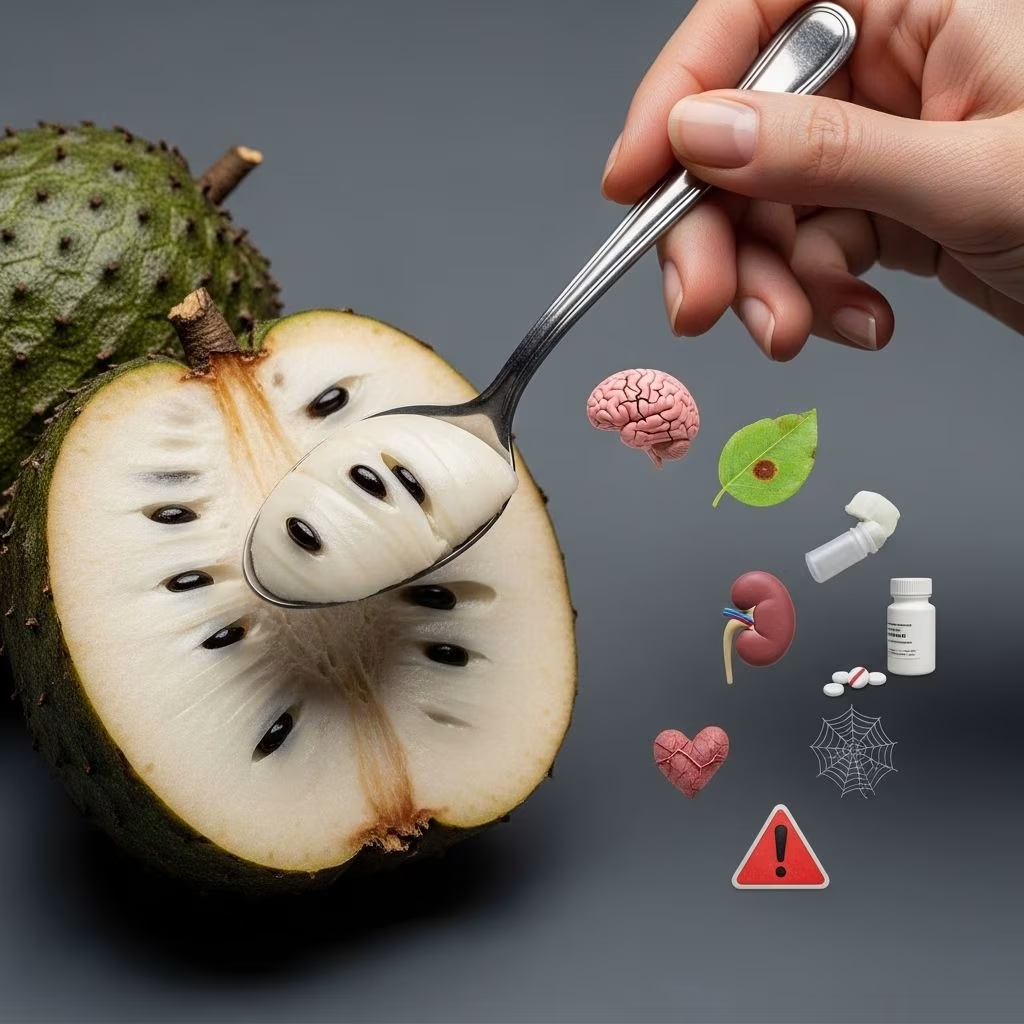
Serious Health Risks & Side Effects of Soursop (Graviola) Consumption
Soursop (Annona muricata), also known as graviola or guanabana, is a tropical fruit lauded for its distinctive flavor and potential medicinal properties. While soursop is popularly consumed and used in traditional remedies in many cultures, recent research has highlighted a spectrum of serious side effects and health risks linked to its consumption and supplementation. This article delves deep into the science-backed risks, notable toxicological concerns, interactions, and usage cautions associated with soursop and its products.
What Is Soursop?
Soursop is a green, spiky fruit native to Central and South America, the Caribbean, and parts of Africa and Southeast Asia. Botanically, it belongs to the Annona genus, and various parts of the plant—the fruit, leaves, bark, and roots—are used in traditional practices. Soursop is praised for its nutrients, such as vitamin C, B vitamins, fiber, and minerals like potassium and magnesium. However, its bioactive compounds, particularly acetogenins and alkaloids, have raised health concerns due to their toxicity in certain contexts.
Major Side Effects and Health Risks of Soursop
1. Neurological Effects and Risk of Neurotoxicity
Scientists have discovered that chronic or excessive consumption of soursop—especially the leaves, seeds, and stems—may cause severe neurological side effects due to the presence of a compound called annonacin. Key concerns include:
- Movement Disorders Similar to Parkinson’s Disease: Studies in the French West Indies found that communities with high consumption of soursop products reported markedly higher rates of atypical Parkinsonism—neurological conditions exhibiting symptoms like tremors, rigidity, and balance issues.
- Neurodegenerative Effects: Annonacin and related acetogenins disrupt normal nerve activity, damage mitochondrial energy production in brain cells, and increase tau protein phosphorylation, which is linked to neurodegenerative diseases. In animal studies, exposure to soursop extracts led to significant decreases in ATP (energy) levels within brain tissues and specific damage to the basal ganglia, a brain region responsible for regulating movement.
- Neurotoxicity from Herbal Teas and Supplements: Consumption of soursop leaf or stem teas, often used in traditional medicine, has been directly associated with cases of neurotoxicity, sometimes irreversible.
2. Potential Toxicity to Liver and Kidneys
Consumption of soursop in large amounts or over extended periods carries risk of liver and kidney toxicity:
- Kidney Damage: High doses (>5g/kg in animal models) of soursop extracts have been shown to damage kidney tissues, elevate toxin levels, and disrupt renal function.
- Liver Stress: Toxic alkaloids and acetogenins may also exert stress on the liver. People with existing liver or kidney conditions are particularly vulnerable and should strictly avoid concentrated soursop products without medical oversight.
3. Drastic Blood Sugar Reduction (Hypoglycemia)
Soursop leaf extracts have pronounced effects on lowering blood sugar levels. While this property may seem beneficial for managing diabetes, it can induce dangerously low blood glucose (hypoglycemia), especially in sensitive individuals or when combined with diabetic medications.
- Risk of extremely low blood glucose was observed in several toxicity studies, leading to symptoms like dizziness, confusion, shakiness, and even loss of consciousness.
4. Hypotension (Low Blood Pressure)
Soursop has vasodilatory (blood vessel widening) and hypotensive (blood pressure lowering) effects. For people with already low blood pressure or those taking antihypertensive medication, overconsumption of soursop can further drop blood pressure to unsafe levels. This may result in fainting, weakness, or organ hypoperfusion.
5. Potential for Drug and Laboratory Test Interactions
The potent bioactive chemicals in soursop can interfere with the:
- Action of prescription drugs including antihypertensives and diabetes medications, potentially amplifying their effects.
- Results of some laboratory tests, such as blood sugar, platelet count, blood pressure, and results of nuclear medicine imaging.
6. Unsafe During Pregnancy and Certain Medical Conditions
Pregnant and breastfeeding women, individuals with liver or kidney disease, neurological disorders (such as Parkinson’s disease), or those with low platelet counts should avoid soursop supplements and extracts due to heightened risk of adverse effects or toxicity.
7. Overuse and Commercial Supplement Quality Concerns
Most commercial soursop supplements are unregulated and their content may not reliably match what research studies have examined. There are no official guidelines on the safe daily intake for soursop or its extracts, and overuse poses significant health dangers.
Phytochemical Profile: Why Is Soursop Potentially Harmful?
| Compound | Source in Soursop | Potential Harm |
|---|---|---|
| Annonacin (Acetogenin) | Fruit, leaves, seeds, stem | Neurotoxicity, mitochondrial dysfunction, parkinsonism risk |
| Other Acetogenins | Whole plant | Poorly understood, but similarly implicated in toxicity |
| Alkaloids (Reticuline, Solamin, Coreximine) | Leaves, stem | Disrupt nerve cell signaling, contribute to neurotoxicity |
| Hypotensive Agents | Fruit, leaves | Blood pressure reduction |
Who Should Avoid Soursop?
- Individuals with Parkinson’s disease or a family history of neurodegenerative disorders
- People suffering from liver or kidney disease*
- Those with low blood pressure or on antihypertensive therapy*
- Pregnant and breastfeeding women
- People taking antidiabetic medication or blood thinners*
*Always consult a healthcare professional before considering any soursop product or supplement.
Best Practices and Safe Consumption Guidelines
- Moderation is key: Occasional consumption of soursop fruit in food is typically considered safe for healthy adults, but chronic use or high intake (especially of leaves, seeds, or supplements) greatly elevates risk.
- Avoid unregulated supplements: There is no guarantee of quality, dosage, or safety in most commercially available capsules, teas, or extracts.
- Medical consultation first: Always notify your physician before using soursop as part of a health regimen, especially if you have underlying conditions or take medications.
- Pregnant and lactating women, children, and elderly should completely avoid soursop supplements due to lack of safety data and increased sensitivity to toxic effects.
Popular Claims vs. Scientific Reality
Soursop has been heralded in folk medicine as a ‘miracle cancer cure’. However, no human clinical trials support its use for cancer treatment, despite positive results in cellular and animal studies. Furthermore:
- Rodent and test-tube experiments highlight anticancer actions of soursop compounds (such as killing certain cancer cells), but the same substances are too toxic for safe, long-term use in humans due to severe neurological side effects.
- There is no substitute for proven, mainstream cancer therapies. Relying on soursop or herbal remedies alone may delay or interfere with effective treatment.
- No dosage is established as both effective and safe for cancer or other chronic conditions.
Frequently Asked Questions (FAQs) About Soursop Side Effects
Q: Can soursop cure cancer?
A: Research has found anticancer activity in laboratory and animal studies using soursop extracts, but there is no clinical evidence from human trials that soursop can cure or effectively treat cancer. Its compounds (like annonacin) are too toxic for safe therapeutic use in people.
Q: Is it safe to drink soursop tea regularly?
A: No. Regular or excessive consumption of soursop tea (made from leaves and stem) has been linked to neurotoxicity and development of movement disorders resembling Parkinson’s disease.
Q: Who should absolutely avoid soursop products?
A: People with neurological conditions (like Parkinson’s), liver or kidney problems, chronic low blood pressure, pregnant or breastfeeding women, and those taking medications for blood pressure, diabetes, or blood thinners.
Q: What are the signs of soursop toxicity?
A: Signs may include tremors, difficulty walking, muscle stiffness, loss of balance, extreme fatigue, confusion (neurotoxicity); sudden drop in blood sugar (shakiness, dizziness, fainting); severe drop in blood pressure; yellowing of skin/eyes (liver); or reduced urine output (kidney problems).
Q: Is eating small amounts of fresh soursop fruit safe?
A: Eating soursop fruit in moderation as part of a balanced diet is generally considered safe for healthy adults, but anyone with pre-existing health conditions or taking medication should seek medical advice first. Avoid seeds and unprocessed supplements entirely.
Practical Tips for Safer Soursop Consumption
- Choose ripened fresh soursop fruit and avoid seeds, leaves, and stems.
- Never exceed small, infrequent portions—in traditional diets, the fruit is usually consumed rarely, not daily.
- If you develop any unusual symptoms after using soursop, discontinue use and consult a physician immediately.
- Do not use soursop as an alternative to prescribed therapies, especially for chronic or severe illnesses like cancer.
Conclusion
Soursop offers both nutritional value and health risks. Its powerful phytochemicals may act as double-edged swords—offering benefits in controlled lab settings, but posing significant real-world risk to brain, kidney, and overall neurological health if misused. Unless under strict supervision and for limited, traditional dietary intake, soursop and its extracts should be approached with great caution—and never relied upon as a replacement for established medical care.
References
- https://www.vinmec.com/eng/blog/can-soursop-graviola-help-treat-cancer-en
- https://www.cancercenter.com/community/blog/2017/07/experts-warn-against-soursop-fruit-to-fight-cancer
- https://pmc.ncbi.nlm.nih.gov/articles/PMC10458951/
- https://healthhq.world/issue-sections/diet-nutrition/healthy-diet-vegetarianism/the-health-benefits-and-risks-of-soursop-an-in-depth-look-at-annona-muricata-lin/
- https://pmc.ncbi.nlm.nih.gov/articles/PMC8878098/
- https://www.medicalnewstoday.com/articles/319720
- https://www.webmd.com/food-recipes/health-benefits-soursop
- https://www.mskcc.org/cancer-care/integrative-medicine/herbs/graviola


