


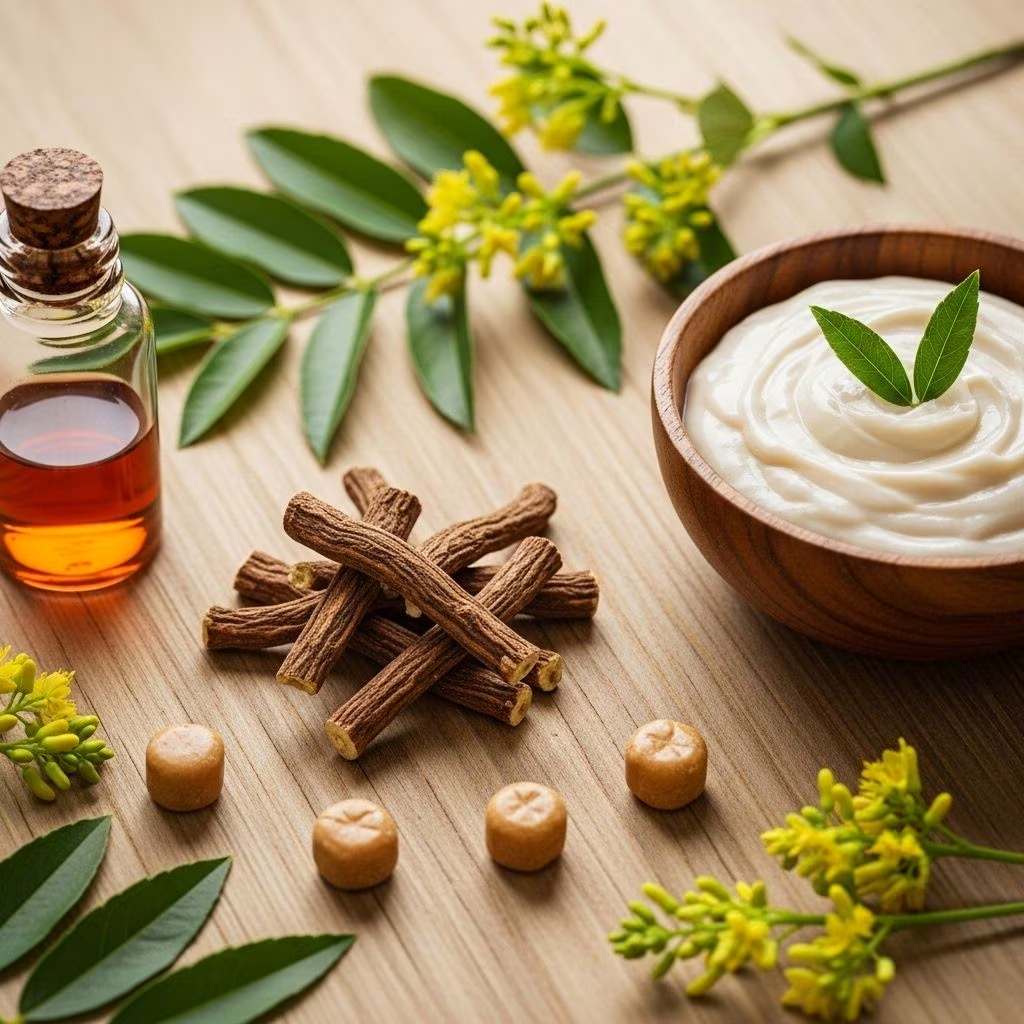
Licorice root, known as Glycyrrhiza glabra, has been valued for centuries in Ayurveda, Traditional Chinese Medicine, and folk healthcare worldwide. Its sweet, woody root does far more than flavor candy—used topically or consumed, licorice unveils scientifically backed benefits for the skin, hair, and overall health. This article delves into how licorice transforms skin clarity, supports luscious hair, and fosters internal well-being, alongside safe usage tips and frequently asked questions.
What Is Licorice Root?
Licorice root is the underground stem of Glycyrrhiza glabra, a leguminous perennial herb native to parts of Europe and Asia. Revered for its natural sweetness (due to glycyrrhizin), it’s loaded with flavonoids, saponins, essential oils, and phytonutrients. Traditionally, licorice root has been used to soothe the throat, alleviate digestive issues, brighten skin, and promote hair health.
Nutritional Profile of Licorice
Licorice root contains a spectrum of healthful compounds, including:
- Glycyrrhizin: A sweet-tasting, anti-inflammatory saponin
- Flavonoids: Powerful antioxidants such as liquiritin, isoliquiritin, glabridin
- Polysaccharides and Coumarins: Contribute to immune and skin health
- Phytoestrogens: Plant compounds mimicking estrogen-like benefits
With such components, licorice delivers multidimensional benefits, explained below by area of application.
Licorice Benefits for Skin
Licorice’s growing popularity in skincare stems from its ability to gently brighten, lighten dark spots, calm irritation, and fight signs of aging. Here is how it supports a flawless complexion:
1. Natural Skin Brightening Agent
Licorice root is rich in glabridin and liquiritin—compounds shown to help disperse excess melanin and naturally lighten the skin without harsh synthetic ingredients.
- Reduces the appearance of pigmentation, age spots, and dullness
- Ideal for those seeking a more even skin tone
2. Rich Source of Antioxidants
Licorice contains high levels of antioxidants, including various flavonoids. These antioxidants:
- Protect skin from free radical damage
- Delay visible signs of aging, such as wrinkles and sagging
- Support the skin’s natural barrier function, keeping skin supple and resilient
3. Fades Dark Spots and Hyperpigmentation
Dark spots can result from sun exposure, age, or inflammation. Topical licorice root extract inhibits tyrosinase—the enzyme involved in melanin production. Key points:
- Gradually fades discoloration and stubborn spots
- Suitable for sensitive skin as a gentle alternative to chemical brighteners
4. Reduces Inflammation and Soothes Sensitive Skin
Licorice’s anti-inflammatory effects help soothe reactive, sensitive, or irritated skin conditions, including eczema and rosacea.
- Calms redness, swelling, or itching
- Useful as an adjunct for chronic skin conditions
5. Balances Oily and Acne-Prone Skin
Licorice moderates sebum production and possesses mild antimicrobial properties.
- Reduces breakouts and helps control oil
- Prevents clogging of pores
6. Supports Wound Healing
Topical use of licorice can hasten recovery from minor wounds and scars due to its soothing, protective compounds.
Licorice Benefits for Hair
In Ayurveda, licorice—often called Mulethi—is cherished for promoting healthy hair growth, combating scalp disorders, and restoring hair’s vitality. Here’s what science and tradition say:
- Promotes Hair Growth: By enhancing blood flow to the scalp, licorice ensures that hair follicles receive vital nutrients for robust growth.
- Reduces Hair Loss: Its anti-inflammatory properties soothe the scalp, alleviating irritation or infection which can trigger shedding.
- Prevents Premature Graying: By maintaining a nourished, balanced scalp, licorice helps stave off premature gray hairs.
- Treats Dandruff & Scalp Conditions: Its antimicrobial action helps clear dandruff and prevent build-up or fungal issues.
- Adds Shine and Softness: Licorice powder smooths, hydrates, and imparts a natural sheen and manageability to the hair .
How to Use Licorice for Hair:
- Mix licorice powder with water or oil to create a scalp mask.
- Blend with other herbs like amla or bhringraj for enhanced effects.
- Incorporate in hair oils or as a hair rinse for shine and volume.
Achieve the best results by combining licorice with a consistent scalp massage routine.
Licorice Root Health Benefits
Beyond aesthetics, licorice offers holistic health advantages that continue to be validated by research:
- Boosts Immunity: The phytochemicals in licorice assist in defending against respiratory and viral infections.
- Aids Digestion: Licorice soothes stomach discomfort, heartburn, and symptoms of gastritis by protecting mucous membranes.
- Supports Respiratory Health: Alleviates sore throat, cough, and acts as an expectorant in traditional cold remedies.
- Relieves Stress: Glycyrrhizin in licorice may help regulate stress hormones via the adrenal glands.
- Anti-inflammatory and Antimicrobial: Its natural compounds help calm systemic inflammation and fight bacterial or viral pathogens.
How to Use Licorice: Forms & Dosage
Licorice is available as powder, dried root sticks, capsules, extracts, teas, and topical ointments. Each form suits a particular purpose:
| Form | Purpose | How to Use |
|---|---|---|
| Powder | Face masks, hair packs, herbal drinks | Mix with water, honey, or oil and apply directly; drink in moderation |
| Extract (liquid/serum) | Spot treatments for skin; dietary supplement | Apply a few drops on affected area (skin); take per label for health |
| Dried sticks | Chewed for oral health, brewed as tea | Boil with water, sip as herbal tea |
| Capsules | Immune and digestive health | Consume according to supplement label |
| Topical creams | Eczema, rashes, localized pigmentation | Apply as directed to clean skin |
Note: Always follow package instructions or consult a healthcare professional regarding dosage, especially for internal use.
Precautions and Side Effects
- Excess intake of glycyrrhizin in licorice may cause high blood pressure, sodium retention, and low potassium.
- Avoid prolonged internal use without medical supervision, particularly if pregnant, nursing, or managing cardiac or kidney conditions.
- Topical use is generally safe, but perform a patch test to rule out skin sensitivities.
Consult your physician before starting a licorice supplement, especially if you take medication or have an underlying health condition.
Frequently Asked Questions (FAQs)
Q: Can licorice lighten dark spots and pigmentation on the face?
A: Yes, licorice contains glabridin and liquiritin, which inhibit the enzyme responsible for melanin production. Regular topical application can gradually lighten dark spots and even skin tone.
Q: Is licorice safe for daily use on the skin?
A: When used in moderation and as part of cosmetics or serums, licorice is safe for most skin types. Perform a patch test, especially on sensitive skin, and avoid overuse.
Q: How can licorice help with hair growth?
A: Licorice nourishes the scalp, improves blood flow, prevents dandruff, and reduces inflammation—a multifaceted approach ideal for hair growth and health.
Q: Are there any risks associated with licorice supplements?
A: Excessive ingestion of glycyrrhizin-rich licorice can cause side effects such as hypertension and mineral imbalance. Use standardized deglycyrrhizinated licorice (DGL) for lower risk and consult your doctor when in doubt.
Q: What are the main ways to use licorice for skincare?
A: Use licorice root powder in DIY face masks, licorice extract serums for pigmentation, or opt for creams containing standardized licorice extract as part of your skincare regimen.
Conclusion
Licorice root has stood the test of time as a natural, effective remedy for an array of beauty and wellness concerns. Its gentle but powerful active compounds improve skin brightness, tackle hyperpigmentation, soothe inflammation, promote hair growth, and offer inner health support. Embrace licorice in your self-care routine and experience the ancient herb’s transformative effects—safely and wisely.
References
- https://www.desertessence.com/blogs/desert-essence-blog/licorice-benefits-skin-side-effects
- https://www.hkvitals.com/blog/mulethi-licorice-for-hair-growth-unlocking-the-secret-to-luscious-locks/
- https://www.100percentpure.com/blogs/feed/5-licorice-root-benefits-for-skin
- https://vijayanmastersayurveda.com/blog/licorice-for-glowing-skin-and-luscious-hair
- https://www.healthline.com/nutrition/licorice-root
- https://www.dermatologytimes.com/view/licorice-extract-proves-helpful-hair-removal
- https://www.beijaflornaturals.com/products/licorice-root-elixir
- https://asianbeautyessentials.com/blogs/the-idol-beauty-blog/6-licorice-root-benefits-for-skin
- https://www.nccih.nih.gov/health/licorice-root


