


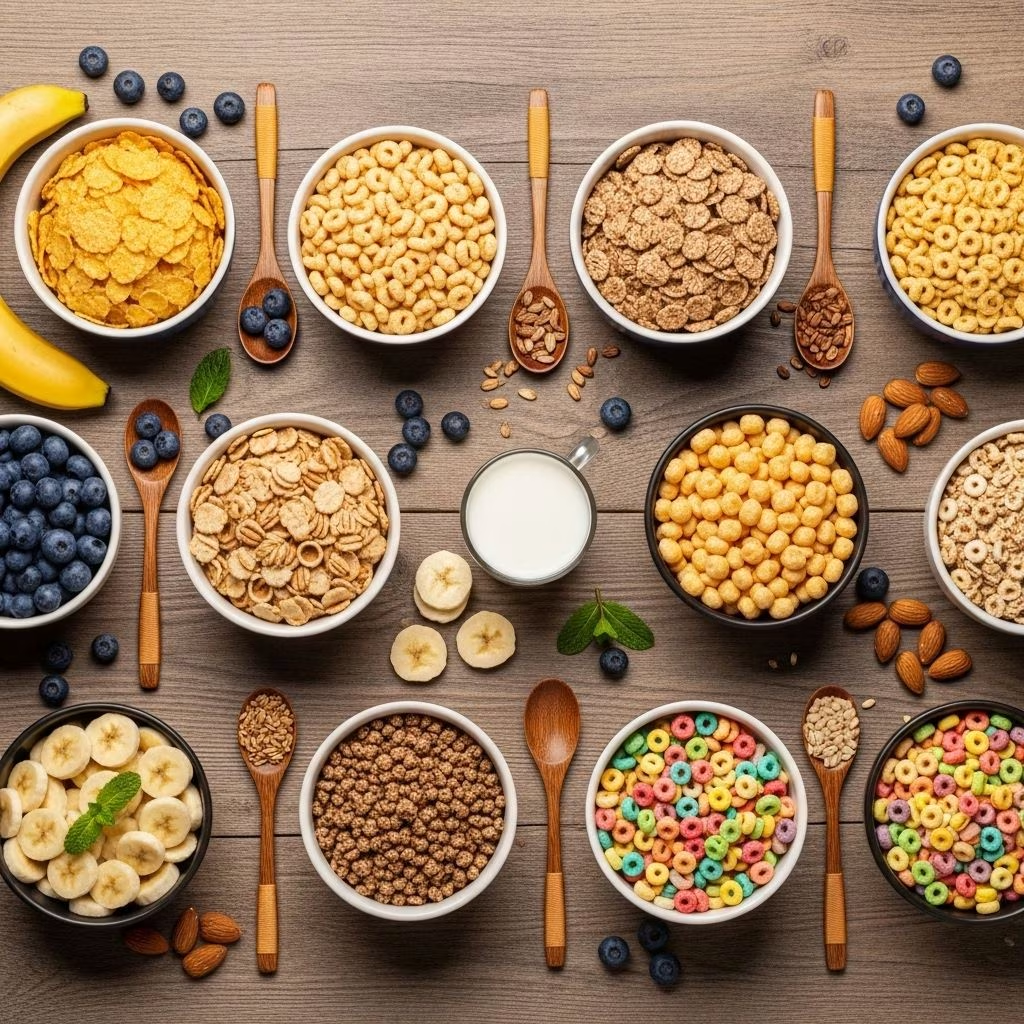
Vitamin B12 is a vital nutrient that supports red blood cell formation, brain health, and nerve function. While naturally abundant in animal products, many cereals are fortified with this essential vitamin, making them an important source—especially for vegetarians and vegans. This in-depth guide explores the best breakfasts cereals high in vitamin B12, their health benefits, and practical advice for making informed choices.
Why Is Vitamin B12 Important?
Vitamin B12, also known as cobalamin, plays critical roles in numerous biological processes. Its primary functions include:
- Formation of healthy red blood cells
- Maintenance of neurological function
- Synthesis of DNA
- Support for mental and emotional health
Since B12 is water soluble and not produced naturally by plants, individuals who avoid animal products are at higher risk for deficiency, which can lead to anemia, fatigue, cognitive issues, and nerve damage.
Recommended Daily Intake of Vitamin B12
The recommended daily intake (RDI) for adults is 2.4 micrograms (mcg).
Pregnant and lactating women require slightly more, about 2.6-2.8 mcg per day.
How Fortified Cereals Become a Valuable Vitamin B12 Source
Because natural sources of B12 are primarily animal-based, food fortification has become crucial. Fortified cereals are manufactured with synthetic (methylcobalamin or cyanocobalamin) B12 added during production. This addition is beneficial for vegetarians, vegans, the elderly, and those with absorption challenges.
- Fortified cereals can provide 25% to over 250% of the RDI in a single serving depending on the brand and portion size.
- B12 in fortified cereals is as bioavailable as that from animal sources for most people.
Top 10 Breakfast Cereals High in Vitamin B12
Below is a table outlining some of the most common fortified cereals and their B12 content per suggested serving size. Always check packaging, as formulations may change.
| Cereal Brand | Serving Size | Vitamin B12 Content (mcg) | % Daily Value |
|---|---|---|---|
| Kellogg’s All-Bran Complete Wheat Flakes | 1 cup | ~6 | 250% |
| Cheerios Multi Grain | 1 1/3 cup | ~6 | 250% |
| Post Grape-Nuts | 1 cup | ~5.5 | 225% |
| General Mills Wheaties | 1 cup | ~5.4 | 225% |
| Kellogg’s Special K Low Fat | 1 cup | ~6 | 250% |
| Safeway Original Granola | 2/3 cup | ~6 | 250% |
| Harris-Teeter Low Fat Granola | 2/3 cup | ~6 | 250% |
| Kroger Muesli Whole Grain | 1 cup | ~6 | 250% |
| Meijer Cocoa Crisps | 1 cup | 5.4 | 225% |
| Malt-O-Meal Raisin Bran | 1 cup | 2.8 | 62% |
Note: “% Daily Value” is based on the standard adult recommendation of 2.4 mcg/day.
Other Fortified Foods High in Vitamin B12
In addition to cereals, other fortified foods contribute significantly to vitamin B12 intake, particularly for vegan diets:
- Fortified plant-based milks (soy, almond, coconut, oat milk)—often supply 1.5–3 mcg per cup
- Fortified nutritional yeast
- Fortified tofu
- Some energy bars and meal-replacement shakes also contain added B12
Key Health Benefits of Eating Vitamin B12-Rich Cereals
- Prevention of deficiency: Particularly useful for people on vegetarian, vegan, or restricted diets
- Convenient nutrition: An easy, tasty way to meet daily vitamin needs without animal products
- Supports cognitive function: Helps prevent memory loss and mood disturbances
- Promotes heart health: Helps lower homocysteine levels, reducing cardiovascular risk
Tips for Selecting the Healthiest B12-Fortified Cereal
Not all fortified cereals are equally healthy. Use these pointers when making a selection:
- Check the vitamin B12 amount per serving on the nutrition label
- Look for whole grains as the primary ingredient
- Choose low-sugar options (less than 7g sugar per serving recommended)
- Opt for high fiber (3g fiber or more per serving adds to fullness and gut health)
- Avoid cereals with excessive artificial colors and preservatives
How to Incorporate B12-Rich Cereals Into Your Diet
- Breakfast bowl: Enjoy with dairy or fortified plant-based milk for a double B12 boost.
- Snacking: Eat plain or mix with nuts, berries, and seeds.
- Smoothie topper: Sprinkle cereal on smoothies or yogurt bowls for texture and nutrition.
- No-bake bars: Use as a base ingredient in homemade snack bars.
Who Needs Extra Vitamin B12?
While B12 needs are universal, certain demographics are at increased risk of deficiency or malabsorption:
- Vegans and strict vegetarians
- Adults over 50 (reduced absorption with age)
- Pregnant or breastfeeding women
- Individuals with conditions affecting the digestive system (e.g., celiac, Crohn’s disease)
- People taking certain medications (antacids, metformin)
For these groups, including fortified cereal is a practical dietary strategy.
Potential Side Effects and Safety Tips
- Generally, excess vitamin B12 from food sources is considered safe and non-toxic as surplus is excreted in urine.
- Extremely high intakes from supplements may cause mild side effects but are rare from cereals alone.
- If you have a diagnosed B12 deficiency, food alone may not be sufficient—consult a healthcare professional.
Frequently Asked Questions (FAQs)
Q1. Are all breakfast cereals a good source of vitamin B12?
No, only cereals fortified with B12 provide significant amounts. Look for “fortified with vitamin B12” on the ingredients list or check the nutrition facts label.
Q2. Can I rely on fortified cereals alone for my B12 needs if I am vegan?
Fortified cereals are an excellent source, but you should aim for a varied diet with other B12-fortified foods and, if recommended, supplements to ensure adequate intake.
Q3. Is vitamin B12 from fortified cereals as effective as that from animal foods?
Yes, the form of B12 added to cereals is highly bioavailable and effective for most healthy individuals.
Q4. Which is better: B12 from cereal or from supplements?
Both can be effective. Supplements may be needed if you have specific absorption issues or severe deficiency. Always check with a healthcare provider.
Q5. What symptoms may indicate a vitamin B12 deficiency?
Common symptoms include fatigue, weakness, numbness or tingling in hands or feet, memory problems, and mood changes. If you suspect a deficiency, seek medical advice.
Final Thoughts
Vitamin B12-fortified cereals are a convenient, safe, and effective way to boost your intake—especially for those who don’t consume animal products. Pair them with a balanced diet rich in whole grains, fruits, and vegetables to support lifelong health and vitality. Always read nutrition labels and choose options high in whole grains and fiber for maximum benefit.
References
- https://tools.myfooddata.com/nutrient-ranking-tool/vitamin-b12/breakfast-cereals/highest/household/all/no
- https://www.healthline.com/nutrition/vitamin-b12-foods
- https://www.themanual.com/fitness/foods-high-in-b12/
- https://www.hollandandbarrett.com/the-health-hub/vitamins-and-supplements/vitamins/vitamin-b/sources-of-vitamin-b12/
- https://www.health.harvard.edu/staying-healthy/the-a-list-for-vitamin-b-12-sources
- https://ods.od.nih.gov/factsheets/VitaminB12-HealthProfessional/
- https://www.medicalnewstoday.com/articles/320524
- https://www.nhs.uk/conditions/vitamins-and-minerals/vitamin-b/


