


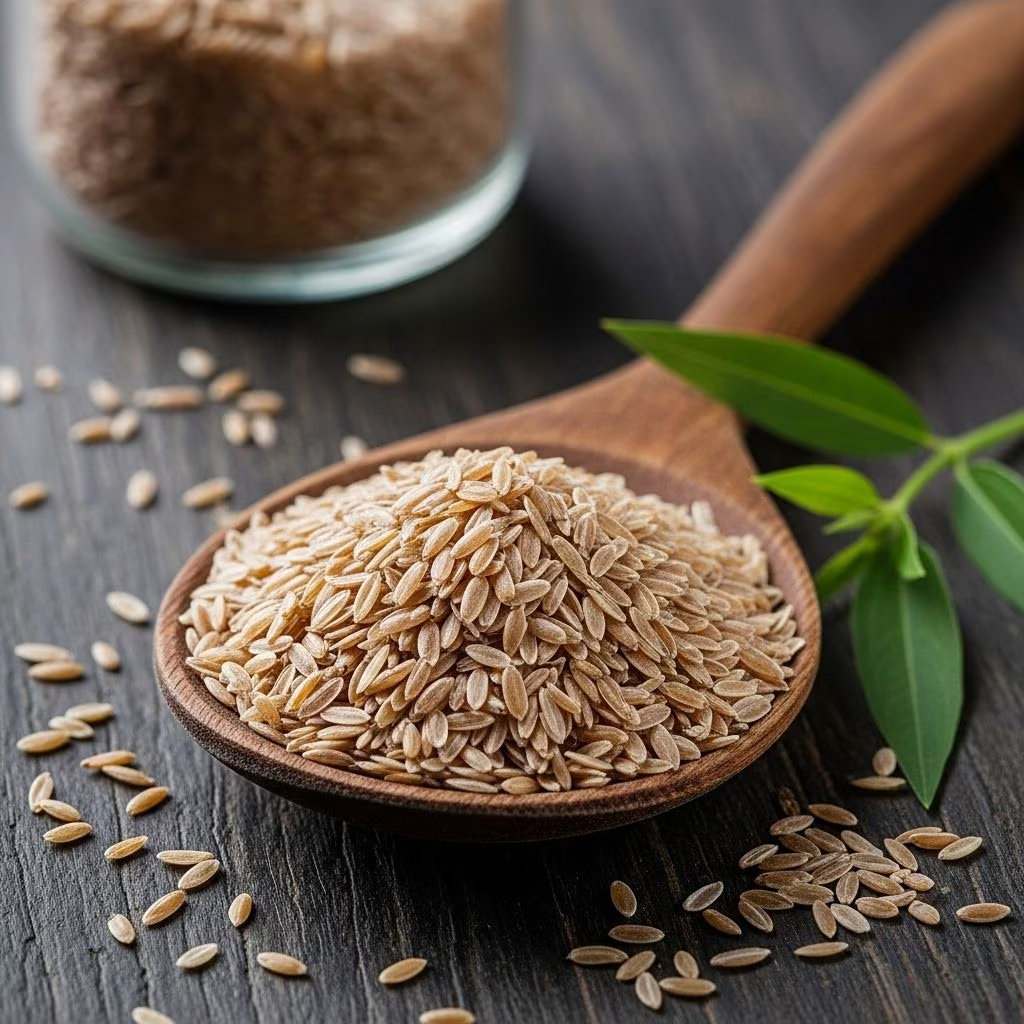
Psyllium husk, derived from the seeds of the Plantago ovata plant, is a versatile source of soluble fiber widely recognized for supporting digestive and metabolic health. In this in-depth article, we explore key science-backed benefits of psyllium husk, optimal ways to use it, cautions to consider, and frequently asked questions.
What Is Psyllium Husk?
Psyllium husk is the natural outer covering, or husk, of the psyllium seed. Known for its mucilaginous (gel-forming) properties, it absorbs water and forms a thick gel, making it act as a bulk-forming laxative and a functional food ingredient in many diets.
- Botanical name: Plantago ovata
- Origin: Mostly grown in India and Mediterranean regions
- Common forms: Whole husk, powder, or capsules
12 Science-Backed Benefits of Psyllium Husk
1. Supports Digestive Health & Regularity
Psyllium husk is renowned for relieving constipation and promoting regular bowel movements. As a bulk-forming fiber, it retains water in the gut, increases stool bulk, and facilitates easier passage of waste. Clinical research confirms its gentle action makes it preferable to harsher laxatives and aids in preventing hemorrhoids and fissures. It is also effective in regulating both constipation and mild diarrhea.
2. Helps Lower Cholesterol and Supports Heart Health
Multiple studies show psyllium husk can significantly reduce LDL cholesterol (the “bad” cholesterol) by binding to cholesterol and bile acids in the digestive system, leading to their excretion. This process is linked with improving overall cardiovascular health and reducing the risk of heart disease.
3. Assists in Blood Sugar Control
Psyllium husk slows the absorption of carbohydrates in the digestive tract, resulting in more gradual blood sugar increases after meals. This is beneficial for people with type 2 diabetes or metabolic syndrome, helping manage glycemic response and insulin sensitivity.
4. Promotes Satiety and Assists with Weight Management
The high fiber content provides a pronounced sensation of fullness and reduces overall calorie intake. Adding psyllium husk to a meal plan can help curb unhealthy cravings and reduce overeating, proving useful for people on weight loss or maintenance programs.
5. Nourishes a Healthy Gut Microbiome
The prebiotic action of psyllium husk nourishes beneficial gut bacteria, supporting a balanced intestinal environment. Improved microbiome health is related to better digestion, immune support, and reduced gastrointestinal discomfort.
6. May Help Manage Diverticular Disease
Increased stool bulk and regularity with psyllium fiber reduces pressure in the colon, helping prevent diverticulitis flare-ups and the progression of diverticular disease.
7. Eases Symptoms of Irritable Bowel Syndrome (IBS)
Psyllium husk can help relieve both constipation and mild diarrhea in some IBS patients thanks to its ability to regulate water content and stool consistency. However, effectiveness may vary by IBS subtype; always consult a healthcare provider before use.
8. Improves Texture in Gluten-Free and Low-Carb Baking
Owing to its gelling and water-binding properties, psyllium successfully mimics gluten, enhances dough structure, and improves crumb in gluten-free baked goods.
9. May Support Healthy Blood Pressure
By supporting heart health and cholesterol balance, some research indicates psyllium fibers may help maintain healthy blood pressure as part of dietary interventions for metabolic syndrome.
10. Aids in the Treatment of Hemorrhoids
Psyllium makes stools softer and easier to pass, reducing the pain and recurrence of hemorrhoids by decreasing straining during bowel movements.
11. Boosts Overall Nutrient Absorption
By keeping the digestive tract functioning well and maintaining a healthy gut lining, psyllium can contribute to more effective absorption of nutrients from food.
12. Versatile Functional Ingredient in Foods
Psyllium’s unique functional properties—such as gel-forming, viscosity control, and moisture retention—make it a common addition in soups, sauces, dairy alternatives, and baked products. This role extends beyond its nutritional value.
How Does Psyllium Husk Work?
Soluble fiber in psyllium absorbs many times its weight in water, forming a gel-like mass in the digestive tract. This gel bulks up stool, lubricates the passage through the colon, and slows down carbohydrate absorption into the bloodstream. Its prebiotic effect means it feeds beneficial gut bacteria, fostering broader gut health.
Nutritional Profile of Psyllium Husk
| Nutrient | Per Typical Serving (5g) |
|---|---|
| Calories | 18–20 kcal |
| Soluble Fiber | ~4 g |
| Protein | < 1 g |
| Fats | < 1 g |
| Carbohydrates | 4–5 g (almost all fiber) |
| Sugars | 0 g |
Psyllium is naturally low in digestible carbohydrates and sugars, with most of its calories and bulk coming from soluble fiber.
How to Use Psyllium Husk
- Beverage: Mix 1–2 tsp (approx. 5 g) psyllium husk in a full glass of water or juice. Stir well and drink immediately before the mixture thickens. Follow with another glass of water.
- Baking: Use in gluten-free recipes to improve crumb and texture. Can also thicken gravies and soups.
- Timing: Take before meals if using for appetite control and blood glucose management.
- Dosage: Typical adult doses range from 5–10 g daily, gradually increased as tolerated. Always begin with smaller amounts to assess tolerance.
Precautions & Potential Side Effects
- Hydration is crucial: Always consume psyllium with plenty of water to prevent choking or intestinal blockages.
- Possible initial side effects: Some users experience mild bloating, gas, or stomach cramping when first increasing fiber intake.
- May interfere with medication absorption: Take medicines at least 1 hour before or 2–4 hours after psyllium.
- Allergic reactions are rare but possible: Symptoms may include rash, itching, or breathing difficulty; discontinue and seek medical care if these occur.
- Not for those with intestinal narrowing or blockage: People with esophageal or intestinal strictures should avoid psyllium unless advised by a physician.
Frequently Asked Questions (FAQs)
What are the main benefits of psyllium husk?
Psyllium husk supports digestive regularity, helps lower cholesterol, aids blood sugar control, boosts satiety for weight loss, and nourishes gut bacteria.
How much psyllium husk should I take daily?
The usual dose is 5–10 grams daily, with plenty of water, but individual needs vary. Start low and gradually increase while monitoring your body’s response.
When is the best time to consume psyllium husk?
It can be taken before or after meals. If using for weight management, taking it before meals can help control appetite.
Are there any side effects?
Psyllium husk is considered safe for most people but can cause bloating, gas, or allergic reactions in some. Rarely, inadequate water intake may cause choking or blockages.
Can psyllium interact with medications?
Yes. Psyllium may reduce the absorption of certain medications. Always separate psyllium and medicine intake by a few hours and consult your healthcare provider if uncertain.
Is psyllium husk safe for children?
Under medical supervision, psyllium husk may be used for occasional constipation in children, but dosages are lower. Always consult a pediatrician first.
Can I use psyllium husk if I have IBS?
Many people with constipation-predominant IBS benefit from psyllium. Those with different subtypes (especially diarrhea-predominant) should seek medical advice first.
Is it gluten-free?
Yes, psyllium husk is naturally gluten-free and safe for people with celiac disease or gluten intolerance.
Psyllium Husk at a Glance Table
| Feature | Details |
|---|---|
| Source | Plantago ovata husk |
| Main Content | Soluble fiber |
| Main Uses | Constipation relief, cholesterol regulation, appetite control |
| Typical Dosage | 5–10 g per day |
| Precautions | Hydrate well, space apart from medications |
References & Further Reading
- Psyllium Husk: Benefits, Usage & Choosing the Right Product
- Review on Psyllium Husk: Nutritional, Functional, and Health Benefits
- Psyllium: What Are the Health Benefits?
References
- https://healthyhey.com/blogs/best-supplements-blog/the-ultimate-guide-to-psyllium-husk-benefits-usage-and-choosing-the-right-product-in-2025
- https://www.tandfonline.com/doi/full/10.1080/19476337.2024.2409174
- https://www.healthline.com/health/psyllium-health-benefits
- https://www.medicalnewstoday.com/articles/318707
- https://pmc.ncbi.nlm.nih.gov/articles/PMC10389520/
- https://www.health.harvard.edu/heart-health/psyllium-fiber-regularity-and-healthier-lipid-levels
- https://www.webmd.com/digestive-disorders/psyllium-husk-use


