


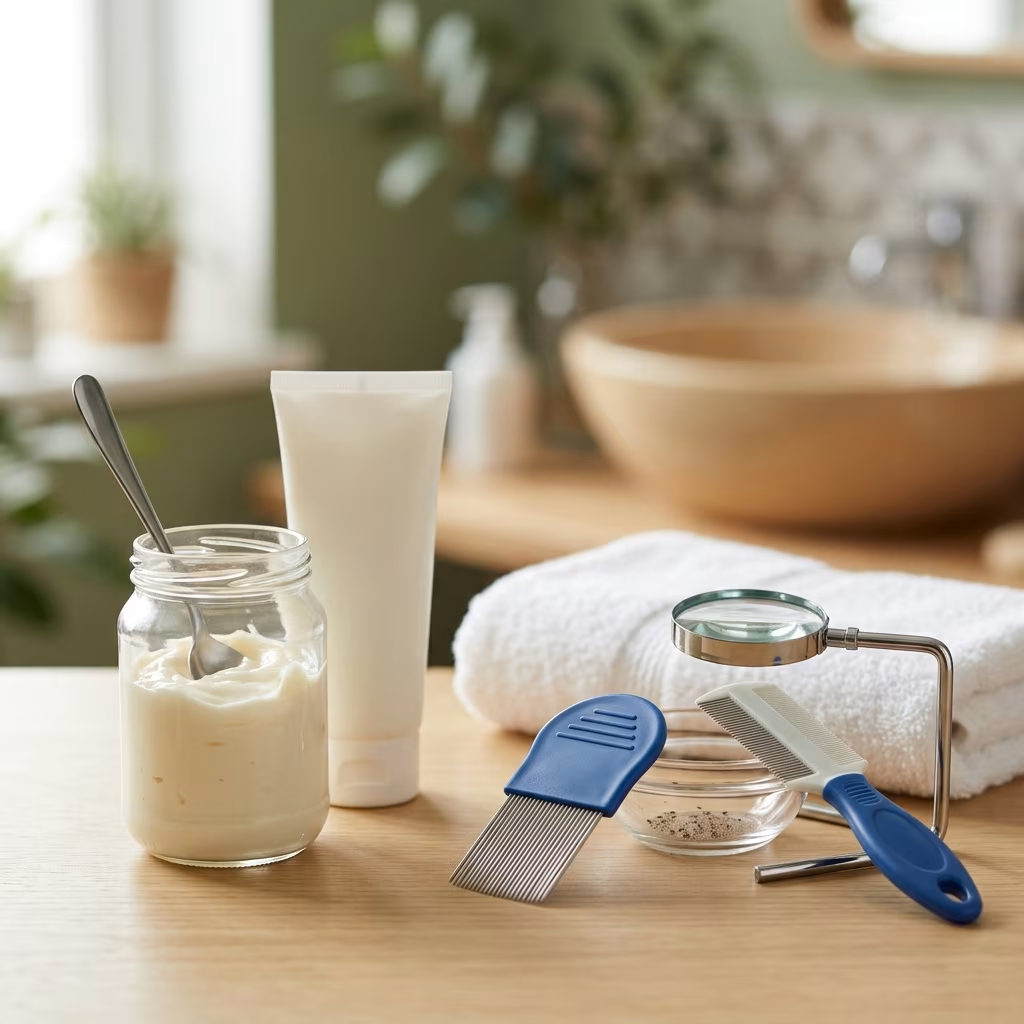
Can Mayonnaise Kill Lice? Myths, Science, and Safer Options
Head lice infestations are common, especially among children, leading many parents and caregivers to search for effective and safe treatments. Mayonnaise has emerged as a widely discussed home remedy, touted for its supposed ability to suffocate lice. But does this kitchen staple really work? This guide explores the science, risks, application methods, and more about using mayonnaise for lice treatment, along with expert-backed alternatives.
Understanding Head Lice
Head lice (Pediculus humanus capitis) are tiny, wingless parasites that feed on human blood and live close to the scalp. These pests reproduce rapidly and are highly contagious, particularly among school-aged children. A single louse can lay several eggs (nits) per day, making infestations stubborn and frustrating to treat.
The Mayonnaise Lice Remedy: Origins and Theory
Mayonnaise is a mixture of egg yolk, oil, and vinegar. The core idea behind its use for lice involves the following theory:
- Suffocation: The thick, creamy texture of mayonnaise is believed to coat lice and block their breathing apparatus, supposedly suffocating them if left in place for a sufficiently long period.
- Natural Alternative: Many families seek non-chemical options out of concern for pesticide exposure, making mayonnaise an appealing natural remedy.
Anecdotal Evidence Versus Scientific Research
There are numerous anecdotal reports of success with mayonnaise lice treatments, often shared in parenting forums and home remedy blogs. However, there is little to no scientific evidence supporting its effectiveness against lice or nits, which are the eggs of lice.
How Mayonnaise is Used for Lice Treatment
If you choose to try mayonnaise for lice, here is the typical application process:
- Apply: Generously coat dry hair and scalp with mayonnaise. Cover every strand and ensure the scalp is thoroughly covered.
- Cover: Place a shower cap or plastic wrap over the hair to trap heat and help keep the mayonnaise in place.
- Wait: Leave the mayonnaise on for several hours or even overnight. The intent is to suffocate the lice by depriving them of oxygen for a prolonged period.
- Rinse: Wash out the mayonnaise thoroughly with shampoo and warm water.
- Comb: Use a fine-toothed lice comb to remove dead lice and as many nits as possible.
Important Cautions during Application
- Risk of Bacterial Growth: Mayonnaise left at room temperature, especially overnight, can become a breeding ground for bacteria such as Salmonella.
- Choking Hazard: Never leave a child unattended with a shower cap or plastic wrap on their head due to suffocation risk.
- Allergic Reactions: Egg, oil, or vinegar allergies can cause skin irritation or more severe reactions in some individuals.
Does Mayonnaise Really Work Against Lice?
Despite being a popular home remedy, mayonnaise is not a scientifically proven lice treatment. Here’s what research and experts say:
- Suffocation Effect: The idea of suffocating lice with mayonnaise is plausible in theory, but lice can hold their breath for hours, making this method unreliable.
- Ineffective on Nits: Mayonnaise does not kill lice eggs (nits). Nits do not rely on external air to survive, so even coated, they will remain viable and can hatch later, causing reinfestation.
- Anecdotal Only: While some report temporary relief, there is no consistent scientific evidence that mayonnaise eliminates lice infestations or prevents recurrence.
| Aspect | Mayonnaise | Professional Treatments |
|---|---|---|
| Effectiveness | Poor, unproven for nits | Clinically proven, targets lice & nits |
| Application | Messy, time-consuming | Quick, often single session |
| Risks | Allergy, bacterial growth | Minimal if FDA-cleared |
| Cost | Cheap, household item | Varies, but often covered by insurance |
Health Risks and Disadvantages of Using Mayonnaise for Lice
- Risk of Foodborne Illness: Raw eggs in mayonnaise can harbor Salmonella, and leaving it on the scalp for hours increases the risk of bacterial contamination.
- Allergic Reactions: Mayonnaise contains multiple ingredients that can cause allergic reactions, especially in sensitive individuals or children.
- Messy Process: The application is cumbersome, uncomfortable, and difficult to clean, especially for those with long or thick hair.
- No Impact on Nits: Nits will generally survive the mayonnaise treatment, leading to repeated infestations.
- Delay of Effective Treatment: Relying on an unproven home remedy can allow lice infestations to worsen or spread to others.
Advantages of Using Mayonnaise (and Their Limits)
- Natural Option: For those wishing to avoid chemical pesticides, mayonnaise is viewed as a natural, non-toxic remedy.
- Readily Available: Most households have mayonnaise, making it a low-cost, accessible option.
- Temporary Relief: Some users report reduced itching or temporary immobilization of lice.
However, these advantages are outweighed by the lack of proven benefits and potential health risks.
Expert-Recommended Lice Treatment Alternatives
Professional and FDA-Approved Solutions
- Over-the-Counter (OTC) Lice Shampoos: Products containing permethrin or pyrethrin are specifically designed and tested for head lice removal. Always follow usage instructions and consult a healthcare provider if lice persist after treatment.
- Prescription Medications: For resistant lice, doctors may prescribe stronger treatments such as malathion or ivermectin.
- Professional Lice Clinics: Many clinics use advanced treatments like the AirAllé system, which uses heated air to dehydrate and kill lice and nits. This method is cleared by the FDA and generally completed in one session.
Physical Removal Methods
- Wet Combing: Using a fine-toothed lice comb on wet, conditioned hair is a non-chemical, low-risk way to physically remove lice and nits. Multiple sessions are usually required for complete removal.
- Manual Inspection: Frequent, careful checking and removal of lice and nits from the scalp reduces the chance of ongoing infestation.
Preventing Future Lice Infestations
To minimize the risk of re-infestation:
- Wash bedding, hats, combs, and towels in hot water and dry on high heat.
- Seal non-washable items in a plastic bag for at least two weeks.
- Educate children about avoiding head-to-head contact and sharing personal items.
Frequently Asked Questions (FAQs) About Mayonnaise and Lice
Can mayonnaise really smother and kill all lice?
Mayonnaise may immobilize some lice temporarily, but its ability to fully suffocate and kill all lice has not been supported by clinical evidence. Some lice can survive without air for hours, making this method unreliable.
Does mayonnaise have any effect on lice eggs (nits)?
No. Nits survive the mayonnaise treatment because they do not need oxygen from outside the egg, and the thick substance does not penetrate the eggshell. After treatment, nits can hatch and restart the infestation.
Is mayonnaise safe to leave on the scalp overnight?
Leaving mayonnaise (especially homemade varieties with raw eggs) at room temperature for hours poses significant health risks, including bacterial growth and possible Salmonella infection. Use with caution, and never leave children unattended with a shower cap or plastic wrap on their heads due to suffocation hazard.
Are there any natural alternatives to chemical lice remedies?
Other natural remedies, such as olive oil, coconut oil, or wet combing, are also commonly used but likewise lack strong scientific evidence. Wet combing is the safest non-chemical alternative, with best results achieved by repeated, thorough sessions.
When should I see a doctor for lice?
Consult a healthcare provider if:
- You have tried OTC or home remedies for several weeks without success.
- The infestation is widespread or recurrent.
- There are signs of infection, such as significant scalp redness or swelling.
- Chemical products cause allergic reactions or other complications.
Summary Table: Pros and Cons of Mayonnaise for Lice
| Pros | Cons |
|---|---|
| Inexpensive, accessible | Ineffective on nits |
| Perceived as natural | Messy, time-intensive |
| Non-chemical | Potential for bacterial growth |
| Risk of skin irritation, allergies | |
| May not eliminate lice, leads to reinfestation |
Conclusion: Should You Use Mayonnaise for Lice?
While mayonnaise is safe for consumption and offers a natural, easy-to-find option, it is not a reliable or scientifically supported lice treatment. It provides only anecdotal, temporary relief, and does not solve the problem of nits or prevent recurrence. For a thorough, safe, and effective resolution, use proven lice treatments and seek professional medical advice if needed. Always prioritize your family’s health with solutions that are evidence-based and safe.
References
- https://liceclinicsupstateny.com/mayonnaise-as-a-lice-treatment-how-effective-is-it/
- https://www.liceclinicsofamerica.com/does-mayonnaise-kill-lice/
- https://www.healthline.com/health/mayonnaise-for-lice
- https://newsnetwork.mayoclinic.org/discussion/mayo-clinic-q-and-a-getting-rid-of-head-lice/
- https://www.youtube.com/watch?v=68yXnidVvHc
- https://www.cdc.gov/lice/treatment/index.html
- https://www.pestworld.org/multimedia-center/videos/health/pest-prescriptions-is-mayonnaise-effective-for-treating-lice/
- https://letslearnaboutlice.com/why-using-mayonnaise-for-head-lice-is-a-recipe-for-disaster/


