


\
\
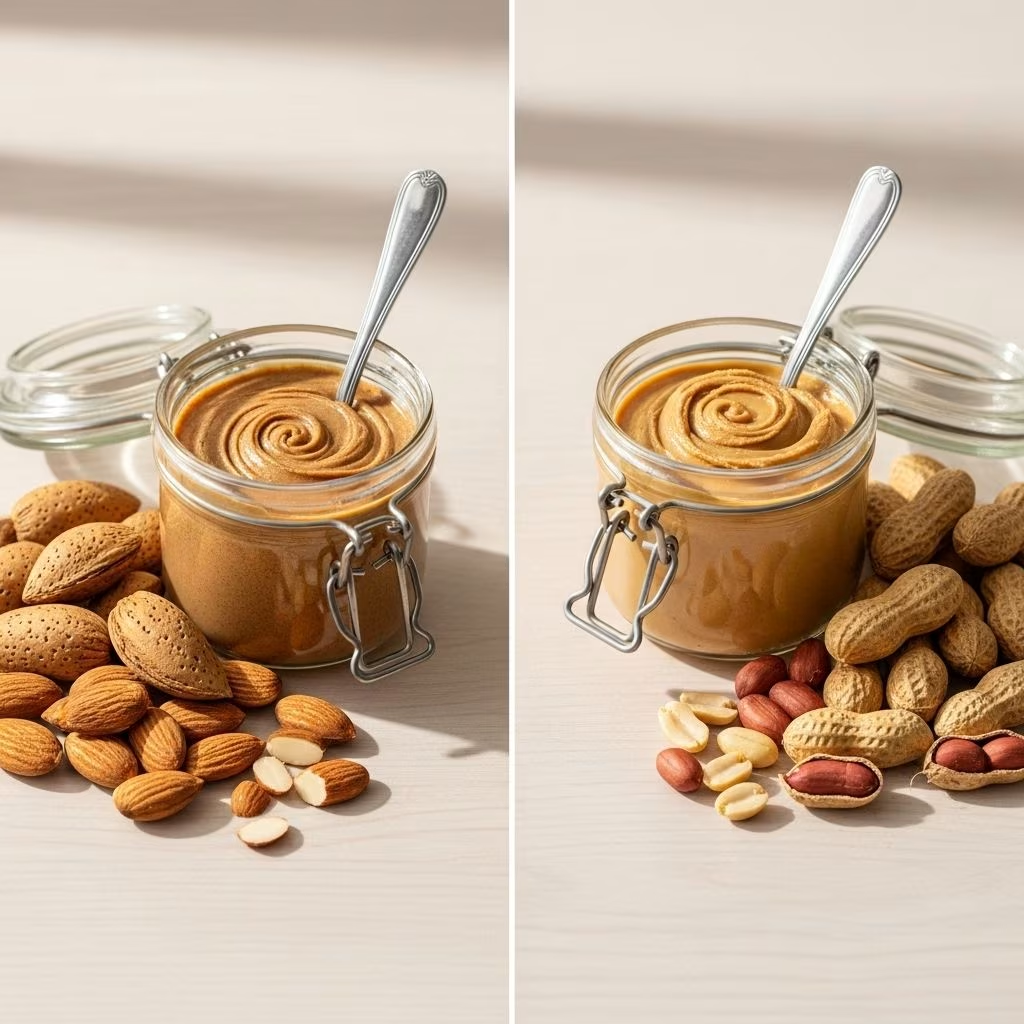
Nut butters have long been favored for their creamy texture, rich taste, and nutritional profile. Among the most popular are almond butter and peanut butter. Both provide protein, healthy fats, vitamins, and minerals, but each also offers distinct characteristics, health advantages, and considerations. Understanding the differences can help you choose the right option for your diet, preferences, and health needs.
\
\
Almond Butter vs. Peanut Butter: A Brief Overview
\
Almond butter is made by grinding roasted or raw almonds into a smooth paste, while peanut butter is created by grinding roasted peanuts. Each brings unique flavors and nutritional values to the table, making them staples in households, recipes, and health-conscious diets. But how do they compare when it comes to your health and nutrition?
\
\
Nutritional Comparison: Almond Butter vs. Peanut Butter
\
To assess which nut butter may suit your needs best, it’s important to look at their nutritional make-up side by side. Below is a detailed comparison based on typical serving sizes and nutrient content.
\
\
| Nutrient | Almond Butter | Peanut Butter |
|---|---|---|
| Calories | 190 kcal | 188 kcal |
| Protein | 5g | 8g |
| Total Fat | 17g | 16g |
| Saturated Fat | 1.5g | 3g |
| Monounsaturated Fat | 11g | 8g |
| Carbohydrates | 6g | 7g |
| Dietary Fiber | 3.3g | 2.5g |
| Sugar | 1g | 2g |
| Calcium | 93mg | 17mg |
| Magnesium | 45mg | 27mg |
| Potassium | 240mg | 208mg |
| Vitamin E | 7mg | 2mg |
| Niacin (Vitamin B3) | 1mg | 5mg |
| Folate (Vitamin B9) | 13mcg | 28mcg |
| Sodium | 0mg (unsalted) | 77mg (unsalted) |
\
\
Key Takeaways
\
- \
- Protein: Peanut butter contains more protein per serving.
- Healthy Fats: Almond butter offers more heart-healthy monounsaturated fats and less saturated fat.
- Micronutrients: Almond butter is richer in vitamin E, magnesium, calcium, and potassium. Peanut butter is higher in niacin and folate.
- Fiber: Almond butter contains more dietary fiber.
- Sodium: Almond butter usually contains less sodium, especially if made from only almonds.
\
\
\
\
\
\
\
Fatty Acids Profile
\
Both spreads are substantial sources of healthy fats, but differ in the type and balance:
\
- \
- Almond butter: Higher in monounsaturated fats, which promote cardiovascular health.
- Peanut butter: Contains more saturated fats and omega-6 fatty acids, which in excess may contribute to inflammation. Almond butter has a more favorable omega-3 to omega-6 ratio for most diets.
\
\
\
\
Vitamins and Minerals: Detailed Comparison
\
Micronutrient content is an important differentiator:
\
- \
- Almond butter offers a significant amount of vitamin E (almost 45% of your daily requirement per serving), aiding antioxidant protection for skin and cells.
- It’s also higher in magnesium (supports muscle and nerve function), calcium (bone health), and potassium (essential for heart and muscle function).
- Peanut butter provides more niacin (vitamin B3), supporting energy production and nervous system health, and contains more folate, vital for cell growth and DNA synthesis.
\
\
\
\
\
Health Benefits of Almond Butter
\
- \
- Rich in Vitamin E: Antioxidant properties help protect cells from oxidative stress.
- High in Fiber and Good Fats: Supports digestive and cardiovascular health.
- Bone Health Booster: Supplies magnesium and calcium for bone strength and muscle function.
- Potential Blood Sugar Regulation: Slower absorption due to fiber and healthy fats may help stabilize blood sugar.
- Lower Sodium Content: Pure almond butters are often sodium-free, making them suitable for low-salt diets.
\
\
\
\
\
\
\
Health Benefits of Peanut Butter
\
- \
- Protein Power: Higher in protein, supporting muscle repair and satiety.
- Source of Niacin and Folate: Supports nervous system health and cell growth.
- Cost-effective Nutrition: Provides many of the same health benefits as pricier options at a lower cost.
- Energy for Active Lifestyles: Nutrient dense and filling, ideal for athletes, children, and active adults.
\
\
\
\
\
\
Potential Drawbacks and Allergen Considerations
\
- \
- Peanut Allergies: Among the most common severe allergies, limiting use in schools and certain public settings.
- Tree Nut Allergies: Almonds are tree nuts, though less commonly allergenic than peanuts and may be tolerated by some with peanut allergy. Always check with a medical professional.
- Added Ingredients: Commercial varieties can contain extra salt, sugar, oils, or stabilizers. Opt for natural, single-ingredient options whenever possible.
- Calorie Density: Both butters are high in calories, so portion control is vital for weight management.
\
\
\
\
\
\
Flavor and Texture Differences
\
| Category | Peanut Butter | Almond Butter |
|---|---|---|
| Flavor | Distinctive, bold, roasted, slightly sweet | Milder, naturally sweet, more subtle, buttery |
| Texture | Thicker, firmer, can be chunky or smooth | Smoother, creamier, tends to be runnier |
| Allergen Risk | High (common allergen) | Lower risk, but still a tree nut |
| Cost and Availability | Widespread and affordable | More expensive, sometimes less accessible |
| Clean-Label Potential | Often includes added oils or sugars | Often available in pure, single-ingredient form |
\
\
Which Is Healthier: Almond Butter or Peanut Butter?
\
Both butters fit well into balanced, healthful diets. The best choice depends on your specific health goals, dietary needs, allergies, flavor preferences, and budget. Here’s a quick guide:
\
- \
- Choose almond butter: If you want more vitamin E, magnesium, fiber, or follow a low-sodium, heart-healthy, or plant-focused diet. Great for those managing heart health and looking for clean-label, minimally processed foods.
- Choose peanut butter: If you seek more affordable protein, want to boost your niacin and folate intake, or prefer a stronger roasted peanut flavor.
\
\
\
Always opt for natural versions with no added sugars, hydrogenated fats, or excessive salt for maximum health benefits.
\
\
Best Ways to Use Almond Butter and Peanut Butter
\
- \
- Spread on toast, rice cakes, or whole grain crackers
- Swirl into oatmeal, yogurt, or smoothie bowls
- Add to baked goods, energy balls, or protein bars
- Use as a dip for fruit or vegetables (apples, bananas, celery, carrots)
- In savory sauces, salad dressings, or as a marinade base
- Stir into curries or drizzle over pancakes and waffles
\
\
\
\
\
\
\
\
Frequently Asked Questions (FAQs)
\
Is almond butter good for weight loss?
\
Almond butter is nutrient-dense and high in protein and fiber, which can promote satiety and help control cravings. However, it’s also high in calories, so portion control is essential for effective weight management.
\
\
Is peanut butter unhealthy due to aflatoxins?
\
Peanuts can be susceptible to aflatoxin contamination—a toxin produced by certain molds. Most commercial peanut butters in regulated markets are carefully tested and considered safe. Nevertheless, variety and moderation are key to lowering cumulative risk from any one food.
\
\
Which is more likely to cause allergies?
\
Peanut butter is a more common allergen. Almond butter, while a tree nut product and allergenic to some, is typically less likely to cause allergic reactions in the general population. Always check with a healthcare provider if allergies are a concern.
\
\
What’s the healthiest way to buy nut butters?
\
Look for butters containing just one ingredient: almonds or peanuts. Avoid added sugars, hydrogenated oils, palm oil, and excessive sodium for better health outcomes.
\
\
Can I substitute one butter for the other in recipes?
\
Yes, you can swap almond butter and peanut butter in most recipes, adjusting for subtle changes in flavor and texture. Almond butter’s mild taste is ideal for sauces and dressings, while peanut butter excels in cookies and bars for a bold, roasted flavor.
\
\
Summary Table: Almond Butter vs. Peanut Butter
\
| Feature | Almond Butter | Peanut Butter |
|---|---|---|
| Protein | Lower | Higher |
| Vitamin E | High | Moderate |
| Fiber | Higher | Lower |
| Magnesium & Calcium | Higher | Lower |
| Niacin & Folate | Lower | Higher |
| Sodium | Lower (if unsalted) | Higher |
| Allergen Risk | Tree nut risk | Peanut allergy risk |
| Cost | More expensive | More affordable |
| Clean Label | Common | May contain additives |
\
\
Final Thoughts
\
Both almond butter and peanut butter are packed with taste and nutrition, fitting easily into a healthy, balanced diet. Your ultimate choice depends on nutrition priorities, taste preferences, allergenicity, and budget. Enjoy in moderation and opt for the purest available versions for the greatest health benefit.
\
References
- https://www.jssalmonds.com/peanut-butter-vs-almond-butter-for-product-formulations/
- https://scrippsamg.com/almond-butter-vs-peanut-butter-which-one-is-healthier/
- https://foodstruct.com/nutrition-comparison-text/peanutbutter-smoothstyle-withoutsalt-vs-almond-butter
- https://www.healthline.com/health/food-nutrition/almond-butter-peanut-butter
- https://perfectketo.com/almond-butter-vs-peanut-butter/
- https://perfectsnacks.com/blogs/post/almond-butter-vs-peanut-butter-nutrition-recipes
- https://eatbobos.com/blogs/health-nutrition/almond-butter-vs-peanut-butter


