


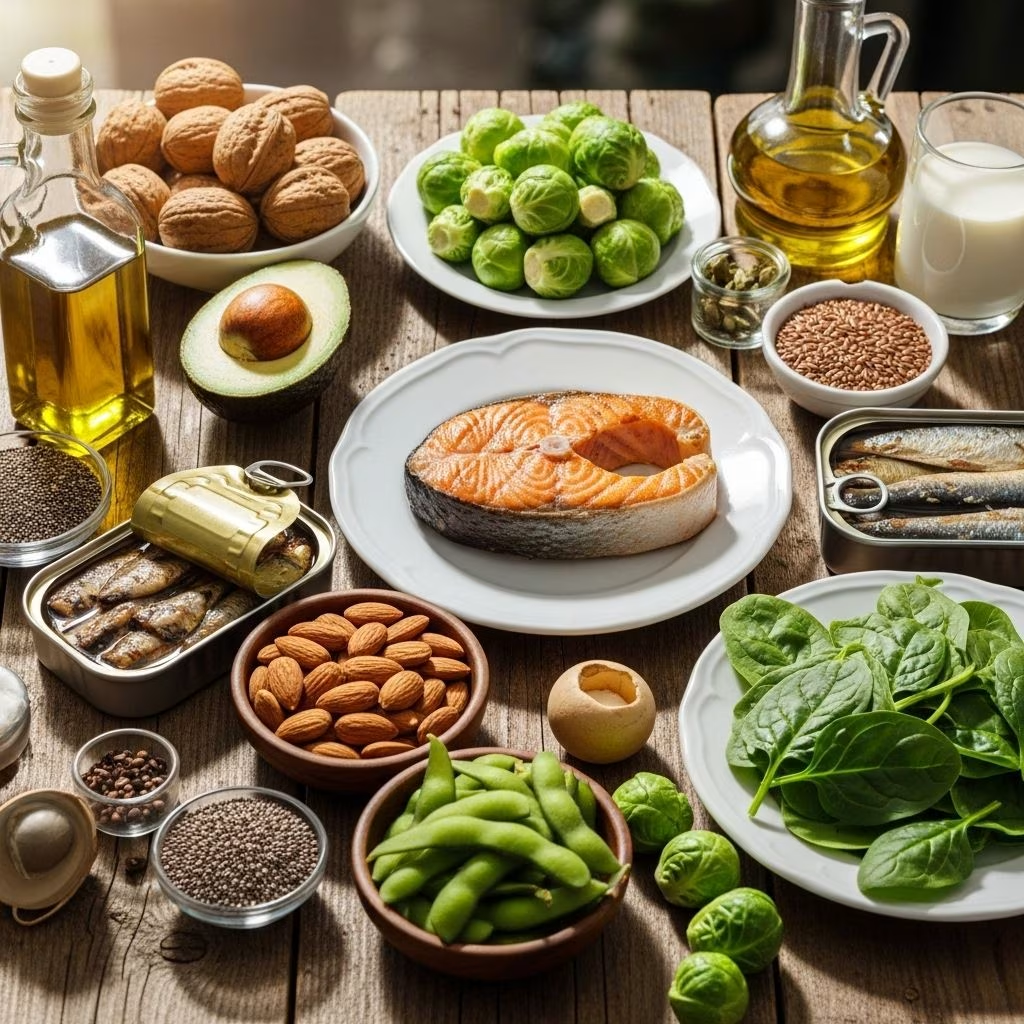
Introduction: Why Omega-3 Fatty Acids Matter
Omega-3 fatty acids are essential nutrients crucial for maintaining optimal health. These polyunsaturated fats play a vital role in supporting heart, brain, eye, and joint health. Since the body cannot produce omega-3s on its own, it is necessary to obtain them from dietary sources.
This comprehensive guide highlights the top omega-3-rich foods, their nutritional profiles, health benefits, recommended daily intake, and practical tips to add them to your diet.
What Are Omega-3 Fatty Acids?
Omega-3 fatty acids are a group of essential fats that your body requires but cannot synthesize. Thus, they must be ingested through food. The three primary types are:
- Alpha-linolenic acid (ALA): Found mainly in plant-based foods like flaxseeds, chia seeds, and walnuts.
- Eicosapentaenoic acid (EPA): Commonly found in fatty fish and seafood.
- Docosahexaenoic acid (DHA): Also mainly found in seafood and especially important for brain and eye health.
Your body can partially convert ALA into EPA and DHA, but this process is quite inefficient, which is why direct dietary sources of EPA and DHA are important for optimal health.
Health Benefits of Omega-3 Fatty Acids
Consuming adequate amounts of omega-3s provides benefits such as:
- Cardiovascular Health: Reduces triglycerides, lowers blood pressure, improves artery function, and decreases the risk of heart disease.
- Brain Health: Supports cognitive function, lowers risk of dementia, and aids in mental well-being.
- Eye Health: Critical for retinal function and may help prevent macular degeneration.
- Anti-inflammatory Effects: Reduces inflammation, which in turn can help with arthritis symptoms.
- Pregnancy and Development: Essential for fetal brain and vision development.
Recommended Daily Intake of Omega-3s
According to the World Health Organization (WHO), it is recommended that adults consume a combined 250–500 mg of EPA and DHA daily for general health. The adequate intake for ALA is typically 1.1 g for women and 1.6 g for men daily.
Pregnant and breastfeeding women may need higher amounts for optimal fetal and infant development.
Top 18 Omega-3 Rich Foods
Here is a breakdown of foods exceptionally high in omega-3 fatty acids, categorized by animal and plant-based sources.
Animal-Based Sources
| Food | Serving Size | Omega-3 (EPA & DHA, mg) | Additional Benefits |
|---|---|---|---|
| Mackerel | 3.5 oz (100 g) | 4,580 | Rich in vitamin B12, selenium |
| Salmon | 3.5 oz (100 g) | 2,150 | High in vitamin D, protein |
| Cod Liver Oil | 1 tbsp (13.6 g) | 2,438 | Vitamins A, D |
| Herring | 3.5 oz (100 g) | 2,366 | Vitamin B12, selenium |
| Sardines | 3.5 oz (100 g) | 982–1,463 | Vitamin B12, D |
| Anchovies | 3.5 oz (100 g) | 2,053 | Niacin, selenium |
| Oysters | 3.5 oz (100 g) | 370 | All three omega-3 types, zinc |
| Sea Bass | 3.5 oz (100 g) | 410–600 | Protein, selenium |
| Trout | 3.5 oz (100 g) | 981 | Potassium, vitamin D |
| Shrimp | 3.5 oz (100 g) | 120 | Protein, low fat |
| Caviar | 1 oz (28 g) | 1,086 | High-end delicacy, B12 |
| Shellfish (Scallops, Lobster) | 3 oz (85 g) | 150–670 | Contains ALA, EPA, DHA |
Plant-Based Sources
| Food | Serving Size | Omega-3 (ALA, mg) | Additional Benefits |
|---|---|---|---|
| Flaxseeds | 1 tbsp (10 g) | 2,350 | Fiber, lignans |
| Chia Seeds | 1 tbsp (12 g) | 2,500 | Fiber, protein |
| Walnuts | 7 whole (28 g) | 2,570 | Protein, vitamin E |
| Soybeans | 1/2 cup (86 g, cooked) | 670 | Protein, iron |
| Canola Oil | 1 tbsp (14 g) | 1,279 | Cooking oil, heart-friendly |
| Hemp Seeds | 3 tbsp (30 g) | 2,600 | Magnesium, protein |
| Edamame | 1/2 cup (very young soybeans) | 300 | Fiber, folate |
| Algal Oil | 1 tsp (5 ml) | 400–500 (DHA/EPA) | Vegan DHA/EPA |
| Seaweed (Nori, Spirulina) | Varies | 150–300 | Iodine, vegan EPA/DHA |
How to Incorporate Omega-3 Foods Into Your Diet
- Add seeds to breakfast. Sprinkle chia or flaxseeds on oatmeal, yogurt, or smoothies.
- Choose fatty fish twice a week. Opt for salmon, mackerel, or sardines as main dishes.
- Snack on walnuts. Enjoy them plain or in salad.
- Use canola or flaxseed oil. Substitute these oils for other oils in salad dressings or baking recipes.
- Include soy foods. Try tofu, tempeh, or edamame in stir-fries.
- Explore sea vegetables. Incorporate nori sheets and seaweed into salads or sushi.
- If vegan or vegetarian: Consider algal oil supplements for direct EPA/DHA forms.
Potential Risks and Safety Tips
- Mercury and Toxins: Some fish species (such as king mackerel, swordfish, and shark) can contain high mercury levels; opt for low-mercury fish like salmon and sardines, especially for pregnant women and children.
- Allergies: Individuals with fish, seafood, or nut allergies should choose safe, alternative omega-3 sources.
- Moderation in Supplements: Overuse, especially of fish oil or cod liver oil, can cause side effects such as increased bleeding risk or vitamin excess.
- Consultation: Always consult a healthcare provider before starting high-dose omega-3 supplements, especially if you have bleeding disorders or take blood-thinning medications.
FAQs About Omega-3 Foods
Q: Why are omega-3 fatty acids important?
A: Omega-3s support heart, brain, and eye health while reducing inflammation and promoting healthy development, especially during pregnancy and childhood.
Q: What is the difference between ALA, EPA, and DHA?
A: ALA is plant-based and must be converted by the body into EPA and DHA; EPA and DHA are found in marine sources and are more directly usable by the body.
Q: Can vegetarians and vegans meet their omega-3 needs?
A: Yes, with careful planning. Plant sources like flaxseeds, chia seeds, walnuts, and soy provide ALA. Algal oil offers vegan DHA and EPA directly.
Q: What are some signs of omega-3 deficiency?
A: Symptoms may include dry skin, fatigue, poor concentration, joint discomfort, and poor cardiovascular health over time.
Q: Is it better to get omega-3s from food or supplements?
A: Whole foods provide a range of beneficial nutrients in addition to omega-3s. Supplements may be useful for those who cannot meet their needs through diet alone, but medical advice is recommended.
Quick Omega-3 Food Reference Table
| Source | Type | Approx. Omega-3 Per Serving |
|---|---|---|
| Flaxseeds (1 tbsp) | Plant/ALA | ~2,350 mg |
| Chia Seeds (1 tbsp) | Plant/ALA | ~2,500 mg |
| Salmon (3.5 oz) | Animal/EPA, DHA | ~2,150 mg |
| Sardines (3.5 oz) | Animal/EPA, DHA | ~1,460 mg |
| Walnuts (1 oz) | Plant/ALA | ~2,570 mg |
| Anchovies (3.5 oz) | Animal/EPA, DHA | ~2,050 mg |
| Oysters (3.5 oz) | Animal/EPA, DHA, ALA | ~370 mg |
| Soybeans (1/2 cup) | Plant/ALA | ~670 mg |
| Canola Oil (1 tbsp) | Plant/ALA | ~1,280 mg |
| Herring (3.5 oz) | Animal/EPA, DHA | ~2,366 mg |
Conclusion
Omega-3 fatty acids are indispensable for maintaining a healthy heart, brain, eyes, and immune system. Including a variety of omega-3-rich foods, both from animal and plant sources, can help you easily meet your daily needs and safeguard your health for the long term. Start with simple dietary changes today to benefit from these essential fats.
References
- https://www.webmd.com/diet/supplement-guide-omega-3-fatty-acids
- https://www.healthline.com/nutrition/12-omega-3-rich-foods
- https://www.medicalnewstoday.com/articles/323144
- https://ods.od.nih.gov/factsheets/Omega3FattyAcids-Consumer/
- https://www.health.harvard.edu/nutrition/omega-3-foods-incorporating-healthy-fats-into-your-diet
- https://ods.od.nih.gov/factsheets/Omega3FattyAcids-HealthProfessional/
- https://blog.uvahealth.com/2024/02/07/foods-rich-in-omega-3-youll-actually-like/
- https://nutrition.ucdavis.edu/outreach/nutr-health-info-sheets/consumer-omega3
- https://www.albertahealthservices.ca/assets/info/nutrition/if-nfs-omega-3-fats.pdf


