


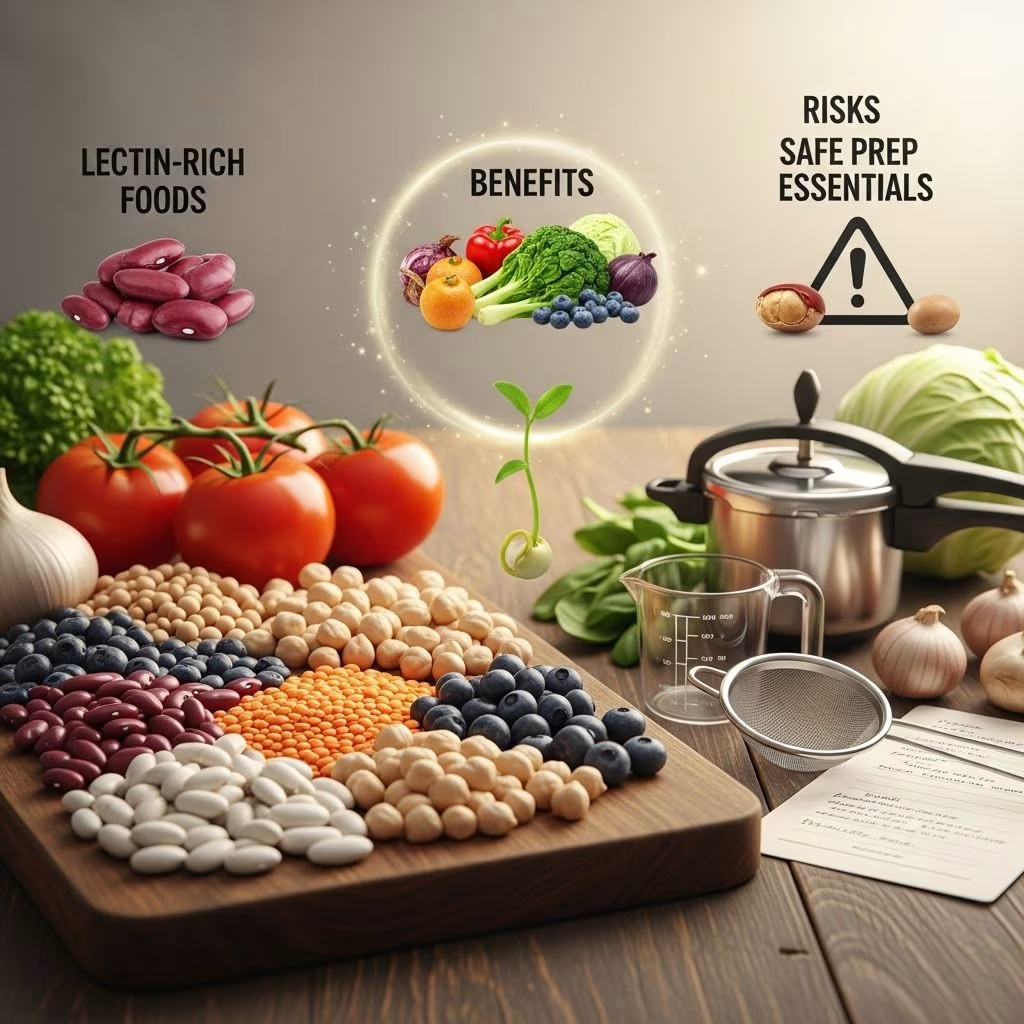
Lectin-Rich Foods: Health Benefits, Risks, and How to Eat Them Safely
Lectins are a diverse group of proteins naturally present in many plant-based foods, known for their ability to bind to carbohydrates. The discussion around these lectin-rich foods often centers on their effects on health—both positive and negative. This article will explore what lectins are, where they are found, their potential impact on health, and science-backed ways to include them in your diet without adverse effects.
What Are Lectins?
Lectins are naturally occurring proteins with a key biological property: they bind to specific carbohydrate molecules. Plants produce lectins largely as a defense mechanism, protecting themselves from pests and pathogens. In the human diet, they are considered a type of antinutrient, meaning they may, under certain conditions, interfere with nutrient absorption.
Why Do Plants Contain Lectins?
Plants synthesize lectins to ward off insects, fungi, and animal predators. These proteins can survive plant digestion by humans and animals, which is why they persist in foods if not removed or deactivated by cooking or processing.
Health Effects of Lectin-Rich Foods
- Potential Risks: Raw or undercooked foods with high lectin content can cause digestive distress, including nausea, vomiting, and diarrhea.
- Digestive Concerns: Some individuals sensitive to lectins may experience bloating or other issues. However, extremely high intake—mainly from raw kidney beans—is associated with toxicity.
- Nutritional Benefits: Most foods high in lectins are also rich in fiber, B vitamins, minerals, antioxidants, and plant protein. Lectins themselves may have antioxidant or disease-protective properties.
- Possible Health Benefits: Some studies indicate that lectin-rich foods can moderate blood sugar, benefit gut bacteria, and reduce cardiovascular and diabetes risk. The overall benefit is attributed to the nutrient-rich nature of these foods.
List of Common Foods High in Lectins
| Food | Lectin Content | Preparation to Reduce Lectins |
|---|---|---|
| Red kidney beans | High | Soak, boil thoroughly |
| Soybeans and soy products | High | Boil, ferment, sprout |
| Peas (green, black-eyed, split) | Moderate | Soak, cook |
| Lentils | High | Soak, cook |
| Chickpeas (garbanzo beans) | High | Soak, cook, sprout |
| Other beans (pinto, fava, navy, black) | High | Soak, cook |
| Wheat and whole grains | Moderate-High | Soak, sprout, ferment, cook |
| Corn | Moderate | Cook |
| Peanuts and cashews | Moderate | Roast, soak |
| Nightshade vegetables (tomatoes, eggplants, peppers, potatoes) | Low-Moderate | Cook, peel and de-seed (for tomatoes, peppers) |
| Pumpkin and sunflower seeds | Low | Roast, soak |
| Cucumbers | Low | Peel and de-seed |
| Quinoa, barley, rye, buckwheat, oats | Moderate | Soak, cook, ferment |
In-Depth: Most Notorious Lectin-Rich Foods
1. Red Kidney Beans
Red kidney beans are an excellent source of plant-based protein, fiber, iron, potassium, and other nutrients. However, they contain high levels of phytohemagglutinin, a type of lectin that can be toxic if beans are not boiled thoroughly. Ingesting as few as five raw beans can trigger severe gastrointestinal symptoms. Proper boiling reduces lectin content to safe levels.
2. Soybeans and Soy Products
Soybeans are rich in protein, minerals, and isoflavones. They also contain significant lectins, but thorough boiling, fermentation (into miso, tempeh, soy sauce), and sprouting drastically lower their lectin content, making them safe to consume.
3. Lentils
Lentils are packed with fiber, plant protein, folate, and iron. Their lectin content drops when soaked overnight and cooked well, rendering them both safe and nutritious.
4. Chickpeas (Garbanzo Beans)
Chickpeas contain lectins similar to other legumes but are safe when properly cooked or sprouted. They are an excellent source of protein and fiber.
5. Peanuts and Cashews
These legumes are popular as snacks and contain lectins. Roasting or soaking lowers their lectin content significantly.
6. Nightshade Vegetables: Tomatoes, Potatoes, Eggplants, Peppers
Nightshades are known for their vibrant flavors and colors. While their lectins are less potent than those in raw beans, some individuals may experience digestive sensitivity. Cooking, peeling (where relevant), and de-seeding help lower their lectin content.
7. Whole Grains: Wheat, Barley, Rye, and More
Lectins are present in many grains, particularly where the bran and germ are intact. Soaking, fermenting (as with sourdough bread), and thorough cooking reduce lectin content and improve digestibility.
8. Corn and Corn Products
Raw corn contains lectins, but most corn is consumed after cooking, which neutralizes these proteins. Fermentation into products like masa flour also reduces lectin content.
Lectins and Health: Do They Offer Any Benefits?
- Antioxidant Effects: Some lectins act as antioxidants, helping the body manage free radicals that can damage cells.
- Moderating Blood Sugar: Because lectins slow carbohydrate digestion, they may help prevent spikes in blood sugar, benefiting metabolic health.
- Gut Health Support: The high fiber content of lectin-rich foods nourishes beneficial gut bacteria and supports regular digestion.
- Cardiovascular Protection: Diets rich in beans and whole grains have been linked to a decreased risk of heart disease, not directly because of lectins, but due to the overall nutrient profile of these foods.
- Potential Anti-cancer Properties: Some lectins are being investigated for their ability to selectively target and destroy cancer cells—not as a food, but as isolated or modified compounds in medical research.
Side Effects and Risks: Who Should Limit Lectin Intake?
- Autoimmune Conditions: Some people with autoimmune disorders may find certain lectin-rich foods exacerbate symptoms. Medical supervision and elimination diets can help identify triggers.
- Sensitivities: Those with sensitive digestive systems may need to moderate their intake of certain foods, especially if they notice discomfort after eating beans, nightshades, or whole grains.
- Incomplete Cooking: The vast majority of toxicity incidents result from consuming raw or undercooked legumes, particularly red kidney beans. Always cook beans thoroughly.
- Specific Diets: Individuals following a low-lectin or elimination diet (for example, as recommended in some autoimmune protocols) will restrict these foods and may choose peeled, de-seeded, and thoroughly cooked options, or substitute with low-lectin alternatives.
How to Reduce Lectins in Foods: Essential Preparation Methods
Most dietary lectins are easily deactivated by heat and water. Below are the most effective ways to neutralize lectins:
- Soaking: Soak beans, lentils, and grains in water for several hours, ideally overnight, and discard the soaking water.
- Boiling: Boil beans and legumes for at least 10 minutes at 212°F (100°C). This destroys most harmful lectins
- Sprouting: Sprouting legumes and grains decreases their lectin content by up to 60%.
- Fermentation: Processes such as making tempeh, miso, yogurt, and sourdough bread use beneficial bacteria and yeast that break down lectins.
- Peeling and De-seeding: For nightshade vegetables and some squashes, removing skins and seeds can lower lectin load.
- Roasting and Cooking Nuts and Seeds: Heat processing significantly reduces lectins in peanuts, cashews, pumpkin, and sunflower seeds.
Popular Myths About Lectins Debunked
- “Lectins are Poisonous Even When Cooked”: False. Cooking destroys nearly all active lectins, especially in beans and legumes.
- “You Need to Avoid All Lectin-Containing Foods”: False. Most people tolerate lectin-rich foods perfectly well when prepared properly.
- “Lectin-Free Diets Are Necessary for Good Health”: There is no scientific consensus to support this for the general population. Restrictive diets can lead to micronutrient deficiency.
Low-Lectin and Lectin-Free Food Swaps
- Basmati or white rice instead of brown rice (bran removed)
- Sweet potatoes and yams instead of white potatoes
- Most fruits (apples, berries, citrus, grapes) are naturally low in lectins
- Cruciferous vegetables (broccoli, cauliflower, Brussels sprouts) are low in lectins
- Squashes (acorn, butternut) after peeling and seeding
- Leafy greens: spinach, lettuce, arugula
Frequently Asked Questions (FAQs)
Q: Are lectins always harmful to humans?
A: No. When consumed as part of cooked plant foods, lectins are safe for most people and often come with health benefits. Harmful effects occur mainly with the ingestion of large amounts of raw or undercooked legumes.
Q: What are the main symptoms of lectin sensitivity?
A: Digestive symptoms such as bloating, gas, or diarrhea can occur in sensitive individuals. Severe symptoms are rare and usually linked to improperly prepared red kidney beans.
Q: Can lectins lead to autoimmune disease?
A: There is currently no strong scientific evidence that lectins cause autoimmune diseases in the general population. However, people with existing autoimmune conditions sometimes experiment with low-lectin diets to see if symptoms improve.
Q: How can I safely add lectin-rich foods to my diet?
A: Always soak and cook beans and legumes thoroughly. Consider fermenting or sprouting, and peel or deseed nightshade vegetables if you are sensitive.
Q: What is the difference between lectins and gluten?
A: Both are plant-derived proteins, but gluten is specific to wheat, barley, and rye. Lectins occur in a wider range of foods and are inactivated by proper cooking. Gluten intolerance is related to celiac disease, while lectin sensitivity is far less common and usually mild.
Conclusion
Lectin-rich foods are staples of plant-based diets, offering protein, fiber, antioxidants, vitamins, and minerals. While lectins have earned a controversial reputation, health authorities agree that with proper preparation, the risks are minimal and the benefits significant. Consult with a healthcare provider or dietitian if you have food sensitivities or underlying health conditions before making major dietary changes.
References
- https://www.healthline.com/nutrition/foods-high-in-lectins
- https://zoe.com/learn/lectins
- https://www.precisionnutrition.com/all-about-lectins
- https://www.lifeextension.com/wellness/lifestyle/lectin-foods
- https://www.mdanderson.org/cancerwise/should-you-eat-a-lectin-free-diet.h00-159695178.html
- https://www.webmd.com/diet/what-to-know-plant-paradox-diet
- https://www.eatrightwv.org/meeting2024/Lectin-FreeDiet.pdf
- https://newsnetwork.mayoclinic.org/discussion/mayo-clinic-q-and-a-what-are-dietary-lectins-and-should-you-avoid-eating-them/
- https://pmc.ncbi.nlm.nih.gov/articles/PMC8618113/


