


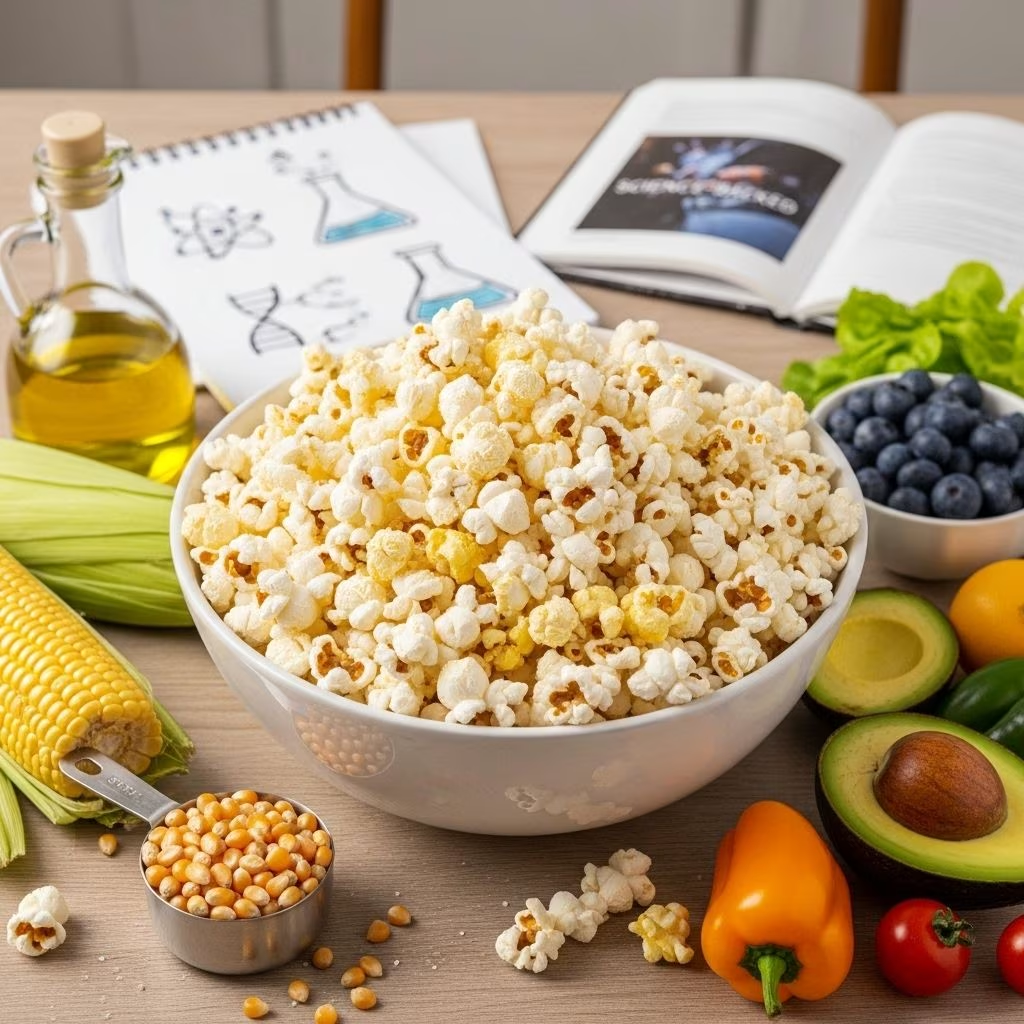
Is Popcorn Healthy?
Popcorn has long been associated with movie nights and fun gatherings, but beneath its crunchy exterior lies a surprisingly nutritious whole-grain snack. When prepared without excess butter, oil, or sugar, popcorn offers an array of health benefits—ranging from fiber and antioxidants to potential impacts on heart and digestive health. This article explores the nutritional value of popcorn, its core health benefits, types to enjoy or avoid, and answers the most common questions about making popcorn part of a balanced diet.
Nutrition Profile of Popcorn
Popcorn is a type of maize (corn) that pops when heated due to its unique hull and water content. At its core, popcorn is a whole grain, meaning it contains all parts of the grain: the bran, germ, and endosperm.
| Nutrient (per 100g air-popped) | Amount |
|---|---|
| Calories | 387 |
| Protein | 13 g |
| Carbohydrates | 78 g |
| Fat | 5 g |
| Fiber | 15 g |
| Vitamin B1 (Thiamine) | 7% DV |
| Vitamin B3 (Niacin) | 12% DV |
| Vitamin B6 | 8% DV |
| Iron | 18% DV |
| Magnesium | 36% DV |
| Phosphorus | 36% DV |
| Potassium | 9% DV |
| Zinc | 21% DV |
| Copper | 13% DV |
| Manganese | 56% DV |
In a standard serving—about 3 cups or 24 grams—air-popped popcorn provides roughly 92 calories, 3 grams of protein, 19 grams of carbohydrates, and 3.5 grams of fiber.
Major Health Benefits of Popcorn
Eating popcorn offers a wide variety of health benefits—especially when chosen in its healthiest form (air-popped, without add-ons).
- High in Dietary Fiber: Popcorn is loaded with fiber, which supports digestive health by promoting regularity and feeding beneficial gut bacteria.
- Rich in Antioxidants: Popcorn contains polyphenols—powerful antioxidants concentrated in its hull—which help neutralize free radicals, reduce inflammation, and may lower the risk of chronic diseases.
- Supports Blood Sugar Regulation: With its low to moderate glycemic index (GI), popcorn does not cause spikes in blood sugar, making it suitable for diabetics and those monitoring their glucose levels.
- Promotes Heart Health: The fiber and antioxidants in popcorn can reduce cholesterol and blood pressure, lowering the risk of cardiovascular disease.
- May Help With Weight Management: Popcorn is a low-calorie, high-volume snack that increases satiety (fullness), helping to control appetite and aid in weight loss or maintenance.
- Supports Bone and Cellular Health: Popcorn is a good source of magnesium, phosphorus, and manganese—minerals essential for bone strength and various cellular processes.
- May Lower Cancer Risk: The antioxidant ferulic acid found in popcorn combats oxidative stress, which can protect against cellular damage and potentially lower cancer risk.
- Mental Well-being Boost: Popcorn contains vitamin B3 (niacin), known for supporting mental health and possibly having a natural antidepressant effect.
Nutritional Components Explained
- Whole grain: Popcorn retains its bran, germ, and endosperm, making it a true whole grain.
- Fiber: Essential for digestion and gut health, fiber also regulates blood sugar and reduces cholesterol.
- Polyphenols: Antioxidants found in the hull; these may be more concentrated in popcorn than some fruits or vegetables.
- B vitamins: Includes thiamine, niacin, and B6—important for energy metabolism and nervous system function.
- Minerals: Magnesium, phosphorus, zinc, copper, manganese, and iron all play critical roles in bone and cell health.
Popcorn Preparation: Healthy Choices vs. Less Healthy Options
Not all popcorn is created equal. Popcorn’s health benefits depend largely on how it’s prepared:
- Air-popped popcorn: Prepared without added oil or butter. This is the healthiest and lowest-calorie method.
- Stovetop popcorn: Can be healthy if minimal oil and salt are used.
- Microwave popcorn: Convenient but often contains added fats, salt, and artificial ingredients. Look for plain or lightly seasoned versions, and avoid those with trans fats.
- Movie theater popcorn: Typically served with large amounts of butter, flavorings, and salt, making it calorie-dense and less healthy.
Potential Risks and Limitations
- Added ingredients: Many processed or flavored popcorn varieties include unhealthy fats, excessive sodium, and artificial additives, which can diminish health benefits.
- Digestive sensitivity: The fiber content, while beneficial for most, may cause discomfort or bloating for individuals with certain digestive disorders.
- Choking hazard: Unpopped kernels may pose a risk, especially to small children.
How to Make Popcorn Healthier
- Choose air-popped or lightly seasoned popcorn.
- Limit use of butter, oil, and salt.
- Experiment with nutritious toppings—such as a sprinkle of herbs, nutritional yeast, or a pinch of cayenne pepper.
- Avoid caramel, cheese, and other calorie-heavy coatings.
- Control portion sizes to stay within reasonable calorie limits.
Frequently Asked Questions (FAQs)
Q: Is popcorn a whole grain?
A: Yes, popcorn is a 100% unprocessed whole grain, providing all the nutrients found in the bran, germ, and endosperm.
Q: Can popcorn help with weight loss?
A: Air-popped popcorn is low in calories and high in fiber, making it filling and supportive of weight management goals.
Q: Is popcorn safe for diabetes?
A: Popcorn has a moderate to low glycemic index and does not cause rapid spikes in blood sugar, making it a good snack for most diabetics when eaten plain.
Q: Does microwaved or flavored popcorn have the same benefits?
A: Prepackaged microwave and flavored popcorn often contain added fats, sodium, and artificial ingredients that can reduce its healthfulness. Choose plain, air-popped, or microwave versions with minimal added ingredients.
Q: Can popcorn raise cholesterol?
A: Plain popcorn is naturally cholesterol-free. High-fiber, whole-grain snacks like popcorn may actually help lower cholesterol.
Q: Is popcorn suitable for children?
A: Popcorn is generally healthy and safe for children, but beware of unpopped kernels that could present a choking hazard, especially for young kids.
Q: What about allergic reactions?
A: Corn allergies are rare but possible. If you or your child have known corn sensitivities, it’s best to consult an allergy specialist before consuming popcorn products.
Popcorn vs. Other Popular Snacks
| Snack | Calories (per serving) | Fiber (g) | Main Benefits |
|---|---|---|---|
| Air-popped popcorn | 92 | 3.5 | Whole grain, high fiber, low calorie, antioxidant-rich |
| Potato chips | 150 | 1 | High in fat and salt |
| Pretzels | 108 | 1 | Low fiber, high sodium |
| Tortilla chips | 140 | 1 | High in oil and salt |
Creative Ideas for Healthy Popcorn
- Herbed popcorn: Toss hot popcorn with dried rosemary, thyme, or oregano.
- Spicy popcorn: Sprinkle with chili powder or cayenne for extra zest.
- Nutritious yeast topping: Adds a cheesy, vitamin-packed flavor.
- Sweet touch: Mix a pinch of cinnamon or cocoa powder for natural flavoring.
- Mixed nuts and seeds: Add toasted seeds or nuts for protein and healthy fats (in moderation).
Final Thoughts: Making Popcorn Part of a Healthy Diet
Popcorn, when enjoyed in its purest form and with mindful toppings, stands out as a wholesome snack. With its high fiber and antioxidant content, low calories, and essential nutrients, popcorn can fit into most healthy diets—supporting digestion, cardiovascular health, and weight goals. However, always be cautious of added fats, sugars, and sodium in processed varieties, and enjoy in moderation for optimal benefits.
References
- https://www.ejmoams.com/ejmoams-articles/nutritional-value-and-health-benefits-of-popcorn-87942.html
- https://www.webmd.com/food-recipes/health-benefits-popcorn
- https://www.popcorn.org/All-About-Popcorn/Nutrition
- https://health.clevelandclinic.org/popcorn-benefits
- https://www.heart.org/en/news/2019/06/18/popcorn-as-a-snack-healthy-hit-or-dietary-horror-show
- https://www.ars.usda.gov/plains-area/gfnd/gfhnrc/docs/news-articles/2021/popcorn-a-healthy-whole-grain-snack/
- https://www.mayoclinichealthsystem.org/hometown-health/speaking-of-health/discover-popcorns-healthy-side


