


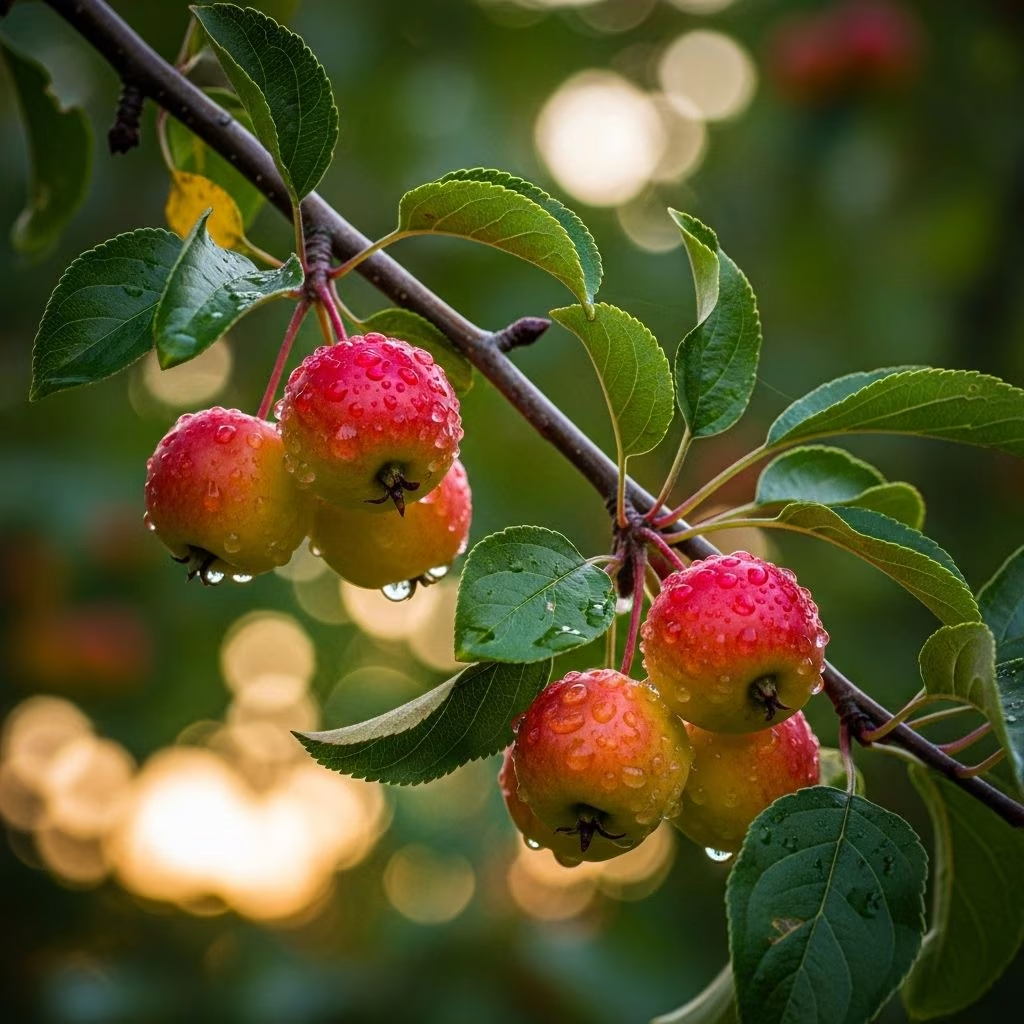
Crab Apple: Nutritional Powerhouse, Garden Beauty, and Hidden Gem
Crab apples, often admired for their vibrant blossoms and decorative fruit, are a lesser-known cousin of the familiar apple. These small, tart fruits are packed with health benefits, culinary potential, and a rich history of traditional uses. Once relegated as merely ornamental, crab apples are gaining attention for their nutritional value, support for wildlife, and role in orchards. Learn all about this versatile fruit—its varieties, health properties, uses, and care tips, as well as answers to some frequently asked questions.
What Are Crab Apples?
The term “crab apple” refers to several species and cultivars within the genus Malus, belonging to the rose family (Rosaceae). These trees are native to North America and Asia and are valued for their decorative foliage, showy spring blooms, and small fruits that persist through winter. Crab apples are distinctive primarily because of the size and tartness of their fruit—any apple with a diameter less than 2 inches (about 5 cm) is generally regarded as a crab apple.
- Appearance: Typically stiffer and spinier than standard apple trees, with alternate ovate leaves and serrated margins.
- Flowers: Fragrant blossoms in shades of white, pink, carmine, or purple, often blooming profusely in spring.
- Fruit: Small, tart, decorative, and commonly yellow, red, or purplish. The fruit often remains on the tree through winter, providing food for birds and wildlife.
- Ornamental Value: Widely grown for their seasonal visual appeal and ability to attract pollinators.
Crab Apples vs. Standard Apples: What’s the Difference?
| Characteristic | Crab Apple | Standard Apple (Malus domestica) |
|---|---|---|
| Fruit Size | Less than 2 inches in diameter | More than 2 inches in diameter |
| Flavor | Very tart, sometimes astringent | Usually sweet to mildly tart |
| Primary Use | Ornamental, jellies, preserves, cider, pollination | Fresh consumption, desserts, juices |
| Ornamental Value | High: brilliant blossoms, colorful fruit | Moderate: valued for fruit |
| Common Species | Malus sylvestris and others | Malus domestica |
Nutritional Value and Health Benefits of Crab Apples
Despite their modest popularity as edible fruit, crab apples are a potent source of nutrients and health-promoting compounds, rivaling larger apples in many respects:
- Rich in Vitamin C: Vital for a strong immune system and healthy skin. Crab apples provide a boost of antioxidants which can help fight cell damage and support immunity.
- High in Pectin: Crab apples are especially abundant in pectin, a type of soluble fiber that acts as a prebiotic to support gut health, help stabilize blood sugar, and lower cholesterol levels.
- Source of Polyphenols: These powerful antioxidants—including quercetin—help to reduce inflammation and regulate the immune system.
- Low Calorie: The tart, water-rich fruit is a healthy snack when prepared properly.
Key Health Benefits Summarized
- Strengthens Immunity: Vitamin C and antioxidants can help ward off common illnesses.
- Supports Heart Health: Fiber and polyphenols contribute to improved cardiovascular wellness.
- Improves Digestive Health: Pectin promotes balance and regularity in the gut microbiome.
- May Help Reduce Inflammation: Specific flavonoids in crab apples assist in controlling systemic inflammation.
Popular Crab Apple Varieties
Crab apples encompass dozens of varieties, each with unique characteristics in appearance, taste, and ornamental value:
- Hewe’s Crab: Also known as Hughes’ Crab, this American variety features high acidity and was famously grown by Thomas Jefferson. Valued for cider and juice production.
- Geneva: Distinguished by its dark red flesh and juice, Geneva is noted for its high acidity and medium tannin content. Used in specialty ciders.
- Dolgo: Of Russian origin, Dolgo produces reddish, olive-shaped fruit that yields a pink-hued juice often used in tart jellies and ciders.
- Manchurian: From Asia, known for its pinkish and yellow fruit high in tannins, prized by cider makers.
- Wickson: Sometimes classified as a crab apple, Wickson offers both high acidity and high sugar, making it popular for blending in ciders.
Crab Apples in Cider
Thanks to their sharp flavors and tannins, many traditional and new-age ciders incorporate crab apples. Examples include:
- Rosé Mousseux: A sparkling cider made solely from Geneva apples, produced using the Champagne method. Renowned for sweetness balanced with acidity.
- 2015 Little Apples: Barrel-aged cider from foraged crab apples; bottle-conditioned for depth and tannic structure.
- Dolgo Crabapple: Wildly tart cider with pronounced aroma and color, available seasonally.
- Jupiter’s Legacy: Blend of traditional cider apples and crab apples for a bright, citrusy finish.
Culinary Uses of Crab Apples
Crab apples are seldom eaten raw due to their extreme tartness, but their robust flavor and high pectin content make them ideal for a variety of culinary creations:
- Jellies and Preserves: The classic use, crab apples yield beautifully colored, tangy jellies that set well due to natural pectin.
- Cider and Wine: Their unique acidity is prized by cider makers for complexity and aromatic qualities.
- Sauces: The tartness of crab apples provides a sharp note in savory apple sauces, pairing well with roasted meats or vegetables.
- Pickles and Chutneys: Pickled crab apples are a traditional treat in many cultures.
- Baked Goods: When combined with sugar, crab apples can be used in pies, tarts, or muffins for a distinctive tang.
- Verjuice: Unripe crab apples can be pressed for their acidic juice, historically used as a vinegar substitute for deglazing and dressing salads.
Traditional and Medicinal Uses
Throughout history, crab apples have not only featured in kitchens, but in traditional healing systems. While not a substitute for medical treatment, historical remedies include:
- Crab apple infusions for sore throats or mild digestive troubles.
- Topical applications for minor wounds or skin irritations (largely anecdotal and not clinically validated).
- Use in detoxifying and supportive diets.
Modern research highlights their role in supporting gut health, owing to their high fiber and pectin content, and potential anti-inflammatory effects due to their flavonoids.
Planting and Growing Crab Apple Trees
Crab apple trees are valued in landscapes for their easy maintenance, show-stopping blossoms, and contribution to biodiversity:
- Attract Pollinators: The vivid spring flowers are an early food source for bees and insects.
- Support Wildlife: The fruit provides vital winter food for birds and small mammals.
- Cross-Pollination: Planting crab apples among domestic apples can boost yields, as they are excellent pollinators due to their overlapping bloom times.
- Ornamental Appeal: Year-round beauty—blossoms in spring, lush foliage in summer, vibrant fruit in autumn and winter.
Care and Maintenance
- Plant in well-drained soil, in a location with full or partial sun.
- Prune in winter to maintain shape and remove diseased branches, as crab apples can be susceptible to problems like apple scab, cedar-apple rust, and fire blight.
- Mulch and water young trees to help establish strong roots.
Potential Side Effects and Precautions
- Seed Safety: Like regular apples, crab apple seeds contain amygdalin, which can release cyanide in the body if consumed in large amounts. Accidental consumption of a few seeds is not typically a concern, but it is best to remove seeds before cooking or making preserves.
- Raw Consumption: Because of their high acidity and tartness, raw crab apples can sometimes upset sensitive stomachs. Cooking or sweetening the fruit is recommended.
- Pesticide Use: As with all fruit, wash thoroughly if not grown organically.
Frequently Asked Questions (FAQs)
Q: Can you eat crab apples raw?
A: Yes, crab apples are edible, but they are incredibly sour and astringent when raw. Most people prefer them cooked or processed in jellies, sauces, or ciders.
Q: Are crab apples poisonous?
A: No, the fruit itself is safe to eat. However, the seeds, like those in common apples, contain compounds that can produce cyanide; avoid eating them in large amounts.
Q: How do I use crab apples?
A: Crab apples can be made into jellies, jams, sauces, chutneys, cider, and verjuice. Their high pectin content makes them excellent for preserves.
Q: Are crab apple trees good for my garden?
A: Absolutely! They are beautiful, require relatively little care once established, and support pollinators and wildlife. They’re also helpful for pollinating other apple tree varieties.
Q: What is the primary health benefit of crab apples?
A: Rich in vitamin C, pectin, and antioxidants, crab apples benefit immunity, gut health, and heart health while promoting regular digestion.
Conclusion
Once underappreciated, crab apples are now celebrated for their dual beauty and health benefits. Whether you’re hoping to adorn your garden, boost your dietary fiber, or explore new flavors in jellies and ciders, these vibrant fruits offer a world of possibilities from root to blossom. Their contribution to pollination, wildlife sustenance, and culinary traditions remind us that sometimes the best treasures come in small, unassuming packages.


