11 Different Types Of Love: Meanings, Signs, and Why They Matter
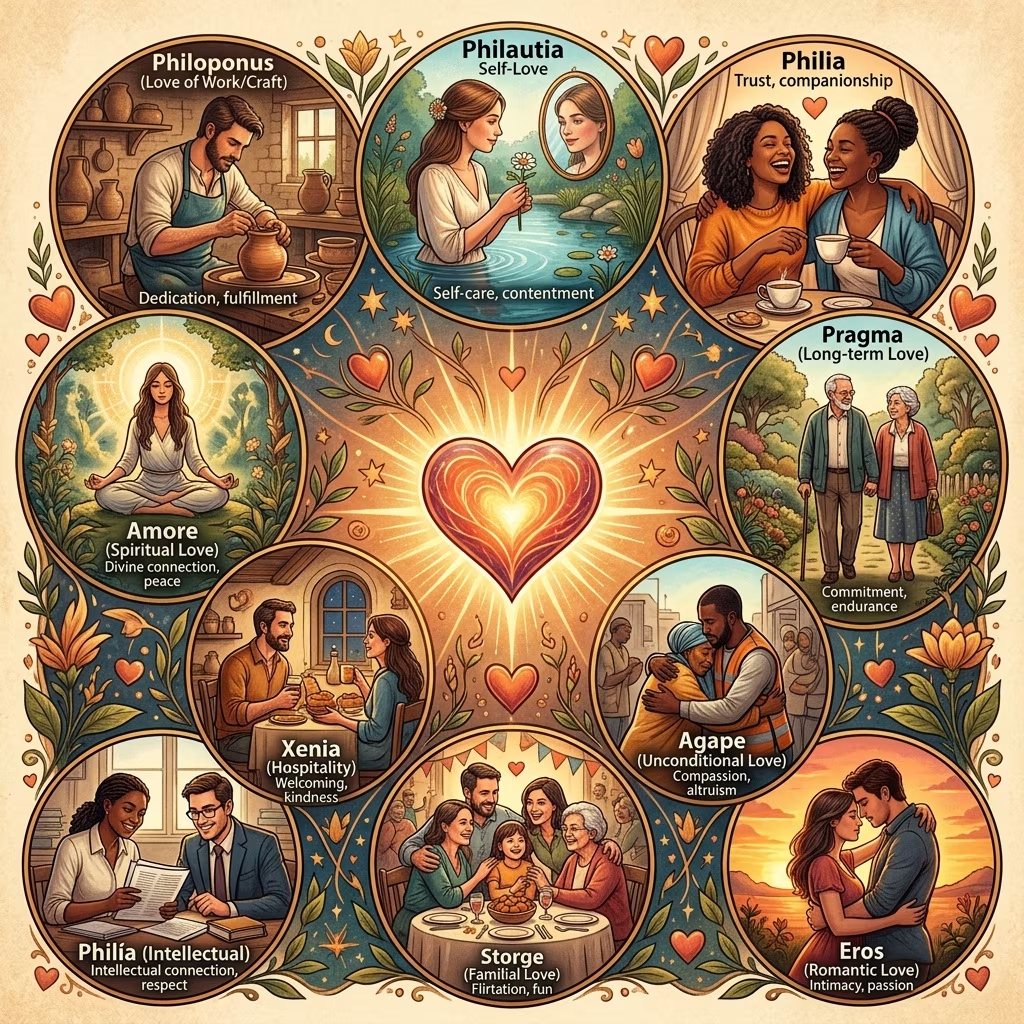
Love is a powerful and complex emotion, encompassing a spectrum of feelings, behaviors, and experiences. Classical philosophers, modern psychologists, and relationship experts have long classified love into different types based on its nature and the ways we experience it. Understanding these various types can deepen our awareness of our relationships with partners, friends, family, and even with ourselves.
1. Passionate Love (Eros)
Eros is often the type of love that first comes to mind—fiery, passionate, and brimming with desire. Named after the Greek god of love, eros is characterized by intense physical attraction, longing, and emotional arousal. It typically marks the early stages of romantic relationships, where butterflies, chemistry, and sensual yearning are dominant.
- Core Signs: Physical attraction, intense romance, longing, and idealization of the partner.
- Emotional Markers: Desire, excitement, and occasional anxiety when apart.
- How It Manifests: Kissing, hugging, sexual intimacy, seeking closeness and romance.
Eros is essential for romantic connections, but on its own, it may not provide long-term stability if not balanced by other types of love.
2. Affectionate Love (Philia)
Philia is the deep, affectionate love that grows out of friendship and genuine care. It is non-romantic and built on mutual respect, loyalty, and trust. This love emerges among friends and sometimes family, creating a strong sense of companionship and support.
- Key Indicators: Trust, loyalty, meaningful conversations, shared values.
- Behaviors: Providing emotional support, celebrating milestones, and being present during tough times.
- Relationship Examples: Best friends, siblings, close colleagues.
Philia forms the backbone of lasting friendships and supportive networks, providing emotional sustenance throughout life.
3. Familiar Love (Storge)
Storge is a naturally occurring love between parents, children, and close family members. It is comfortable, unconditional, and develops through shared memories and experiences. Storge is typified by acceptance, deep emotional attachment, and a sense of lifelong bond.
- Core Characteristics: Unconditional acceptance, frequent forgiveness, deep memories.
- How It Appears: Routine gestures of care, sacrificing for loved ones, and quick forgiveness for past harms.
- Typical Examples: Parent-child bond, familial affection.
Storge often serves as the sturdy foundation for family relationships, offering reliability and security through all life stages.
4. Enduring Love (Pragma)
Pragma represents enduring love, built on long-term commitment, understanding, and patience. Developed over time between couples who choose to work through challenges, pragma embodies staying “in love” versus simply “falling in love.” It is practical, rational, and values compromise and shared goals.
- Characterized By: Mutual respect, dedication, compromise, and intentional relationship growth.
- Behavioral Signs: Solving problems together, making plans for the future, and supporting each other’s ambitions.
- Typical Examples: Long-married couples, partnerships built on shared values and effort.
Pragma is essential for the longevity of romantic relationships, enabling couples to sustain love beyond the honeymoon phase.
5. Playful Love (Ludus)
Ludus is all about having fun, flirting, and enjoying each other’s company without heavy expectations. Marked by playful banter, teasing, and spontaneity, Ludus is most visible in new relationships or among couples who prioritize lightheartedness and adventure.
- Main Features: Playfulness, flirtation, laughter, and an easygoing attitude.
- Observable Behavior: Teasing, making jokes, competitive games, and frequent dates.
- Examples: New romance, casual relationships, playful companionship.
Ludus brings excitement and novelty, helping relationships to blossom and stay fresh over time.
6. Obsessive Love (Mania)
Mania is a possessive and obsessive form of love marked by intense dependency, highs and lows, jealousy, and emotional turbulence. Common in relationships with an imbalance in emotional security, Mania can lead to unhealthy patterns and codependency if not managed mindfully.
- Warning Signs: Obsession, possessiveness, emotional dependence, jealousy.
- Typical Behavior: Requiring constant validation, fear of abandonment, dramatic highs and lows.
- Outcomes: Potential for toxic or codependent relationships without self-awareness and trust.
A healthy relationship requires trust and balance; Mania signals the need for more self-worth and emotional boundary-setting.
7. Self-Love (Philautia)
Philautia is self-love, which can range from positive self-esteem to unhealthy self-obsession. Healthy philautia nurtures confidence, self-acceptance, and emotional well-being, helping us show up authentically in all relationships.
- Healthy Signs: Self-respect, acceptance of strengths and flaws, positive self-care routines.
- Unhealthy Extremes: Narcissism or arrogance when self-love turns into self-obsession.
- Benefits: Builds resilience, independence, and the foundation needed for authentic connection.
Philautia paves the way for compassion toward others by first cultivating it within oneself.
8. Selfless Love (Agape)
Agape is selfless, universal love—characterized by compassion, altruism, and an unconditional wish for others’ happiness. Rooted in humanitarian concern, it’s the type of love that inspires generosity and kindness toward strangers, causes, and the world at large.
- Core Features: Altruism, empathy, giving without expectation of return, forgiveness.
- Common Forms: Acts of charity, volunteering, loving humanity or spiritual devotion.
- Examples: Caring for the vulnerable, loving unconditionally, community service.
Agape enriches all relationships by infusing them with empathy and compassion, beyond personal gain.
9. Compassionate Love
Compassionate love involves showing deep care, empathy, and a desire to help others through their difficulties. It underpins support in relationships, offering comfort, patience, and understanding, especially during hardships.
- Manifestations: Listening, offering emotional or practical help, showing patience during hard times.
- Examples: Being present for a grieving friend, volunteering, patience in relationships.
10. Infatuation
Infatuation is marked by an intense, short-lived passion or admiration for someone, often based on physical appearance or an idealized image. It typically arises quickly and dissipates as reality sets in.
- Indicators: Intense attraction, idealization, obsession, lack of depth.
- Common Behaviors: Daydreaming, prioritizing appearance over substance, rapid development of feelings.
Infatuation can inspire initial romance, but sustaining a meaningful relationship requires deeper forms of love.
11. Unrequited Love
Unrequited love occurs when one person has strong feelings for another who does not reciprocate. This type of love is often accompanied by heartbreak, longing, and emotional pain.
- Common Experiences: Loving someone who isn’t available or interested, lingering hope despite repeated discouragement.
- Effects: Emotional suffering, personal growth through letting go and self-reflection.
Moving past unrequited love can be difficult but is essential for personal happiness and emotional health.
Comparison Table: Major Types of Love
| Type | Nature | Typical Relationships | Main Features |
|---|---|---|---|
| Eros | Passionate/Romantic | Romantic partners | Desire, attraction, excitement |
| Philia | Affectionate/Friendly | Friends, family | Trust, friendship, loyalty |
| Storge | Familial | Parents/children | Acceptance, unconditional bond |
| Pragma | Enduring/Practical | Long-term partners | Commitment, mutual growth |
| Ludus | Playful/Flirtatious | New/casual relationships | Fun, lightheartedness |
| Mania | Obsessive | Imbalanced couples | Jealousy, dependency |
| Agape | Selfless/Unconditional | All, humanity | Compassion, altruism |
| Philautia | Self-love | Individual | Confidence, self-acceptance |
Frequently Asked Questions
What is the most important type of love in a romantic relationship?
While passionate love (Eros) often begins a romantic connection, lasting relationships typically require a blend of Eros (passion), Pragma (commitment), and Philia (friendship). Balancing these types fosters both intimacy and long-term satisfaction.
How can you distinguish between infatuation and real love?
Infatuation is brief, intense, and often based on fantasy or appearance. Real love evolves over time, featuring emotional depth, mutual support, trust, and acceptance of flaws.
Can self-love affect your relationships with others?
Yes. Healthy self-love (Philautia) leads to better boundaries, self-awareness, and emotional resilience, making you more capable of healthy, balanced connections with others.
Is unrequited love always negative?
While unrequited love can be painful, it also offers opportunities for personal growth, stronger self-esteem, and insight into what you truly desire and need in relationships.
Why is understanding types of love valuable?
Knowing the different forms of love helps you identify patterns in your relationships, develop emotional intelligence, and build healthier, more fulfilling connections with people around you.
Key Takeaways
- Love is multifaceted and encompasses many forms, each with unique signs, roles, and importance.
- Romantic and long-term relationships thrive on a combination of passion, friendship, and commitment.
- Self-awareness, empathy, and compassion are at the heart of healthy, rewarding relationships.
- Recognizing your style and needs in love can lead to better choices and greater happiness.
References
- https://www.ftd.com/blog/types-of-love
- https://socialsci.libretexts.org/Bookshelves/Gender_Studies/Sexuality_the_Self_and_Society_(Ruhman_Bowman_Jackson_Lushtak_Newman_and_Sunder)/08:_Attraction_Love_and_Relationship_Formation/8.04:_Love_Styles
- https://www.stylecraze.com/articles/different-types-of-love/
- https://www.e-counseling.com/articles/7-types-of-love/
- https://www.stylecraze.com/articles/what-makes-a-man-fall-in-love/
- https://www.cosmopolitan.com/uk/love-sex/relationships/a34896557/types-of-love/
- https://healthcare.utah.edu/the-scope/health-library/all/2023/02/four-types-of-love-some-are-healthy-some-are-not
- https://www.psychologytoday.com/us/blog/meet-catch-and-keep/201709/love-styles-are-not-arbitrary-why-do-you-have-yours