How to Make a Boutonniere: The Complete DIY Guide
A boutonniere is a charming floral accessory worn on the lapel, traditionally by men at formal events, weddings, or proms. Handcrafting your own boutonniere allows for creative expression and personalized touches. This guide offers a comprehensive overview, from materials and selection of blooms to step-by-step assembly, helpful tips, and common FAQs.
What Is a Boutonniere?
A boutonniere is a small, decorative arrangement of flowers and foliage, traditionally worn pinned to the left lapel of a suit jacket or tuxedo. Rooted in French, meaning “buttonhole,” the boutonniere symbolizes refinement and is most commonly seen at weddings, dances, or other formal occasions. Modern boutonnieres can be crafted with fresh or faux flowers, greenery, and creative accents to suit any style or theme.
Materials Needed
Gather the following essential supplies before you begin:
- Main flower blooms (roses, ranunculus, carnations, tulips, etc.)
- Accent flowers (baby’s breath, wax flowers, billy balls)
- Greenery (eucalyptus, ruscus, ivy, ferns)
- Floral wire (for added support)
- Floral tape (for binding stems)
- Stem cutters or scissors (for trimming)
- Pins (for attaching the boutonniere to clothing)
- Hot glue gun or glue pot (especially for faux or wood flowers)
- Decorative ribbon, twine, or chiffon (optional, for wrapping stems)
Optional additions include:
- Dried elements (wheat grass, lavender, pampas grass)
- Seed pods, feathers, or berries
- Faux sola wood flowers
Step-by-Step Boutonniere Making
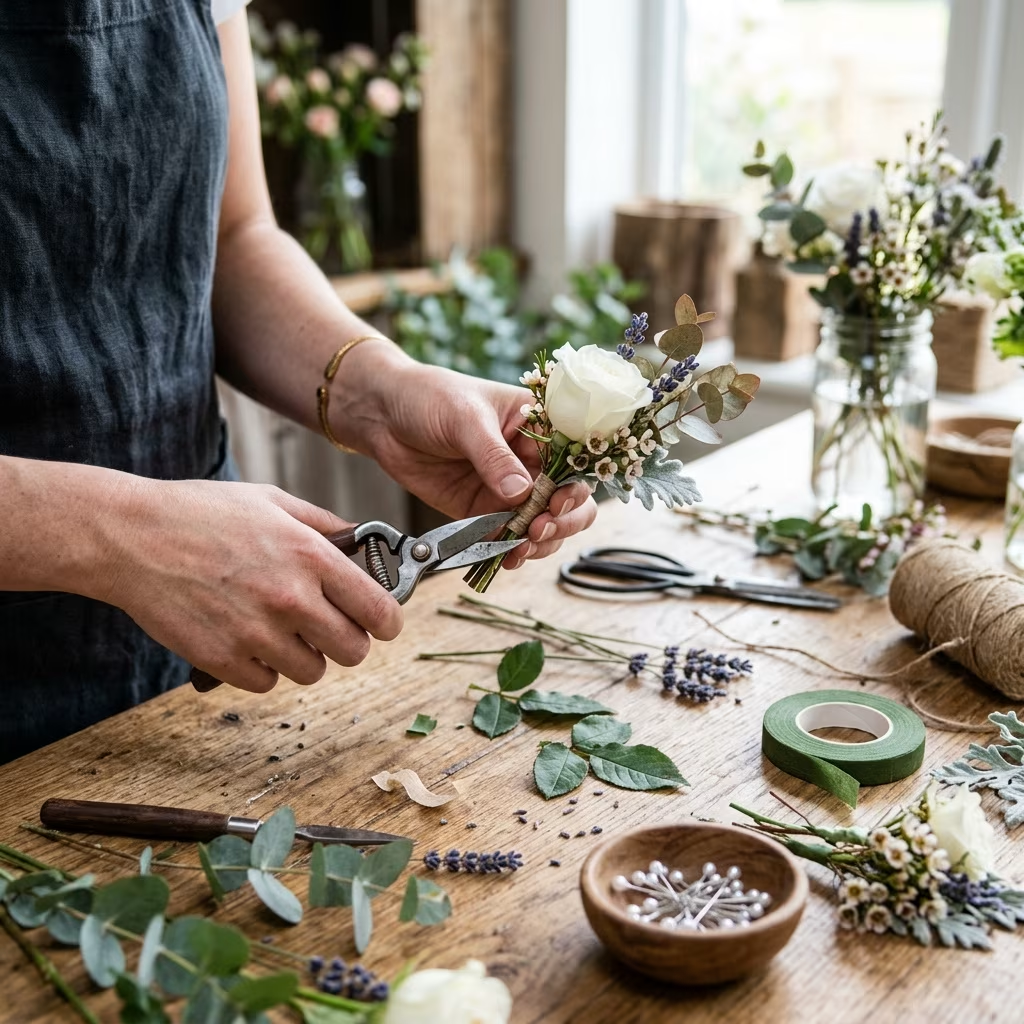
Follow this practical step-by-step process to assemble a boutonniere that is both sturdy and visually stunning:
1. Prepare Your Materials
- Cut flower stems to approximately 2-3 inches in length.
- Organize flowers by size and color for easy selection.
- Remove excess leaves from stems and clean any dirt.
- For faux or wood flowers, prep hot glue pot or gun as needed.
2. Wire and Tape the Blooms (If Required)
- Some delicate flowers (e.g., ranunculus, strawflower) may benefit from wiring the stem for support.
- Wrap floral tape tightly around the wire and lower stem for a unified, sturdy base.
3. Create the Focal Arrangement
- Select your largest or most striking flower as the focal.
- Slightly tilt the top of the wire stem or bloom forward to make it prominent.
- Add 2-3 accent flowers directly behind and to the sides, adjusting placement for fullness.
- Secure flowers firmly together, holding everything with one hand.
4. Layer the Greenery and Accent Pieces
- Choose complementary greenery; position sprigs just behind the main flower grouping so green peeks out.
- Incorporate additional decorative accents such as dried grass, berries, or pods if desired.
- Use small pieces, layering upward for texture and dimension. Trim stems to even lengths using wire cutters or scissors.
5. Bind and Wrap the Stems
- Secure all stems tightly together with floral tape, starting just below the flowers and working down.
- Ensure the tape covers exposed wire or rough edges for comfort when wearing.
- If preferred, wrap stems with decorative ribbon, twine, or chiffon. Anchor the end with a small dot of hot glue and wrap tightly; finish by securing with another dot of glue or by tying a neat knot.
6. Final Touches & Quality Check
- Inspect the boutonniere to ensure all pieces are stable and flowers do not wobble.
- Adjust position of greenery and accents for balanced shape and fullness.
- Trim the bottom of the stems for a uniform finish, generally to 1 inch.
- Allow any glue to set fully before handling.
7. Pinning the Boutonniere
- Place the boutonniere on the left lapel of the wearer’s jacket.
- Insert a boutonniere pin from behind the lapel through the fabric and the wrapped stems to anchor in place.
Flower & Greenery Selection Tips
Choosing the right flowers is key to ensuring your boutonniere remains fresh and vibrant throughout your event. Consider the following tips:
- Hearty flowers that endure out of water (e.g., spray roses, carnations, ranunculus, tulips, chrysanthemums).
- Accent and filler flowers (e.g., wax flowers, baby’s breath, Queen Anne’s lace, heather).
- Sturdy, long-lasting greenery (eucalyptus, Italian ruscus, leatherleaf, salal, ivy).
- For dried or faux arrangements, consider grasses, mini pampas, bunny tails.
- Match color to attire, event theme, or bouquet for a cohesive look.
| Flower | Color Variety | Longevity | Best For |
|---|---|---|---|
| Rose | Wide (reds, whites, pinks) | High | Weddings, proms |
| Carnation | Medium | High | Formal events |
| Ranunculus | Wide | Medium | Weddings, parties |
| Chrysanthemum | Wide | High | All occasions |
| Eucalyptus | Green, Silver | Very High | Filler, accent |
| Baby’s Breath | White | Medium | Accent, filler |
Personalizing & Decorating Your Boutonniere
To give your boutonniere a custom look, try these finishing techniques:
- Ribbon Wrap: Use satin or chiffon ribbons in colors that match event décor or boutonniere flowers for an elegant stem finish.
- Twine or Jute: Adds a rustic, natural feel perfect for outdoor or vintage themed events.
- Decorative Accents: Include beads, vintage brooches, small feathers, or metallic wire for unique flair.
- Color Coordination: Match or contrast the boutonniere with pocket squares, ties, or bouquets for a cohesive style statement.
Care and Storage Tips for Fresh Boutonnieres
Fresh flowers require careful handling and storage:
- Make boutonnieres as close to event time as possible, preferably the morning of.
- Store finished boutonnieres in a cool, dry environment.
- If making ahead, place exposed stems in a shallow dish of water and refrigerate for up to 12 hours.
- Spritz lightly with water to prevent drying; never freeze, as ice can damage flowers.
Frequently Asked Questions (FAQs)
Q1. How far in advance can I make a boutonniere?
Fresh boutonnieres can be made up to a day in advance if kept in a cool, moist environment with stems in water and lightly covered in the refrigerator. For dried or faux boutonnieres, you may prepare them several days or weeks ahead.
Q2. What flowers last longest in a boutonniere?
Hearty flowers such as roses, carnations, tulips, and chrysanthemums last longest. Dried and artificial blooms offer the most durability.
Q3. How do I keep a boutonniere fresh throughout the event?
Store in the refrigerator until use, keep hydrated if possible, and avoid direct sunlight or heat exposure. Using floral tape also helps maintain freshness.
Q4. Can I make a boutonniere with artificial flowers?
Yes! Faux flowers, wood flowers, or dried blooms make sturdy, reusable boutonnieres that can be customized extensively and stored for long periods.
Q5. What’s the best way to attach a boutonniere?
Use a boutonniere pin or straight pin. Insert the pin from behind the lapel through the wrapped stems to secure without damaging the shape.
Boutonniere Ideas & Inspiration
- Classic Rose: Red rose with baby’s breath and eucalyptus for timeless elegance.
- Rustic Wildflower: Mix of ranunculus, mini pampas grass, and tied with jute for countryside charm.
- Modern Minimalist: Single calla lily with Italian ruscus, bound in white satin ribbon.
- Dried Foliage: Strawflower, dried poppy pod, and bunny tail for boho chic.
- Vintage Accents: Add pearl beads or metallic wire for retro flair.
Troubleshooting Common Boutonniere Issues
- Wilting flowers: Choose only fresh, healthy blooms and assemble close to event time.
- Loose stems: Wrap floral tape firmly and check stability by gently shaking the boutonniere.
- Visible wires/tape: Cover with decorative ribbon or leaves for a polished look.
- Sizing problems: Cut stems to a uniform length (about 1-1.5 inches) for comfortable wear.
Alternative Boutonniere Materials
- Wood flowers: Sola wood blooms for a sustainable, rustic option.
- Dried flowers: Useful for events in hot climates or for keepsake boutonnieres.
- Silk/faux foliage: Ideal for allergy sufferers or reusable accessories.
Final Thoughts
Creating a boutonniere is a rewarding craft that allows for endless creativity. Whether made with fresh blooms, dried botanicals, or wood flowers, the process can be tailored to any style or occasion. Experiment with different flower and greenery combinations, personalize with ribbon, twine, or decorative accents, and enjoy a unique touch to your special event.
References
- https://www.solawoodflowers.com/blogs/sola-school/boutonniere-diy-guide
- https://www.wildflowermd.com/blog/how-to-make-a-boutonniere-in-5-easy-steps/
- https://www.youtube.com/watch?v=xXgjEZHjBWQ
- https://www.youtube.com/watch?v=FQOkov5Nw8M
- https://californiagrown.org/blog/our-top-tips-on-how-to-make-a-corsage-and-boutonniere/