


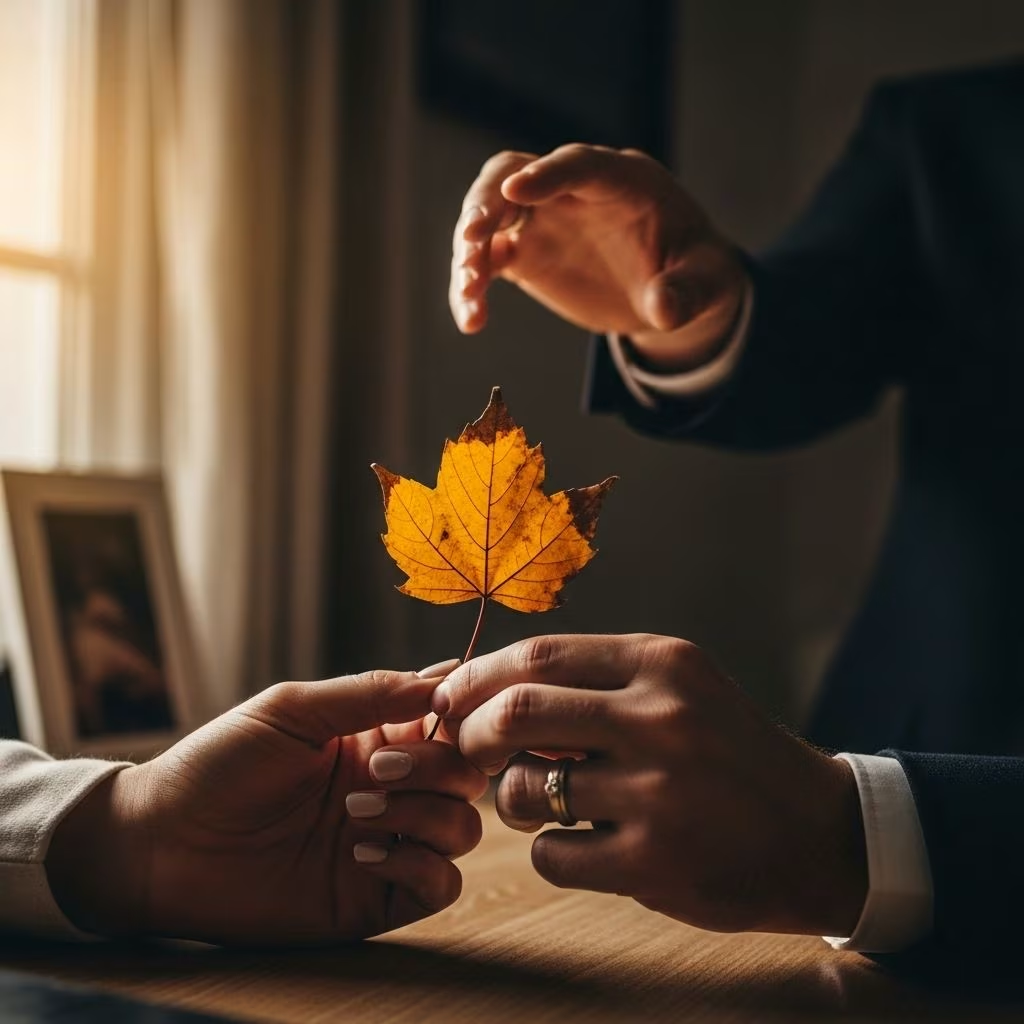
Why Losing Friends After Marriage Is More Common Than You Think
Marriage is among life’s most significant milestones, marking a shift not just in your romantic life but in your social landscape as well. For many, walking down the aisle brings expectations of joy, partnership, and shared dreams. Yet, an often unspoken repercussion is the gradual—or sometimes abrupt—loss of friendships that once seemed irreplaceable. This article explores the core reasons behind friendship changes after marriage, the signs to watch for, practical tips to maintain your circle, and ways to embrace this new chapter with both your spouse and steadfast friends by your side.
Why Do Friendships Change After Marriage?
It’s natural to wonder why that friend you used to text daily suddenly feels like a distant acquaintance after marriage. Major life events, like a wedding, trigger changes in priorities, routines, and emotional needs. Here are some primary factors:
- Shifting Priorities: Marriage often requires both emotional and time investment in your partner, inevitably reducing the bandwidth you had for friendships previously.
“As we develop, our priorities shift, our friendships tend to accommodate our new selves over time.” - Difference in Relationship Status: If your friends remain single or are in a different phase (dating, parenting, etc.), the shared experiences and interests that once bonded you might diverge.
- Social Circles Merge: Sometimes, couples gravitate towards other couples for ease of socializing, leaving behind single friends or those with differing lifestyles.
- Limited Time and Energy: With work, home responsibilities, and nurturing your marriage, scheduling time with friends becomes a deliberate activity rather than a spontaneous one.
- Personal Growth: The intimacy and partnership in marriage can spark personal changes, leading to different expectations or values in friendships.
Common Reasons for Losing Friends Post-Marriage
Understanding the motivations underneath drifting friendships helps ease anxiety or guilt that might arise. While every friendship is unique, some reasons for losing friends after marriage are surprisingly universal.
- Time Constraints: Married life comes with new obligations. Household chores, couple time, visiting in-laws, and future considerations (children, moving houses) often mean you simply have less time for friends.
- Diverging Interests and Lifestyles: As your life intertwines with your partner’s, your interests may evolve to align more with them—or with your new household. Friends who aren’t on a similar wavelength may find themselves inadvertently deprioritized.
- Friends’ Expectations: Occasionally, friends expect the relationship to remain unchanged and may feel hurt if access to you diminishes, causing tension or resentment.
- Insecurity and Jealousy: Some friends may feel left out, envious, or threatened by your new commitment. Communication lapses can worsen these feelings.
- Lack of Mutual Effort: Friendships, just like marriages, require effort from both sides. Sometimes, friends drift simply because neither party puts in the work to sustain them.
- Cultural or Family Expectations: In some cultures or families, married life is viewed as more insular, urging couples to prioritize family over friends.
Summary Table: Common Reasons for Friendship Changes After Marriage
| Reason | Description |
|---|---|
| Time Constraints | Less free time for socializing due to marriage responsibilities |
| Lifestyle Changes | Different interests and routines post-marriage |
| Communication Shifts | Less face-to-face interaction, more casual texts |
| Emotional Priorities | Spouse and family take emotional precedence |
| Cultural/Familial Pressure | Societal norms valuing marriage over friendships |
Signs You Are Losing Friends After Marriage
While some fading friendships are subtle, others are clear. Knowing the warning signs can help you act before connections are lost for good.
- Reduced Communication: The frequency of your texts, calls, or meetups drops dramatically. Conversations are often short and lack depth.
- One-Sided Effort: You constantly initiate plans or conversations and rarely get the same initiative back.
- Growing Apart: You feel like you’re on different wavelengths and struggle to relate to their stories or problems—and vice versa.
- Emotional Distance: The emotional intimacy that once defined the friendship now feels strained or forced.
- Social Exclusion: Friends omit you from group events, or you feel like an outsider in group chats or meetups.
- Subtle Resentment: Passive-aggressive comments, jokes about your “new life,” or visible discomfort about your marital status emerge.
Should You Be Concerned If You Lose Friends?
It’s natural to feel troubled when friendships fade, but losing friends after marriage isn’t always negative. Major life events often serve as a winnowing process, revealing which friendships are built on deep mutual connection versus circumstantial convenience.
- True Friends Remain: Core relationships endure because they’re rooted in genuine understanding, not just shared circumstances or interests.
- Quality Over Quantity: The number of friends may dwindle, but the depth and authenticity of remaining relationships often increase.
- Normal Part of Growth: Evolving friendships are part of personal growth, not a sign of social failure.
Instead of mourning lost connections, use this transition to focus on meaningful relationships and welcome new bonds that fit your current life stage.
How to Preserve Friendships After You Get Married
Not all drifting friendships are doomed. Here are proactive ways to nourish your dearest connections through marriage’s adjustments:
- Prioritize and Schedule: Be intentional about making plans. Diarize regular meetups, even if they’re infrequent—monthly brunches, coffee dates, or virtual hangouts count.
- Communicate Openly: Discuss with your friends how much you value them. Share your new responsibilities and time constraints honestly; transparency builds understanding and patience.
- Establish Couple-Friendly Activities: Introduce shared activities that include both friends and your spouse. Group dinners, game nights, or trips can foster a wider support network and ease the transition.
- Text and Call More: If in-person meetings are infrequent, keep the bond alive through messages, social media, or calls. Little check-ins go a long way.
- Set Boundaries: Balance is key. While nurturing your marriage, also set aside time just for friends—without your spouse—if needed.
- Embrace Change: Accept that some friendships will naturally weaken while others grow. Focus energy on mutual, resilient bonds and be open to building new ones.
Key Strategies to Maintain Friendships
- Plan regular catch-ups or virtual calls.
- Communicate openly about life changes.
- Include friends in important events.
- Be flexible and understanding of each other’s schedules.
- Find common ground and shared interests as your life evolves.
Embracing New Friendships and Community
Marriage often opens up new avenues for connection. Even if old friends drift away, nurturing relationships with other couples or those in similar stages can feel organic and supportive. Here’s how to embrace your evolving social world:
- Seek Like-Minded Couples: Couple friendships can provide shared experiences and a sense of community unique to this stage of life.
- Engage in Community Activities: Join clubs, hobby groups, or community gatherings with your spouse to expand your social horizons.
- Nurture Your Support System: Whether through family, colleagues, or new acquaintances, building a robust network is vital for emotional well-being.
- Support Each Other: Encourage your spouse to nurture their friendships, and find ways to blend social circles when possible.
Frequently Asked Questions (FAQs)
Q: Is it normal to lose friends after marriage?
A: Yes, it is common for friendships to evolve, weaken, or sometimes end after marriage due to shifts in priorities, time demands, and changing interests.
Q: How can I keep my friends after getting married?
A: Intentionally schedule time together, communicate honestly about your new circumstances, and look for shared activities to maintain connection. Small gestures like texts and catch-up calls can make a big difference.
Q: Is losing friends after marriage a bad sign?
A: Not always. Sometimes, it’s a healthy reflection of your personal growth and changing needs. Real, enduring friendships will stand the test of time and change.
Q: How do you know which friends are worth keeping?
A: Friends who respect your new life phase, make an effort to stay connected, and provide genuine support, are likely the relationships to invest in.
Q: Can couples maintain old friendships independently?
A: Absolutely. It’s healthy to have both mutual and separate friends. Good communication and mutual understanding with your spouse are key to balancing these relationships.
Final Thoughts
Life transitions, especially marriage, are a natural catalyst for change. While losing friends can be bittersweet, it also signals personal and relational growth. By approaching friendships with intention, communication, and flexibility, it’s possible to sustain the bonds that matter—even as you step confidently into this new chapter of life.


