Gardening 101: Lyme Grass (Leymus arenarius)
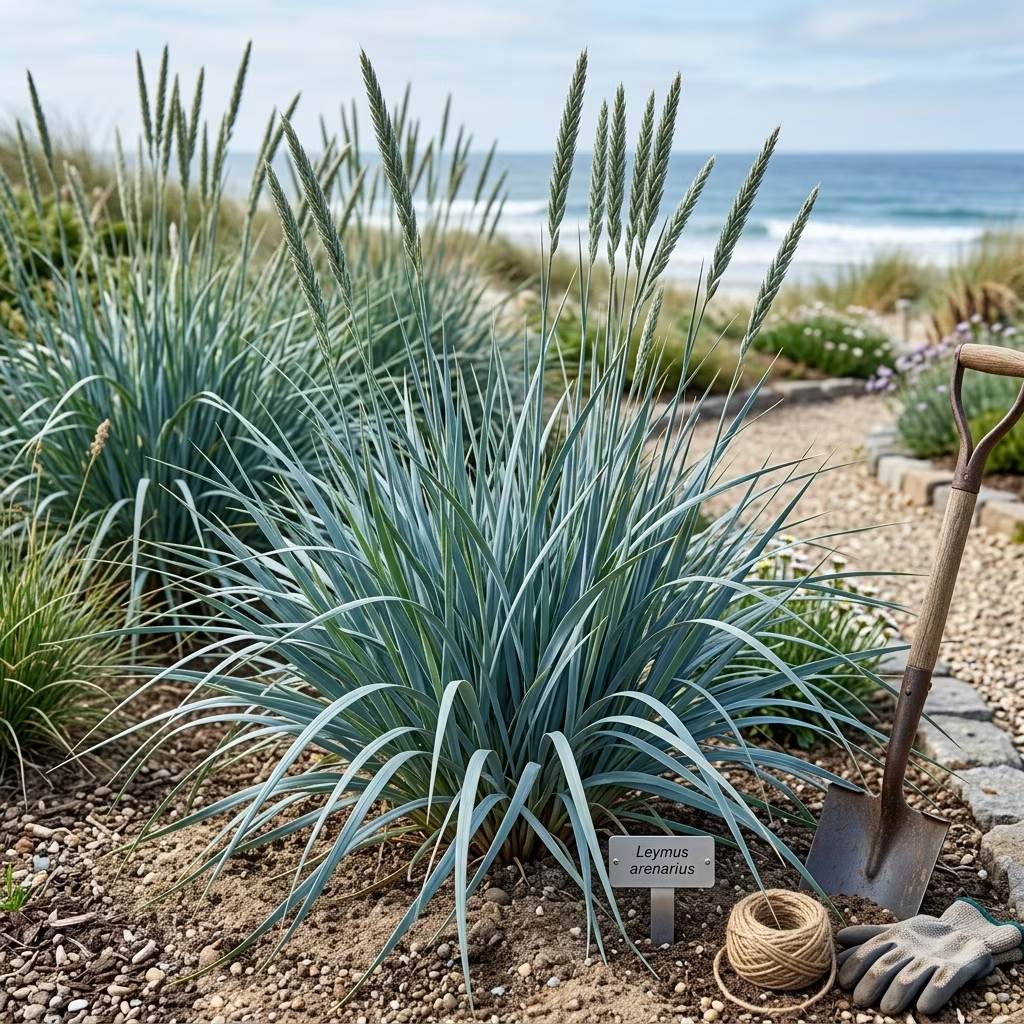
Lyme Grass, known botanically as Leymus arenarius and commonly called Blue Lyme Grass, is an eye-catching perennial prized for its bold, blue-gray foliage and vigorous growth. Used both for its ornamental appeal and functional roles (notably erosion control), this grass thrives in challenging conditions and stands out as a dramatic ground cover, container specimen, or stabilizer on sandy slopes.
Overview & Background
Leymus arenarius is native to coastal regions of Europe where it forms dense clumps and spreads energetically via rhizomes. Its adaptability to a broad range of soils and climates—paired with its notable drought, salt, and deer resistance—makes it a versatile choice for adventurous gardeners seeking reliable, low-maintenance landscape solutions.
- Common Names: Lyme grass, Blue Lyme Grass, Sand Rye Grass, Sea Lyme Grass, European Dune Grass
- Botanical Family: Poaceae (grass family)
- Plant Type: Ornamental grass, perennial
- Hardiness Zones: USDA zones 4–10
- Height: Typically 2–3 feet (60–90 cm)
- Spread: Aggressive via rhizomes
- Foliage: Steel-blue, arching leaves—densely tufted and striking
Appearance & Growth Habit
Blue Lyme Grass forms broad, dense clumps of vividly colored, blue-gray to silver-blue foliage. The leaves are flat, broad, and gracefully arch outward, imparting a lush, seaside aesthetic even far from the coast. In summer, flower spikes—upright and subtly colored—rise above the foliage, turning beige as they mature.
- Foliage: Steel-blue and semi-evergreen in milder regions, providing year-round interest
- Flowering: Subtle, sturdy flower spikes in summer (early to late)
- Spread: Vigorous rhizome growth makes for rapid expansion—containment is essential in most garden settings
- Form: Typically forms 2–3 foot mounds; can quickly fill a space when not controlled
Site Selection & Ideal Garden Uses
Proper placement is crucial due to Lyme grass’s aggressively spreading nature. Its ability to thrive in poor, sandy soils—the very conditions that challenge other plants—makes it invaluable for specific uses:
- Ground cover: Mass Lyme grass in large open areas where vigorous growth is desired
- Erosion control: Excellent for stabilizing slopes, embankments, and sand dunes
- Containers: Ideal for controlling spread—grows beautifully in large pots
- Coastal landscapes: Its salt tolerance and beachy look suit seaside gardens perfectly
- Wildlife gardens: Attracts butterflies and provides habitat
Avoid planting in: Mixed perennial beds or areas with delicate companions; Lyme grass can overtake slower-growing plants.
Growing Conditions
| Condition | Requirements |
|---|---|
| Sunlight | Full sun (optimal); tolerates partial shade |
| Soil Type | Sand, clay, loam—adaptable; prefers well-drained soil |
| Soil pH | Acidic to alkaline (5.5–7.5) |
| Water Needs | Low to average—drought tolerant once established |
| Salt Tolerance | High; ideal for coastal gardens |
| Deer & Rabbit Resistance | High |
Planting & Establishment
- Timing: Plant Lyme grass in early spring or autumn for best results.
- Spacing: Space clumps at least 2–3 feet apart to allow for spread. Account for rapid rhizome growth.
- Preparation: Amend soil with organic matter only if extremely poor—Lyme grass is tough and requires minimal pampering.
- Watering: Water regularly after planting until roots are established, then reduce frequency; established plants rarely need supplemental watering except in severe drought.
- Mulching: Not strictly necessary, but can help retain moisture in sandy soils.
Maintenance & Care
- Pruning: Cut back old foliage in late winter or early spring, trimming to 2–3 inches above ground. This encourages fresh growth and tidies appearance.
- Dividing: Divide clumps every 2–3 years if plants become crowded or you wish to propagate. Best done in spring or fall.
- Fertilizing: Generally unnecessary; Lyme grass flourishes in lean soils. Over-fertilization may boost invasiveness.
- Containment: Regularly monitor edges. Edge barriers or root pruning can help contain spread, especially near lawn or bed borders.
Pest & Disease Management
Lyme grass is exceptionally resilient, but on rare occasions may be affected by garden pests or diseases:
- Common pests: Aphids, grasshoppers, and mealybugs can sometimes occur, though infestations are rare. Treat with insecticidal soap or horticultural oil if necessary.
- Diseases: Generally disease-resistant. Root rot or fungal problems may appear if soil is poorly drained or plants are overcrowded. Maintain good air circulation and prune affected parts as needed.
Garden Uses & Design Applications
- Erosion control: Lyme grass is renowned for stabilizing sand and soil on slopes, hillsides, and embankments.
- Ground cover: Effectively covers expansive areas—ideal for large-scale landscapes or uncultivated spaces.
- Container planting: Restrains invasive roots and highlights its dramatic foliage; excellent for patios or urban gardens.
- Coastal and Mediterranean themes: Perfect for seaside gardens, gravel borders, and informal cottage schemes due to its salt tolerance and textural contrast.
- Wildlife value: Attracts butterflies, resists deer, and offers shelter for small creatures.
Lyme Grass vs Other Ornamental Grasses
| Grass Type | Foliage Color | Growth Rate | Spread | Water Needs | Best Uses |
|---|---|---|---|---|---|
| Lyme Grass (Leymus arenarius) | Blue-gray | Fast | Aggressive (rhizomes) | Low | Erosion control, ground cover, containers |
| Feather Reed Grass (Calamagrostis) | Green | Medium | Clumping | Average | Borders, specimen |
| Muhly Grass (Muhlenbergia) | Green to purple-pink (in bloom) | Medium | Clumping | Low | Mass planting, wildlife gardens |
Controlling Lyme Grass Spread
Most gardeners are drawn to Lyme grass for its vigor, but containment is a top priority where its rhizomes could invade sensitive areas.
- Edge barriers: Install root barriers or edging when planting near lawns, beds, or paved areas.
- Container growth: Use large containers to display the grass without fear of escape.
- Routine monitoring: Inspect boundaries yearly; dig out stray rhizomes promptly.
- Avoid mixing: Do not interplant with slow-growing perennials or in small borders.
Propagation Techniques
- Division: Most common, easy method. Dig up mature clumps in spring or fall and split into sections; replant at desired locations.
- Seed: Occasionally used for large-scale planting, especially restoration or reclamation projects. Germination is variable and less reliable than division.
Seasonal Interest & Year-Round Appeal
- Spring: New blue-green shoots emerge; tidy up old foliage to accentuate vibrant growth
- Summer: Foliage is at its peak; flower spikes stand upright above the leaves
- Fall: Foliage often intensifies in color, flower spikes tone beige
- Winter: Semi-evergreen in mild climates; dried foliage offers structure and color when other plants are dormant
Frequently Asked Questions (FAQs)
Is Lyme grass invasive?
Yes. Lyme grass (Leymus arenarius) spreads quickly by rhizomes and should be planted only where aggressive growth is desired or containment is possible.
Can Lyme grass cause problems in mixed beds?
Absolutely. Its fast growth and rhizome spread will overtake slower-growing perennials and small shrubs. Keep it in mass plantings, open areas, or containers.
How do I control Lyme grass?
Use physical barriers, regular pruning, and containers to limit spread. Dividing clumps every few years helps manage size.
Is Lyme grass suitable for coastal gardens?
Yes, Lyme grass is extremely tolerant of salt spray and sandy soils, making it ideal for seaside landscapes.
Does Lyme grass require much watering?
No. Once established, Lyme grass thrives on minimal supplemental water—making it a sustainable choice for drought-prone areas.
What wildlife does Lyme grass attract?
Lyme grass attracts butterflies, resists deer and rabbits, and provides shelter for small garden creatures.
Can I plant Lyme grass for erosion control?
Yes, its strong rhizome system excels at anchoring soil on slopes, dunes, and embankments.
Summary: Is Lyme Grass Right for You?
If your landscape needs a robust, low-maintenance, and striking ground cover—especially for tough, sandy, or coastal conditions—Lyme grass is a compelling choice. Just be aware of its spreading tendencies; employ containers or barriers as needed. With spirited blue foliage and a reputation for thriving where little else will, Leymus arenarius is both a gardener’s solution for tricky spaces and a dramatic design element for bold gardens.
References
- https://mygardenchannel.com/how-to-care-for-blue-dune-grass-leymus-arenarius/
- https://www.gardenia.net/plant/leymus-arenarius-blue-lyme-grass
- https://www.gardenista.com/posts/gardening-101-lyme-grass-laymus-arenarius-plant-care-growing-tips/
- https://www.picturethisai.com/care/Leymus_arenarius.html
- https://hoffmannursery.com/plants/details/leymus-arenarius-blue-dune
- https://mygardenlife.com/plant-library/blue-lyme-grass-leymus-arenarius
- https://www.gardenista.com/garden-design-101/grasses/lyme-grass/
- https://txmg.org/hendersonmg/publicity/out-of-this-world-color-in-blue-dune-lyme-grass/