How to Peel and Devein Shrimp: A Complete Guide
Whether you’re aiming for pristine shrimp in a delicate dish or prepping for a hearty gumbo, understanding how to peel and devein shrimp is a fundamental skill in any kitchen. This guide walks you through every step: from tools and setup, to recognizing when shrimp need deveining, to hands-on methods for both shell-on and shell-off shrimp. Learn why and when the process is essential, the range of techniques used by professionals, and common questions answered for perfect results every time.
Why Peel and Devein Shrimp?
- Aesthetics and Texture: Removing the shell and vein improves the look and feel of cooked shrimp. The vein is actually the digestive tract, which can be sandy or gritty, especially on larger shrimp.
- Flavor: While some recipes use shell-on shrimp for enhanced flavor (especially when grilling or making stock), peeling exposes more surface area for marinade and faster, even cooking.
- Food Safety: Deveining removes any remaining grit or impurities, ensuring cleaner shrimp in your finished dish.
Essential Tools and Setup
Professional shrimp preparation is all about gathering the right tools and maintaining a clean, cold workspace. Here’s what you need:
- Cutting board
- Kitchen shears or sharp paring knife
- Toothpick (for precision work with shell-on shrimp)
- Bowl of ice water (to rinse and chill the shrimp as you work)
- Sheet pan of ice (to keep shrimp fresh during prep)
Mise en Place: Organizing Your Station
The French culinary term mise en place means “everything in its place.” Before you begin peeling and deveining:
- Set up your tools on a clean counter.
- Place the shrimp on a tray of ice to keep them chilled and safe.
- If using frozen shrimp, thaw them in cold water for 30 minutes.
Peeling Shrimp: Fast and Efficient Methods
Method 1: Kitchen Shears
This method works for fresh or thawed shrimp, with or without heads. Kitchen shears make the job faster and minimize damage to the delicate meat.
- Twist and pull off the shrimp’s head (if present).
- Insert the shears along the top center of the shell, cutting from head to tail. This exposes the back and the vein.
- Peel off the shell starting where the legs are attached. Keep the tail on for presentation, or remove if desired.
- Save shells for seafood stock—they add incredible flavor to soups and broths.
Method 2: Manual Peeling
- Remove the head by hand if necessary.
- Peel away the legs and shell segments with your fingers, working down toward the tail.
- Gently pull off the tail or leave it attached for some recipes and presentation styles.
While manual peeling is effective, kitchen shears increase speed and reduce mess, especially when working with large quantities of shrimp.
Deveining Shrimp: Why and How
What is the Shrimp “Vein”?
The “vein” in shrimp is actually the digestive tract, found as a dark line along the curved back. While it’s edible, larger shrimp may have sand or grit inside, making removal preferable for texture and appearance.
How to Confirm Shrimp Are Deveined
- Inspect the shrimp’s back for a dark line from head to tail. If it’s missing or a slit is present, the shrimp is almost certainly deveined.
- Most store-bought, frozen shrimp are pre-peeled and deveined. Look for a butterfly-shaped cut along the back—a telltale sign of commercial deveining.
- To thaw frozen shrimp, leave them in the refrigerator overnight or in ice water for up to 10 minutes before working.
Deveining Shrimp with Shells On (Toothpick Method)
This precise technique is ideal for recipes that call for shell-on shrimp, such as certain Asian stir-fries.
- Twist and pull off the shrimp’s head, or leave it on if desired.
- Locate the joint between the second and third shell segments from the head.
- Insert a toothpick about 1/8 to 1/4 inch deep, beneath where the vein sits.
- Lift the toothpick and pull the vein gently out in one piece—minimizing damage to the shell and meat.
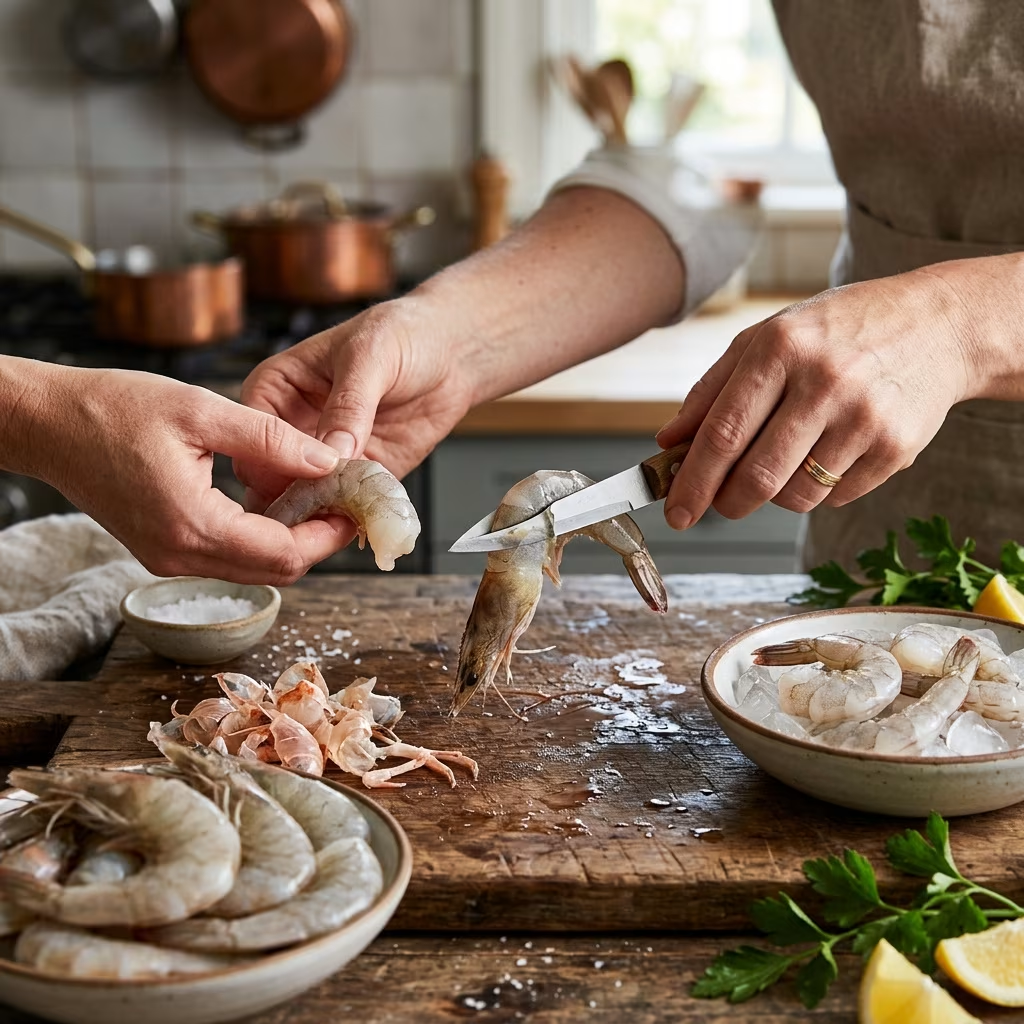
Deveining Shrimp with Shell Off (Knife Method)
This is the simplest and the most common method, used for recipes requiring peeled shrimp.
- After head and shell removal, lay the shrimp flat on its side.
- Use a paring knife to make a shallow cut (about 1/8 to 1/4 inch deep) along the back, from tail to head.
- Expose the intestinal tract and gently lift it out with the knife tip or your fingers.
- Rinse the shrimp in a bowl of water to remove any residual grit.
Deveining Large Quantities
- Work in batches, keeping cleaned shrimp chilled in an ice bath.
- Save shells for stock or discard after rinsing.
Step-by-Step Summary Table
| Step | Tools | Recommended For |
|---|---|---|
| Manual Peeling | Hands | Small batches, delicate shrimp |
| Shears Peeling | Kitchen Shears | Large quantities, speed |
| Toothpick Deveining (shell-on) | Toothpick | Shell-on recipes, intact appearance |
| Knife Deveining (shell-off) | Paring Knife | Peeled shrimp, classic method |
Final Rinse and Storage Tips
- Rinse deveined shrimp in cold water to remove any remaining grit or vein fragments.
- Transfer cleaned shrimp to a fresh bowl of ice or refrigerate until needed.
- Freshly peeled and deveined shrimp are ideal for recipes—from poaching, grilling, and stir-frying to elegant seafood cocktails.
Should You Always Devein Shrimp?
Deveining is not strictly necessary—the vein is edible and often goes unnoticed in smaller shrimp. However, in professional kitchens and for certain dishes, deveining ensures the highest standard for texture and presentation. Large shrimp benefit most from this step, as their veins are thicker and contain more grit.
Pro Tips for Shrimp Preparation
- Keep the shrimp cold during peeling and deveining to maintain freshness.
- Store peels and heads in the freezer for stock—they impart umami depth and aroma.
- Use a shallow cut for deveining; avoid slicing too deep to keep shrimp meat intact.
- Don’t discard all shells—many recipes use shell-on shrimp for boosted flavor and texture.
- Quickly rinse under running water or use an ice-water bath for best results.
Frequently Asked Questions (FAQs)
Q: Is it safe to eat shrimp with the vein still in?
A: Yes. The vein is the shrimp’s digestive tract and is not harmful to most people, but it can contain sand or grit, especially in large shrimp, which may affect texture or appearance.
Q: Do I need special tools to peel and devein shrimp?
A: No. Kitchen shears, a paring knife, or a toothpick will suffice for all manual methods, though dedicated shrimp peelers can help with larger batches.
Q: Is frozen shrimp ever pre-peeled and deveined?
A: Most frozen shrimp sold in grocery stores are already peeled and deveined for convenience. Look for a butterfly cut on the back or check packaging details.
Q: Should I rinse shrimp after deveining?
A: Yes. Rinsing in cold water or an ice bath removes any leftover shell or grit and keeps the shrimp fresh and firm.
Using Prepared Shrimp in Cooking
With properly peeled and deveined shrimp, you’re ready to tackle a wide range of dishes:
- Shrimp cocktail: Clean, tender shrimp are perfect for classic appetizers.
- Shrimp pasta or scampi: Peeled shrimp absorb flavors and cook evenly.
- Stir-fries: Shell-on or shell-off shrimp offer different flavors—choose according to your recipe’s demands.
- Grilled Shrimp: Some recipes keep shells on for protection during high heat and for additional flavor.
- Stocks and soups: Use reserved shells and heads for a deeply flavored seafood broth.
Troubleshooting Common Shrimp Prep Problems
- Vein breaks during removal: Use running water or a gentle swipe with the knife tip to clear the fragments.
- Shrimp tears during peeling: Chill well and use shears for more control; manual peeling can be fiddly for smaller or tender shrimp.
- Shell sticks to meat: Fresh shrimp peel more easily than frozen; let frozen shrimp thaw completely before peeling.
Expert Advice for Busy Cooks
If you’re short on time, purchase shrimp that are already peeled and deveined—available fresh and frozen in most markets. For special dishes or highest quality, prepping shrimp from scratch gives superior flavor, tenderness, and presentation.
Summary: Key Takeaways for Perfect Shrimp
- Deveining is optional for small shrimp, but always recommended for larger varieties.
- Multiple peeling and deveining methods suit different recipes and kitchen setups.
- Keeping shrimp chilled is essential for quality and safety throughout the process.
- Used shells can be saved for stocks to enhance future seafood recipes.
- Mastering these techniques elevates everyday cooking and ensures beautiful, delicious shrimp in any dish.
References
- https://cfishct.com/blog/how-to-peel-shrimp/
- https://www.hungryhuy.com/how-to-devein-shrimp/
- https://www.youtube.com/watch?v=IOTMQ2oXdLE
- https://www.youtube.com/shorts/eI-vAquXO7k
- https://www.youtube.com/watch?v=8MAPbLHWUTU
- https://www.youtube.com/shorts/Rh5P5iPLFtM
- https://ourbestbites.com/how-to-devein-shrimp-quickly-cook-them/