


Advantages and Disadvantages of Living in a Joint Family
The joint family system has been integral to the social fabric of many cultures, especially in South Asia, for generations. Characterized by multiple generations living under one roof, sharing resources and responsibilities, this family structure is both revered and debated in the modern era. As societies progress, understanding the advantages and disadvantages of the joint family setup is crucial for families considering this arrangement. This article explores the unique features, merits, and limitations of living in a joint family, and addresses common challenges and frequently asked questions related to this traditional household structure.
What is a Joint Family?
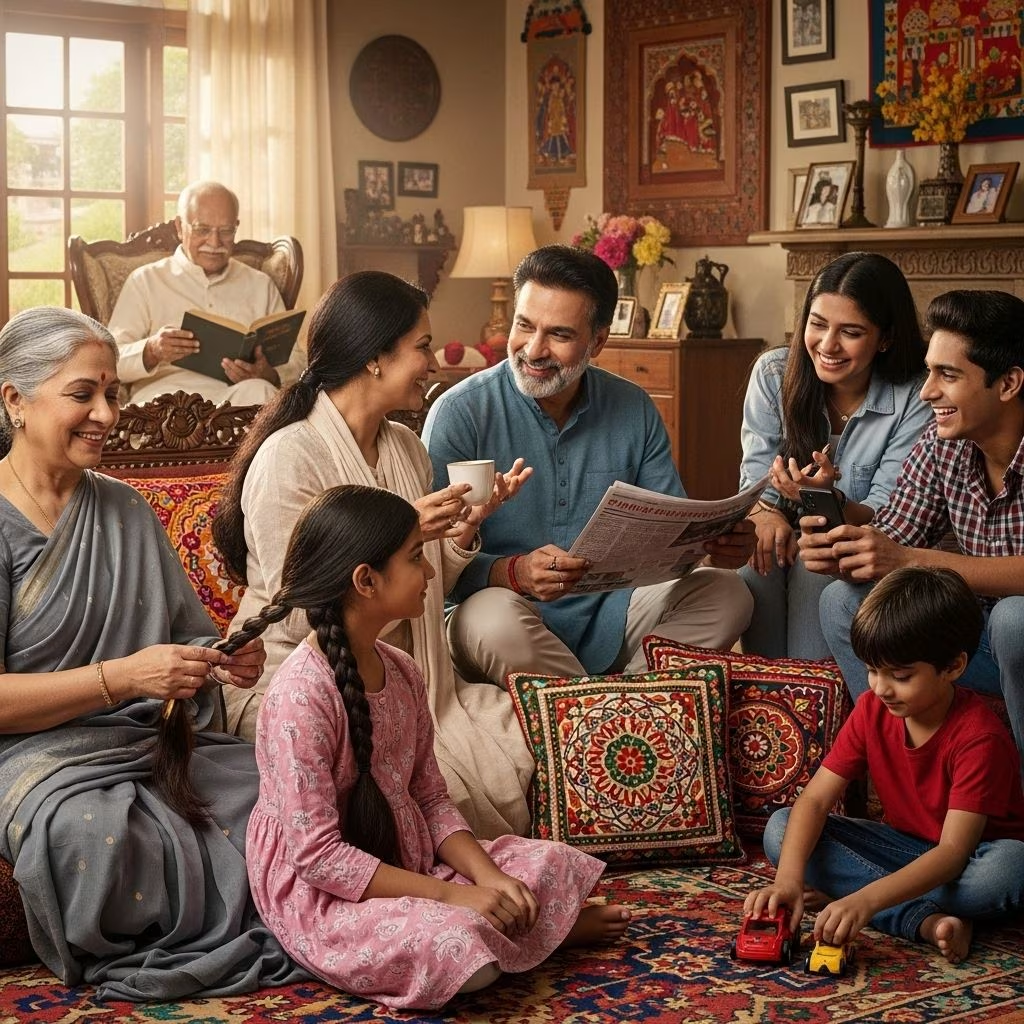
A joint family is a large, undivided household where members from more than one generation live together. Typically, this includes grandparents, their sons and daughters-in-law, daughters, sons, grandchildren, uncles, aunts, and cousins. Such families operate as a single unit, sharing resources, responsibilities, and, often, finances.
The concept is especially prevalent in countries like India, Pakistan, Bangladesh, and other parts of Asia, where joint families have historically served as an economic, emotional, and social safety net for the members.
Characteristics of a Joint Family
- Collective living: Multiple generations and extended family members live together under one roof.
- Shared kitchen: All meals are typically prepared and eaten together, promoting unity.
- Centralized authority: The head (usually the eldest male or female) makes major decisions on behalf of the family.
- Resource pooling: Family members combine their financial and material resources for collective use.
- Division of labor: Responsibilities like earning income, managing the household, caring for children and elders, and performing chores are distributed among adults.
- Emphasis on values: Traditions, customs, and family values are preserved and taught to younger generations.
- Mutual support: Members support each other emotionally and practically, especially during crises.
Members and Their Roles in a Joint Family
| Family Member | Role in Joint Family | Potential Challenges |
|---|---|---|
| Grandparents | Guide family with wisdom, resolve disputes, uphold traditions. | May feel isolated if disregarded by younger generations. |
| Parents | Manage daily affairs, care for children, balance tradition and modernity. | Pressure to maintain harmony; juggling new and old values. |
| Uncles & Aunts | Share earning, mentoring, and caregiving duties; sometimes act as secondary parents. | Financial strains, authority clashes, disputes over contribution. |
| Children | Learn discipline, respect elders, observe traditions. | Limited autonomy, less privacy, occasional sibling rivalry. |
| Cousins | Strong peer bonding, emotional support. | Jealousy, favoritism, competition. |
Advantages of Living in a Joint Family
The joint family system is cherished for the benefits it offers, especially in terms of emotional support, financial security, and the preservation of cultural heritage. Here are some of the most significant advantages:
- Emotional and Social Support: Family members are always close by in times of need. Joys and sorrows are shared, creating a safety net for individuals.
- Financial Security: Joint families usually pool their earnings and resources, which reduces financial pressure on individual members. Shared expenses help manage costs more efficiently.
- Shared Responsibilities: Household and caregiving duties are distributed among adults, decreasing stress on any one person. This gives members, especially working women, time for personal development.
- Ensuring Childcare and Elderly Care: Children receive guidance from elders, and parents get help with childcare. Elderly members remain engaged and cared for within the household.
- Cultural Heritage and Value Preservation: Traditions, customs, and family rituals are more likely to be handed down and maintained within a joint family setup.
- Social Skills Development: Growing up among cousins and elders helps children develop communication, cooperation, and conflict resolution skills early on.
- Support during Crises: In times of job loss, illness, or bereavement, joint family members provide immediate help, both emotionally and practically.
- Strengthened Family Bonds: The constant interaction fosters a sense of belonging, collective identity, and trust among members.
Additional Practical Benefits
- Pooling of Talents: Different family members bring diverse skills and perspectives, which can help in problem-solving.
- Better Work-Life Balance: Responsibility sharing allows individuals to pursue careers or personal goals while knowing the household is supported.
- Resource Optimization: Joint ownership and sharing of items such as vehicles, appliances, and property reduce overall costs.
Disadvantages of Living in a Joint Family
Despite its many benefits, the joint family system faces several challenges—especially as individualism and urban lifestyles gain prominence. Here are the most common disadvantages experienced:
- Limited Privacy: With many people living together, it is hard to maintain personal space. This lack of privacy can lead to discomfort or even conflicts, especially for young couples or those used to independence.
- Frequent Conflicts: Differences in opinions, lifestyles, generational beliefs, and financial contributions often result in arguments. These can be over minor matters such as daily routines or major issues like education, marriage, or business decisions.
- Unequal Division of Labor and Resources: Sometimes, the distribution of chores or financial contributions becomes unequal, leading to resentment among members.
- Lack of Autonomy: Major decisions are usually centralized with the eldest member, leaving less room for individual choice or independent action. This dominance may stifle personal growth and aspirations.
- Financial Disputes: Earning and spending are collective, but not all members may feel their contributions are valued or used fairly. This creates additional stress and dissatisfaction.
- Cultural Clash and Generation Gap: Younger members may desire to adopt modern lifestyles, while elders prefer tradition. This clash leads to emotional distance, frustration, and sometimes larger family divides.
- Unwanted Interference: Interference in parenting, personal relationships, or daily decisions can cause friction, particularly with newly married couples or young parents.
- Favoritism and Comparisons: Jealousy, competition, and perceived favoritism among cousins can impact self-esteem and create long-term rivalries.
- Inhibition of Innovation and Freedom: Conventional thinking may discourage risk-taking, career exploration, or creative pursuits among younger members.
Other Notable Challenges
- Adjustment Issues: New members, such as daughters-in-law or recently married couples, may struggle to find their comfort zone within a large household.
- Pressure to Conform: There may be strong unwritten expectations to conform to family values and customs, even when they conflict with one’s own aspirations or beliefs.
- Parenting Conflicts: Differing child-raising philosophies and constant advice from elders may confuse new parents or lead to disagreements.
Comparison Table: Pros and Cons of Living in a Joint Family
| Advantages | Disadvantages |
|---|---|
| Strong emotional and financial support | Minimal privacy and autonomy |
| Shared responsibilities reduce individual stress | Frequent conflicts over opinions and resources |
| Learning and preserving cultural values | Favoritism and comparison among members |
| Effective resource utilization | Poor division of labor creates resentment |
| Support during crises | Pressure to conform; inhibited independence |
| Better childcare and elderly care | Invasion of personal life and relationships |
Frequently Asked Questions (FAQs)
Q: What is the primary difference between a joint family and a nuclear family?
A joint family comprises more than two generations living together—typically including grandparents, their children, and grandchildren—sharing resources and responsibilities. A nuclear family is typically just parents and their children, living separately from extended relatives.
Q: Can individuals maintain privacy in a joint family?
While joint families are known for collective living, privacy is often limited due to shared spaces and routines. However, some families address this by allocating separate rooms or floors where possible.
Q: How do joint families handle financial matters?
Financial resources are pooled, with major spending decisions usually made by the family head. This can enhance security but may also lead to disputes if contributors feel neglected or decisions are not equitable.
Q: Are conflicts common in joint families?
Conflicts can arise due to diverse opinions, generational gaps, and financial issues. Clear communication, mutual respect, and fair conflict-resolution processes can help sustain harmony.
Q: Why are joint families still prevalent today?
Despite shifts toward nuclear families, joint families remain popular—especially in regions where collective welfare, tradition, and security are valued. Migration, globalization, and urbanization have impacted this trend, yet many prefer joint setups for their support and stability.
Conclusion
The joint family system, while rooted in centuries of tradition, continues to hold relevance for many households. Its strengths—emotional security, financial stability, and communal upbringing—must be weighed against its challenges, such as loss of privacy and potential for conflict. Ultimately, the success of joint family living hinges on open communication, mutual respect, and adaptability to changing needs. As lifestyles evolve, families must choose the arrangement that best supports their unique circumstances and aspirations.
References
- https://plutuseducation.com/blog/advantages-and-disadvantages-of-joint-family/
- https://www.familyreferralservice.com.au/advantages-and-disadvantages-of-joint-family/
- https://pmc.ncbi.nlm.nih.gov/articles/PMC7845136/
- https://www.momjunction.com/articles/advantages-and-disadvantages-of-living-in-a-joint-family_00666544/


