Conveniently grabbing a jar of tomato sauce from the pantry is a weeknight staple for busy cooks, but many find themselves disappointed by flat, one-dimensional flavors. Fortunately, elevating store-bought sauce into something vibrant and complex is easier than you might think. Whether you want to coax out deeper flavors, add fresh ingredients, or make the sauce specific to your dish, these expert strategies will help you transform any jarred tomato sauce into something worthy of an Italian trattoria.
Jump to:
- Why Upgrade Jarred Tomato Sauce?
- Start With the Right Base
- Always Cook Your Sauce
- Techniques for Better Tomato Sauce
- Add Fresh Herbs and Aromatics
- Incorporate Brighteners and Flavor Boosters
- Sweet or Savory: Adjusting for Balance
- Making It Meaty: Adding Protein and Texture
- Final Touches: Finishing and Serving
- Frequently Asked Questions
Why Upgrade Jarred Tomato Sauce?
Jarred tomato sauce is a pantry hero, but mass-market brands are built for shelf life and broadest appeal, often resulting in sauces that are mild, overly sweet or acidic, and lacking complexity. Upgrading your sauce allows you to:
- Customize flavor to your preferences.
- Balance sweetness and acidity to suit your dish.
- Add fresh texture and aroma that only come from real ingredients.
- Enhance the sauce’s body to better coat pasta or serve as a base for other dishes.
With just a few simple additions or tweaks, even the blandest sauce can become layered, savory, and deeply satisfying.
Start With the Right Base
Successful upgrades begin with selecting a quality jarred tomato sauce. Look for products with minimal ingredients, such as whole tomatoes, olive oil, garlic, and herbs. Check labels for:
- Short ingredient lists
- No high-fructose corn syrup
- Minimal added sugar or preservatives
While classic marinara is a blank canvas, flavored sauces can work as well. Just keep in mind that the more basic the sauce, the more room you have to customize and build flavor.
Always Cook Your Sauce
Pouring sauce cold from jar to pasta is a missed opportunity for flavor. Always cook your jarred sauce on the stovetop. This gives you the control to:
- Allow flavors to meld and develop
- Concentrate the sauce by simmering off excess water
- Layer in your own ingredients and build complexity
Pour sauce into a saucepan, heat it gently, and let it simmer as you prepare your pasta or other components.
Techniques for Better Tomato Sauce
Professional chefs use a mix of simple cooking techniques to rapidly build flavor. Try one or more of the following to boost your sauce:
- Deglaze Aromatics: Begin by sautéing chopped onions and garlic in olive oil until lightly golden, then add a splash of wine to deglaze before the sauce goes in.
- Allow Maillard Reactions: Let the sauce caramelize slightly at the edges of the pan to deepen flavor without burning.
- Simmer with Cheese Rinds: Add a Parmesan rind or Pecorino rind during simmering for savory, umami depth.
- Infuse with Whole Spices: Add a pinch of red pepper flakes, fennel seeds, or a bay leaf for complexity. Discard before serving.
Add Fresh Herbs and Aromatics
Fresh, aromatic ingredients bring life to jarred sauces:
- Garlic & Onions: Finely chopped and sautéed before adding sauce, these form the flavor foundation.
- Herbs: Fresh basil, parsley, oregano, or thyme stirred in at the end add brightness. Reserve some for garnish for extra impact.
- Chilies or Red Pepper Flake: For heat and complexity, add during the initial sauté.
- Mirepoix: Celery and carrots (finely chopped) can be sautéed as part of your flavor base, imparting a gentle sweetness and rounding acidity.
Incorporate Brighteners and Flavor Boosters
To take sauce from flat to fabulous, consider these flavor enhancers:
- Acidity: A splash of good balsamic, red wine vinegar, or a squeeze of lemon just before serving sharpens and brightens the sauce.
- Umami: Stir in a spoonful of tomato paste, a touch of miso, or a dash of anchovy paste for deep, savory complexity.
- Wine: White or red wine, reduced before adding the jarred sauce, lends subtle, layered notes.
- Butter or Cream: A finishing swirl of butter or cream creates a silken mouthfeel and rounds tartness.
- Hard Cheese: Grate Parmigiano-Reggiano or Pecorino Romano directly into the sauce for more flavor and body.
Sweet or Savory: Adjusting for Balance
| Sauce Problem | Possible Fixes |
|---|---|
| Too Acidic or Tart |
|
| Too Sweet |
|
| Flat or Bland |
|
Making It Meaty: Adding Protein and Texture
Bulk up your sauce with proteins or vegetables for hearty, filling meals:
- Ground Meat: Brown ground beef, pork, or turkey, then add your sauce and simmer.
- Italian Sausage: Sliced or crumbled sausage adds a spicy, savory boost.
- Mushrooms: Sautéed creminis or portobellos give vegetarian sauces meaty texture and umami flavor.
- Eggplant or Zucchini: Dice and sauté along with aromatics; these soak up sauce and offer extra nutrition.
- Shrimp, Clams, or Anchovy: Seafood, individually or together, creates a briny, robust sauce ideal for linguine and similar shapes.
Final Touches: Finishing and Serving
The way you finish and serve your sauce can make all the difference. Try these professional moves for perfect pasta every time:
- Finish Pasta in Sauce: Drain the pasta when it’s just shy of al dente, then stir it into the simmering sauce, adding a splash of pasta cooking water to achieve a creamy emulsion that coats noodles evenly.
- Use Good Cheese: Always top with freshly grated cheeses, such as Parmigiano-Reggiano or Pecorino Romano.
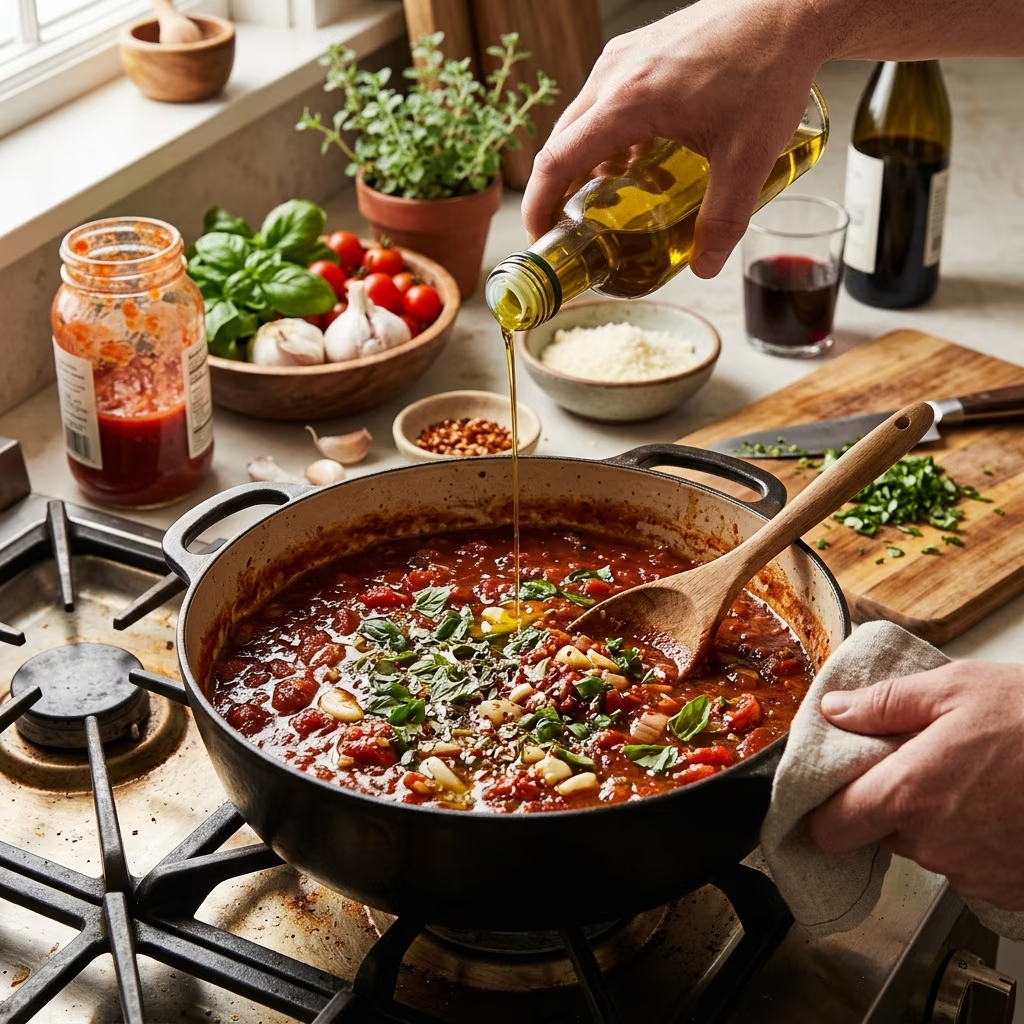
- Drizzle with Olive Oil: A flourish of high-quality extra-virgin olive oil, just before serving, lends fruitiness and sheen.
- Scatter Fresh Herbs: Adding torn basil or chopped parsley right at the end makes the sauce pop visually and aromatically.
Experiment with these techniques to make every bowl of pasta taste like it came from a favorite trattoria—no matter how busy your schedule gets.
Frequently Asked Questions
Can I just heat jarred sauce and pour it over pasta?
While it’s possible to simply reheat jarred sauce, cooking and upgrading your sauce with fresh aromatics, herbs, and other simple ingredients will greatly improve flavor and texture.
How can I make a thin sauce thicker?
Allow the sauce to simmer uncovered, stirring occasionally, to let water evaporate and flavors concentrate. You can also whisk in tomato paste or grated hard cheeses to naturally thicken the sauce.
What should I do if my sauce tastes too acidic?
Stir in a pinch of sugar, grated carrot, or a splash of cream to mellow the sharpness. Butter and a bit of grated cheese can also help balance acidity.
Can I upgrade sauce in advance?
Absolutely—sauces often improve with time. Prepare your upgraded sauce in advance, then cool and store in the refrigerator for up to five days, or freeze for longer storage. Reheat gently before serving.
Is it better to use dried or fresh herbs?
Both have their place: dried herbs are best added early in simmering for deeper infusion, while fresh herbs shine when stirred in just before serving for brighter, greener notes.
Summary Table: Quick Jarred Sauce Upgrades
| Upgrade | How To Use | Flavor Impact |
|---|---|---|
| Sauteed Aromatics | Cook onions, garlic, carrots in olive oil before adding sauce | Builds sweetness, depth, umami |
| Fresh Herbs | Add at the end, reserve some for garnish | Adds fragrance and color |
| Cheese Rinds | Simmer with sauce, then remove | Deep, savory, nutty notes |
| Pasta Water | Mix into sauce with pasta for silky texture | Emulsifies and bonds sauce |
| Umami Boosters | Add anchovy paste, miso, or tomato paste | Intensifies savory complexity |
| Cream or Butter | Finish just before serving | Rounds flavors, adds luxuriously smooth texture |
| Protein & Veggies | Brown or saute first, then simmer in sauce | Makes the meal hearty and flavorful |
Pro Tip
Trust your palate and taste as you go. Start small with seasonings and gradually build up layers of flavor, remembering that it’s easier to add more than to take away.