How to Peel and Devein Shrimp Like a Pro
Shrimp is a versatile and delicious source of protein, beloved for its sweet flavor and quick cooking time. However, preparing raw shrimp at home—particularly peeling and deveining—can perplex even confident home cooks. This comprehensive guide dives deep into the hows and whys of shrimp preparation, offering expert-tested techniques, pro tips, and frequently asked questions to ensure your shrimp dishes are always at their best.
Why Peel and Devein Shrimp?
Understanding the reasoning behind these steps can help demystify the process and ensure your seafood is both delicious and safe for consumption.
- Texture and Taste: Removing the shell yields a softer, more uniform mouthfeel and integrates seasonings better for certain dishes.
- Aesthetics: Clean, deveined shrimp look more visually appealing, especially in refined dishes and presentations.
- Digestive Tract Concerns: The “vein” is actually the shrimp’s digestive tract. While safe to eat when cooked, it can contain grit and sometimes impart an off flavor or texture.
- Even Cooking: Peeled and deveined shrimp cook more evenly and rapidly, reducing the risk of overcooking.
What Is the ‘Vein’ in Shrimp?
The so-called “vein” running along the back (dorsal side) of a shrimp is its digestive tract. Depending on what the shrimp ate, it may be visible as a dark or muddy line—sometimes sandy or gritty in texture. Removing it generally improves both presentation and texture, but its removal is a matter of personal preference for some shrimp lovers.
Should You Always Devein Shrimp?
Deveining shrimp is not strictly necessary for safety—thorough cooking kills any bacteria present. However, for larger shrimp or those with visible dark veins, the process is highly recommended for better texture, flavor, and visual appeal. For small shrimp, where the vein is barely noticeable, many cooks skip this step without problem.
Prepping Shrimp: Step-by-Step Guide
Whether you’re looking for maximum speed or pristine presentation, the following step-by-step instructions help demystify the shrimp prepping process.
Step 1: Gather Your Tools
- A sharp paring knife or dedicated shrimp deveiner tool
- A clean cutting board
- Paper towels
- A small bowl for shells and veins
Step 2: Remove the Shell
The shell protects the shrimp but is usually removed for most recipes (unless cooking shell-on for flavor, such as in boils or grilled preparations).
- Hold the shrimp: Place the shrimp belly-down and firmly hold it just below the head (if the head is attached).
- Crack and peel: Starting at the legs, gently peel back and lift away segments of the shell. Some choose to leave the last tail segment attached for plating.
Step 3: Devein the Shrimp
With the shrimp shelled, look for the dark line along its back. Here’s how to remove it:
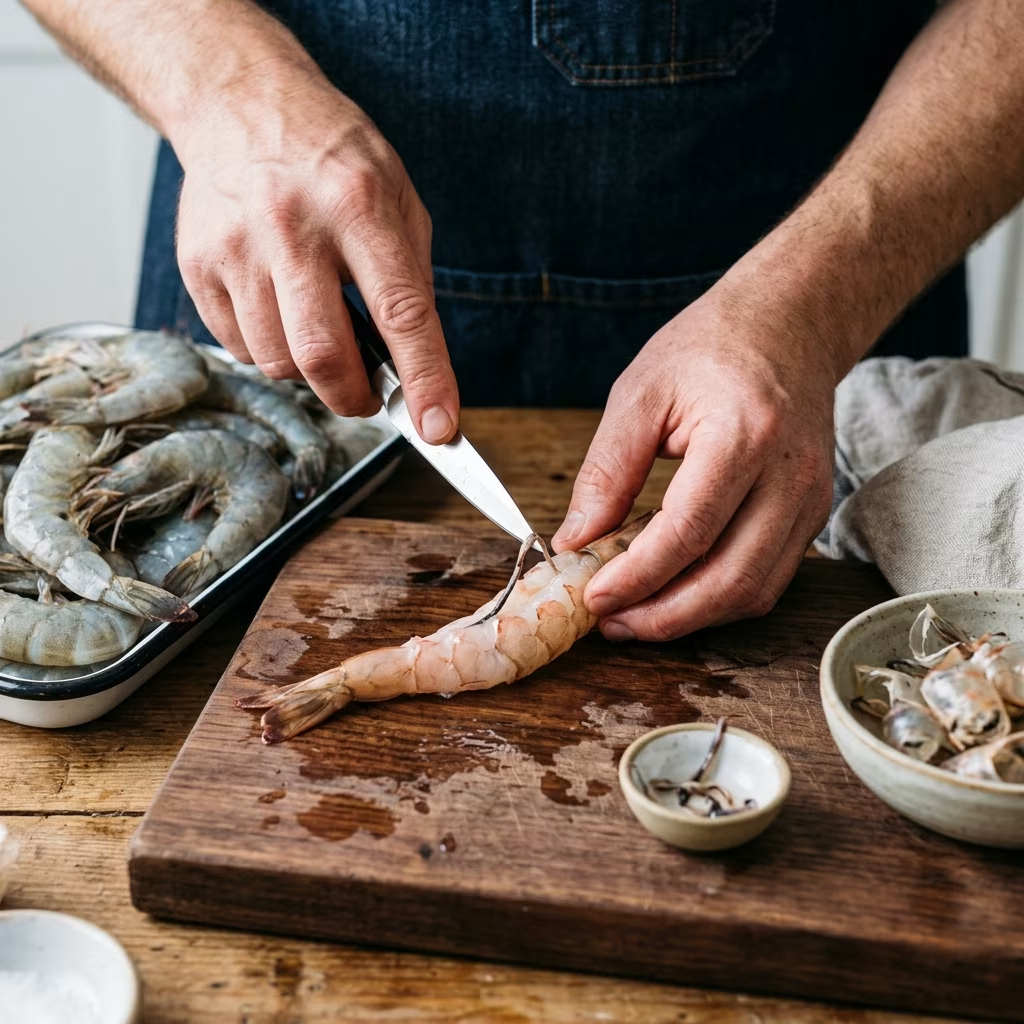
- Make a shallow cut: Using a paring knife, make a gentle, shallow incision along the back, exposing the vein without slicing too deep into the flesh.
- Lift out the vein: Use the knife’s tip or your fingers to extract and discard the vein. If it’s stubborn, twirl it gently around the knife tip and pull it out in one piece whenever possible.
Step 4: Rinse and Pat Dry
Lightly rinse the deveined shrimp under cold water to remove any lingering grit. Use paper towels to pat them dry, ensuring they sear or cook evenly in your chosen preparation.
When to Leave the Shell On
While peeled and deveined shrimp are ideal for many recipes, there are times to leave the shell on:
- Flavor: Shells add depth and sweetness, especially in grilled or sautéed dishes.
- Texture Protection: Shells help shield delicate shrimp from overcooking.
- Convenience: Shell-on shrimp are often more affordable and have a longer shelf life when raw.
In these cases, you can still devein the shrimp by making a slit through both shell and flesh along the back, then extracting the vein as described above.
Deveining: Four Smart Techniques
- Knife Method: The most traditional technique. Make a shallow incision and pick out the vein with the tip of a paring knife.
- Toothpick or Skewer Method: For shell-on shrimp, insert a toothpick under the shell just above the vein, hook it, and pull out the vein gently.
- Dedicated Deveiner Tool: This specialized tool splits the shell and removes the vein in one swift motion—ideal for processing lots of shrimp fast.
- Hands-Only Method: For small or delicate shrimp, you may be able to simply pinch and pull out the vein with your fingers after exposing it with a gentle cut.
Table: Shrimp Deveining Techniques Compared
| Method | Best For | Tools Needed | Speed | Precision |
|---|---|---|---|---|
| Knife | Most home cooks | Paring knife | Moderate | High |
| Toothpick/Skewer | Shell-on shrimp | Toothpick or wooden skewer | Moderate | Moderate |
| Deveiner Tool | High volume, speed | Special deveiner tool | Fast | Moderate to High |
| Hands Only | Small/fragile shrimp | None (fingers) | Slow | Low to Moderate |
Pro Tips for Effortless Shrimp Prep
- Keep Shrimp Cold: Work with chilled shrimp to maintain firm texture and minimize mess.
- Save the Shells: Don’t discard shells—they’re excellent for homemade shrimp stock.
- Batch Processing: Devein all shrimp in a batch first, then proceed to rinsing and drying for maximum efficiency.
- Leftover Black Specks? Tiny specks left behind after deveining are harmless and rarely noticeable after cooking.
- Planning Ahead: Prep shrimp in advance and keep them covered and chilled until ready to cook for food safety.
When Deveining Isn’t Necessary
Some recipes and cuisines prefer leaving shrimp unpeeled and undeveined, relying on high heat and bold sauces to mask imperfections. For example, shell-on shrimp cooked in oil, spice, and garlic (such as in some Mediterranean or Asian dishes) are often served as-is with the vein in place, to be removed by diners as they eat.
Frequently Asked Questions (FAQs)
Do you have to devein both sides of the shrimp?
No. The line along the back (dorsal side) of the shrimp is the digestive tract to remove. The line on the underside is just a nerve cord and generally left in place, as it is barely perceptible in cooked shrimp.
Is it safe to eat shrimp without deveining?
Yes, deveining is not necessary for safety. Cooking shrimp thoroughly will neutralize any bacteria present. However, removing the vein improves cleanliness and texture, especially for large shrimp with gritty or heavily dark veins.
What happens if a little vein is left behind?
Leftover traces are harmless. After cooking, they’re typically invisible and do not affect the overall taste or safety of the shrimp.
How can I devein shrimp quickly for a crowd?
Invest in a shrimp deveiner tool, which is specially designed for high-speed processing. Alternatively, focus on removing only the largest, most visible veins if time is tight and your recipe allows.
Does frozen shrimp need to be deveined?
Yes, unless it’s labeled “deveined” on the packaging. Most shrimp labeled as “EZ-peel” have had the shell split and the vein partially removed for you. Always check each shrimp for intact veins for the cleanest result.
Should the tail be removed?
Tails offer grip for finger foods and can add flavor during cooking but are optional in most cases. Remove them if serving in dishes like pasta or stir-fries where shells might interfere with eating.
Conclusion
Peeing and deveining shrimp is an approachable skill that elevates seafood dishes from good to great. By understanding why these steps matter and mastering a few simple techniques, you can ensure every shrimp you serve is clean, flavorful, and visually appealing. Experiment with each method to find the balance of speed and finesse that works for your kitchen—and don’t forget to save those shells for seafood stock!