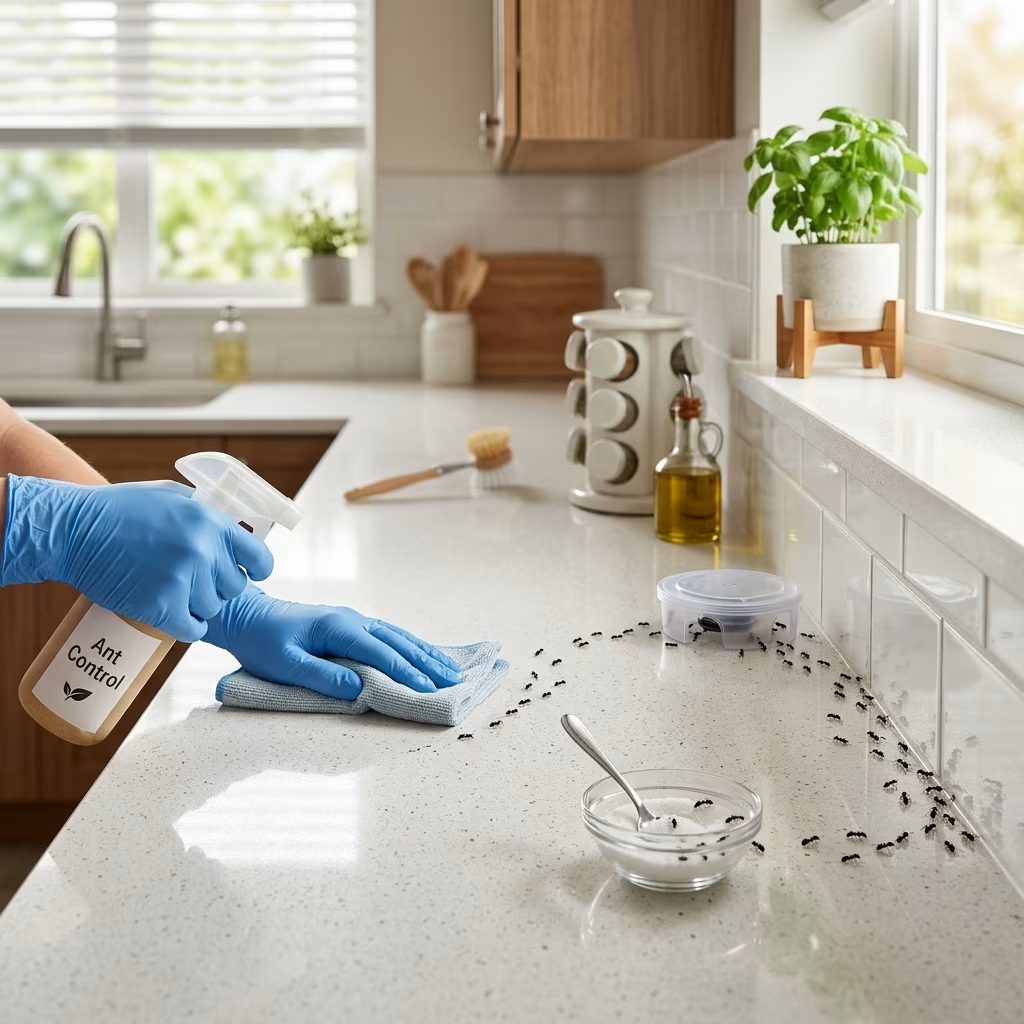
Ants are persistent kitchen invaders, drawn to sources of food and water. While most household ants are harmless, their sudden appearance and rapid multiplication can disrupt daily life and compromise food safety. This comprehensive guide details effective strategies for eliminating ants from your home, with proven methods for both prevention and removal. Whether you face a small ant problem or a full-blown infestation, you’ll find detailed tips, eco-friendly solutions, and frequently asked questions to keep your kitchen and living spaces pest-free.
Understanding Ants: Why They Invade Homes
Ants are social insects that live in colonies, driven by an instinct to find food and shelter. Kitchens are particularly vulnerable because of:
- Readily available food: Spilled sugar, crumbs, and pet food attract ants.
- Water sources: Leaky pipes and damp areas provide hydration.
- Access points: Tiny cracks, crevices, and gaps around doors and windows.
Common household ants include odorous house ants, pharaoh ants, and carpenter ants, each with unique behaviors—but the general approach to removal remains similar for most types.
Immediate Steps: How to Respond When You Spot Ants
- Identify the ant trail: Follow the path to determine their entry and exit points.
- Remove attractants: Clean up spills, seal pantry items, and remove uncovered food.
- Disrupt trails: Ants communicate via pheromone trails—clean these with vinegar or soap to confuse scouts and stop the stream.
Acting quickly at the first sign of ants is key to preventing a colony from establishing in your kitchen.
Cleaning and Prevention: Foundations of Ant Control
- Maintain a clean kitchen:
- Wipe countertops and sweep floors regularly.
- Store food in airtight containers.
- Clean up crumbs and sticky spots immediately.
- Seal entry points:
- Inspect baseboards, cabinets, and windows for cracks.
- Apply caulk and weatherstripping to block entry.
- Protect pantry and food storage:
- Use sealed jars or plastic bins for sugar, flour, cereal, and snacks.
- Keep pet food sealed and feed pets at regular times.
- Eliminate standing water:
- Repair leaky faucets and pipes.
- Wipe up spills and moisture.
Prevention is the safest and most effective way to manage ants, reducing the likelihood that they’ll ever make a home in your kitchen.
Natural Remedies for Repelling and Killing Ants
Many household products and pantry staples provide safe, effective options for managing ants without resorting to toxic chemicals. Here are some reliable natural remedies:
- Borax: Mix borax with sugar and water; soak cotton balls in the solution and place them in problem areas. Ants are attracted to the mixture and carry borax back to their colony. Keep out of reach of pets and children.
- Diatomaceous Earth: Sprinkle food-grade diatomaceous earth along ant trails, near entry points, and around baseboards. It desiccates ants without toxic chemicals. Avoid inhalation.
- Vinegar: Spray a mixture of white vinegar and water (1:1 ratio) on trails and entry points. Vinegar cleans and breaks pheromone signals, repelling future ants.
- Cinnamon: Use ground cinnamon or cinnamon leaf essential oil to deter ants. The strong aroma disrupts ant communication. Place soaked cotton balls or sprinkle powder at common gathering spots.
- Coffee Grounds: Scatter used coffee grounds near nests, doorways, and windowsills. The smell drives ants away and interferes with their trails.
- Lemon Juice: Squeeze lemon juice or rub citrus peels on ant entrances. Citrus oils are strong ant repellents; they also erase existing scent trails.
- Neem Oil: Spray full-strength neem oil around plants and affected areas. Neem interrupts feeding and breeding in ants and aphids.
- Boiling Water: Pour boiling water directly into outdoor ant hills or visible cracks. This immediately kills ants, but may not eliminate the colony entirely.
- Peppermint or Lavender Oil: Mix a few drops with water in a spray bottle and apply to windowsills, door frames, and entry points. Strong scents mask ant trails and repel scouts.
- Cornstarch: Dump cornstarch directly on a group of ants, then add water on top or vacuum up. Dispose of vacuum bags outdoors immediately.
Natural Remedies Comparison Table
| Remedy | Usage | Precautions |
|---|---|---|
| Borax | Bait mixed with sugar and water | Keep away from pets/children |
| Diatomaceous Earth | Sprinkle along ant trails | Avoid inhalation |
| Vinegar | Spray and wipe surfaces | Mild scent |
| Cinnamon | Powder or essential oil | Keep away from pets |
| Coffee Grounds | Scatter near nests | None |
| Neem Oil | Spray full-strength | Use outdoors/near plants |
| Peppermint/Lavender Oil | Spray diluted mixture | Test for allergies |
| Boiling Water | Pour in anthills | Use caution |
| Cornstarch | Cover ants, add water/vacuum | Dispose sealed outdoors |
Ant Baits and Commercial Solutions
When natural methods don’t resolve a major infestation, commercial ant baits and traps can be highly effective. Baits work by attracting ants to a food source laced with a slow-acting poison, which they carry back to the colony, killing the queen and other members over time.
- Place baits where ants are active—in cupboards, along trails, and near entry points.
- Don’t kill foraging ants immediately. Allow them to spread the bait.
- Choose gel, liquid, or solid baits—different types attract different ant species.
- Keep baits away from children and pets.
- Avoid spraying insecticides near baits, as this deters ants from collecting poison.
For stubborn infestations, it may be necessary to rotate bait types or consult a professional pest control service.
Outdoor Control: Keeping Ants Away from Entry Points
- Trim vegetation near your home to eliminate ant bridges to doors and windows.
- Remove debris: Clear leaf litter, logs, and rocks where ants nest.
- Check outdoor trash cans: Ensure they are tightly sealed and cleaned regularly.
- Inspect and seal foundation cracks to eliminate entry points.
- Pave or treat ant hills with boiling water or ant bait as needed.
Eco-Friendly and Humane Solutions: Ants in the Garden
Ants play an important role in the garden ecosystem as natural pest controllers and soil aerators. If ants are not causing harm, tolerate their presence. For problematic colonies:
- Locate nests to minimize unnecessary disruption.
- Use scented deterrents: Sprinkle coffee grounds, citrus peels, or cinnamon near entryways and paths.
- Encourage natural predators: Birds and beneficial insects help keep ant populations balanced.
Professional Help: When to Call an Exterminator
If DIY and natural remedies fail or if you are dealing with aggressive ants (such as carpenter ants causing structural damage), seek professional pest control assistance. Experts can:
- Identify ant species and locate colonies accurately
- Apply targeted treatments with safety in mind
- Give long-term prevention advice and follow-up service
Frequently Asked Questions (FAQs)
-
Q: Can ants harm my food or spread diseases?
A: While most household ants do not transmit serious diseases, they can contaminate food, especially when crawling over waste. Take precautions and keep surfaces and food covered.
-
Q: How do I know where the ants are coming from?
A: Follow the ant trail to its origin; look for cracks, windows, or drains. Wipe trails with vinegar to disrupt future scouting.
-
Q: Are natural remedies as effective as chemical solutions?
A: Natural remedies often work for small infestations, especially with thorough prevention. For severe or persistent colonies, baits or professional help may be necessary.
-
Q: How long does it take to get rid of ants?
A: Depending on the size of the colony and chosen methods, results can take several days to weeks. Consistency is key—maintain cleaning and prevention even after ants disappear.
-
Q: Are ant baits safe to use around pets and children?
A: Always read labels and place baits out of reach of children and pets. Consider natural remedies or consult a professional if safety is a concern.
Summary Checklist: Steps to Control Ants Effectively
- Identify sources of food and water that attract ants.
- Clean kitchen surfaces and floors thoroughly and frequently.
- Seal cracks, windows, and entry points.
- Try natural repellents such as vinegar, herbs, and oils.
- Use ant baits for persistent infestations and follow instructions carefully.
- Monitor and maintain prevention tactics year-round.
- Consult pest control professionals for large or damaging colonies.
Conclusion
Ant infestations in the home, especially the kitchen, require a balanced approach that addresses immediate cleaning, long-term prevention, and effective removal. Start by eliminating attractants, sealing entry points, and using natural remedies. For stubborn issues, consider ant baits or professional intervention. By adopting these strategies, you can restore your kitchen’s safety and comfort, maintaining a pest-free environment all year round.
References
- https://www.healthline.com/health/how-to-kill-ants
- https://www.gardenersworld.com/how-to/grow-plants/how-to-get-rid-of-ants/
- https://thegreenfortune.com/how-to-get-rid-of-ants-in-house-a-comprehensive-guide/
- https://www.buzzboss.com/learn/send-the-ants-marching-how-to-get-rid-of-ants
- https://www.youtube.com/watch?v=TycvvVdvL_s
- https://precisionpredator.com/the-complete-guide-to-ant-removal-and-prevention/
- https://www.myoleo-mac.com/int/green-ideas/effective-ways-to-get-rid-of-ants-in-the-garden-oleo-mac/