


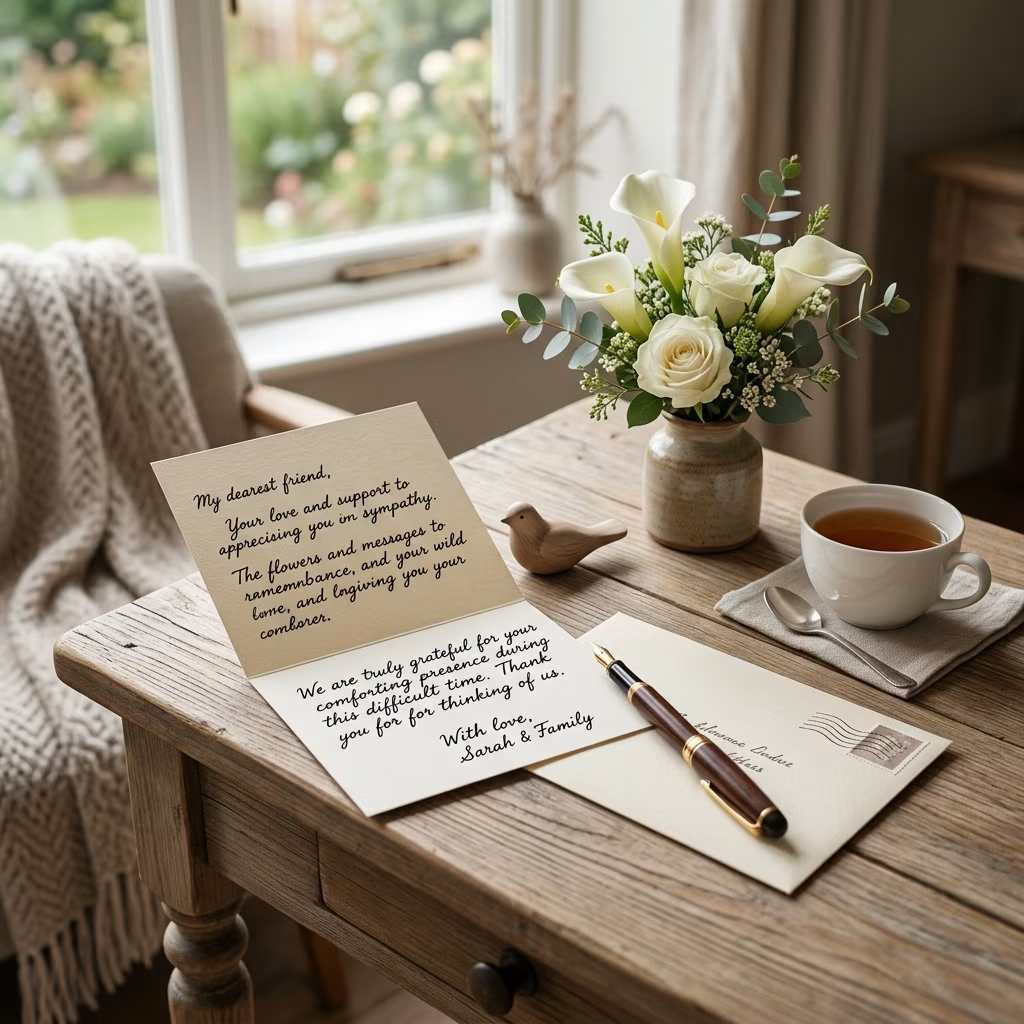
Funeral Thank You Messages and Notes: How to Express Appreciation for Sympathy and Support
Losing a loved one is an emotionally challenging time, and the support received from friends, family, and the community offers much-needed comfort. Sending sincere funeral thank you messages is a meaningful way to acknowledge those who have reached out with sympathy, attended memorial services, sent flowers, or provided help in various ways. This guide explores how to convey heartfelt gratitude after bereavement, with practical tips, sample messages, and thoughtful ideas for your thank you cards and notes.
Why Send Funeral Thank You Messages?
Expressing appreciation during a period of mourning may feel overwhelming, yet acknowledging the kindness and support received can strengthen the bonds with those who showed compassion. Funeral thank you notes serve several important purposes:
- Show appreciation for those who offered condolences, support, or assistance.
- Recognize gestures such as sending flowers, donations, or attending the service.
- Provide an opportunity to share gratitude and personal memories, fostering connection in times of loss.
When and Whom to Thank
Although not every condolence calls for a formal card, many choose to send thank you messages to certain people and groups whose contribution or gesture stood out or provided comfort. Consider thanking:
- Those who attended the funeral, memorial, or burial service.
- Individuals who sent flowers, food, gifts, sympathy cards, or memorial donations.
- Clergy, celebrants, or spiritual leaders who conducted or spoke at the service.
- Pallbearers, musicians, caterers, and anyone who played a special role in the service.
- Friends, neighbors, and coworkers who extended extraordinary support or help.
Try to send your thank you notes within two to three weeks of the funeral. However, if it takes longer due to grief or practical reasons, people will understand your need for time.
How to Write a Funeral Thank You Card
The right words might not be easy to find, but your message doesn’t need to be lengthy or formal. A short, honest expression of gratitude is always appreciated. Follow these general steps when composing your note:
- Start with a personal greeting – Address the recipient by name for a warmer, individualized message.
- Express your gratitude directly – Thank them for their specific act of kindness, support, or presence.
- Mention the gift or gesture – If they sent flowers, made a donation, provided food, or helped personally, name their contribution.
- Share a meaningful thought – Include a brief personal memory, note of how their support helped, or what it meant to your family.
- Close thoughtfully – Use a warm, appreciative sign-off with your name or your family’s name.
Personal touches make even simple thank you messages impactful. If you wish, you can write the notes by hand for added sincerity, or opt for printed cards for efficiency.
Sample Funeral Thank You Messages and Cards
Here are a variety of sample thank you notes, each suitable for different situations and relationships. These examples can serve as inspiration or templates for your own message:
General Funeral Thank You Messages
- “Thank you so much for your kind words and comforting support during this difficult time. Your thoughtfulness was deeply appreciated by our family.”
- “We are so grateful for your presence at the service and all the ways you’ve shown you care. Your condolences and prayers have brought us comfort.”
- “Please accept our heartfelt thanks for your support, your generosity, and your thoughtfulness. We are truly blessed to have friends like you.”
- “Your support at the funeral meant so much to us. Thank you for sharing your memories and being there when we needed it most.”
- “Your words, actions, and love have brought me strength and comfort. Thank you for being such a caring friend.”
Thank You for Condolence Cards and Sympathy Notes
- “Thank you for your kind sympathy and thoughtful card. Your comforting words brought peace to our family.”
- “Your heartfelt condolences lifted our spirits during this sad time. We appreciate your support more than words can express.”
Thank You for Flowers or Donations
- “We are grateful for the beautiful bouquet you sent to honor [name]. Your kindness touched our hearts.”
- “Thank you for your generous donation to [charity] in [name]’s memory. Your gesture reflects your caring spirit and means so much to us.”
- “Your wonderful arrangement perfectly honored [name]. Thank you for remembering them in such a special way.”
Thank You to Attendees
- “We truly appreciate you taking the time to attend [name]’s funeral. Your presence and support gave us great comfort.”
- “Seeing you at the service meant a lot to our family. Thank you for sharing in the remembrance of [name]’s life.”
Thank You to Clergy or Officiant
- “Thank you for your thoughtful words and leadership at the service. Your guidance was comforting and meaningful.”
- “We are grateful for your wisdom and support during this difficult time. Thank you for helping us honor [name]’s memory.”
Thank You for Food or Help
- “Thank you for bringing food to our home and easing our burden. Your kindness provided comfort and support.”
- “We appreciate your help with meals and everything else. Your generosity made a difficult time a little bit easier.”
Thank You to Pallbearers
- “Thank you for serving as a pallbearer. Your support was greatly appreciated by our family.”
- “Your willingness to stand with our family in honoring [name]’s life meant more than words can say.”
Thank You to Special Friends and Helpers
- “Your unwavering support and practical help meant everything to our family during these days. We are deeply thankful.”
- “I truly don’t know how I would have managed without your help, comfort, and calmness. Thank you for standing by me.”
Funeral Thank You Card Wording Examples
Choosing the right wording allows you to personalize your gratitude. Here are detailed examples of how to phrase appreciation in funeral thank you cards:
| Recipient Type | Sample Thank You Message |
|---|---|
| Friend or Relative | “Your words have comforted me, your support has strengthened me, and your love has sustained me. I appreciate your kindness during my greatest sadness.” |
| Funeral Attendee | “Thank you for attending the service for [name], and for sharing your stories and memories. Your presence meant so much to our family.” |
| Clergy/Officiant | “Thank you for your compassion and guidance at [name]’s service. Your words brought us solace and helped us celebrate their life in a meaningful way.” |
| Pallbearer | “Thank you for being a pallbearer for [name]. Your help was invaluable and appreciated beyond words.” |
| Person Who Sent Flowers | “Thank you for the beautiful arrangement. Your thoughtful gesture brought light to our day and honored [name]’s memory.” |
| Person Who Donated | “Thank you for your donation in [name]’s honor. It means a great deal to us and supports a cause dear to their heart.” |
| Special Helper | “Thank you for being there during this incredibly difficult time. I will always remember how kind and supportive you have been.” |
Tips for Sending Funeral Thank You Notes
- Set aside a quiet time and write a few notes at a time to avoid feeling overwhelmed.
- Enlist family members or close friends to help review and address cards, if desired.
- Keep your wording simple, genuine, and specific to the recipient whenever possible.
- Use a printed message if it feels more manageable, but consider adding a brief handwritten line for a personal touch.
- If you’re unable to respond to every message, remember that your friends and family will understand your grief and appreciate any gesture of thanks.
Frequently Asked Questions (FAQs) About Funeral Thank You Messages
Is it mandatory to send funeral thank you notes?
No, there is no strict obligation to send thank you notes after a funeral, but it is considered a thoughtful and appreciated gesture, especially to those who provided notable support, donations, or service.
How soon should I send funeral thank you cards?
It is customary to send your notes within two to three weeks after the funeral, but people understand if it takes longer due to the circumstances. Focus on your own comfort and readiness.
What should I write if I don’t know what to say?
Keep your message simple and sincere. Even a brief note such as “Thank you for your kindness and support during this difficult time” is meaningful and appreciated.
Who should receive a funeral thank you card?
Send cards to anyone who gave flowers, donations, food, or extra help, as well as officiants, pallbearers, or those who participated in the service. It is also kind to thank those whose presence or words provided comfort.
Can I use pre-printed thank you cards?
Yes, pre-printed cards are acceptable, especially if writing individual notes feels overwhelming. Personalize them with a handwritten line or signature when possible for a special touch.
Conclusion: Honoring Those Who Stood By You
Bereavement brings unique challenges, but it also reveals the depth of connection and support from friends, family, and the community. Sending funeral thank you messages is not just a formality—it is an act of remembrance and gratitude, strengthening the bonds of compassion and empathy that sustain us during loss. Whether your message is brief or detailed, handwritten or printed, know that your gesture of thanks will be cherished by those who cared.
References
- https://www.americangreetings.com/inspiration/what-to-write/thank-you-messages-funeral
- https://www.utterlyprintable.com/blog/funerals-memorials/21-elegant-messages-to-write-in-your-funeral-thank-you-card/
- https://figandlaurel.com/funeral-thank-you-cards-wording/
- https://burgerfuneralhome.com/63/Families–Appreciation-Notes.html
- https://www.dignitymemorial.com/grief-and-sympathy/losing-a-loved-one/sympathy-thank-you-note-templates
- https://www.cainfh.com/testimonials
- https://www.funeralwise.com/funeral-etiquette/thank-you-what-to-say/


