


Types of Soul Ties: Understanding Deep Emotional Bonds
Soul ties are deep emotional or spiritual connections formed between individuals that can significantly shape our experiences, relationships, and well-being. These bonds can affect us profoundly, sometimes persisting long after the relationship has ended. This article explores the definition, types, signs, effects, and expert perspectives on soul ties, providing a comprehensive guide to recognizing, nurturing, and, when necessary, breaking these powerful connections.
What Are Soul Ties?
Soul ties refer to an intense bond—emotional, mental, spiritual, or physical—that forms between people due to significant shared experiences, deep intimacy, or powerful emotions. These ties can occur in various relationships, including romantic partnerships, friendships, familial bonds, or even brief impactful encounters with others (see: ). Soul ties are distinct for their lingering effect; individuals may continue to feel connected, influenced, or affected by another person long after active contact has ended.
The concept of soul ties is often discussed in spiritual and psychological contexts. While not a scientific term, the idea resonates in both modern spiritual teachings and religious beliefs, often serving as a framework to understand why some relationships—positive or negative—leave a lasting mark on us (see: ).
Origins and Beliefs Around Soul Ties
The belief in soul ties emerges from various spiritual and psychological traditions:
- Religious perspectives: Many religious teachings posit that sexual intimacy or deep relationships can create a spiritual bond, underscoring the importance of intentional connections.
- New Age and spiritual beliefs: Soul ties are viewed as cosmic or karmic links, sometimes described as connections across lifetimes.
- Psychological views: Modern psychology interprets soul ties as intense emotional attachments or patterns of codependency, especially in relationships marked by vulnerability or trauma (see: ).
Types of Soul Ties
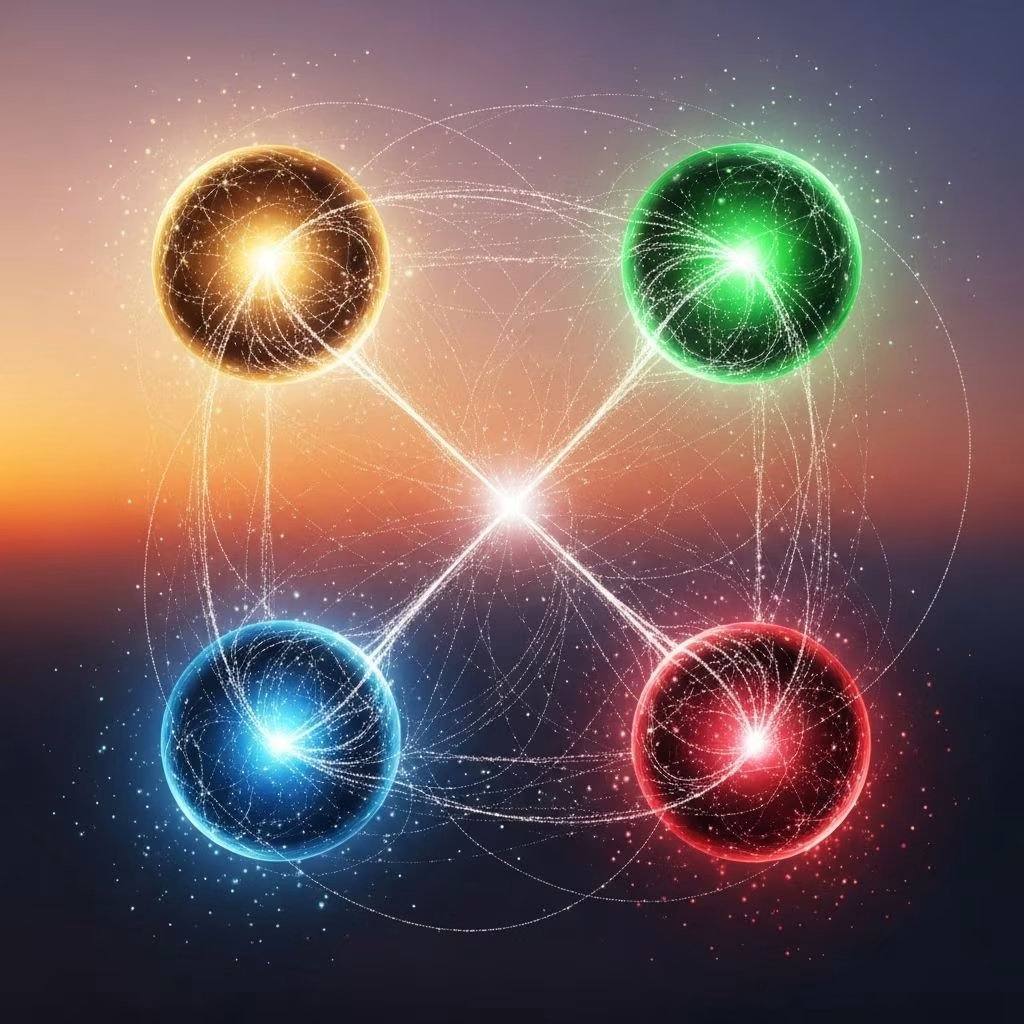
Soul ties are not confined to romantic relationships. Experts and spiritual traditions typically categorize soul ties into four main types:
| Type of Soul Tie | Description | Typical Examples |
|---|---|---|
| Physical | Formed through sexual relations or physical intimacy, creating a deep, lasting connection. | Romantic partners, spouses, sexual encounters |
| Emotional | Built on strong emotional support, sharing, or dependency; may include both positive and negative attachments. | Close friends, family members, deep friendships |
| Mental | Develops from shared experiences, intellectual stimulation, or common trauma; involves a meeting of minds. | Mentors, colleagues, partners in shared experiences |
| Spiritual | Arises from a shared spiritual journey or connection; often considered the deepest type of bond. | Spiritual mentors, faith leaders, fellow believers |
Each type can overlap, and a single relationship may encompass multiple soul ties.
How Do Soul Ties Form?
Soul ties develop in various ways, often through moments of vulnerability, trust, and intimacy:
- Physical intimacy: Sexual relationships or physical closeness can trigger the formation of powerful physical soul ties.
- Emotional bonding: Deep emotional exchanges—support during distress, forgiveness, unconditional care—form strong emotional ties.
- Shared experiences: Common challenges, trauma, or achievements can link individuals together mentally and emotionally.
- Spiritual connections: Praying together, participating in rituals, or sharing a spiritual path can birth spiritual soul ties (see: ).
Sometimes, negative interactions—such as betrayal, manipulation, or codependency—can also generate unhealthy or toxic soul ties.
Positive and Negative Effects of Soul Ties
Soul ties can greatly influence our lives, both positively and negatively. Here’s how they can affect our overall well-being:
Positive Effects
- Support and healing: Healthy soul ties offer emotional strength, foster personal growth, and promote compassion.
- Motivation: Inspirational ties can encourage self-improvement, resilience, and a sense of purpose.
- Belonging: Deep connections foster a sense of security and belonging, enhancing overall happiness.
Negative Effects
- Obsession or codependency: Excessive attachment can lead to unhealthy dependency, loss of identity, and emotional distress.
- Difficulty moving on: Lingering ties may prevent closure after breakups, losses, or changes, leading to persistent emotional pain.
- Drained energy or anxiety: Toxic soul ties can manifest as emotional exhaustion, anxiety, or feeling controlled by another’s moods or actions.
Recognizing the nature of your soul ties can help you nurture the healthy ones and address those that hinder your well-being (see: ).
Common Signs of Soul Ties
How do you know if you have formed a soul tie? While experiences may differ, these are commonly reported signs:
- Intense emotional connection—Feeling strongly drawn to someone, often with heightened intuition or empathy toward their state of mind.
- Difficulty letting go—Persistent thoughts or feelings about a person, regardless of time or distance.
- Influence over emotions or decisions—Finding your moods or choices heavily swayed by the tie, sometimes against your intentions.
- Shared dreams or telepathic experiences—Experiencing synchronistic events, mutual thoughts, or a sense of “knowing” what the other person feels or thinks.
- Unresolved issues—Repeating relationship patterns that trace back to a particular tie.
- Physical sensations—Noticing physical reactions (e.g., tingling, restlessness) linked to the presence or thoughts of the person.
- Attachment to objects/places—Feeling emotionally connected to certain items or locations due to their association with the person.
If these signs persist after a relationship changes or ends, it may indicate a lingering (and possibly unhealthy) soul tie (see: ).
Healthy vs. Unhealthy Soul Ties
Not all soul ties are beneficial. Understanding the distinction is crucial for personal growth:
| Healthy Soul Ties | Unhealthy Soul Ties |
|---|---|
| Rooted in mutual care, respect, and healthy boundaries. | Marked by obsession, manipulation, or dependency. |
| Encourage growth, independence, and healing. | Lead to emotional exhaustion, anxiety, or self-neglect. |
| Allow for individuality within the relationship. | Damage self-esteem and make it hard to move on. |
Assess your connections regularly. Healthy soul ties support both individuals, while unhealthy ones often result in emotional imbalance.
Expert Advice: Breaking Unhealthy Soul Ties
If a soul tie feels toxic, breaking free might be necessary for your emotional and spiritual health. Experts recommend the following steps:
- Acknowledge the tie: Awareness is the first step. Recognize patterns and triggers that link you to the person.
- Seek closure: Express unresolved feelings, set clear boundaries, and engage in rituals or practices that symbolize letting go (writing a letter, meditation, etc.).
- Pursue self-care: Focus on self-love, mindfulness, and healthy routines that foster independence.
- Professional support: Therapy or counseling can help unravel deep-seated ties, especially those rooted in trauma or codependency.
- Spiritual practices: Some find prayer, energy cleansing, or guided visualization beneficial for releasing spiritual or energetic connections (see: ).
Remember, breaking a soul tie can be a gradual process. Be patient and seek support as needed.
Frequently Asked Questions (FAQs)
Q: Can soul ties only form in romantic relationships?
A: No. Soul ties can develop in any close relationship—romantic, platonic, familial, or even with a mentor or friend. The key factor is the depth of emotional, spiritual, or physical connection.
Q: Are soul ties scientifically proven?
A: While not formally recognized by science, the concept of soul ties is supported by research on emotional bonding, attachment, and the persistence of psychological connections after relationships end.
Q: How do I know if I should break a soul tie?
A: If the connection leaves you feeling drained, anxious, manipulated, or unable to move on, it may be time to establish boundaries or seek ways to release the tie for your well-being.
Q: Can healthy soul ties benefit my personal growth?
A: Absolutely. Positive soul ties can offer emotional support, motivation, and a sense of belonging that enriches your life and supports mutual growth.
Conclusion: Navigating the Power of Soul Ties
Soul ties are a testament to the profound ways we connect with others. Understanding their formation, types, signs, and effects empowers us to cherish and nurture healthy bonds, while recognizing and breaking free from those that impede our happiness. Whether viewed through a spiritual lens or a psychological one, soul ties reflect our innate need for connection and meaning on life’s journey.
References
- https://www.psypost.org/soul-ties-exploring-a-popular-belief-in-deep-emotional-bonds/
- https://www.betterup.com/blog/soul-ties
- https://treatmhtexas.com/mental-health/soul-ties-unraveling-the-mysteries-of-deep-connections/
- https://psychcentral.com/relationships/soul-ties
- https://mikesignorelli.com/the-truth-about-soul-ties-what-they-are-and-how-to-break-them/


